Answering questions Reading Fiction Worksheets for Ages 3-6
3 filtered results
-
From - To
Welcome to our "Answering Questions Reading Fiction Worksheets" for children ages 3-6! These engaging worksheets are designed to enhance young learners' comprehension skills as they explore various fictional stories. By answering questions about the texts, children develop critical thinking, improve communication abilities, and boost their understanding of narratives. Our materials cater to diverse learning styles, making reading enjoyable and interactive. Each worksheet encourages creativity and fosters a love for literature at an early age. Perfect for classrooms or at-home learning, these resources make it easy for educators and parents to support their child's reading journey. Discover the joy of reading with us today!
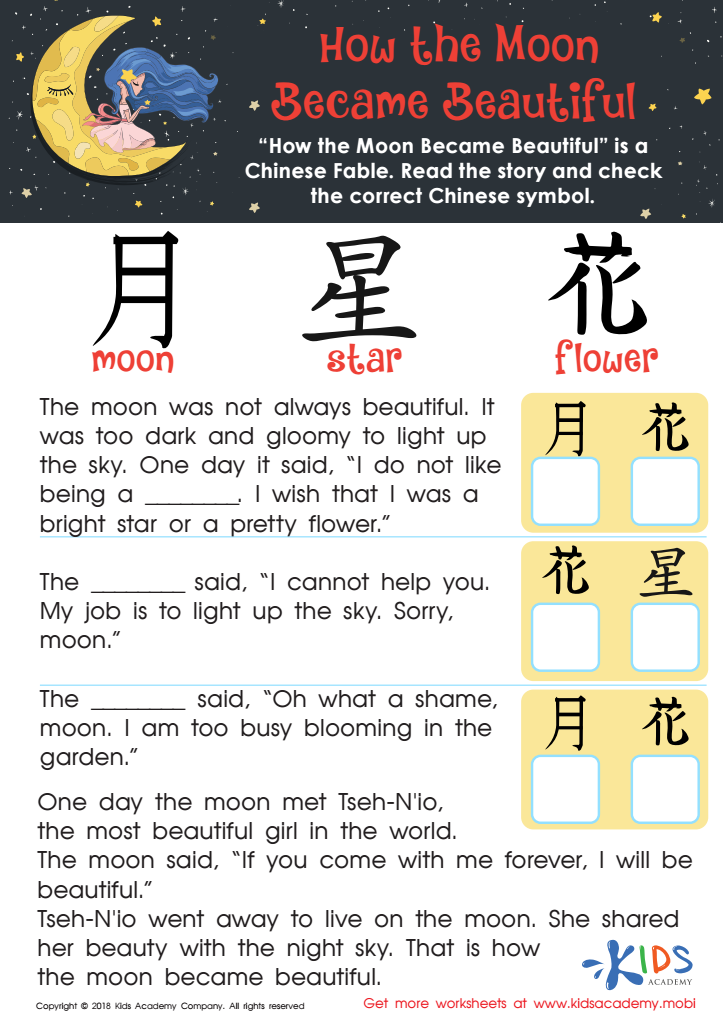
How the Moon Became Beautiful Worksheet
 Assign to My Students
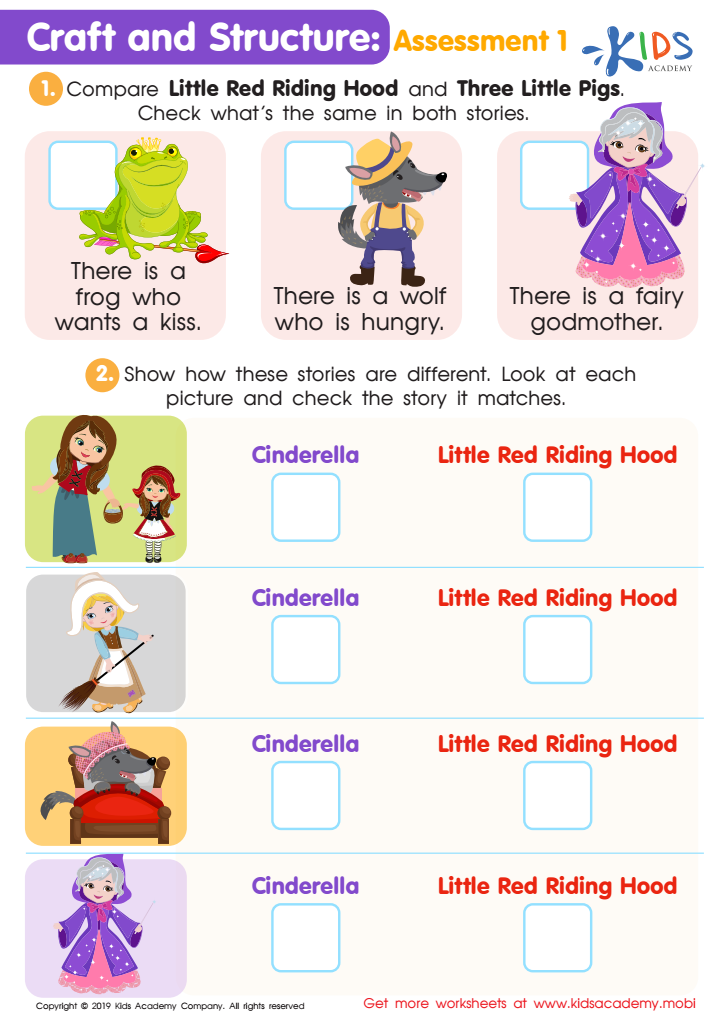
Craft and Structure: Assessment 1 Worksheet
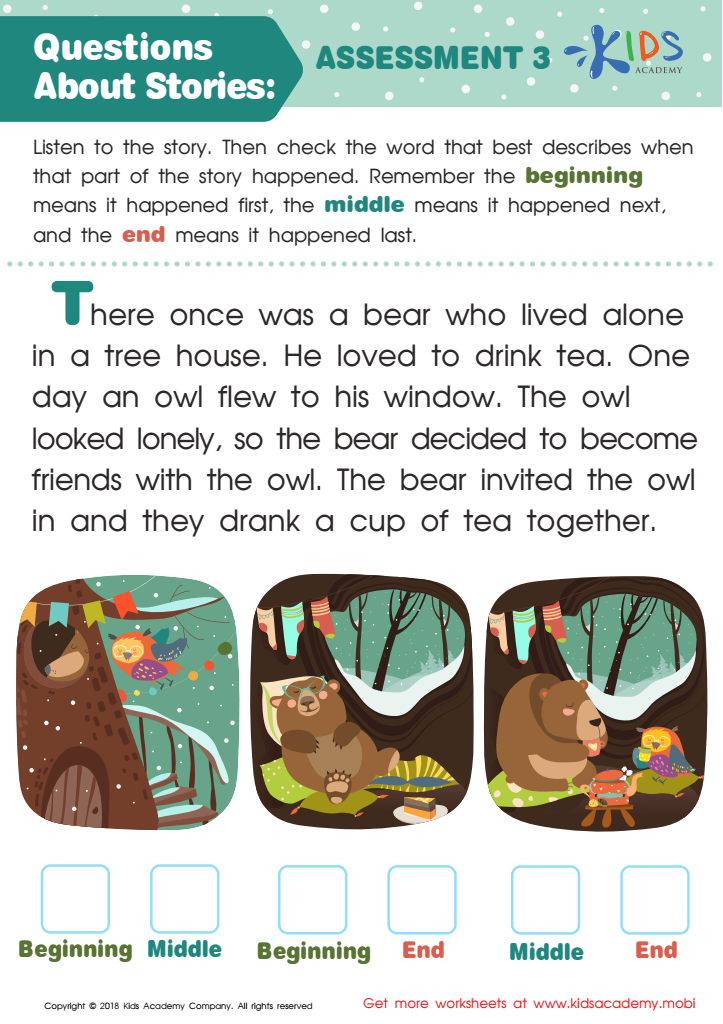
Questions About Stories: Assessment 3 Worksheet




.jpg)


Answering questions while reading fiction for ages 3-6 is pivotal for nurturing young minds. At this developmental stage, children are eager to explore the world around them, and engaging with stories provides a gateway to that exploration. When parents and teachers actively answer questions during reading, they foster a child's natural curiosity, promoting critical thinking and comprehension skills.
Books expose children to new vocabulary and concepts, and answering their questions clarifies uncertainties, making reading a dynamic two-way interaction. This practice not only strengthens their language and communication skills but also builds their confidence and engagement with literacy.
Furthermore, discussing the story fosters social-emotional learning. Children learn to connect with characters, understand emotions, and develop empathy through narrative exploration. Answering their queries can help them relate the story to their own experiences, making reading a personal and meaningful journey.
In essence, prioritizing this interaction enriches the reading experience, laying a sturdy foundation for lifelong learning, imagination, and understanding. When parents and teachers involve themselves in this way, they create an environment where young learners feel valued and encouraged to express their thoughts and feelings. This involvement is crucial for developing well-rounded, inquisitive, and empathetic individuals.








