Reading Skills Reading Fiction Worksheets for Ages 3-6
5 filtered results
-
From - To
Enhance your child’s reading journey with our engaging Fiction Worksheets for Ages 3-6! Designed for early learners, these worksheets foster essential reading skills while introducing captivating stories and characters. Each activity encourages comprehension, vocabulary development, and critical thinking through fun illustrations and age-appropriate texts. Perfect for parents and educators, these resources provide a structured yet enjoyable way to nurture a love for reading. By captivating young imaginations, our materials support children as they navigate the magical world of fiction. Empower your child’s literacy skills today and watch their confidence soar with the joy of reading! Explore our printable worksheets now!
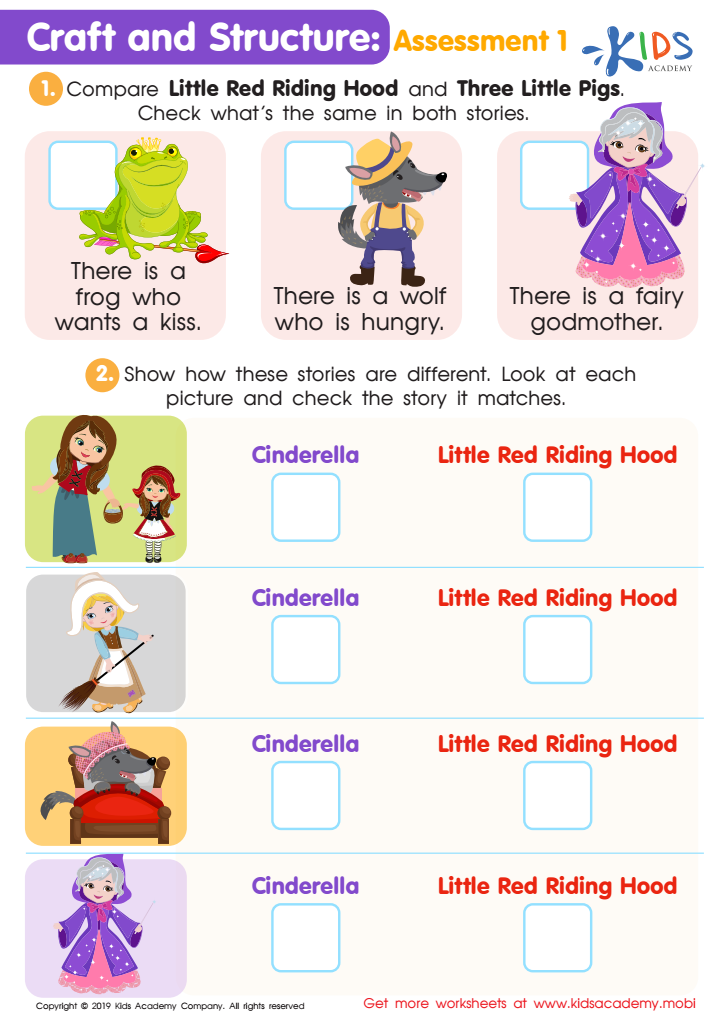
Craft and Structure: Assessment 1 Worksheet
 Assign to My Students
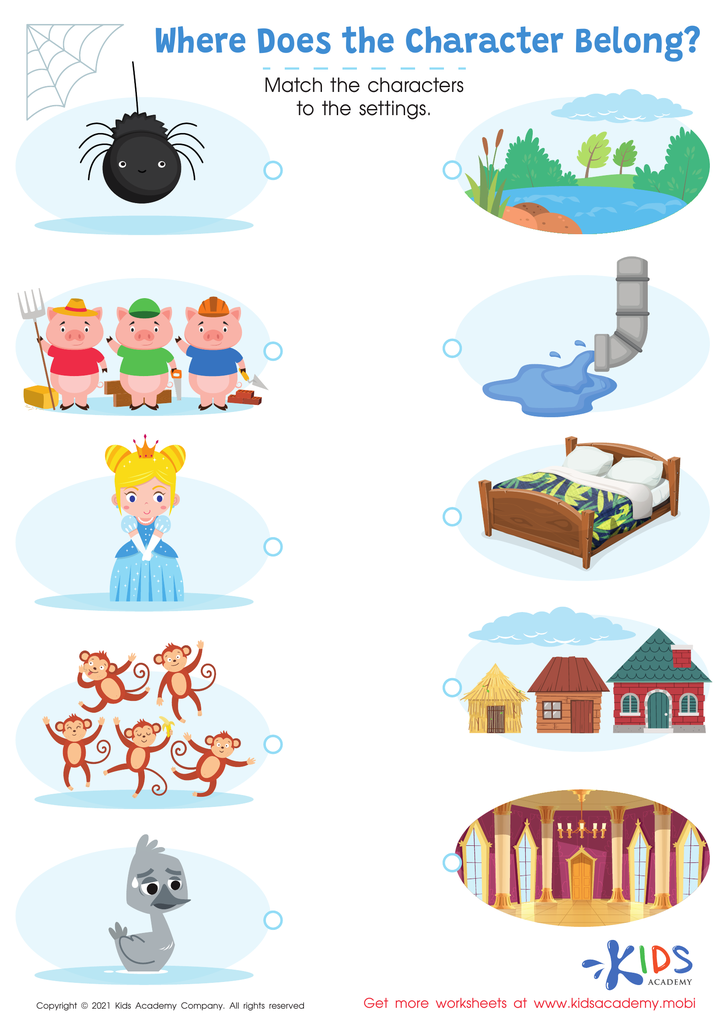
Where Does the Character Belong? Worksheet
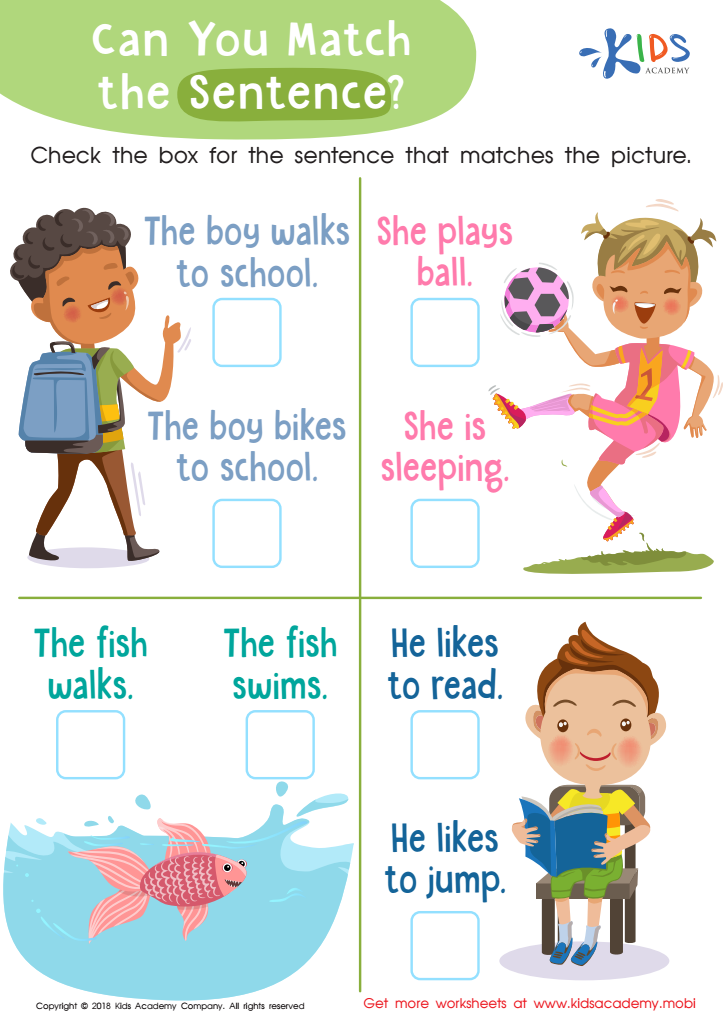
Can You Match the Sentence? Worksheet
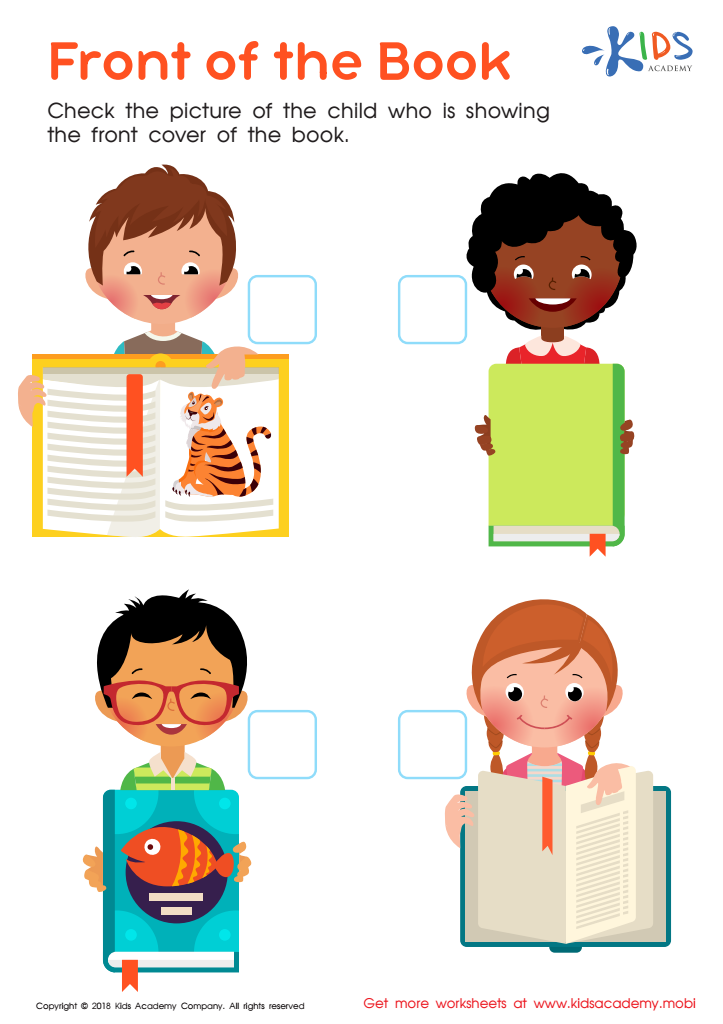
Front of the Book Worksheet
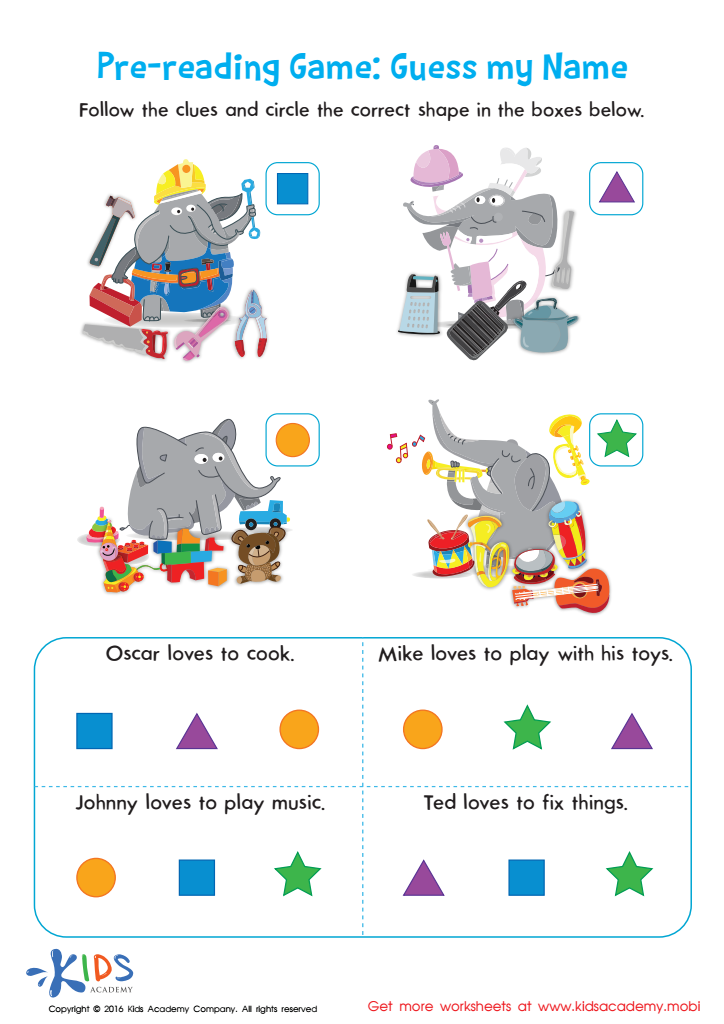
Pre Reading Worksheet Guess My Name







.jpg)
Reading skills, especially reading fiction, are crucial for children aged 3-6 as they lay the foundation for future learning and development. During these formative years, children are at a pivotal stage where they begin to understand language, narrative structure, and social-emotional cues. Engaging with fiction introduces them to diverse worlds, characters, and experiences, fostering imagination and creativity.
Parents and teachers should care about reading fiction because it enhances vocabulary development and comprehension skills — key components of effective communication. Through storytelling, children learn to recognize letters, sounds, and words, developing their phonemic awareness, which is essential for early literacy.
Moreover, fiction promotes critical thinking as children learn to predict outcomes, identify main ideas, and empathize with characters’ feelings and decisions. This social-emotional learning helps them build relationships and understand their own emotions better.
Reading also nurtures a love for literature, encouraging lifelong reading habits that contribute to academic success and cultural understanding. Ultimately, instilling strong reading skills in early education positively impacts children’s cognitive and social abilities, preparing them for both school and life challenges. Thus, nurturing these skills through reading fiction is vital for holistic development.








