Sequencing Skills Reading Fiction Worksheets for Ages 3-6
5 filtered results
-
From - To
Enhance your child's early reading abilities with our Sequencing Skills Reading Fiction Worksheets designed for ages 3-6. These engaging and colorful worksheets help young learners develop crucial sequencing skills by arranging events in a logical order, fostering better comprehension and storytelling abilities. Through a variety of fun and relatable fiction activities, kids will practice organizing story elements, predicting outcomes, and connecting ideas. Ideal for preschoolers and kindergarteners, these printable resources can transform reading into an exciting adventure, laying a strong foundation for future academic success. Discover the joy of learning with our expertly crafted sequencing worksheets today!
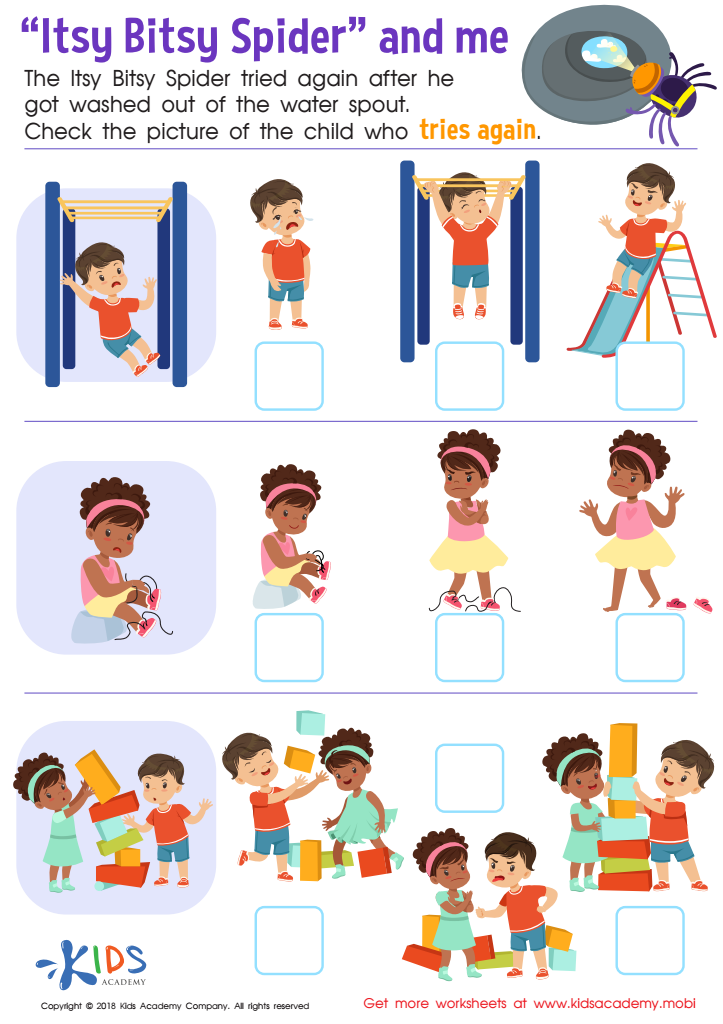
Itsy Bitsy Spider and Me Worksheet
 Assign to My Students
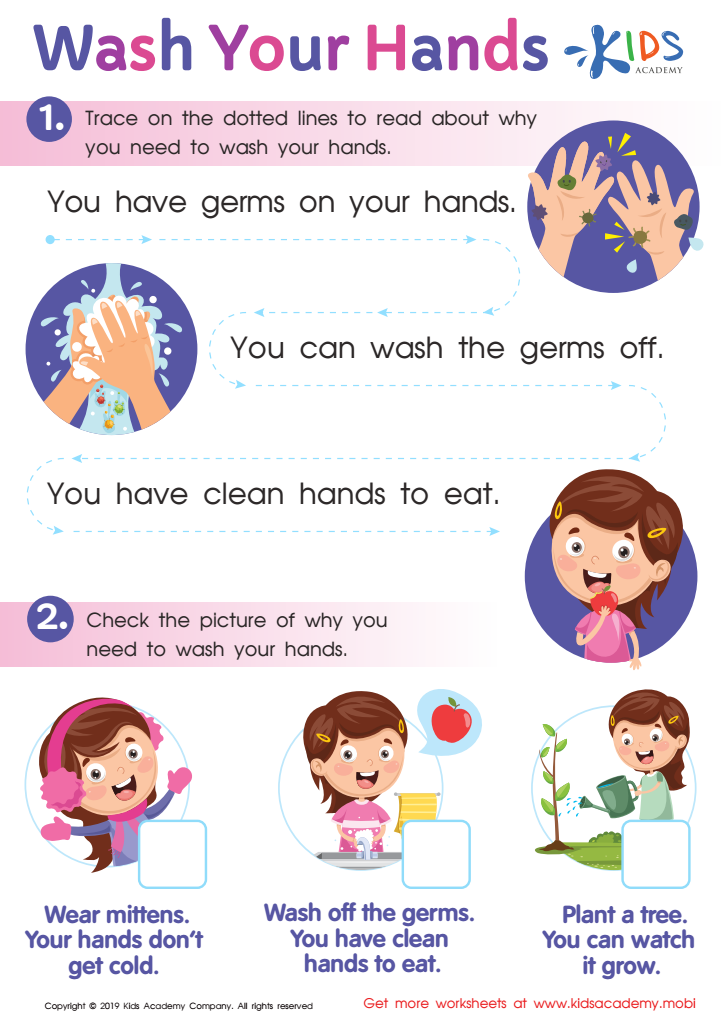
Wash Your Hands Worksheet
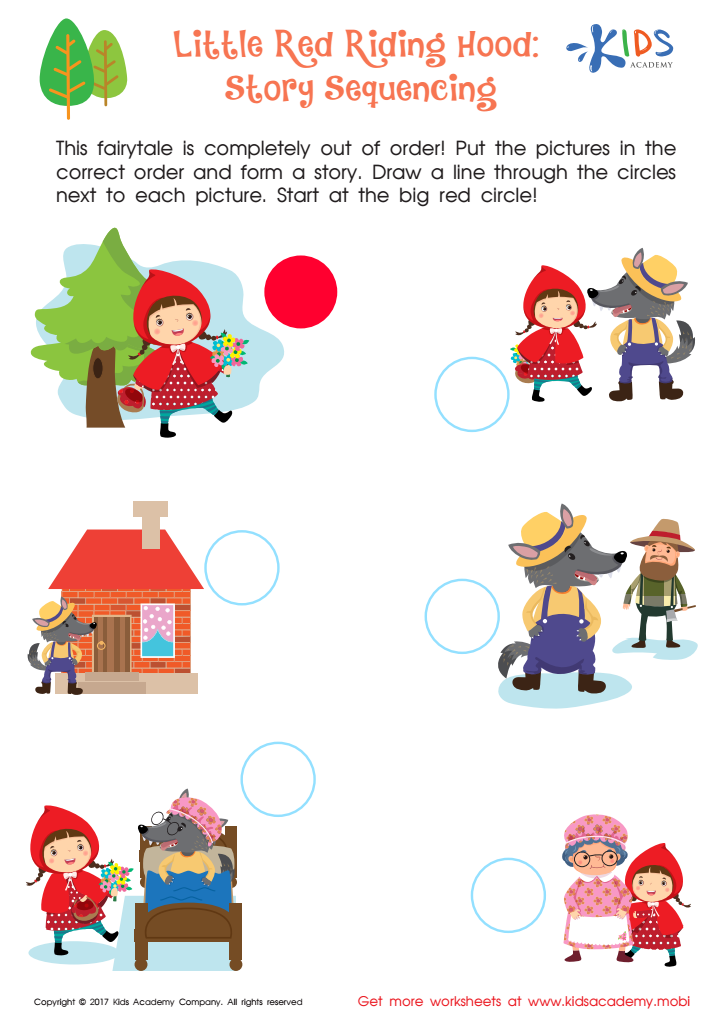
Story Sequencing Printable
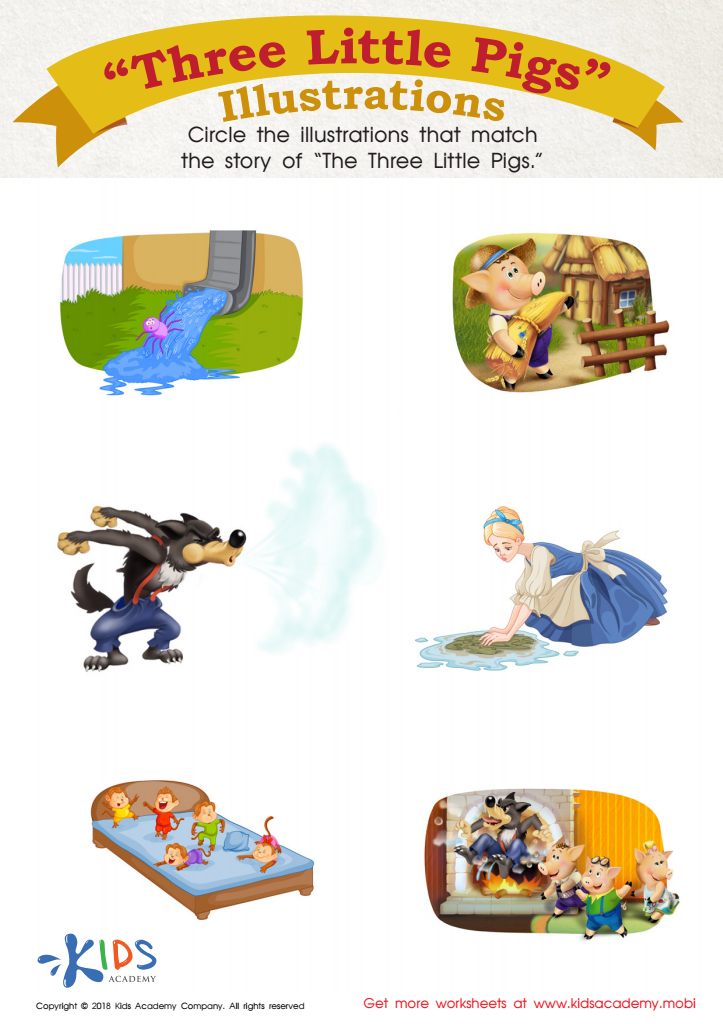
Three Little Pigs: Illustrations Worksheet
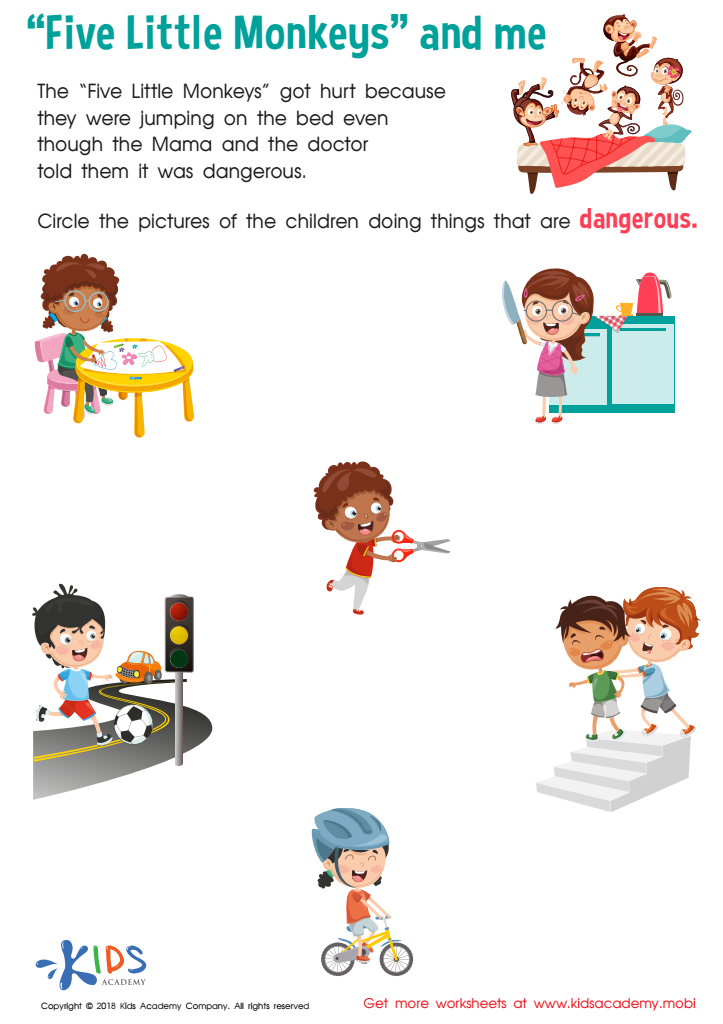
Five Little Monkeys and Me Worksheet








Sequencing skills are essential for young learners, especially when engaging with fiction for ages 3-6. These skills help children understand the order of events in a story, which is crucial for comprehension. When parents and teachers focus on developing sequencing skills, they enable children to follow and narrate a story accurately, enhancing their cognitive and language abilities.
At this tender age, grasping the sequence of events helps build a foundation for more complex literacy skills. It allows children to recognize patterns, understand cause and effect, and predict outcomes, all of which contribute to better problem-solving abilities. By understanding the beginning, middle, and end of a story, children learn to think logically and organize their thoughts sequentially—a skill that benefits them academically and in everyday life.
Moreover, sequencing enhances memory and attention to detail. As children retell stories in the correct order, they become more engaged and develop a sense of narrative structure. This engagement fosters a love for reading and boosts their confidence in language use.
In essence, nurturing sequencing skills in early childhood setting supports overall educational development, laying a groundwork for lifelong learning and academic success, and encourages a more profound interaction with and enjoyment of reading fiction. Parents and teachers have a key role in encouraging and guiding this developmental milestone.








