Shape Recognition Reading Fiction Worksheets for Ages 3-6
3 filtered results
-
From - To
Unlock your child's imagination and cognitive development with our Shape Recognition Reading Fiction Worksheets designed for ages 3-6! These engaging printables blend fun storytelling with essential learning skills, helping young learners identify and differentiate shapes while they explore exciting narratives. Each worksheet encourages creativity and comprehension through colorful illustrations and age-appropriate texts. These activities not only make learning enjoyable but also foster early literacy and critical thinking. Cultivate your child's love for reading and shape recognition together—perfect for preschoolers and kindergarteners! Dive into a world of imaginative learning and watch your little ones grow with each fascinating worksheet!
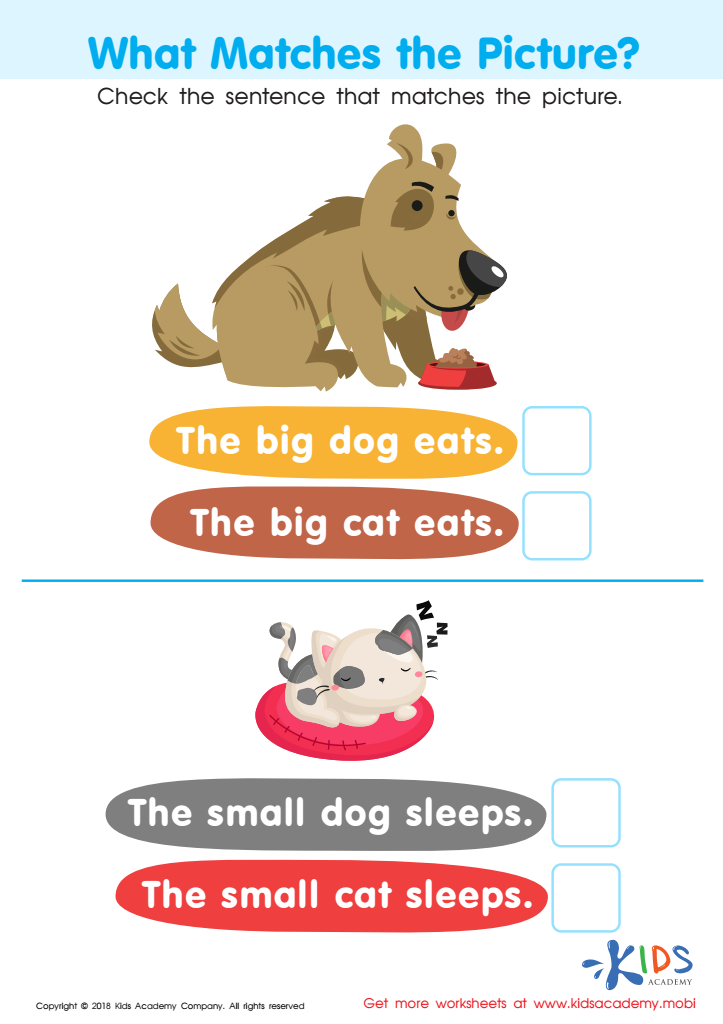
What Matches the Picture? Worksheet
 Assign to My Students
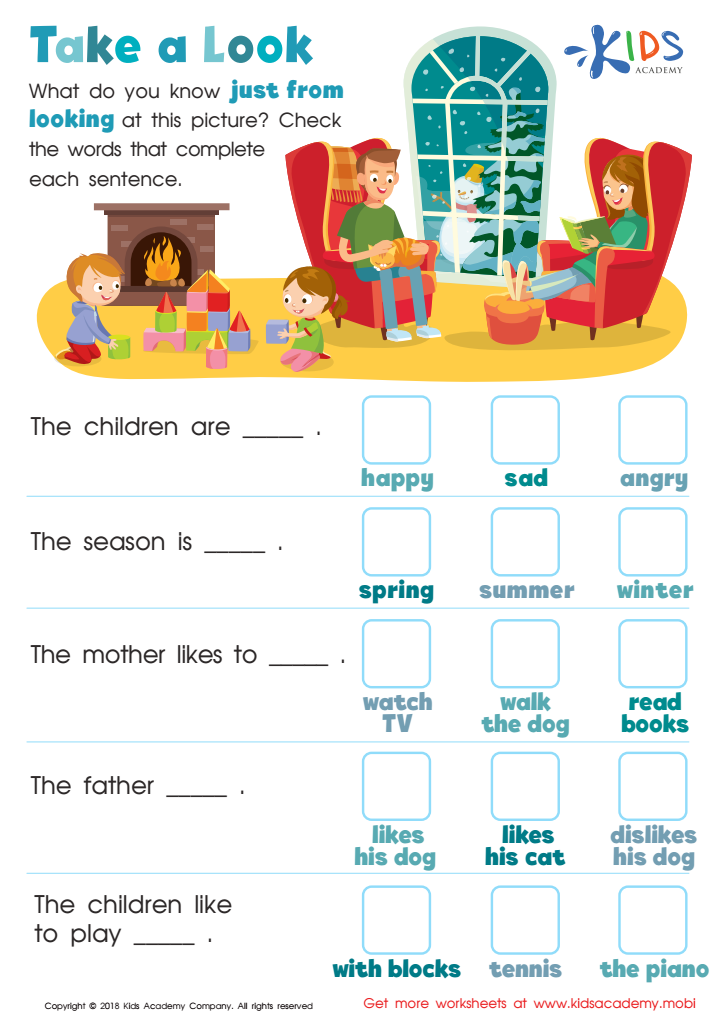
Take a Look - Part 1 Worksheet
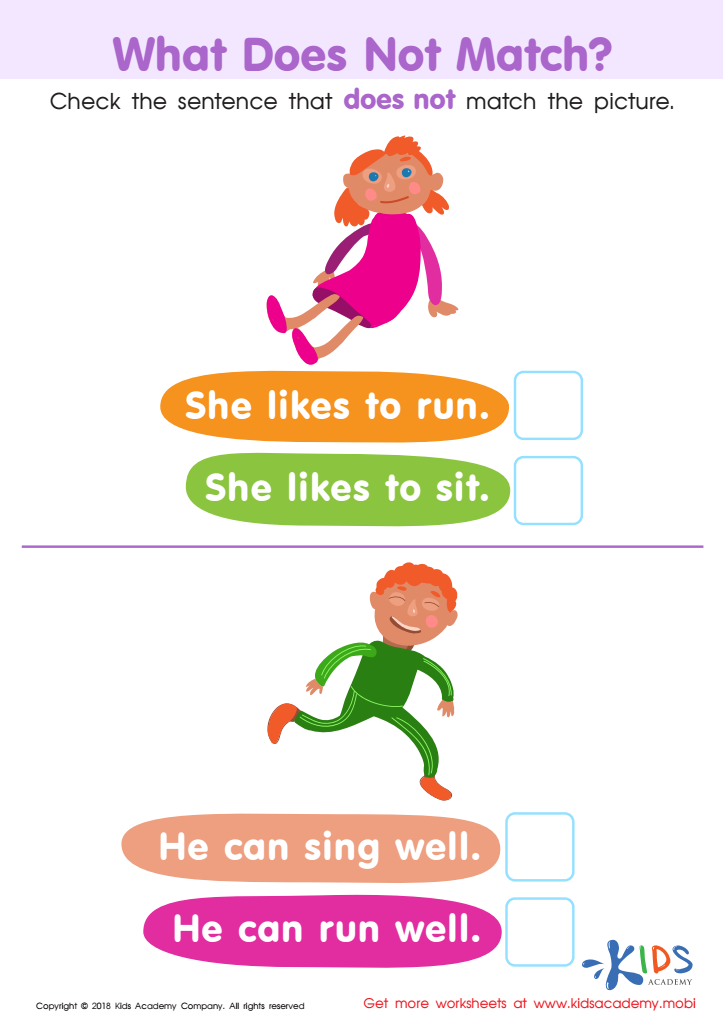
What Does Not Match? Worksheet



.jpg)




Shape recognition is a crucial foundational skill for young children, particularly those aged 3-6 years, and it plays an essential role in their literacy development. Parents and teachers should prioritize this skill as it plays a significant role in cognitive development, encouraging children's ability to recognize patterns and symbols, which are vital components of reading and writing.
As children learn to identify shapes, they begin to make connections between visual elements and the letters and words they will encounter in fiction. This foundational understanding of geometry fosters spatial awareness and enhances problem-solving skills that are directly applicable to reading comprehension. Moreover, engaging with fiction that incorporates shape recognition can make learning enjoyable and interactive, spurring children's imaginations and aiding language acquisition.
Additionally, early exposure to shape recognition through imaginative storybooks encourages cooperative play and discussion, fostering social skills as children collaborate to identify shapes in illustrations and narratives. For parents and teachers, integrating shape recognition into reading activities aligns educational goals while nurturing a love for literature. Ultimately, promoting shape recognition in early childhood sets the stage for successful literacy skills, critical thinking, and overall academic achievement, making it vital for parental and teacher engagement.








