Color Identification Sight Words Worksheets for Ages 3-6
3 filtered results
Difficulty Level
Grade
Age
-
From - To
Subject
Activity
Standards
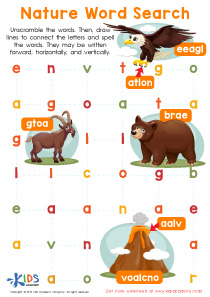
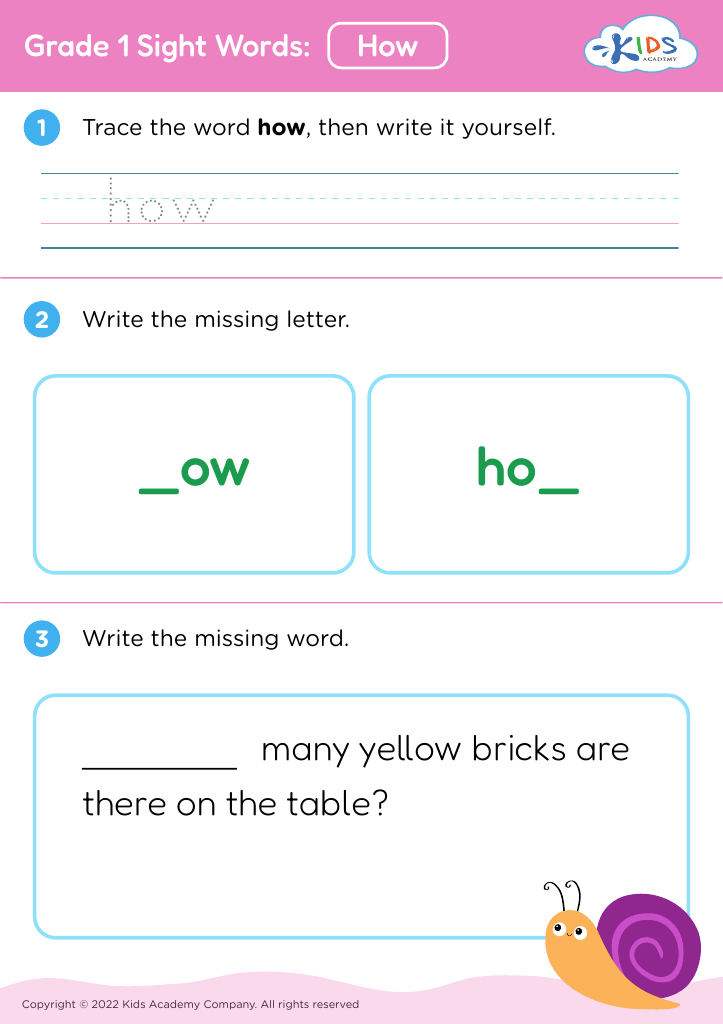
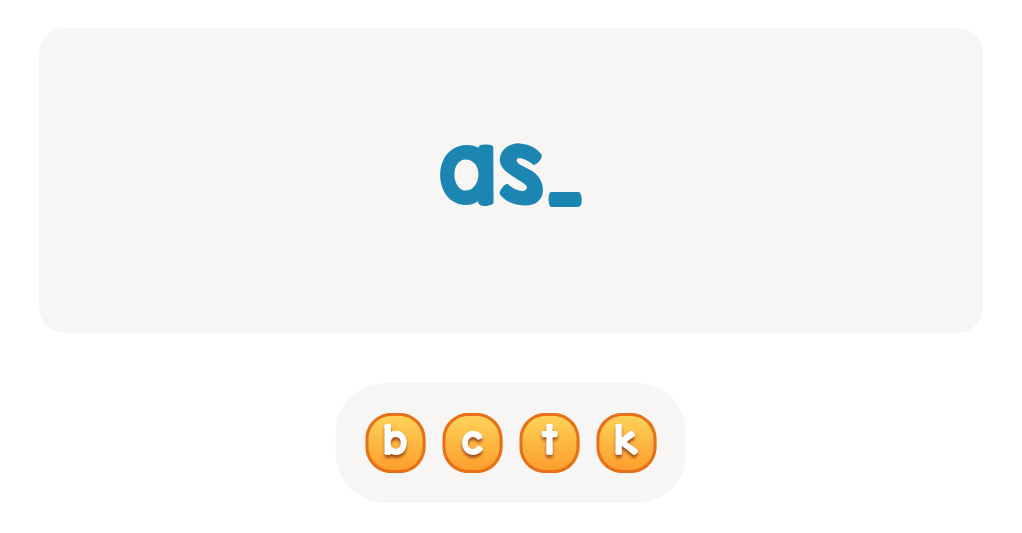
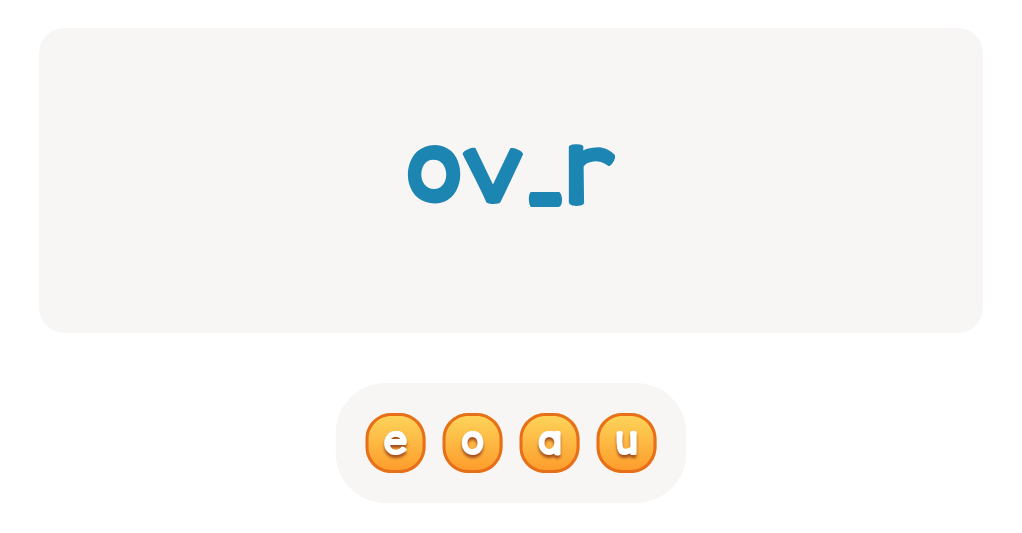
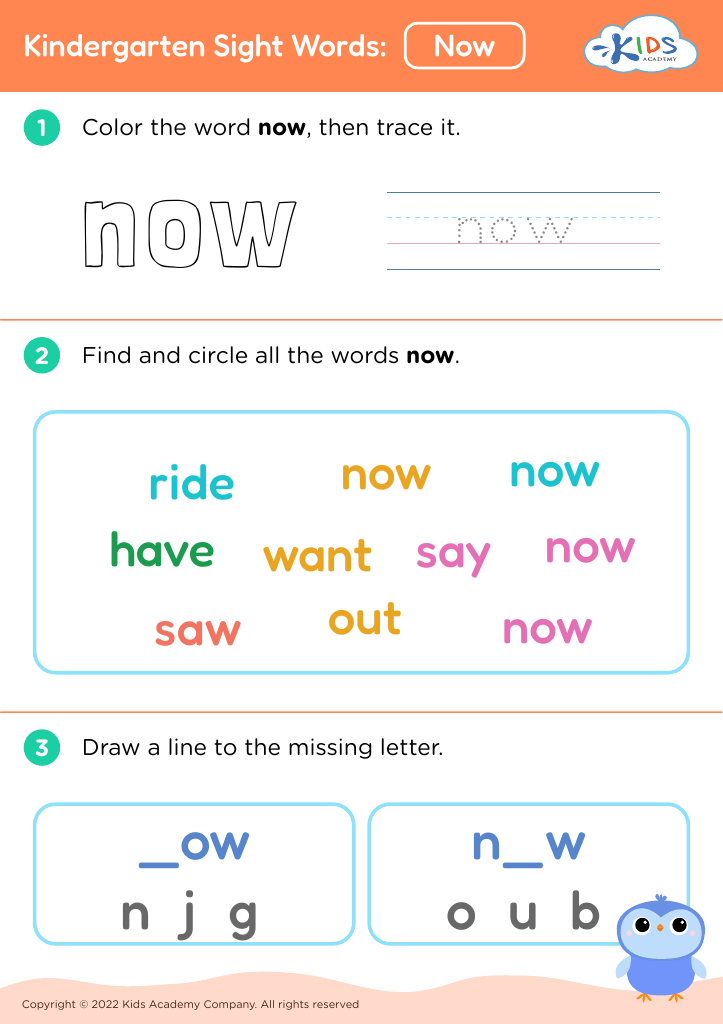
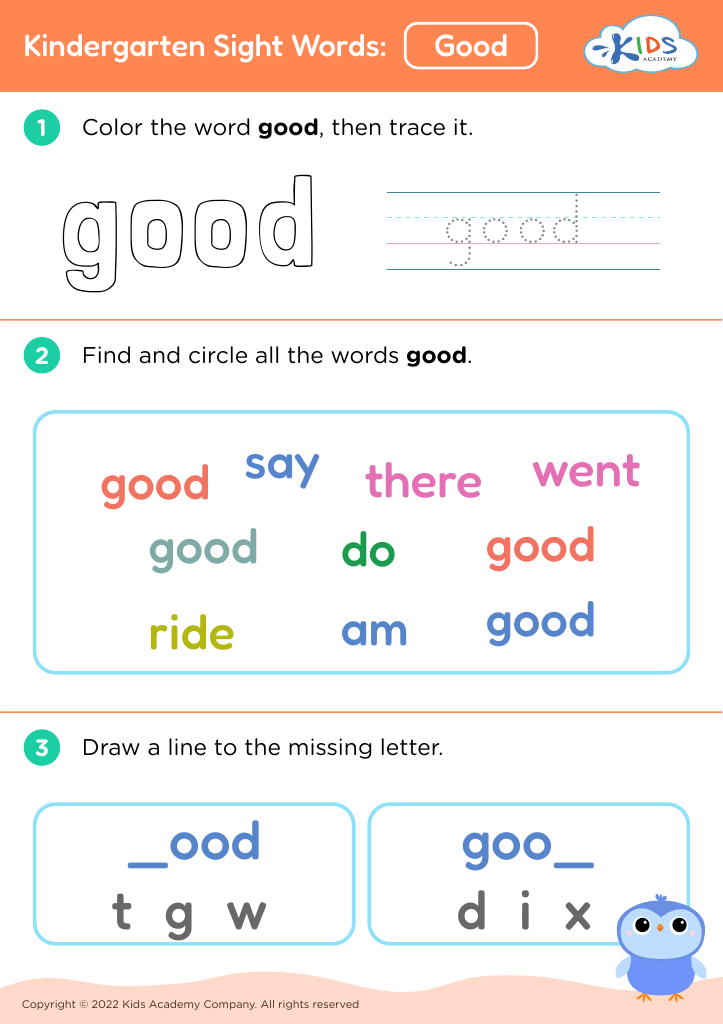
Color Identification Sight Words Worksheets for Ages 3-6 provide an engaging way for young learners to enhance their literacy skills while exploring the vibrant world of colors. These worksheets are designed to help preschool and kindergarten-aged children recognize essential sight words while associating them with corresponding colors. Fun activities such as color matching, tracing, and coloring foster visual recognition and fine motor skills. Additionally, each worksheet incorporates playful themes to captivate children's interest and encourage interactive learning. Perfect for at-home or classroom use, our resources lay the foundation for literacy in a playful and colorful way, making learning an enjoyable adventure!
Favorites
With answer key
Interactive





Join Kids Academy for Free
Who is primarily going to use this learning content?








Color Identification Sight Words are vital for early childhood development, particularly for children aged 3-6. At this stage, children are usually immersed in their first experiences with language and literacy, the foundational skills that pave the way for future learning. Color words—like “red,” “blue,” and “green”—are among the simplest and most concrete words children encounter. They help young learners build vocabulary, improve reading fluency, and enhance their ability to recognize words in context.
Moreover, integrating color identification into activities not only captivates children's attention but also supports cognitive development through engaging visual learning. Recognizing colors can facilitate conversations about emotions, nature, and everyday objects, enriching language skills. As children learn with these sight words, they practice associating colors with their meanings, which can foster creativity and critical thinking.
For parents and teachers, using colored objects and materials can make learning dynamic and interactive, catering to different learning styles. Engaging children with color identification sights words builds a solid literacy foundation while also fostering a joyful learning environment. This collaborative journey not only boosts children's confidence but also strengthens the bond between parents, teachers, and their students in fostering lifelong learning.