Equip your young learners with essential math and reading skills using our engaging "Comparing Fractions Sight Words Worksheets for Ages 3-6". These expertly designed worksheets blend the fundamentals of fractions with crucial sight words practice, promoting comprehensive learning. Ideal for preschool and early elementary students, the activities make comparing fractions simple and enjoyable, enhancing number sense and vocabulary simultaneously. Through interactive tasks such as matching, coloring, and tracing, kids are encouraged to confidently grasp basic math concepts while boosting their reading fluency. Perfect for classroom or at-home learning, these worksheets lay a strong foundation for future academic success.
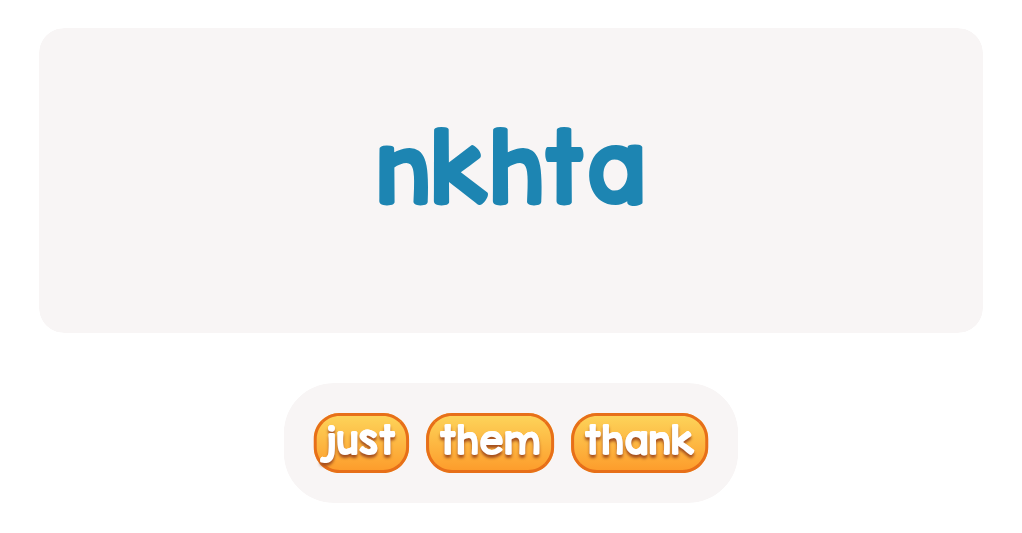
Check out this FREE Trial Lesson on Sight Words for age 3-6!

Short and Long Vowel Sort

Favorites
With answer key
Interactive
  • 3-6
  • Comparing Fractions
  • Sight Words
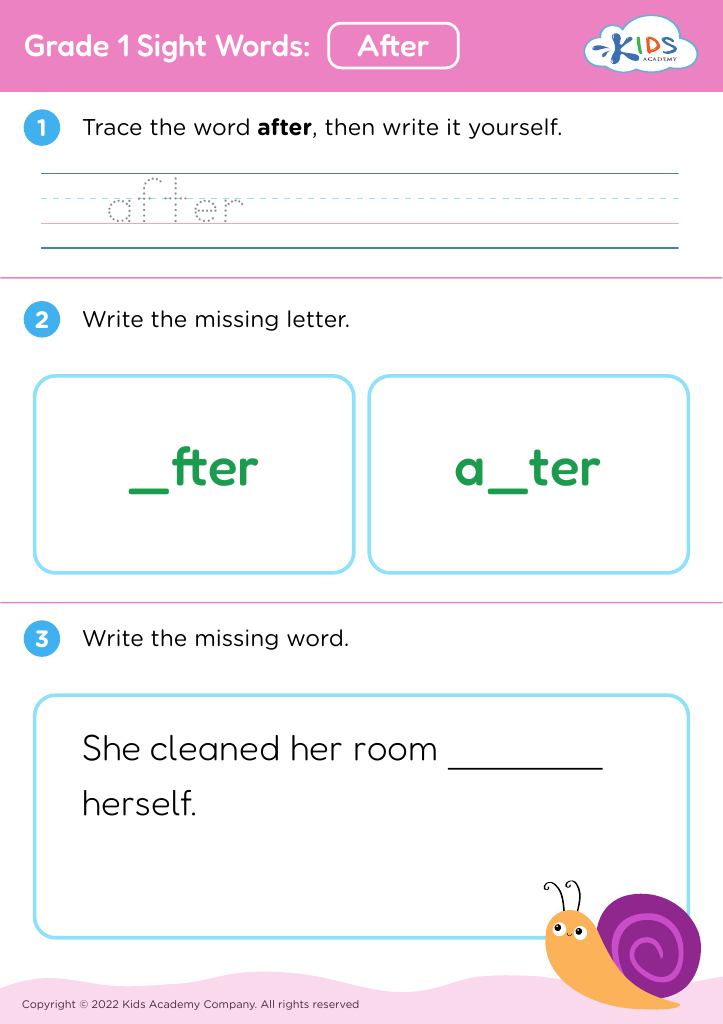
Grade 1 Sight Words: After

Grade 1 Sight Words: After

Grade 1 Sight Words: After
Worksheet
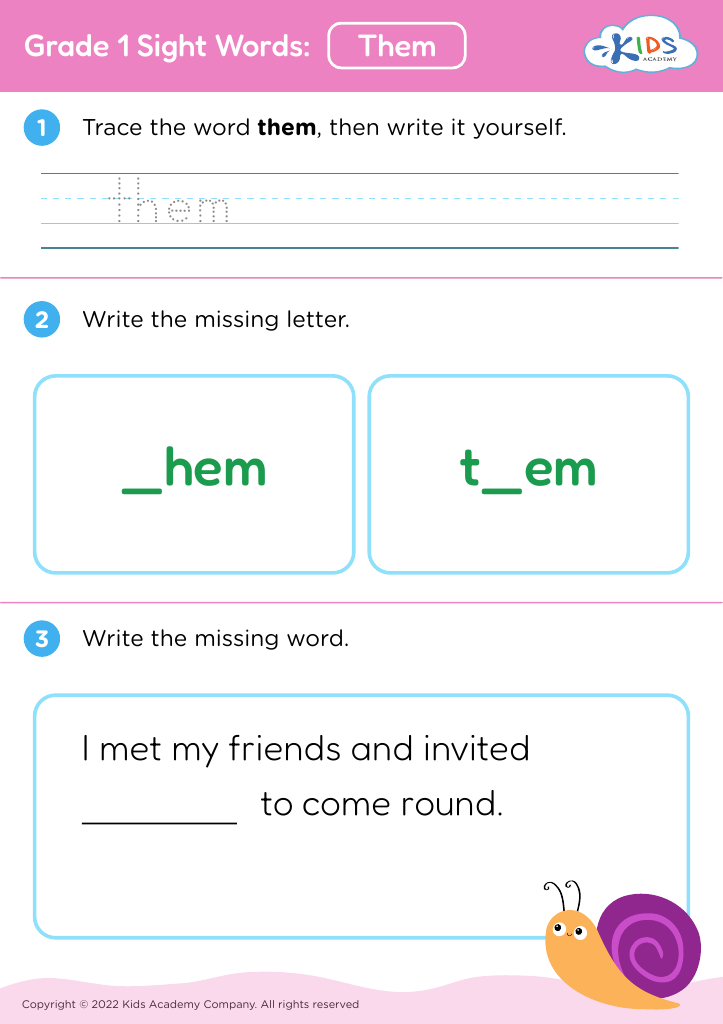
Grade 1 Sight Words: Them

Grade 1 Sight Words: Them

Grade 1 Sight Words: Them
Worksheet
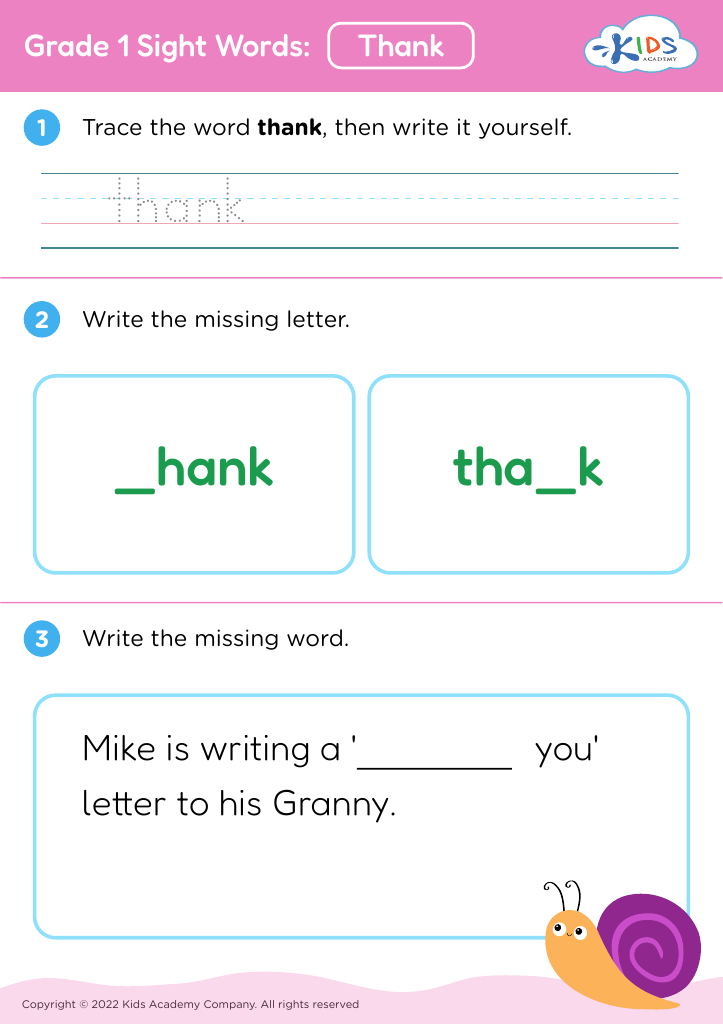
Grade 1 Sight Words: Thank

Grade 1 Sight Words: Thank

Grade 1 Sight Words: Thank
Worksheet
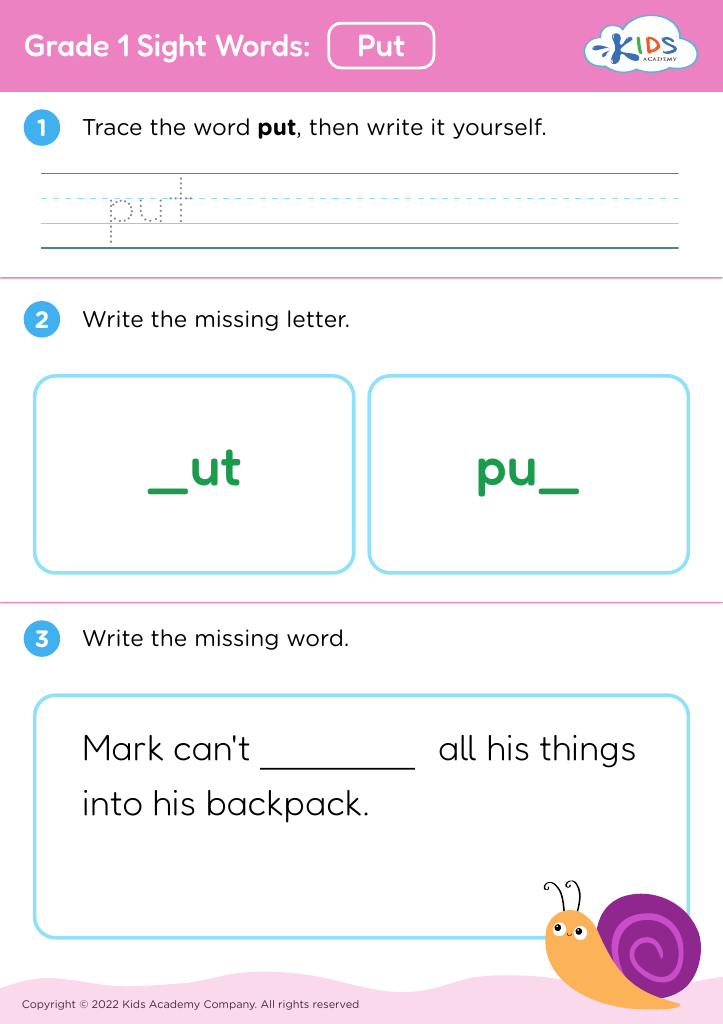
Grade 1 Sight Words: Put

Grade 1 Sight Words: Put

Grade 1 Sight Words: Put
Worksheet
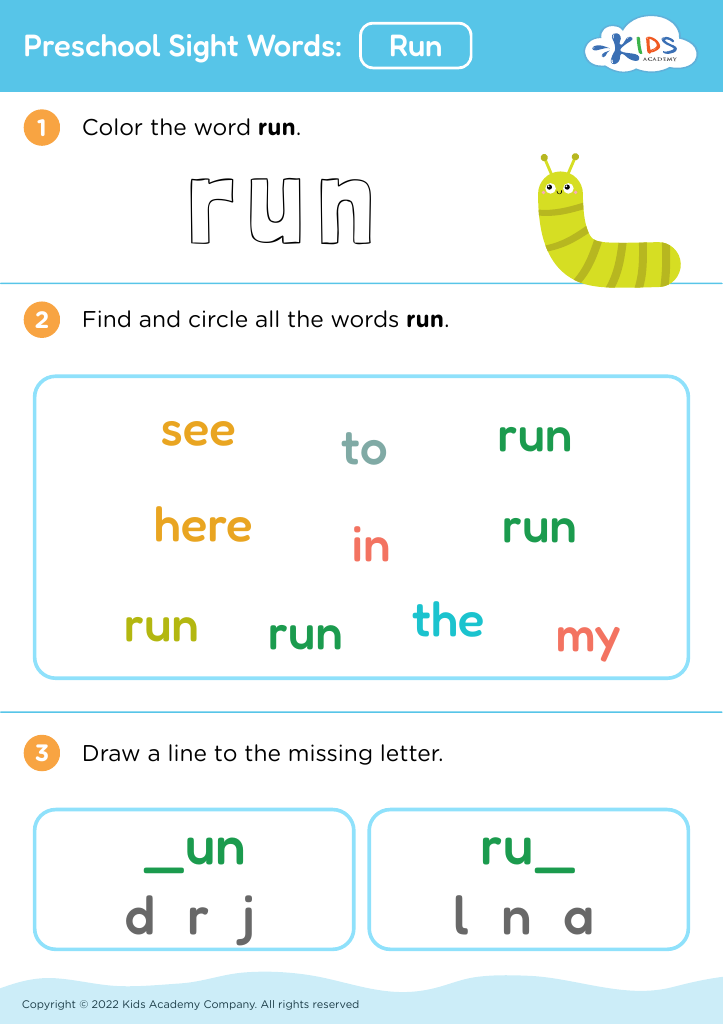
Preschool Sight Words: Run

Preschool Sight Words: Run

Preschool Sight Words: Run
Worksheet
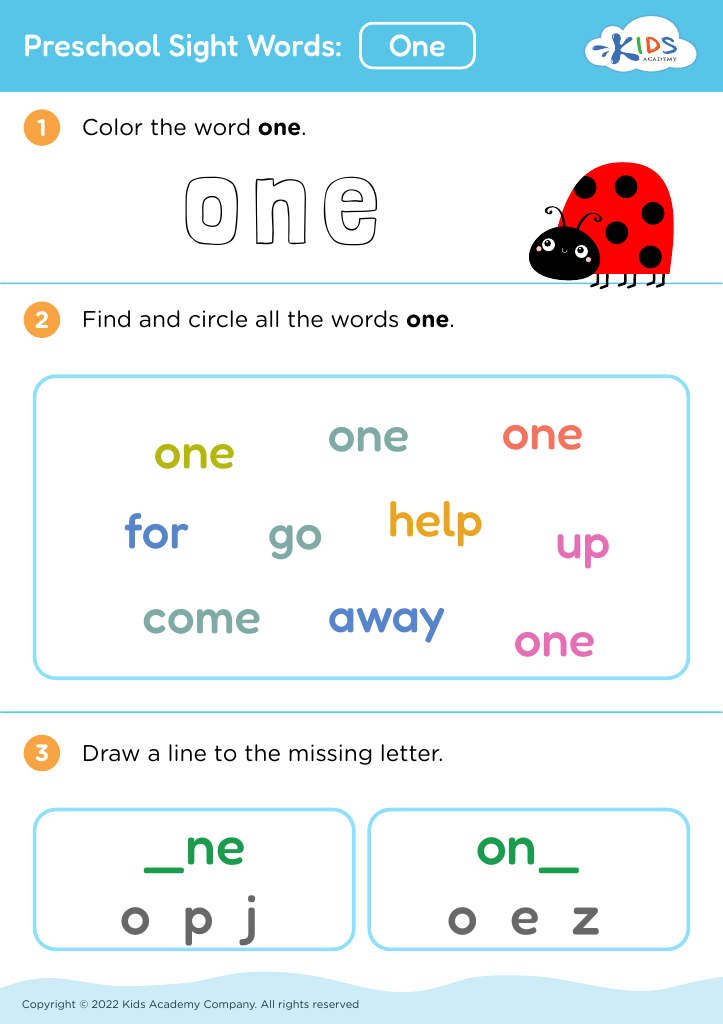
Preschool Sight Words: One

Preschool Sight Words: One

Preschool Sight Words: One
Worksheet
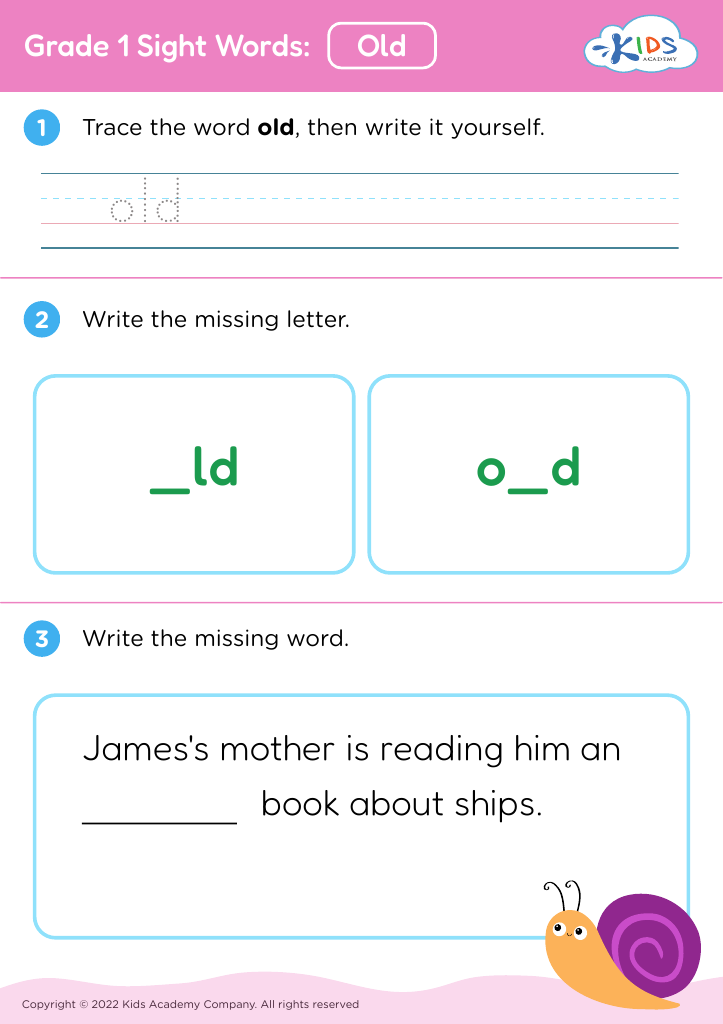
Grade 1 Sight Words: Old

Grade 1 Sight Words: Old

Grade 1 Sight Words: Old
Worksheet
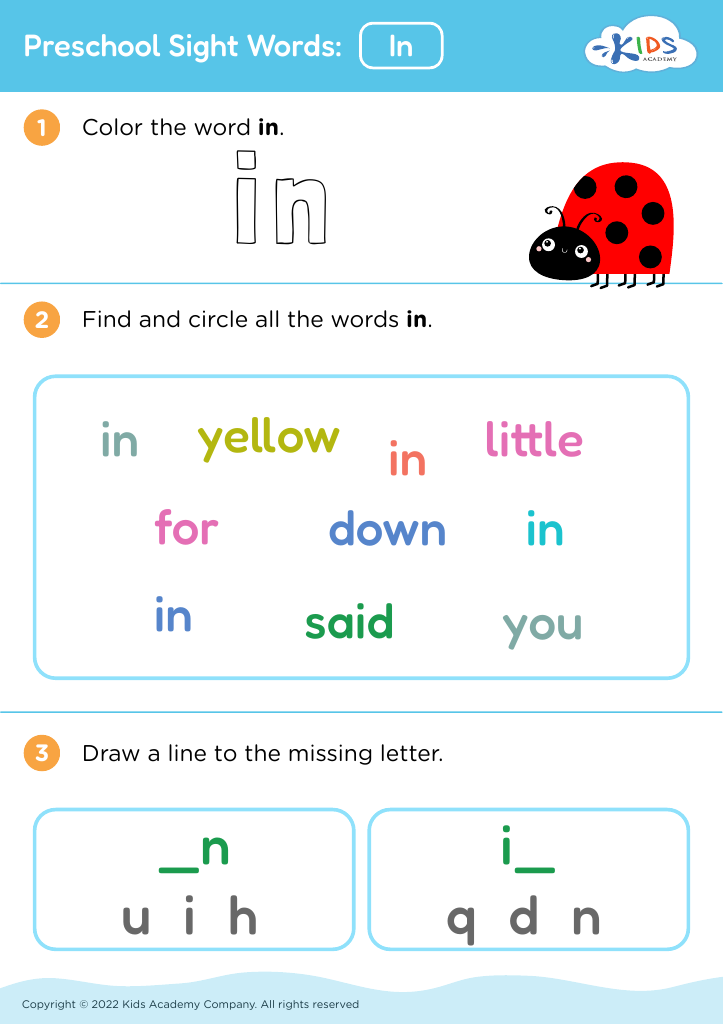
Preschool Sight Words: In

Preschool Sight Words: In

Preschool Sight Words: In
Worksheet
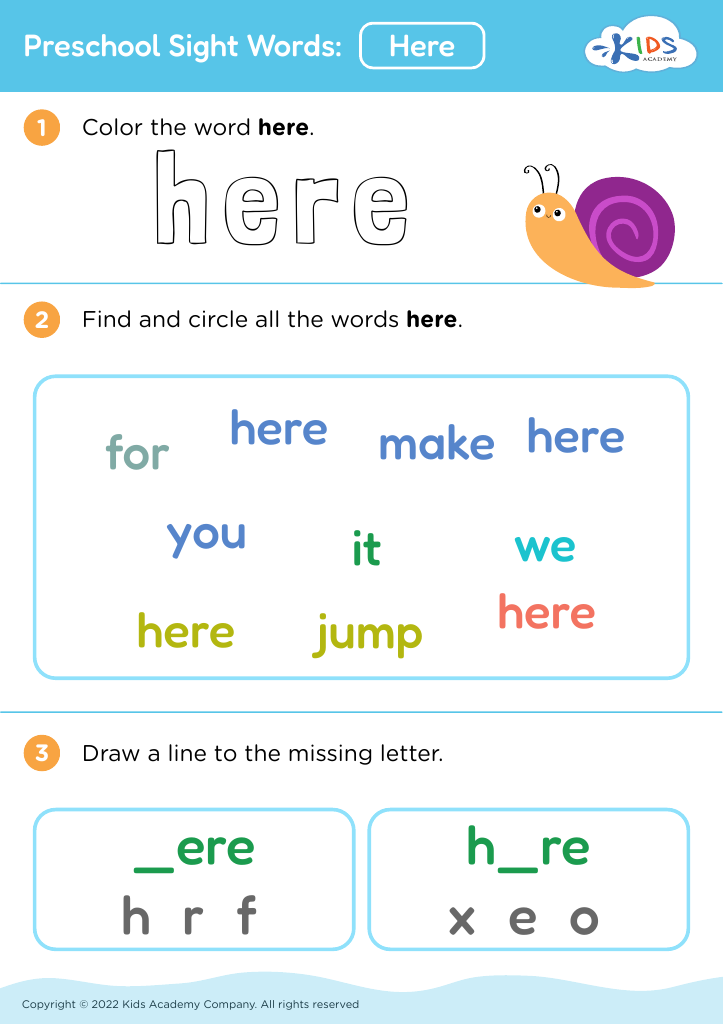
Preschool Sight Words: Here

Preschool Sight Words: Here

Preschool Sight Words: Here
Worksheet
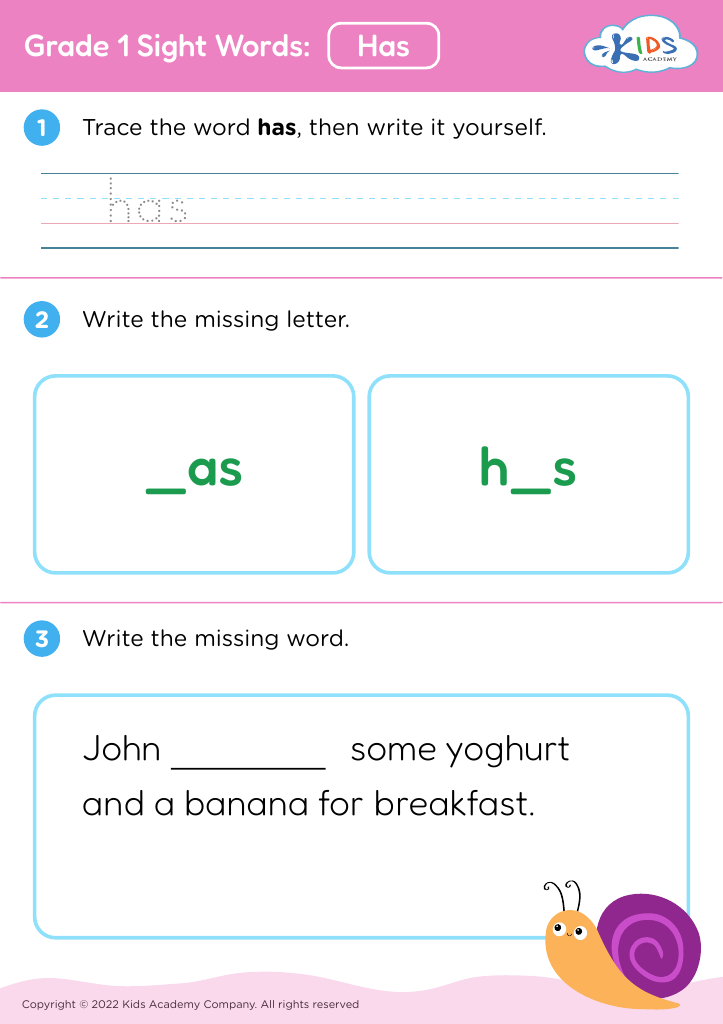
Grade 1 Sight Words: Has

Grade 1 Sight Words: Has

Grade 1 Sight Words: Has
Worksheet
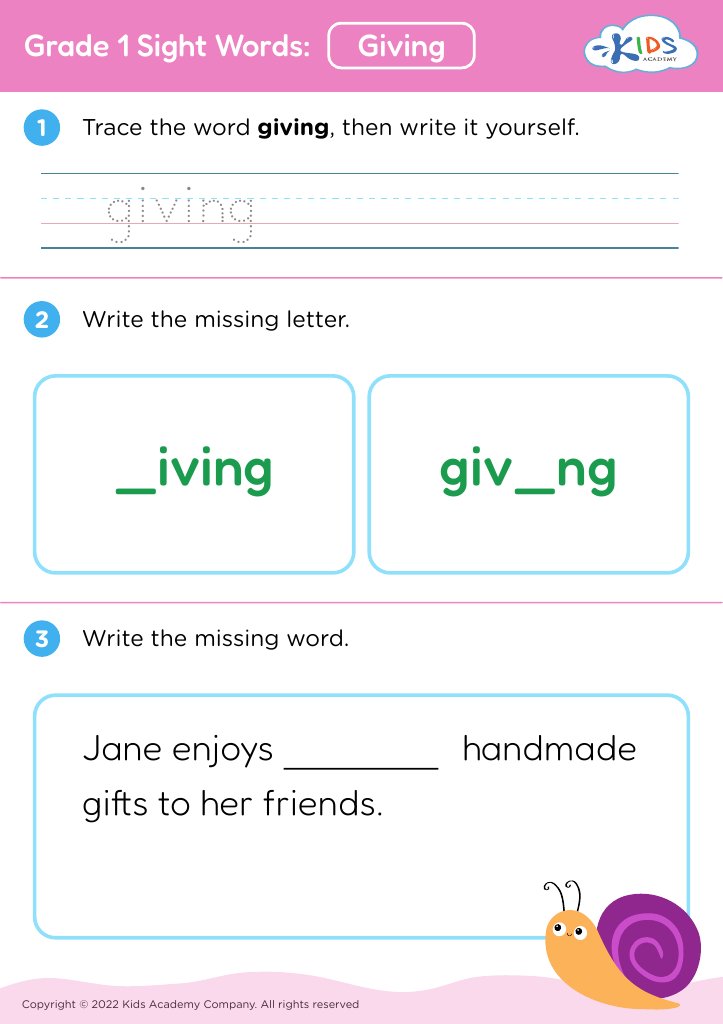
Grade 1 Sight Words: Giving

Grade 1 Sight Words: Giving

Grade 1 Sight Words: Giving
Worksheet
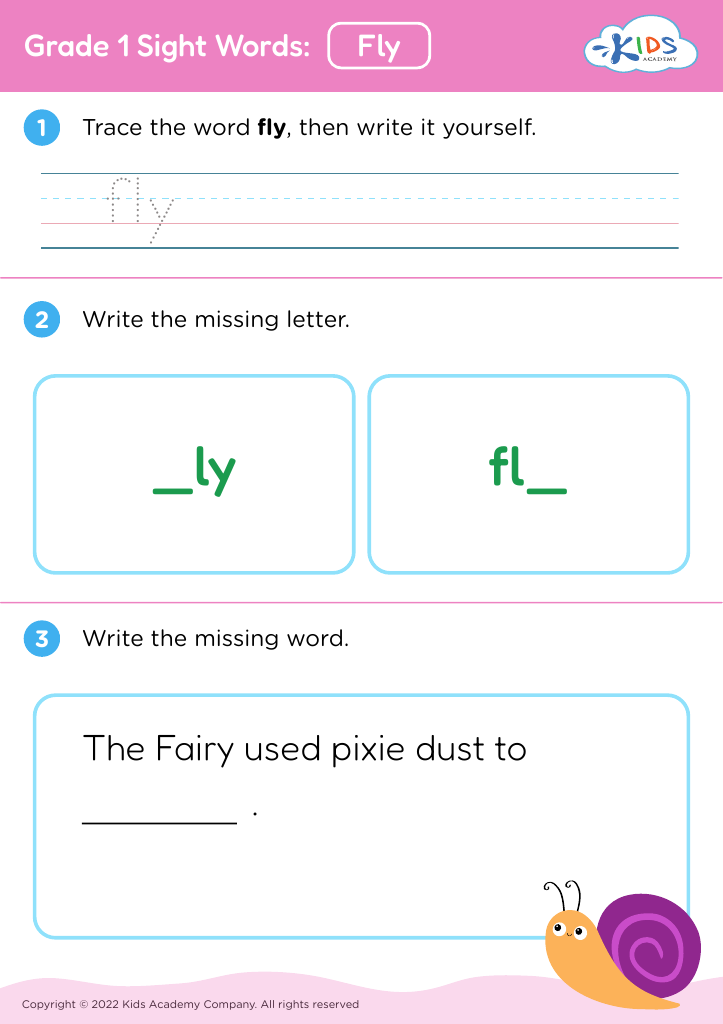
Grade 1 Sight Words: Fly

Grade 1 Sight Words: Fly

Grade 1 Sight Words: Fly
Worksheet
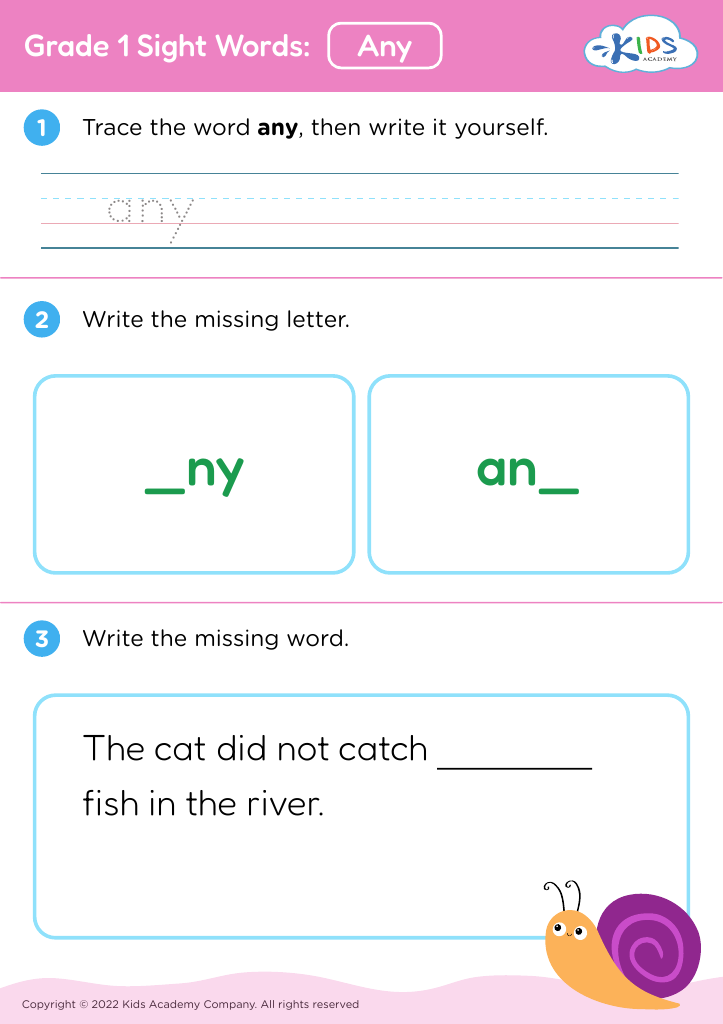
Grade 1 Sight Words: Any

Grade 1 Sight Words: Any

Grade 1 Sight Words: Any
Worksheet
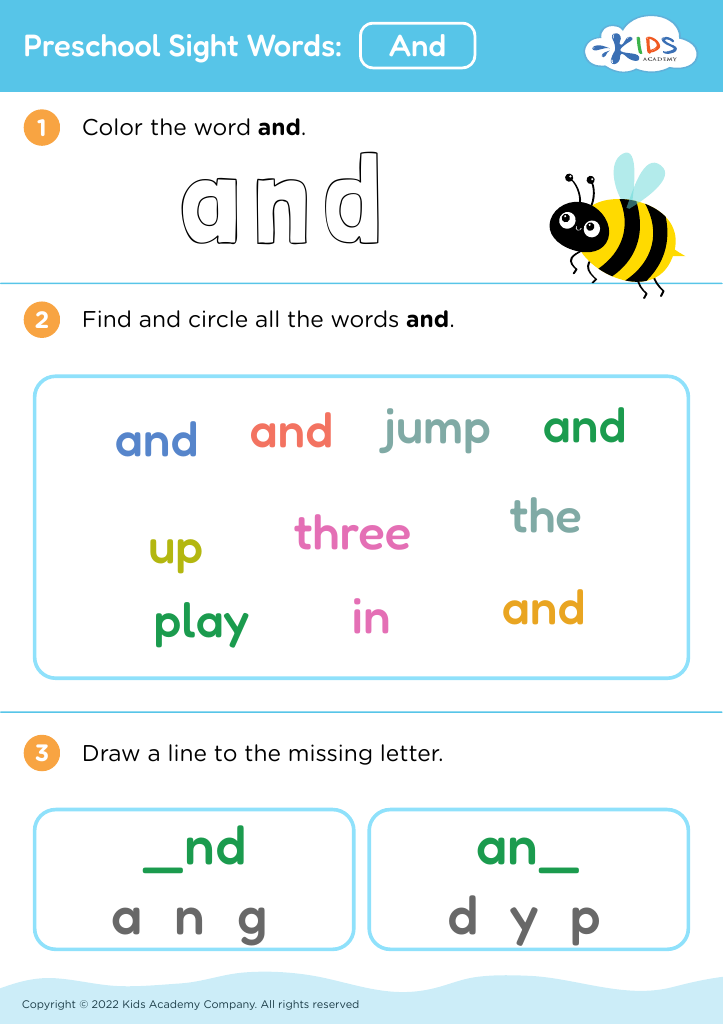
Preschool Sight Words: And

Preschool Sight Words: And

Preschool Sight Words: And
Worksheet
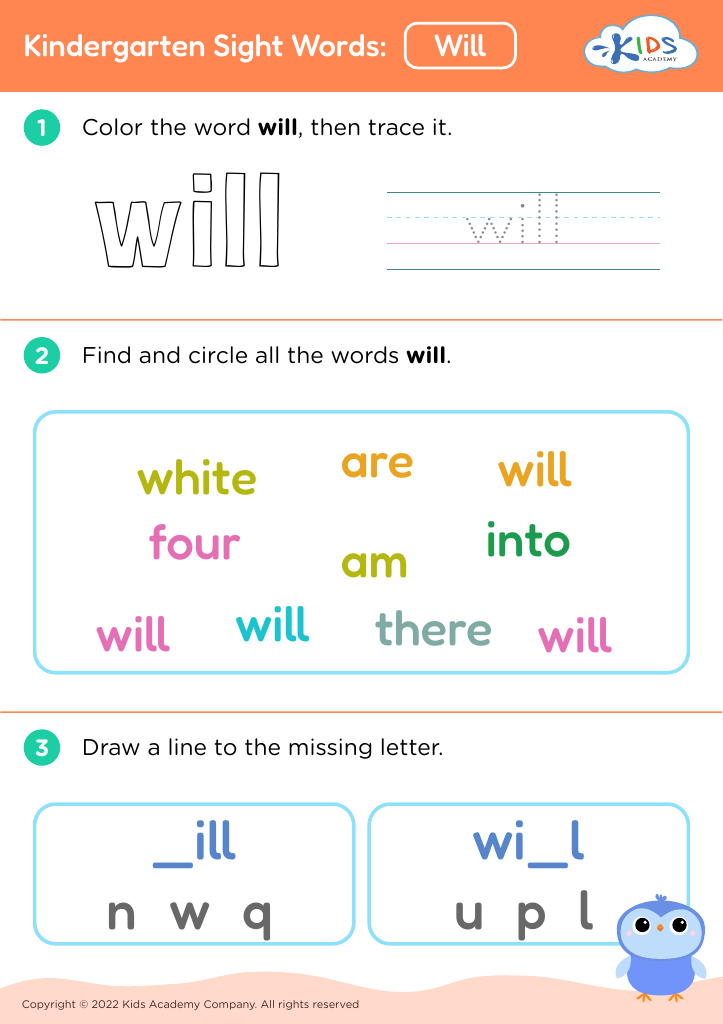
Kindergarten Sight Words: Will

Kindergarten Sight Words: Will

Kindergarten Sight Words: Will
Worksheet
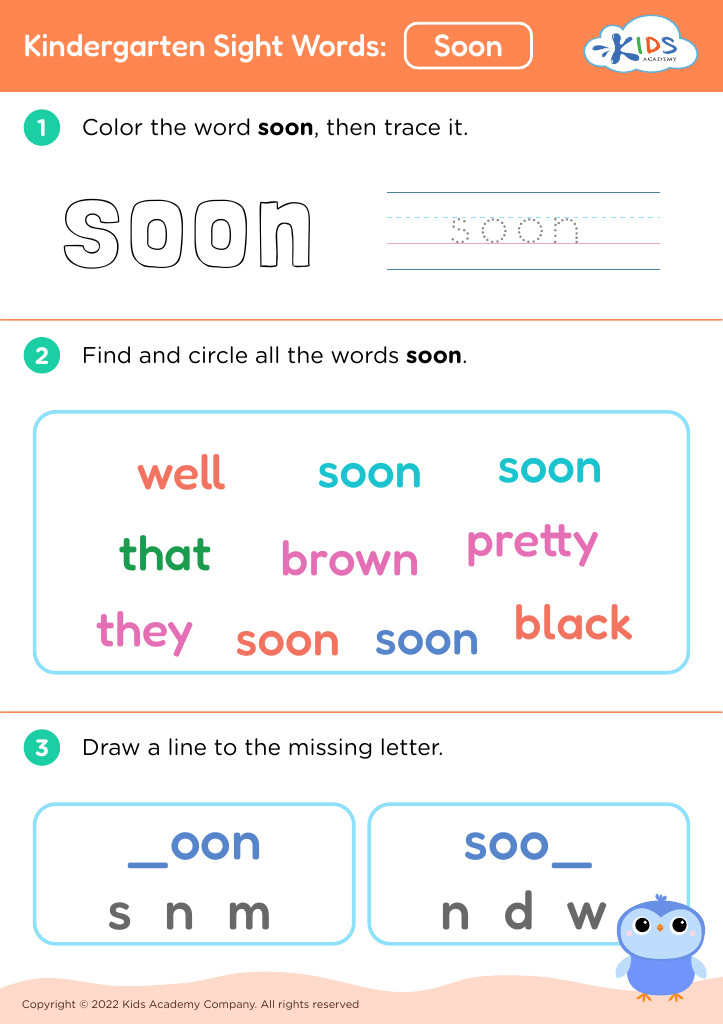
Kindergarten Sight Words: Soon

Kindergarten Sight Words: Soon

Kindergarten Sight Words: Soon
Worksheet
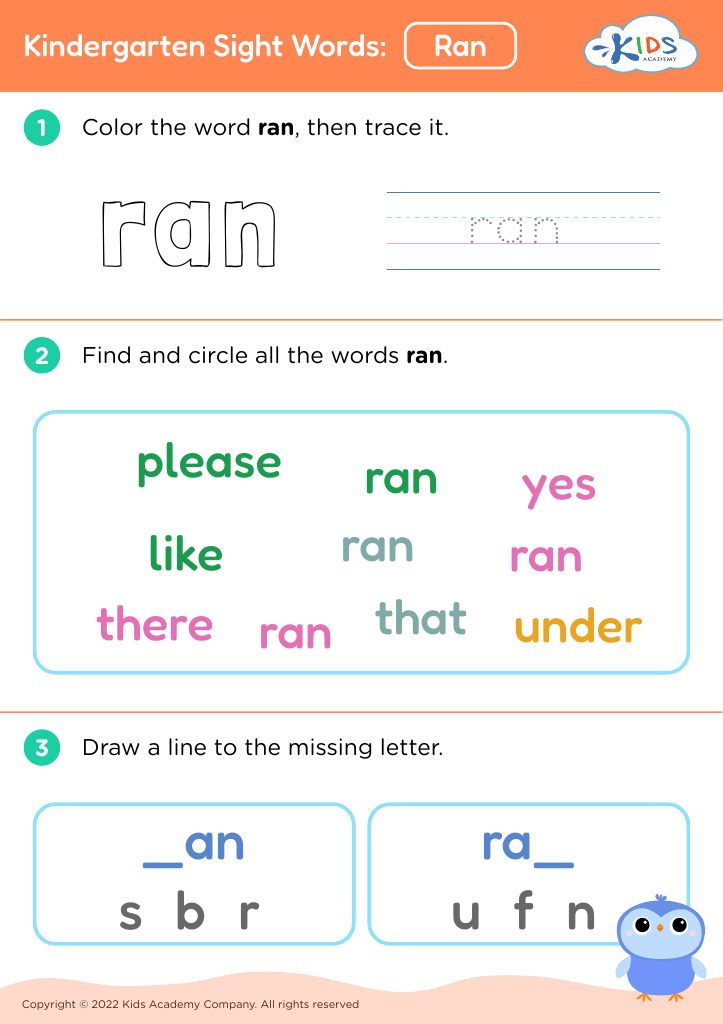
Kindergarten Sight Words: Ran

Kindergarten Sight Words: Ran

Kindergarten Sight Words: Ran
Worksheet
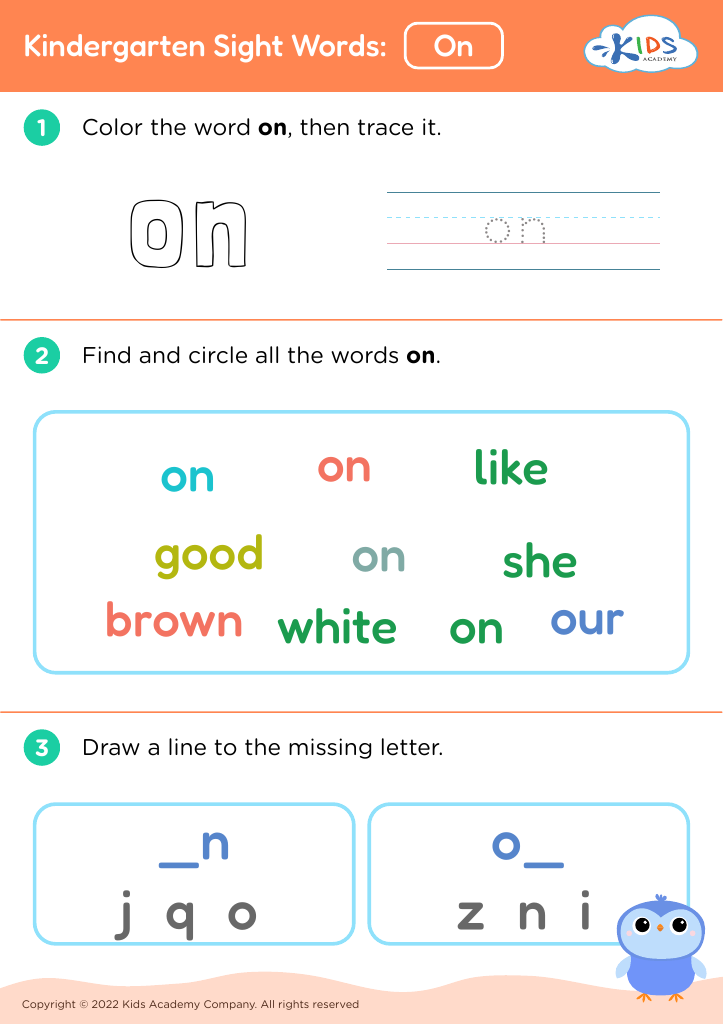
Kindergarten Sight Words: On

Kindergarten Sight Words: On

Kindergarten Sight Words: On
Worksheet
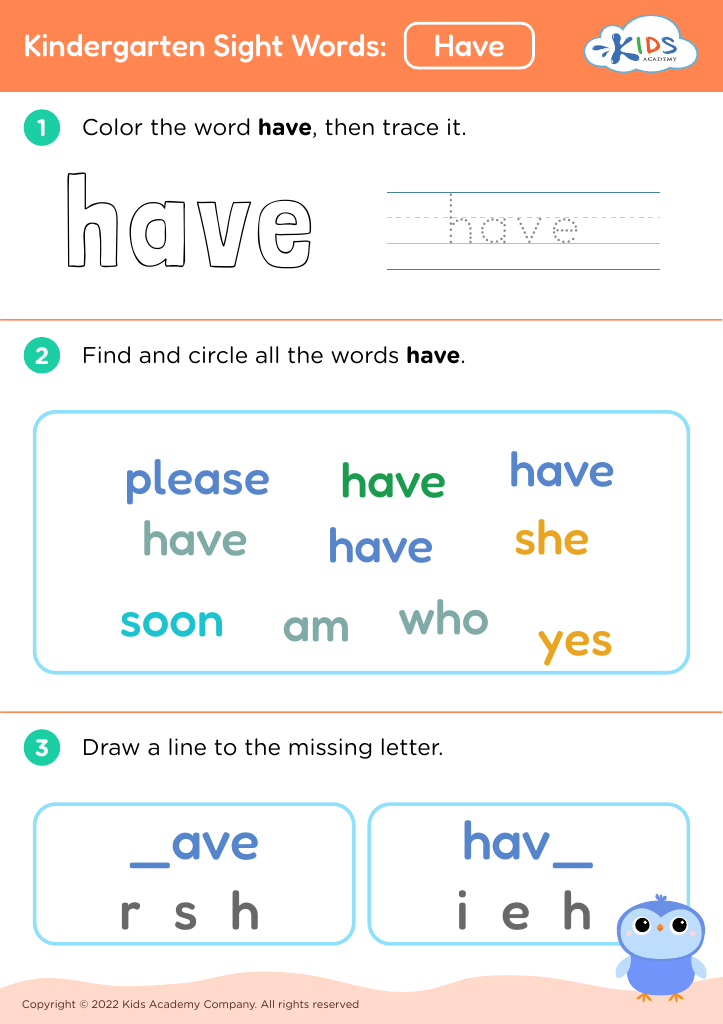
Kindergarten Sight Words: Have

Kindergarten Sight Words: Have

Kindergarten Sight Words: Have
Worksheet
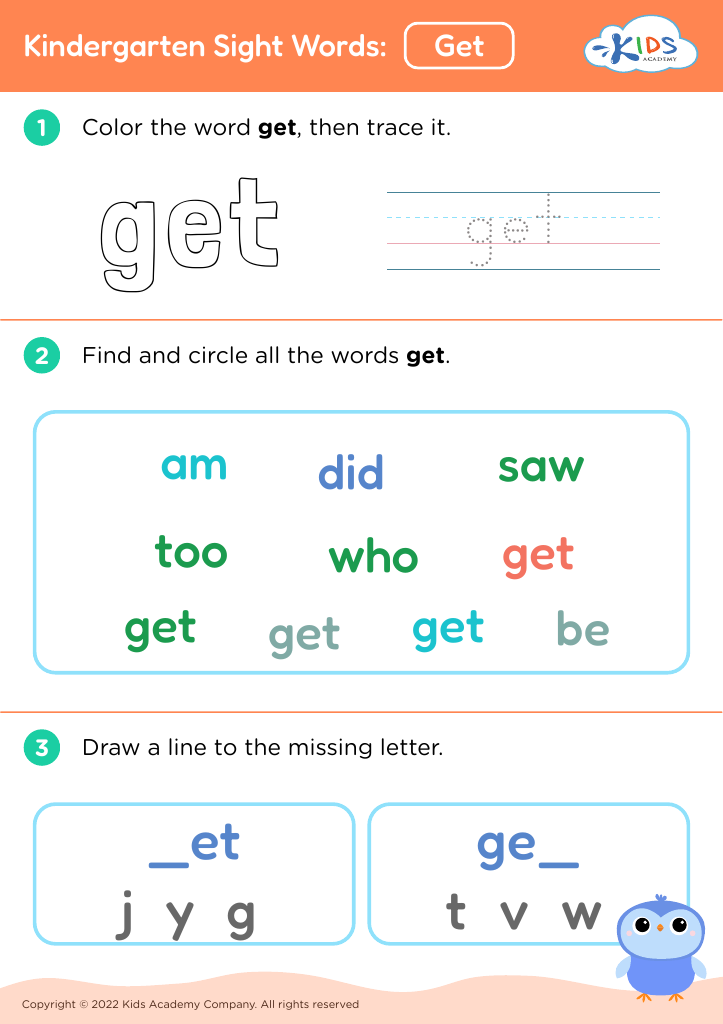
Kindergarten Sight Words: Get

Kindergarten Sight Words: Get

Kindergarten Sight Words: Get
Worksheet
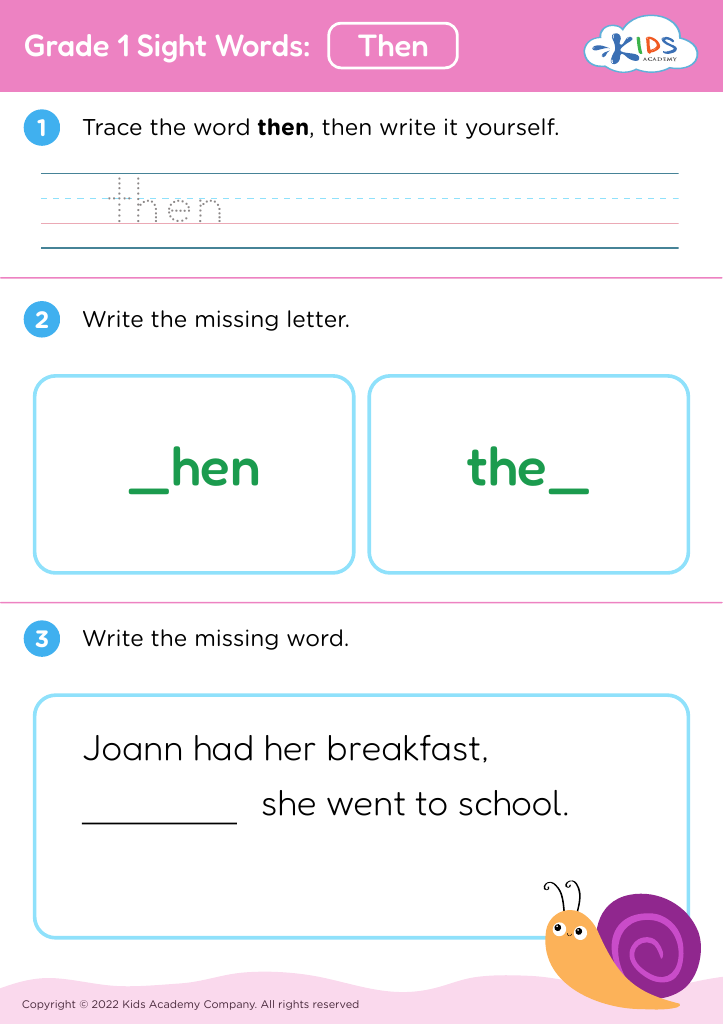
Grade 1 Sight Words: Then

Grade 1 Sight Words: Then

Grade 1 Sight Words: Then
Worksheet
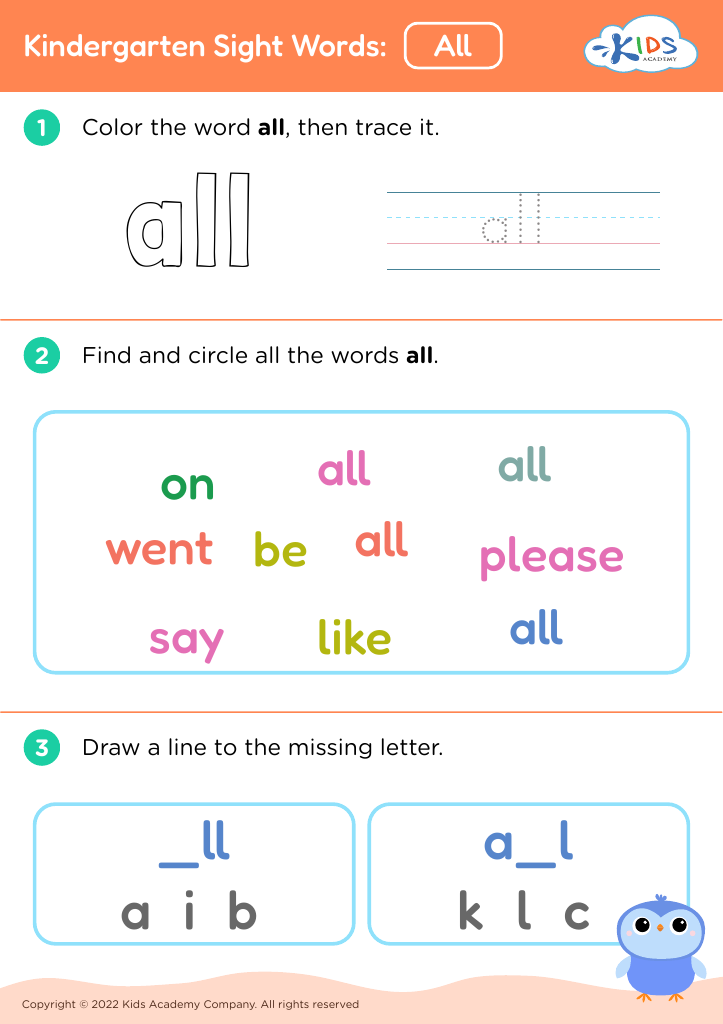
Kindergarten Sight Words: All

Kindergarten Sight Words: All

Kindergarten Sight Words: All
Worksheet


Comparing fractions and sight words form foundational skills crucial for the holistic development of children aged 3-6. These developmental years are incredibly formative, setting the stage for future academic success.
Integrating the skill of comparing fractions even at a basic level helps children develop an early understanding of mathematical concepts. Although true fractions as in "1/2" or "1/3" might be complex, introducing young learners to more/less through everyday objects cultivates their analytical and logical-thinking abilities. Adding a playful element, like comparing the sizes of different shapes or slices of fruit, can make mathematics feel tangible and enjoyable, establishing a positive affinity for the subject early on.
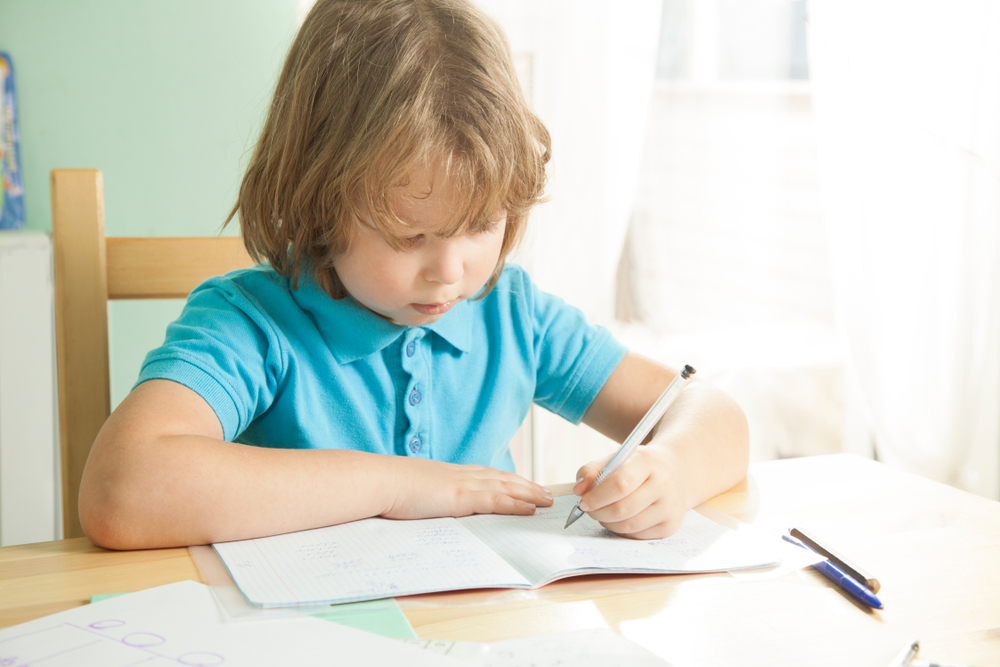

Meanwhile, sight words, which are common words that children are encouraged to recognize on sight rather than decode phonetically, form the backbone of young students' reading skills. Mastery of these frequently occurring words allows children to read more fluently, providing the confidence needed to tackle more complex text later. Efficient reading skills, in turn, affect all areas of learning, extending far beyond mere literacy into broader academic and social arenas.

By attending to comparing fractions and sight words, parents and teachers are equipping their children not only with specific skills but also with a toolkit for critical thinking, problem-solving, and effective communication. These early interventions build a robust foundation, preparing children for more advanced challenges ahead.