Fraction comparison Sight Words Worksheets for Ages 3-6
8 filtered results
-
From - To
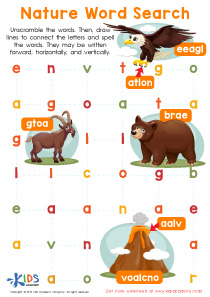
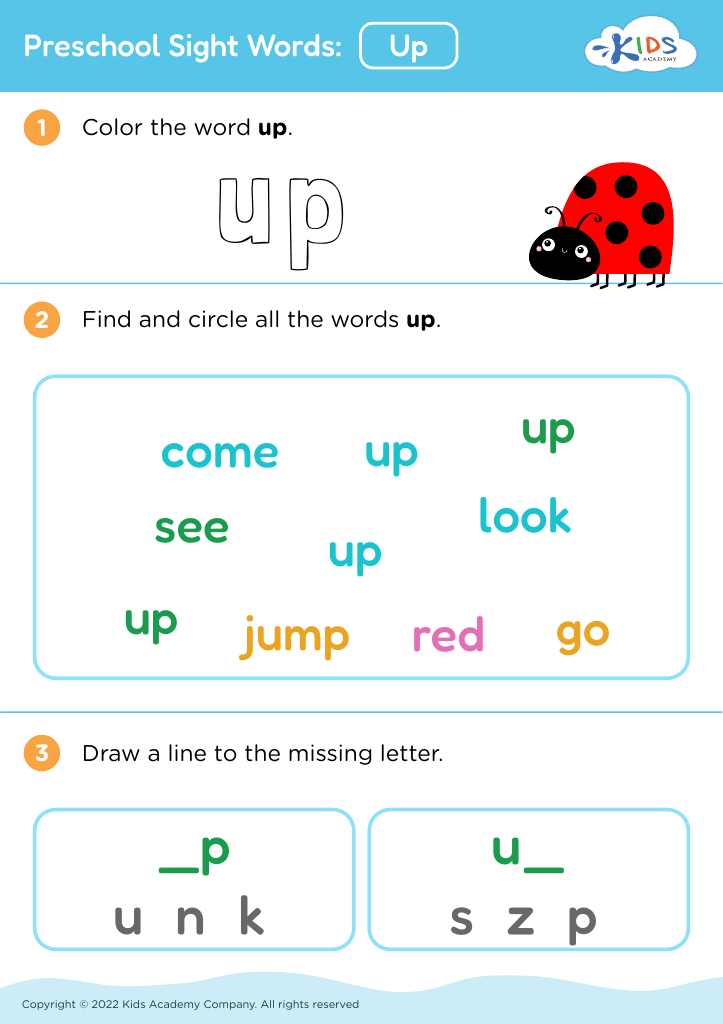
Discover our engaging Fraction Comparison Sight Words Worksheets for children aged 3-6. Designed to blend foundational math skills with essential sight word practice, these worksheets make learning fractions fun and interactive. Your child will enjoy colorful activities that seamlessly integrate recognizing and comparing fractions with reading and writing sight words. Perfect for boosting early literacy and numeracy, our worksheets support young learners in developing critical thinking and comprehension skills. Set the stage for academic success while nurturing a love for learning with our thoughtfully crafted, child-friendly materials. Download now and watch your child thrive!



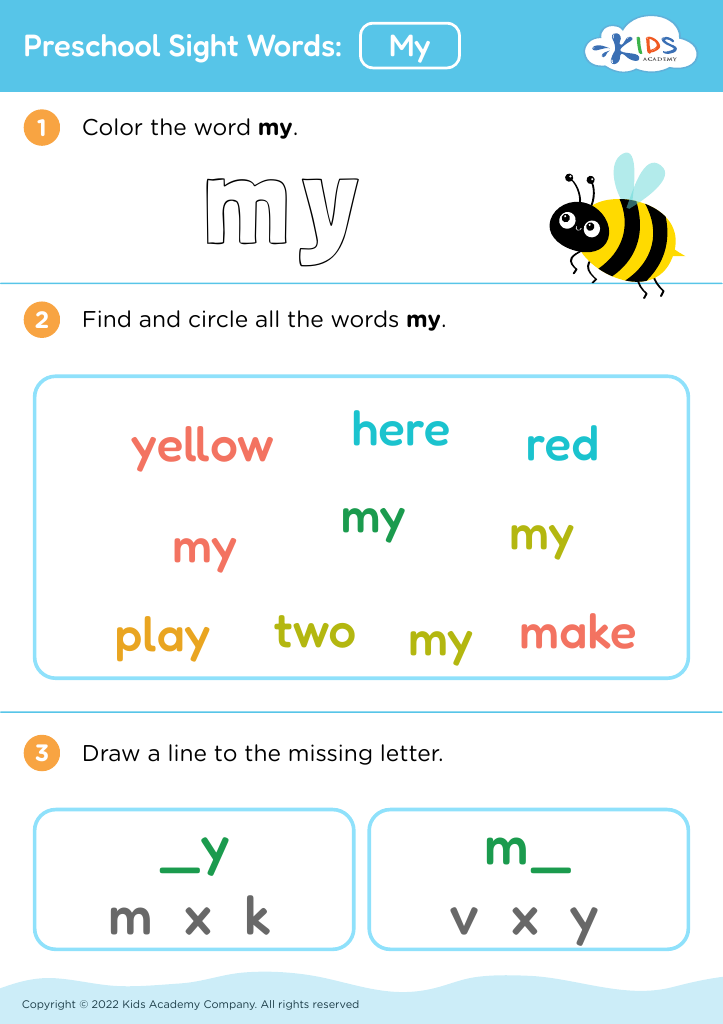
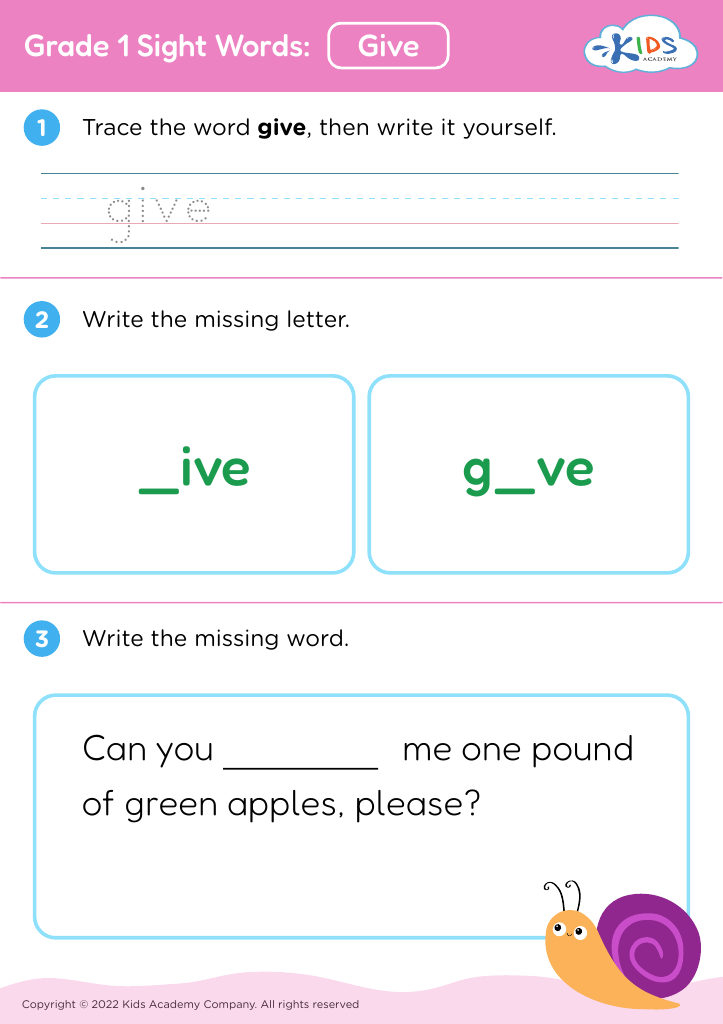
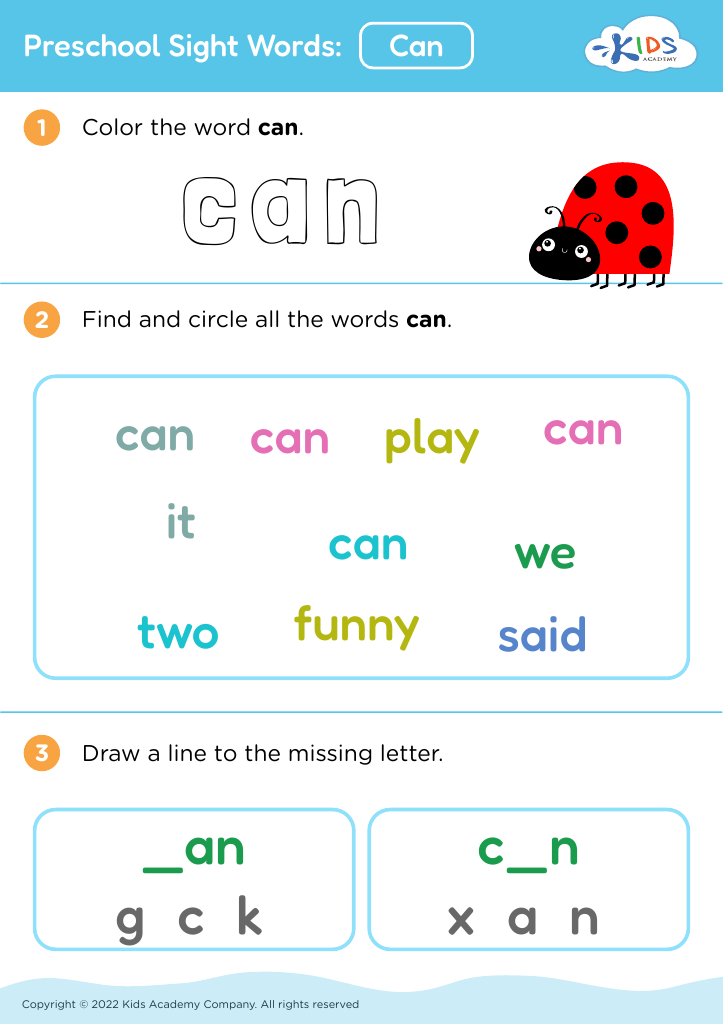
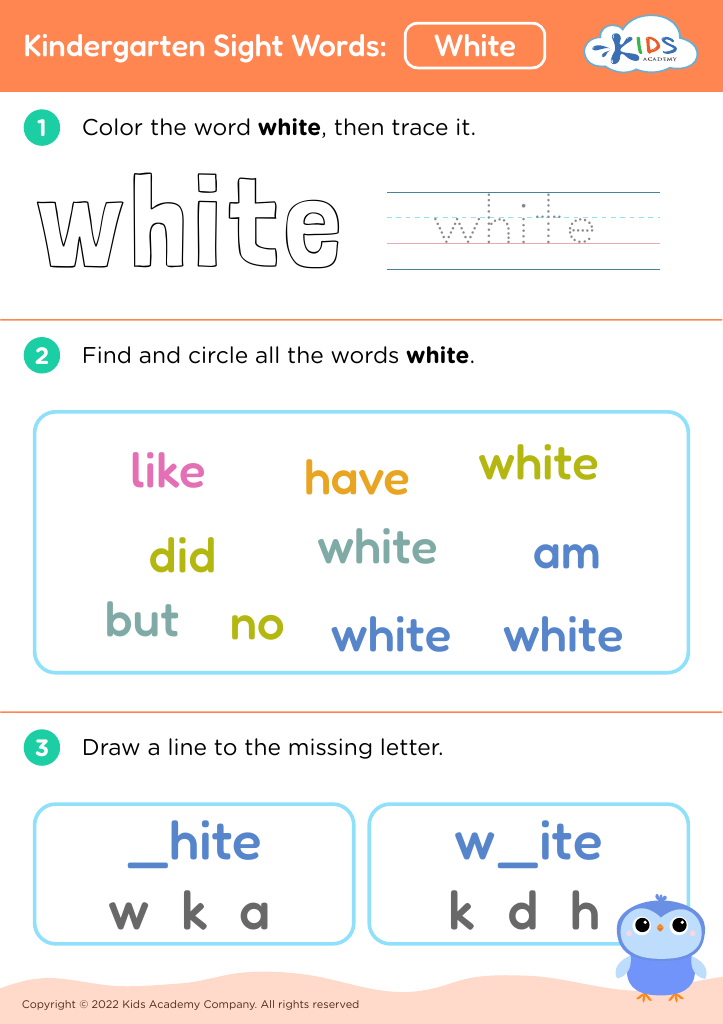
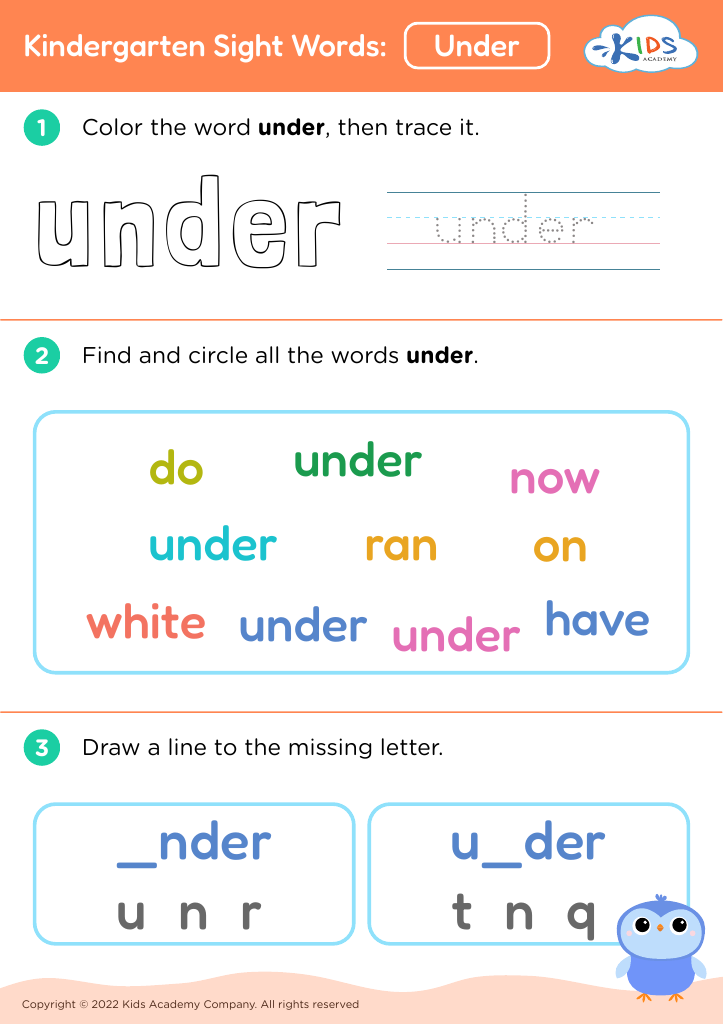
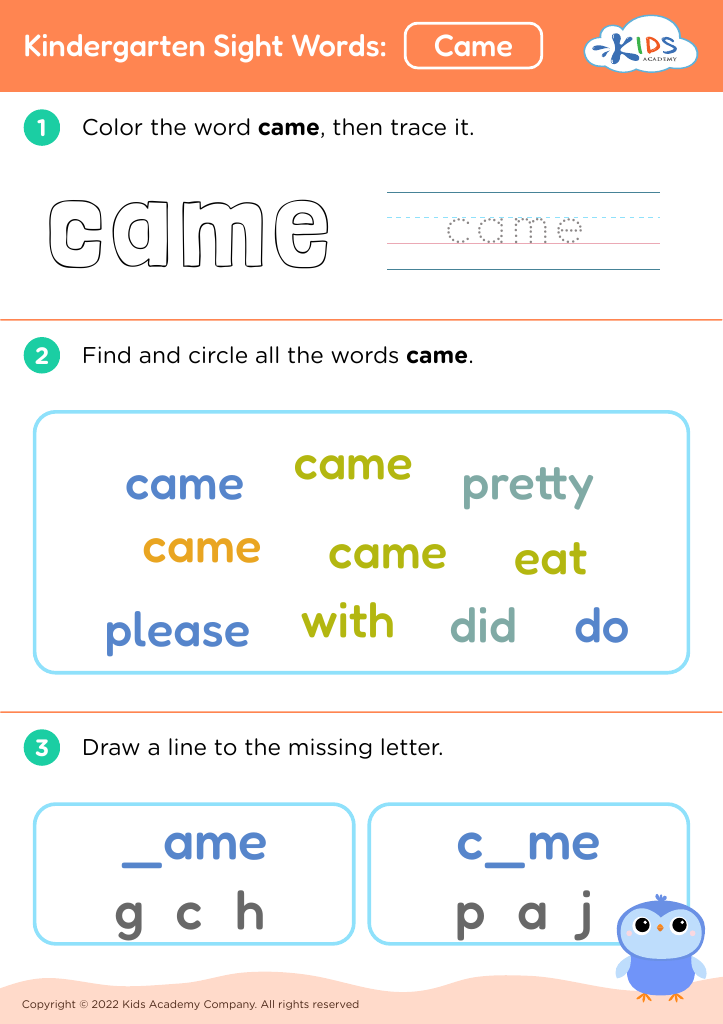
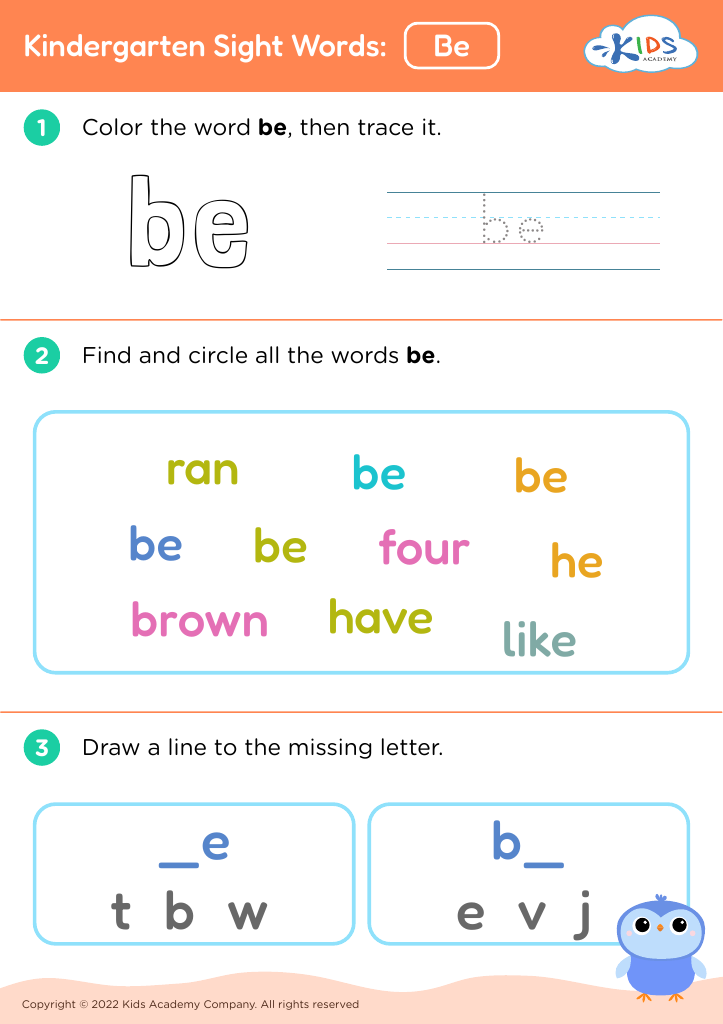







When children ages 3-6 begin to understand fraction comparison sight words, it sets a strong foundation for future mathematical and language skills. Introducing fraction comparison and sight words early equips young learners with crucial cognitive abilities. Fraction comparison nurtures their numerical reasoning and problem-solving skills, helping them grasp more complex mathematical concepts as they progress. It fosters spatial reasoning and critical thinking by allowing children to visualize parts of a whole, making abstract concepts more concrete.
Simultaneously, learning sight words enhances early reading abilities by promoting word recognition and fluency. Sight words are commonly used words that may not follow standard phonetic patterns; being able to recognize these words instantly aids in smoother, more confident reading. This early familiarity with sight words also enriches vocabulary and language comprehension, forming the basis for effective communication and future academic success.
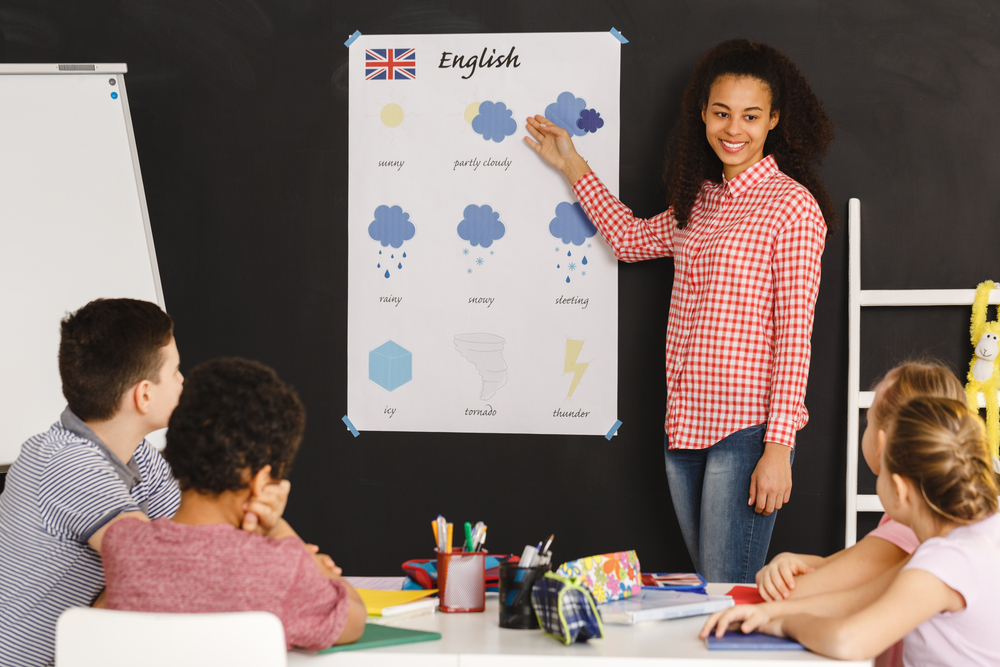
By integrating fraction comparison sight words into early education, parents and teachers can provide a comprehensive learning experience that bridges math and language skills. This integrated approach helps young learners develop well-rounded cognitive abilities, preparing them not just for school, but for everyday problem-solving and critical thinking throughout their lives. Thus, investing time and effort in these foundational concepts can yield long-lasting educational benefits.