Problem-Solving Skills Sight Words Worksheets for Ages 3-6
13 filtered results
Difficulty Level
Grade
Age
-
From - To
Subject
Activity
Standards
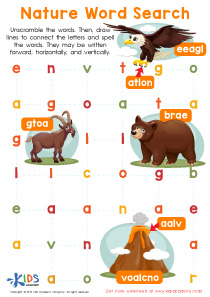
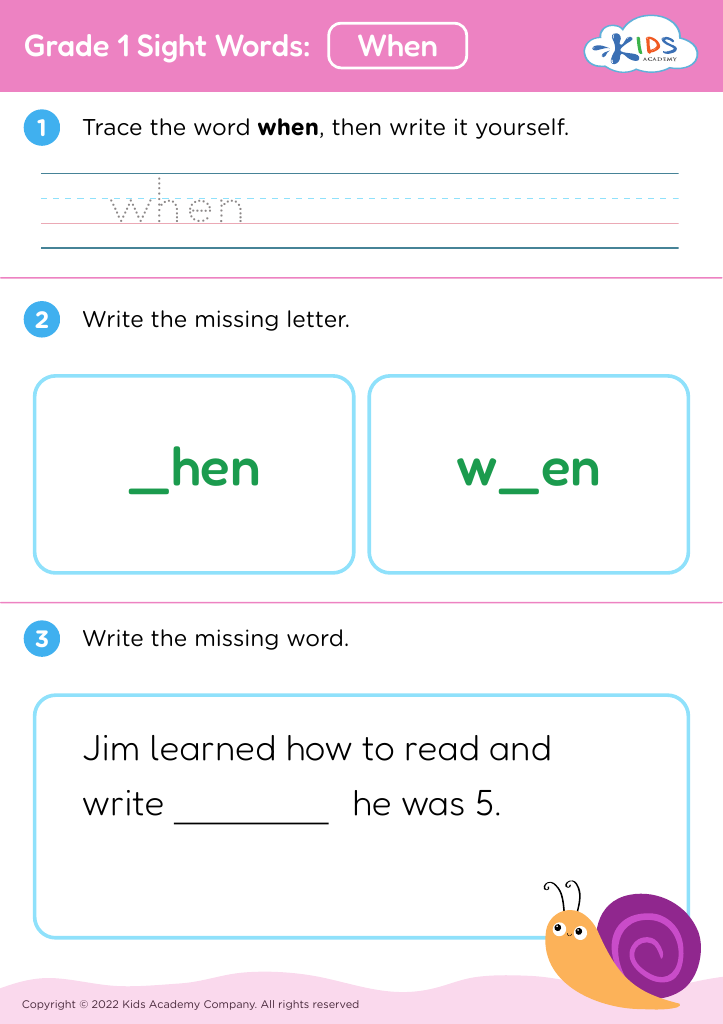
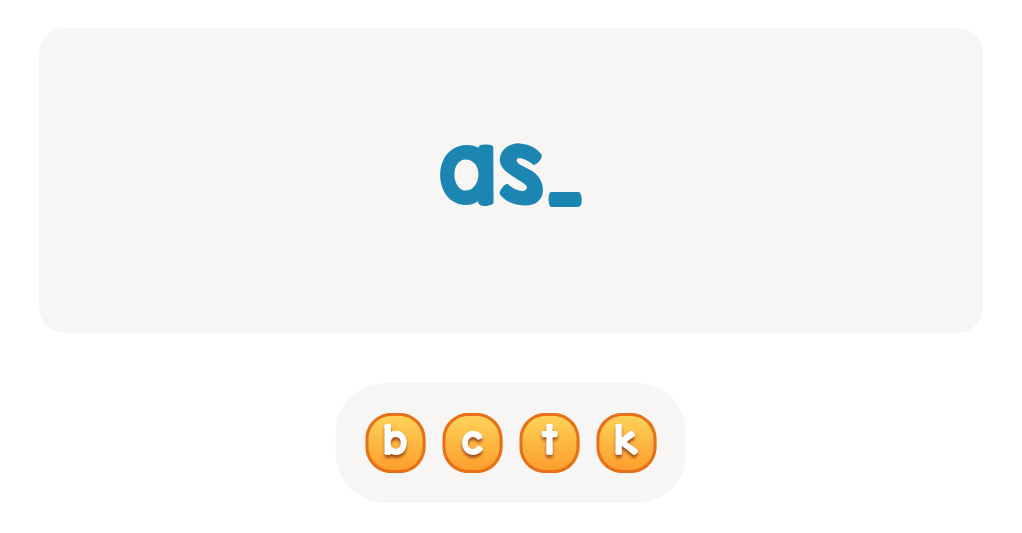
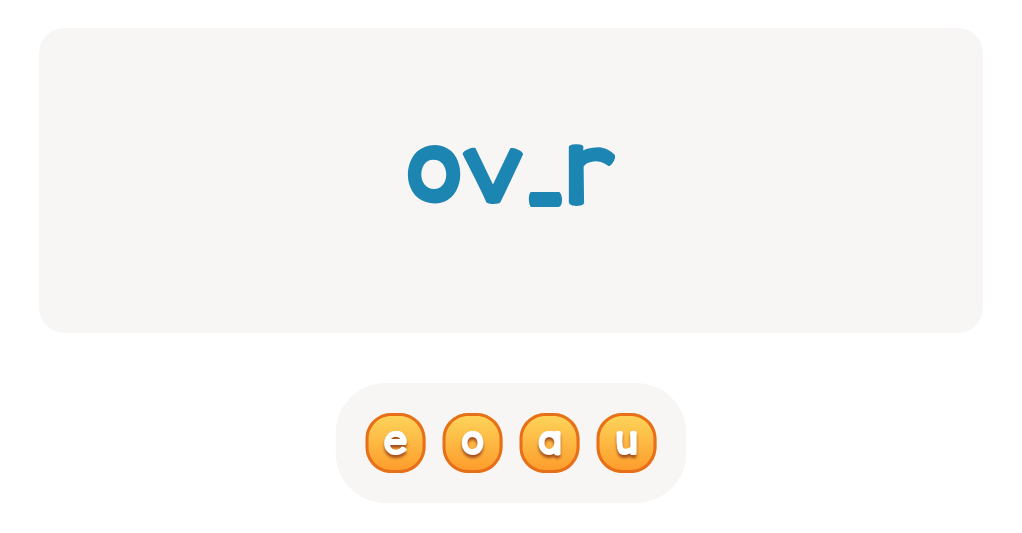
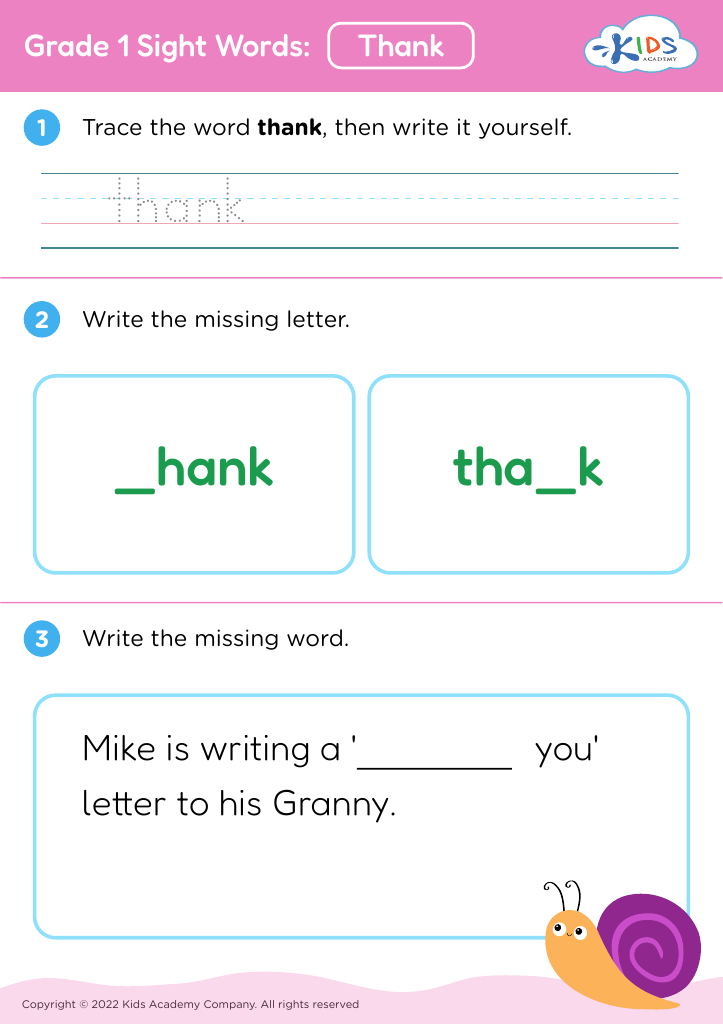
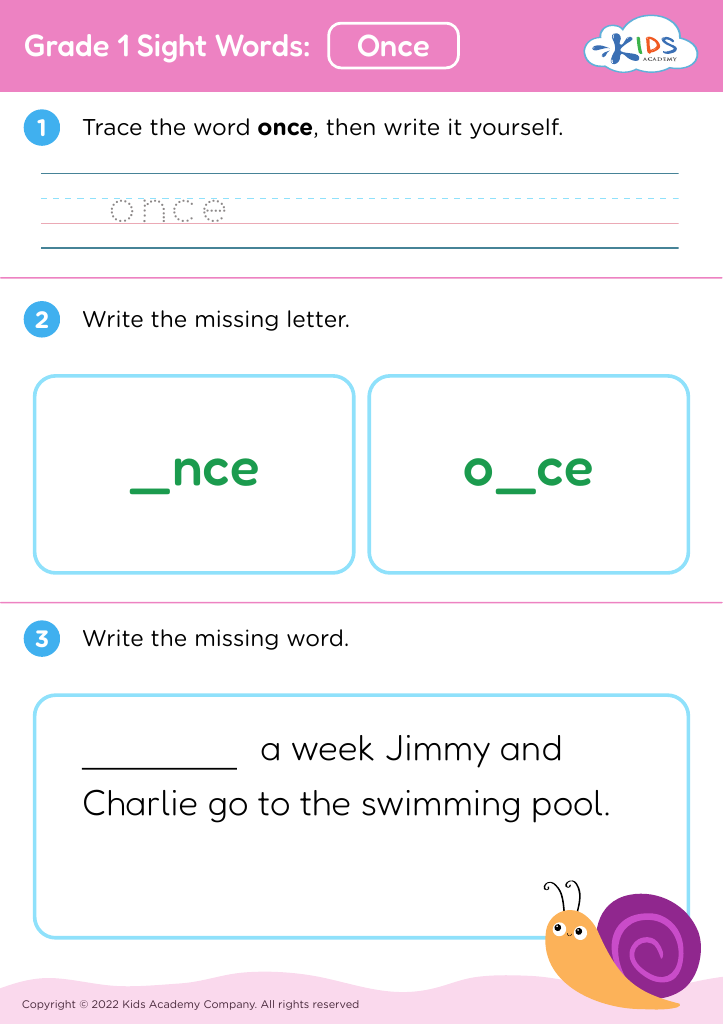
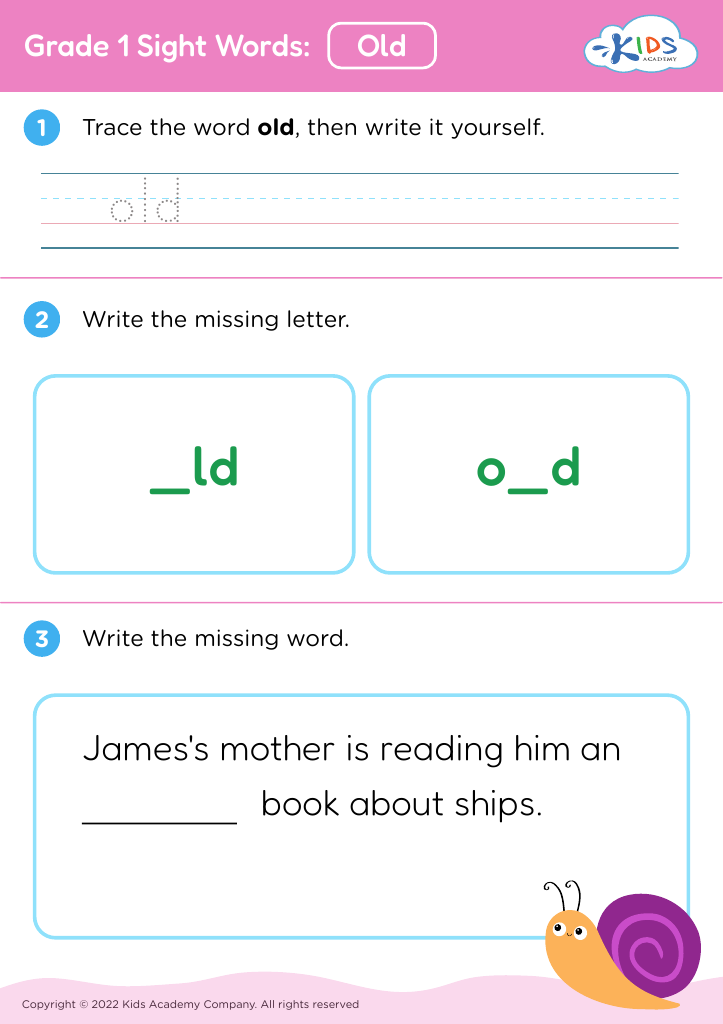
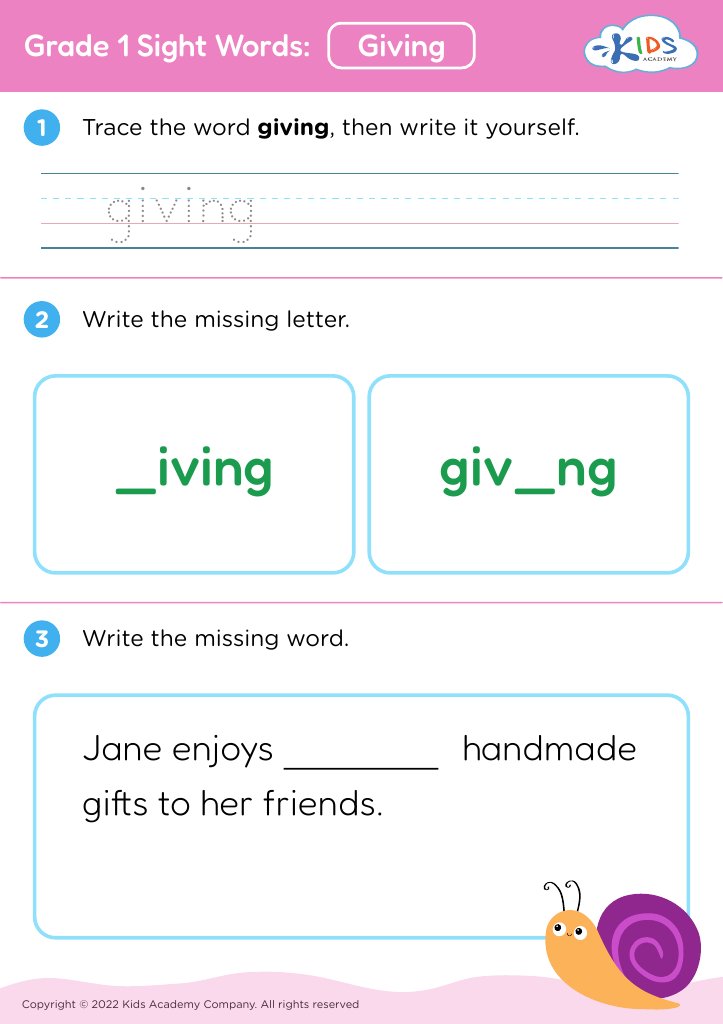
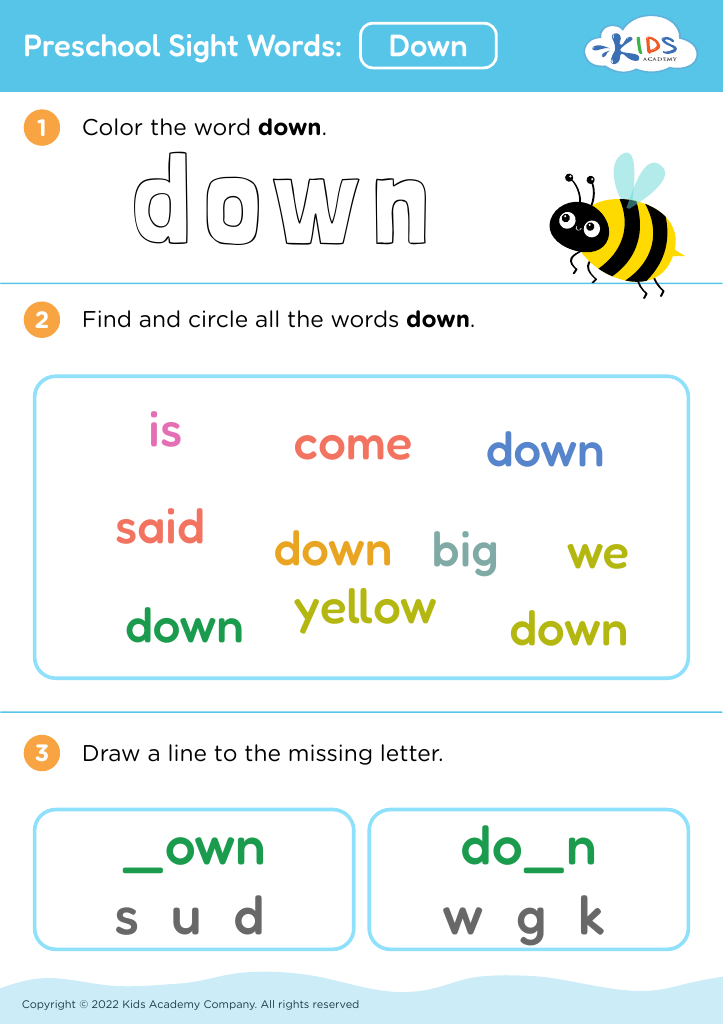
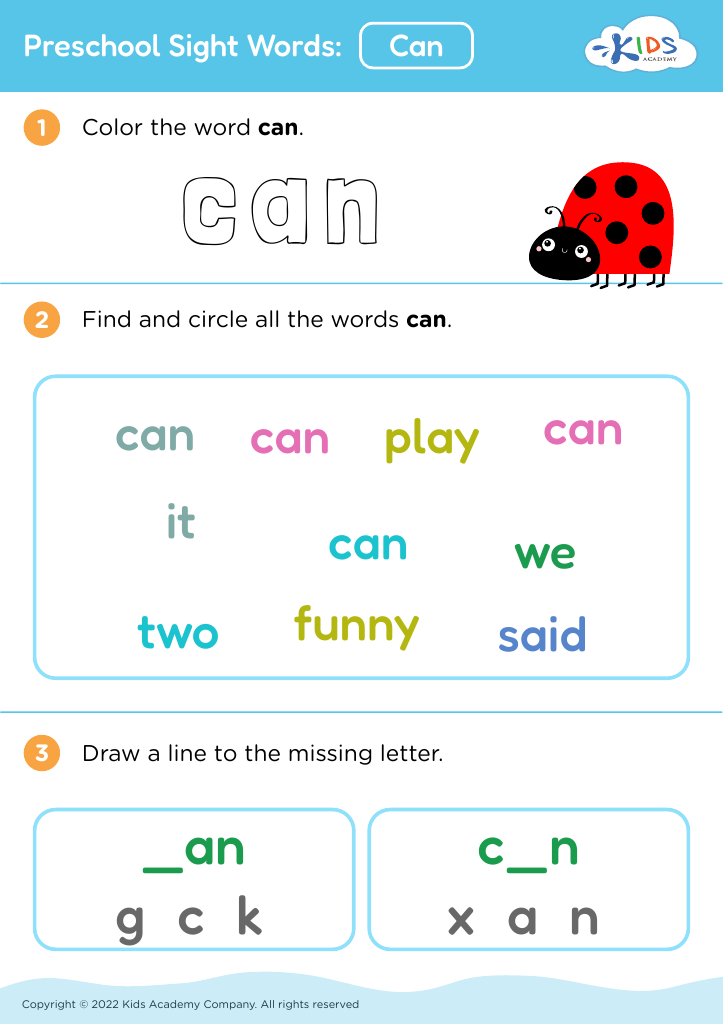
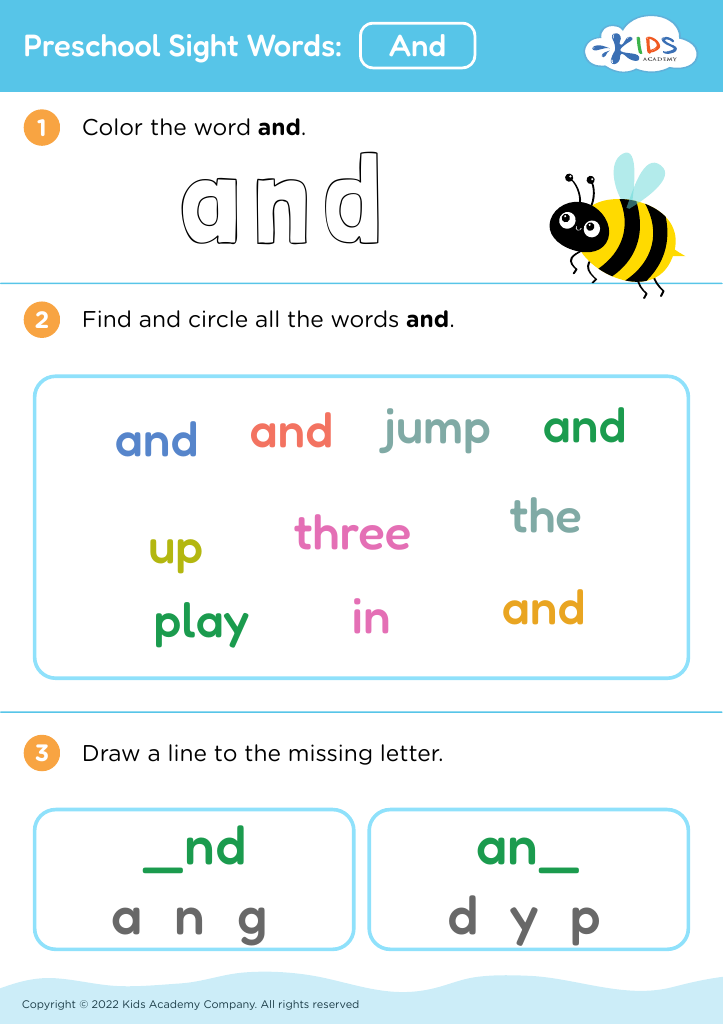
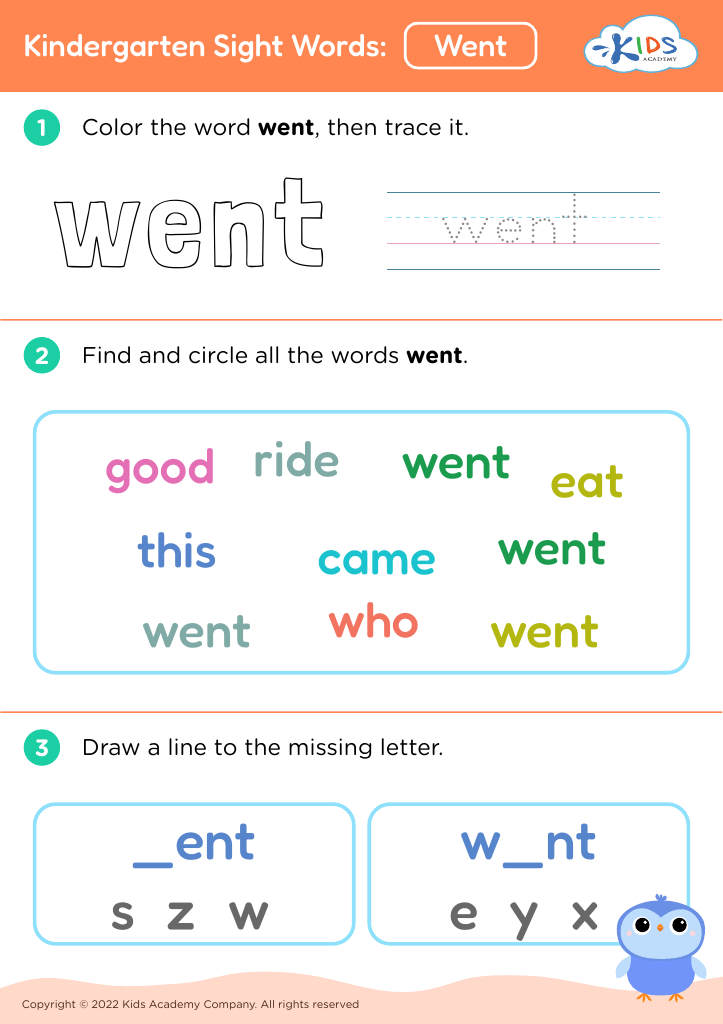
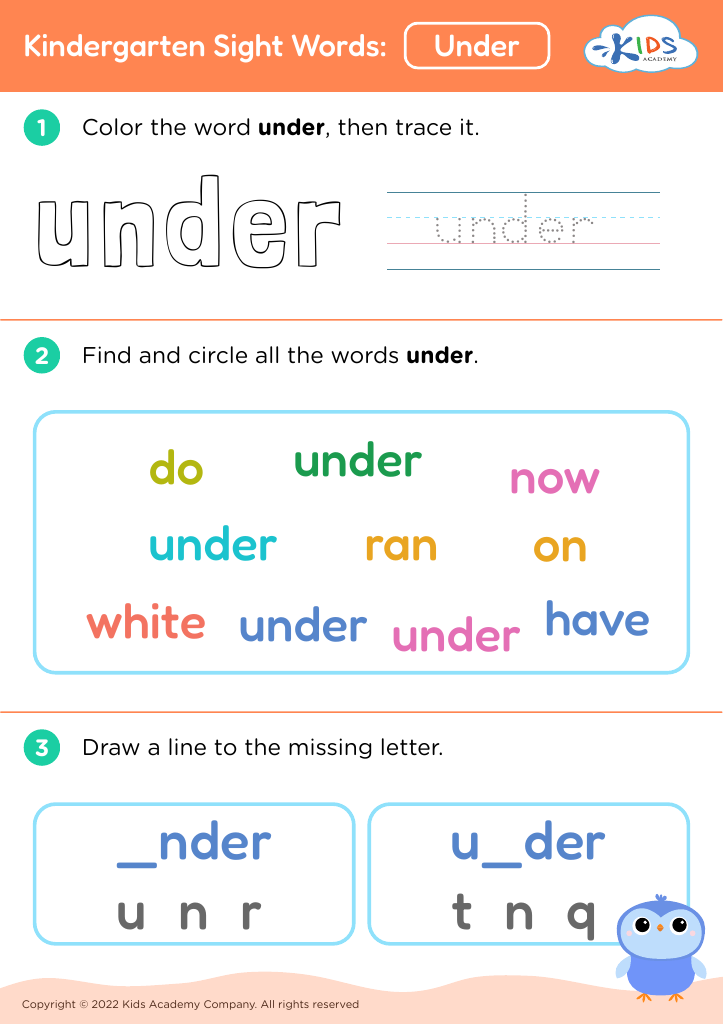
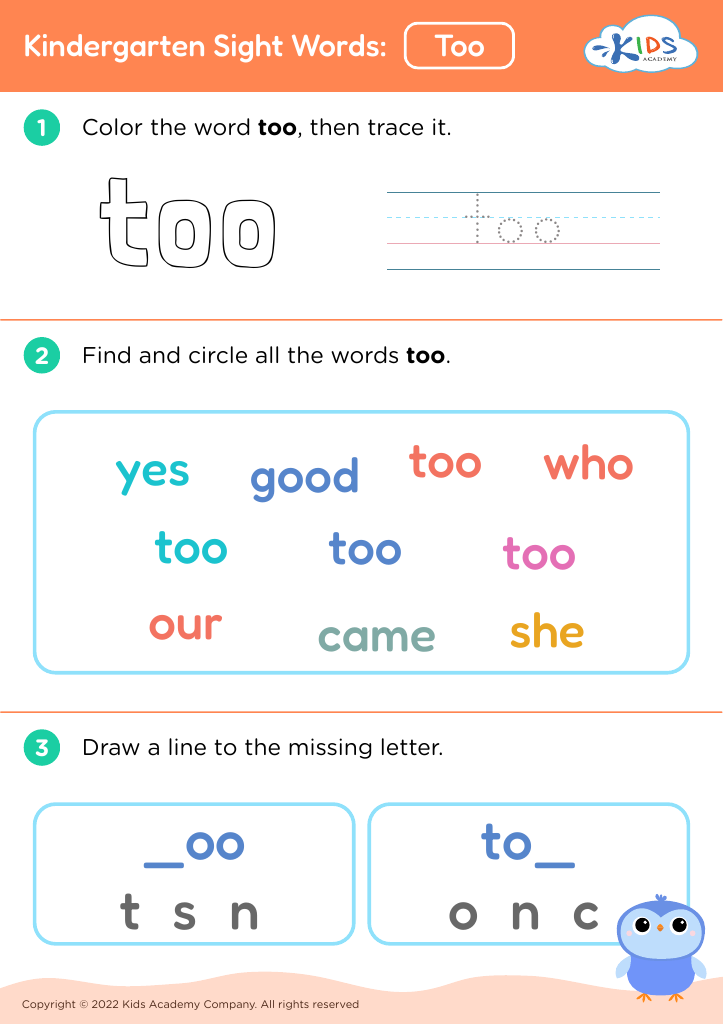
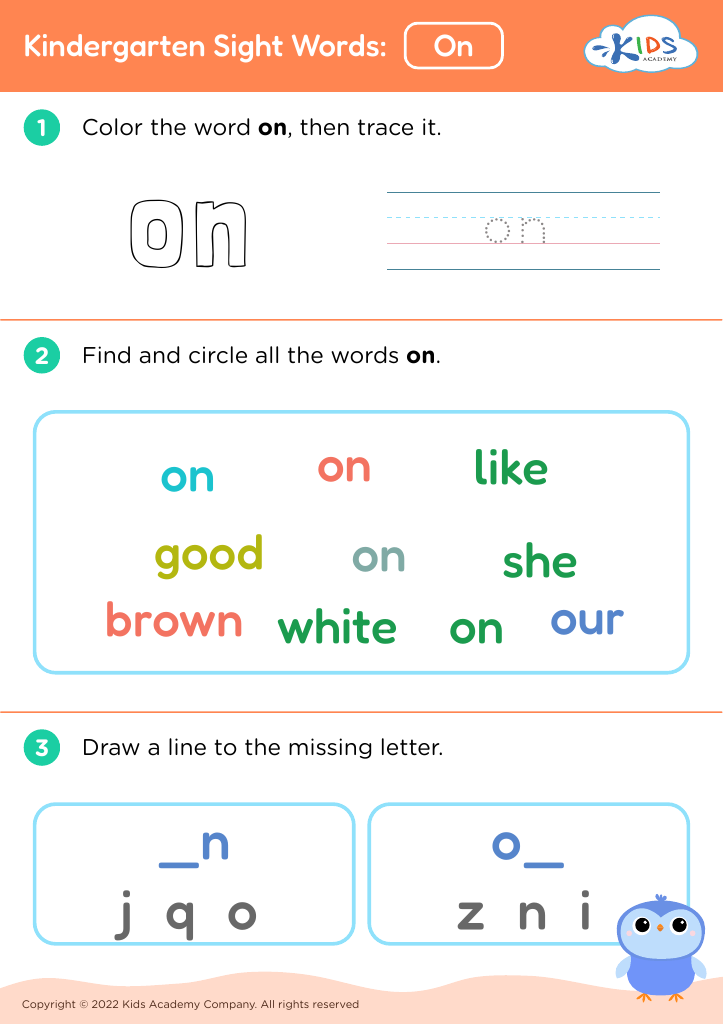
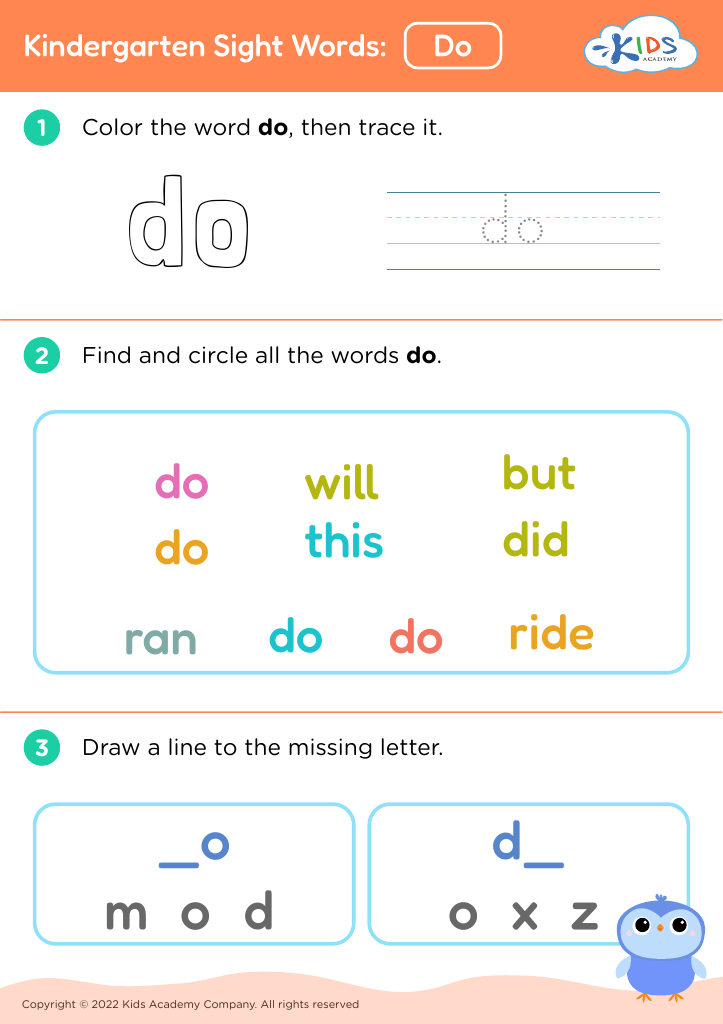
Help children develop essential literacy skills with our Problem-Solving Skills Sight Words Worksheets for ages 3-6. Designed specifically for young learners, these engaging worksheets focus on enhancing sight word recognition while fostering critical thinking and problem-solving abilities. Through fun, interactive activities, kids will broaden their vocabulary, boost reading comprehension, and build foundational learning skills. Perfect for classroom or at-home learning, our worksheets offer a delightful approach to mastering basic sight words, ensuring children gain the confidence and proficiency needed for future academic success. Unlock your child’s potential with our expertly crafted, educational resources today!
Favorites
With answer key
Interactive




Join Kids Academy for Free
Who is primarily going to use this learning content?








Problem-solving skills and sight words are foundational elements in early childhood education that significantly contribute to a child's cognitive and language development. For children aged 3-6, these skills can foster critical thinking, boost self-confidence, and lay the groundwork for future academic success.
Problem-solving skills encourage young minds to navigate challenges, make decisions, and find creative solutions. These capabilities are pivotal for overcoming obstacles in learning and in life. By introducing problem-solving opportunities early on, parents and teachers can teach children perseverance, patience, and the ability to think independently. Skills such as pattern recognition, logical sequencing, and spatial awareness developed through problem-solving activities will greatly assist children in their academic journey and beyond.
Parallelly, sight words form the core of early literacy. These are common words that children are encouraged to recognize without having to decode them phonetically. Mastering sight words enhances reading fluency, allowing young learners to devote their cognitive resources to comprehension rather than decoding each word. This proficiency is crucial as strong readers are more likely to excel in other subjects that require substantial reading.
Together, problem-solving and sight word skills create a balanced approach that nurtures both cognitive and linguistic abilities. By supporting these skill sets, parents and teachers are not just preparing children for academic success, but also equipping them with tools essential for lifelong learning and problem-solving capabilities.