Understanding bar graphs Sight Words Worksheets for Ages 3-6
3 filtered results
-
From - To
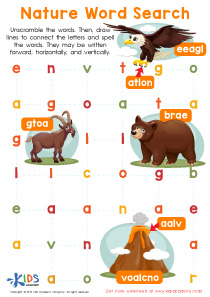
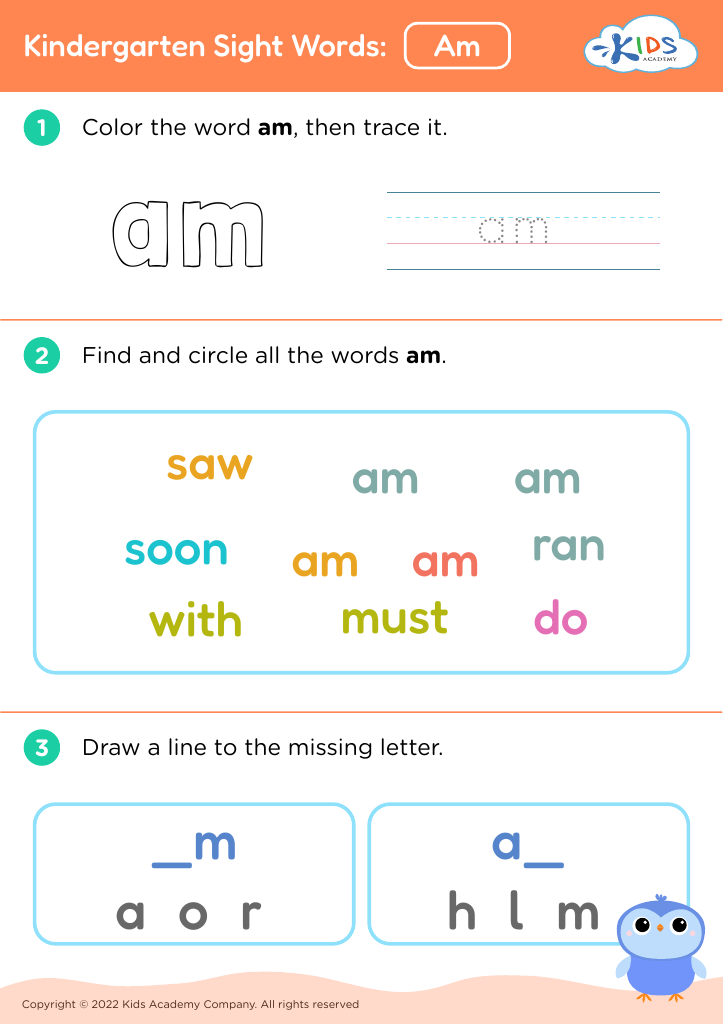
Our "Understanding Bar Graphs Sight Words Worksheets for Ages 3-6" provide a fun and interactive way for young learners to grasp essential early math and reading skills. These engaging worksheets blend foundational sight words with the basics of bar graph interpretation, helping children recognize patterns, count visually represented data, and enhance their vocabulary. Designed specifically for ages 3-6, these printables make learning enjoyable with bright, appealing graphics and simple instructions. Ideal for both classroom and at-home learning, they lay the groundwork for confident reading and math abilities in early education. Download and start your child’s learning adventure today!









Understanding bar graphs and sight words are crucial skills for young learners aged 3-6, and both parents and teachers should prioritize these foundational concepts. Not only do they cater to various areas of cognitive development, but they also lay the groundwork for future academic success and everyday literacy.
Bar graphs are an introductory tool for young children to grasp basic mathematical concepts like counting, comparing quantities, and recognizing patterns. These visual aids promote early analytical skills and help develop children's abilities to interpret data, making abstract math ideas more concrete and relatable.
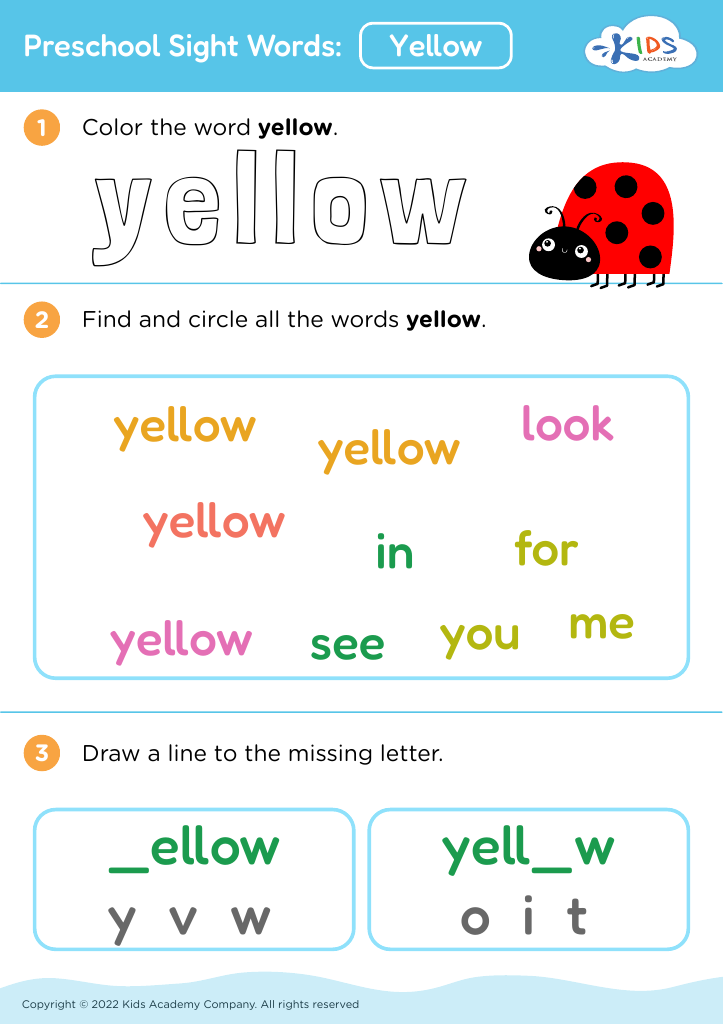
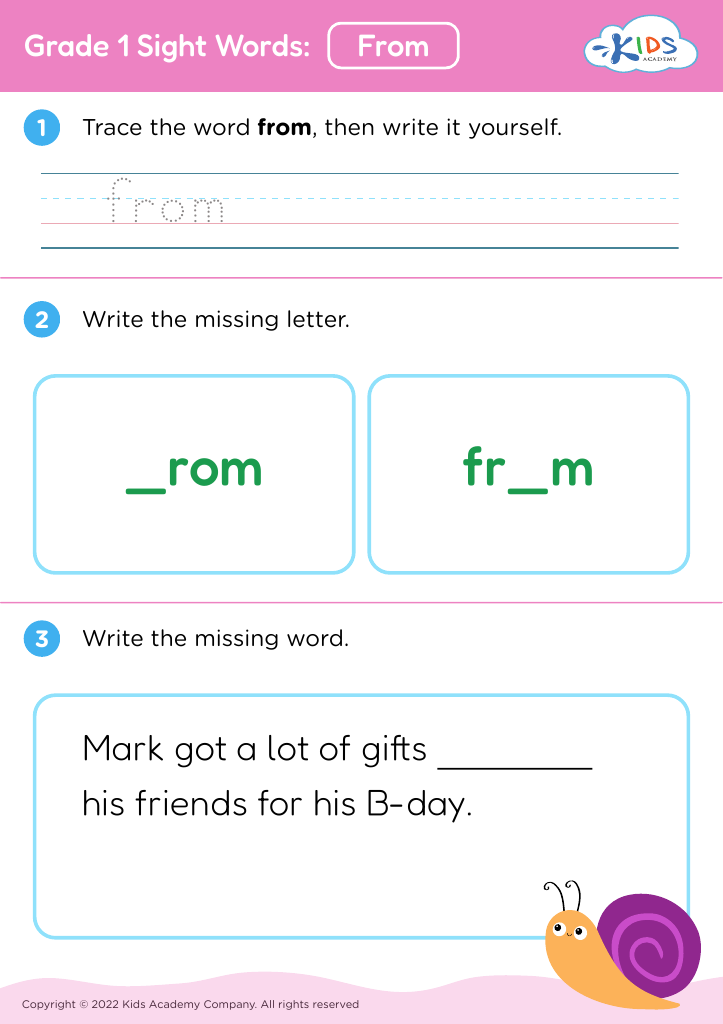
Sight words, on the other hand, are common words that young children learn to recognize without needing to sound them out. These words often defy simple phonetic rules, making rote memorization essential. Mastery of sight words improves fluency in reading by increasing speed and comprehension, aiding in smoother and more enjoyable reading experiences. Early proficiency in sight words can help children transition from decoding individual words to understanding entire sentences, stories, and texts.
By fostering an understanding of bar graphs and sight words, parents and teachers provide a dual foundation in mathematical and linguistic skills. These form the cornerstones of a well-rounded education, enabling children to approach more complex academic tasks with confidence as they grow.