Understanding fractions Sight Words Worksheets for Ages 3-6 - Page 2
35 filtered results
-
From - To


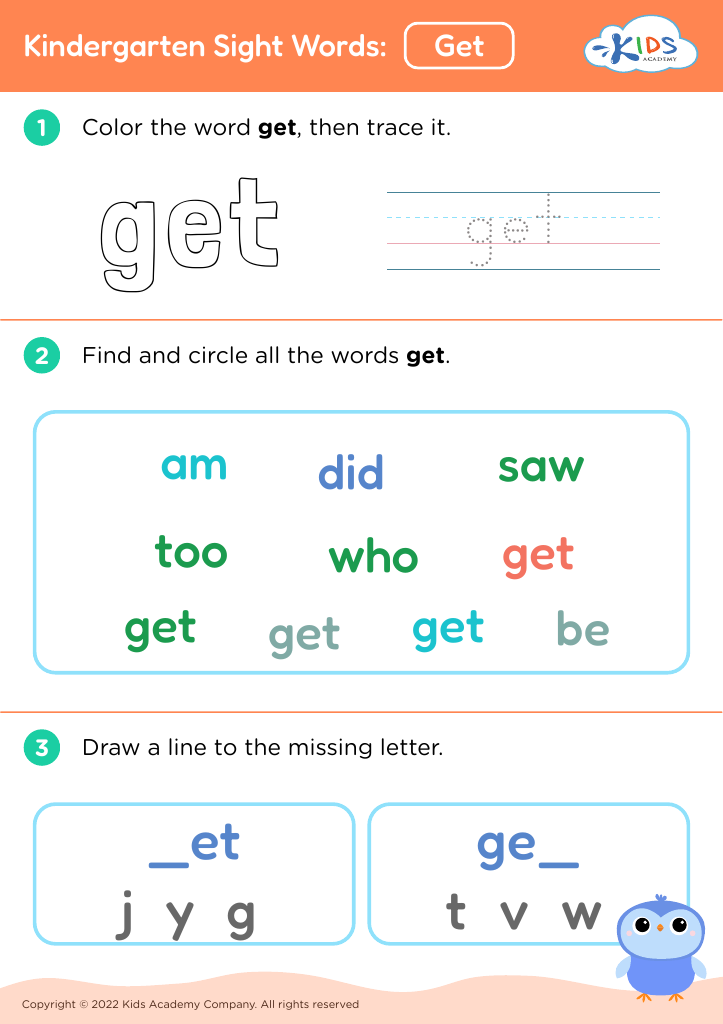
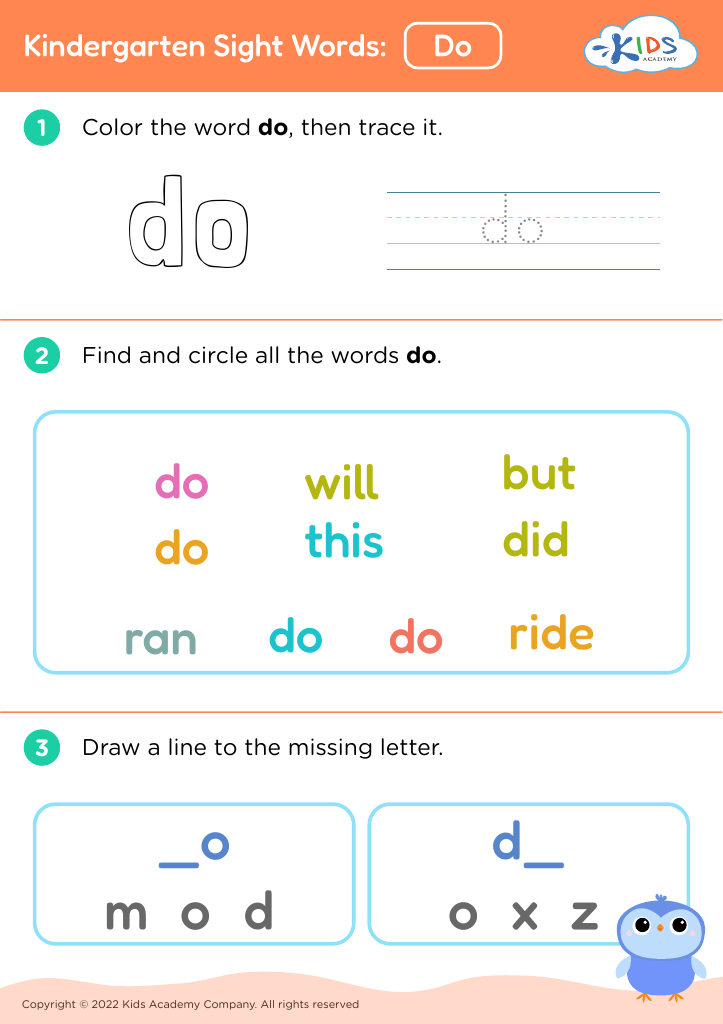
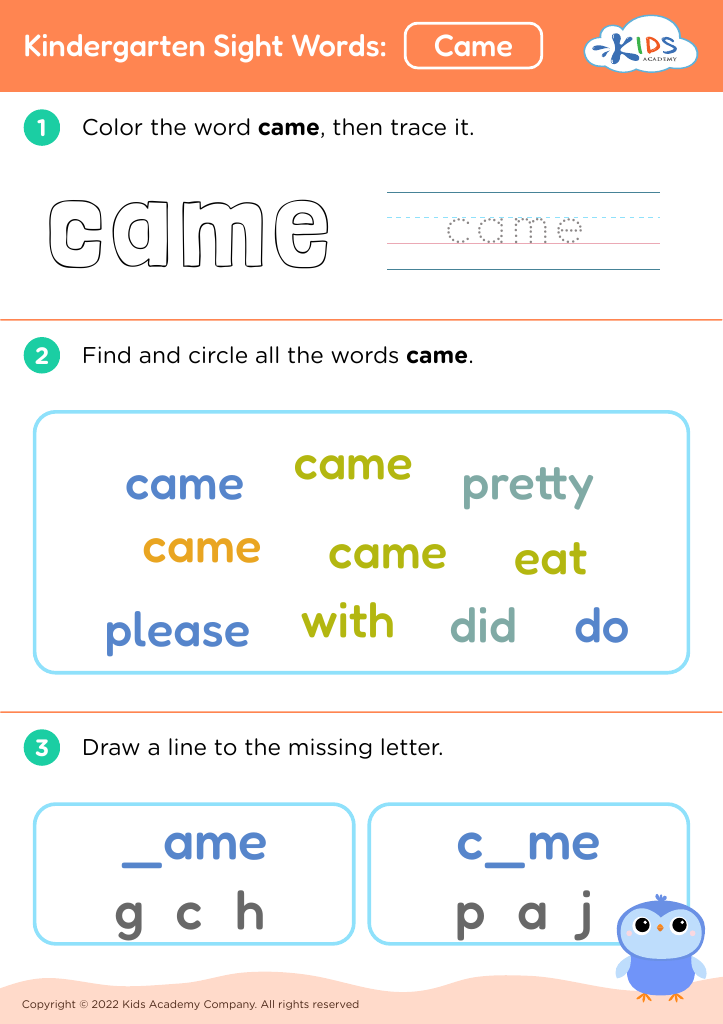
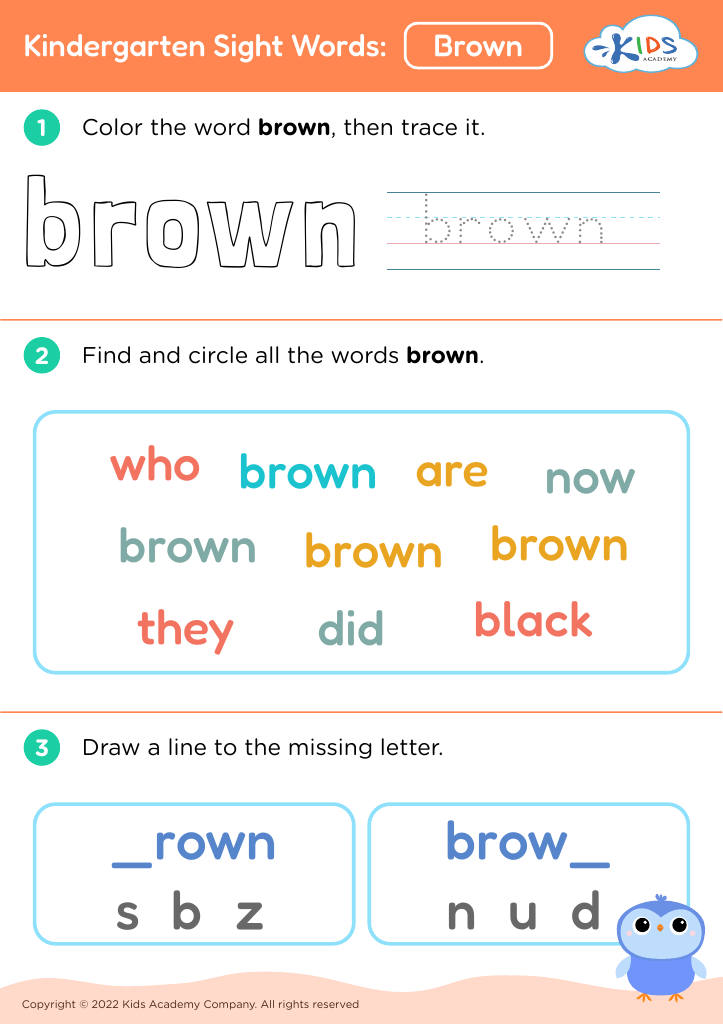
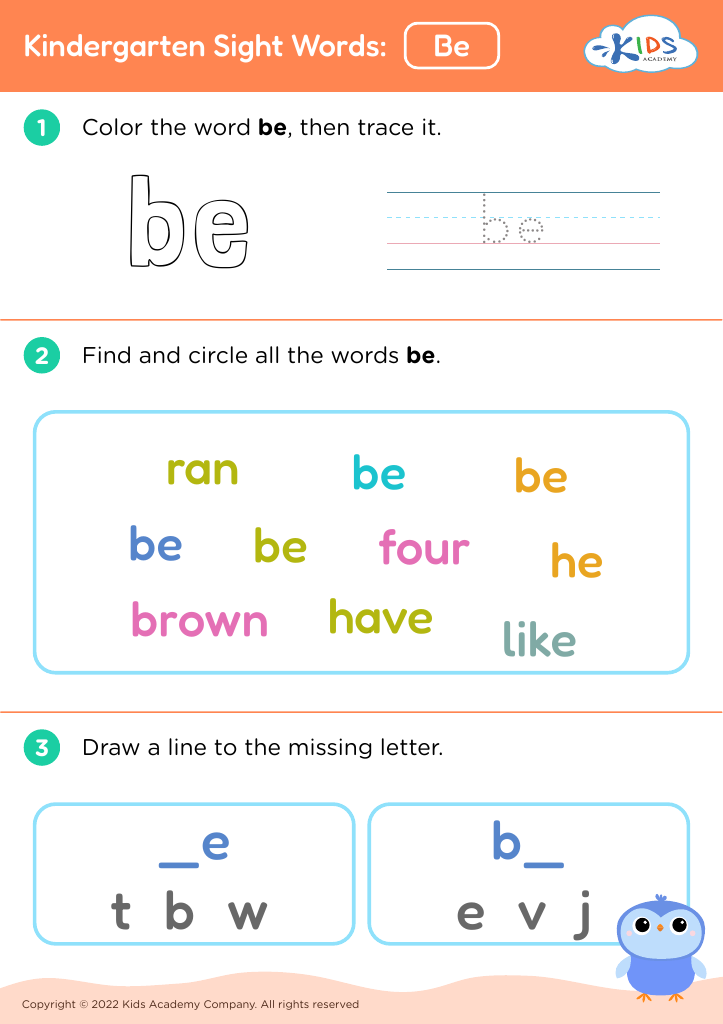
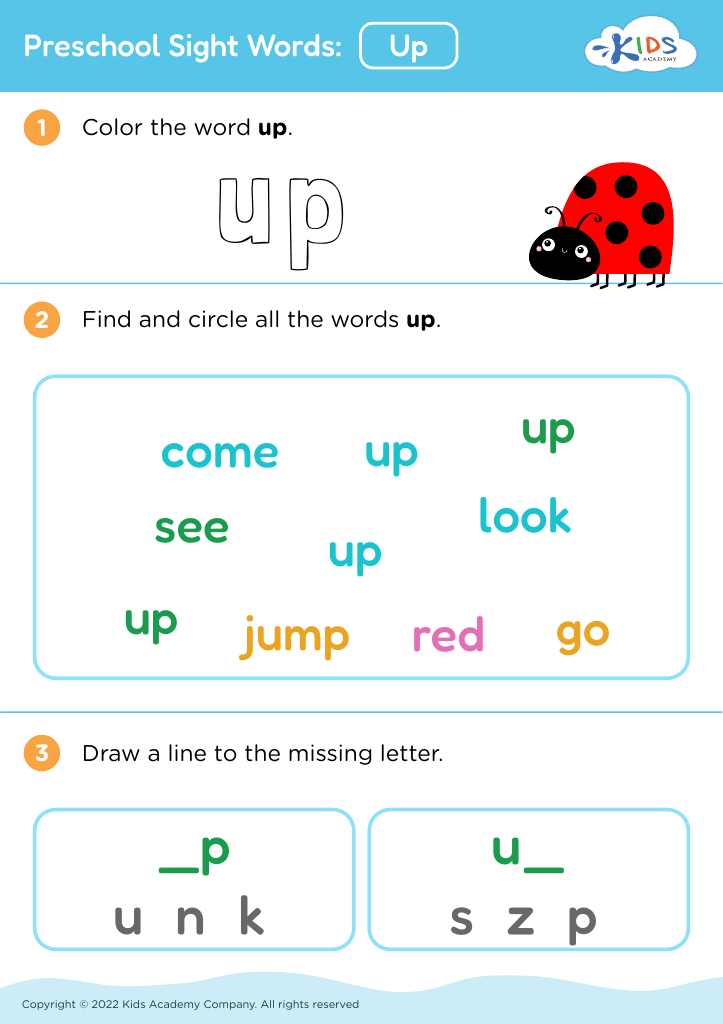
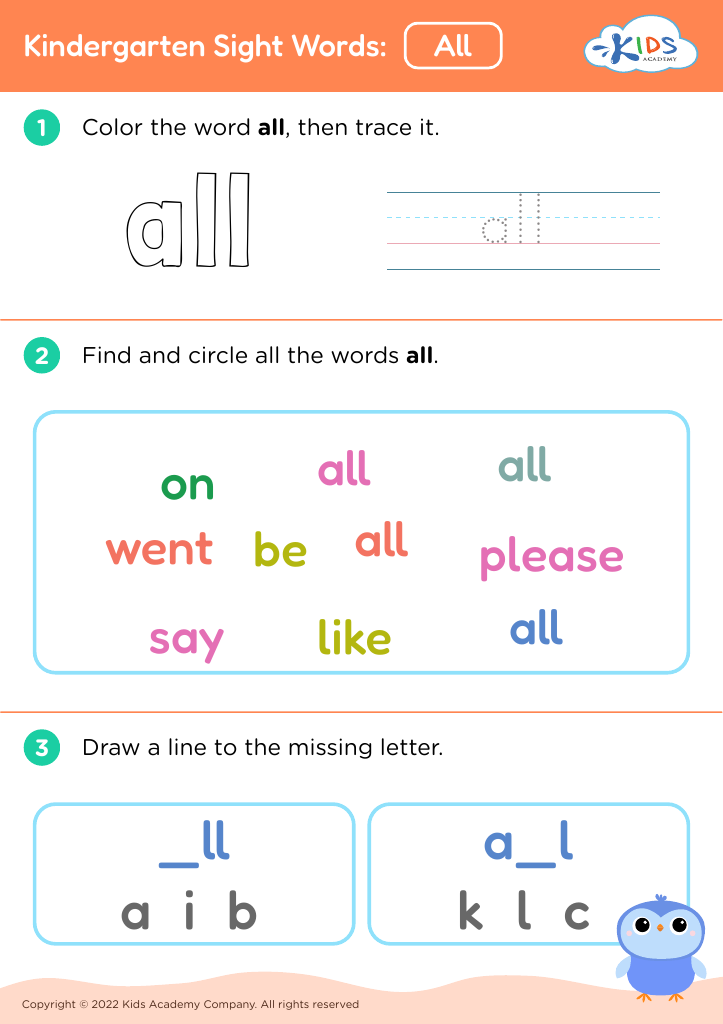








Understanding fractions and sight words for young children aged 3-6 is crucial for their foundational development in math and reading.
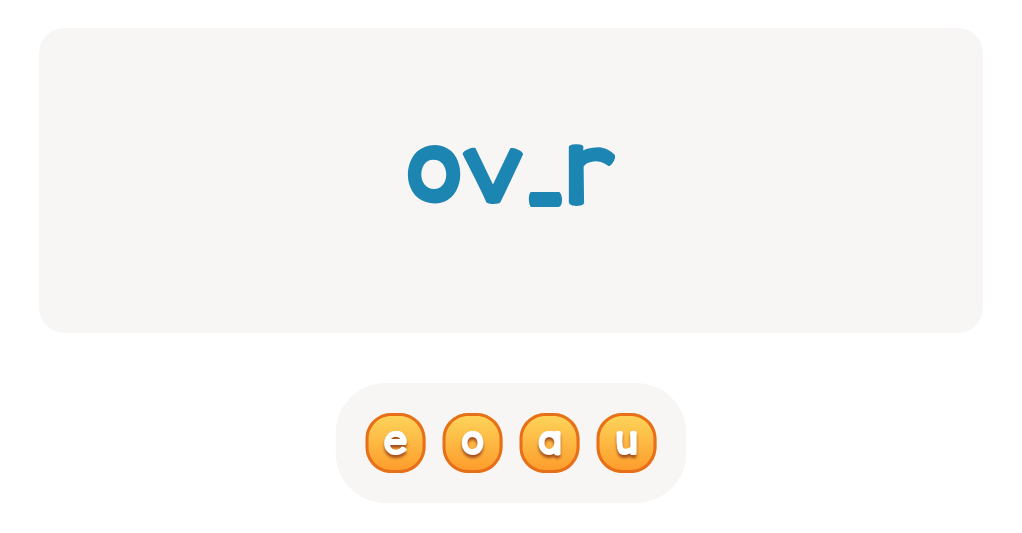
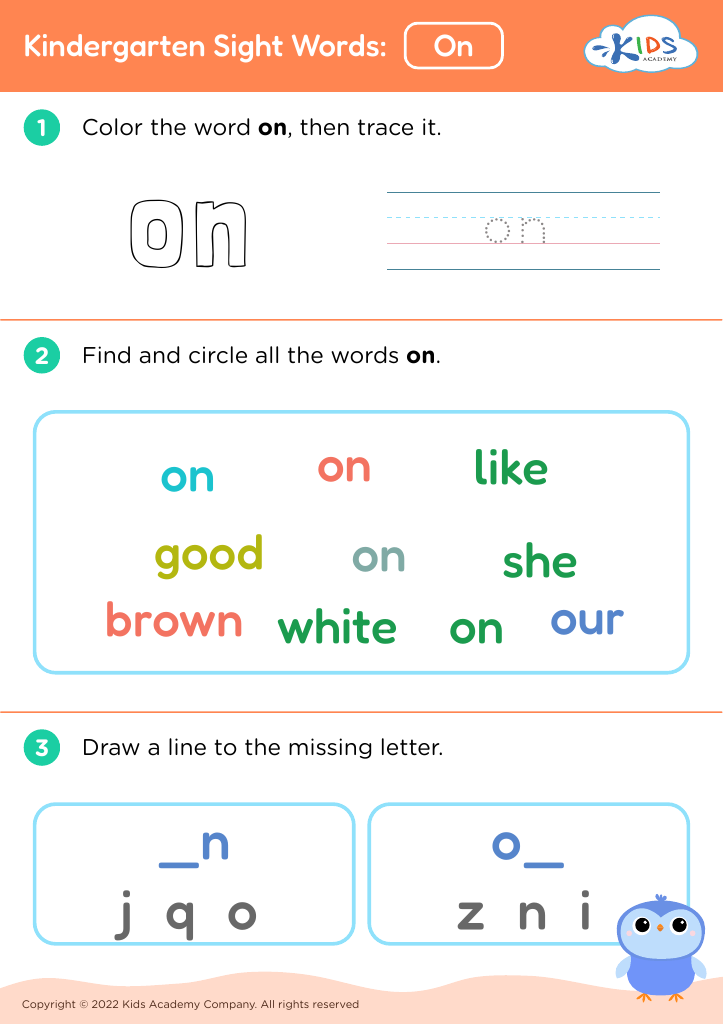
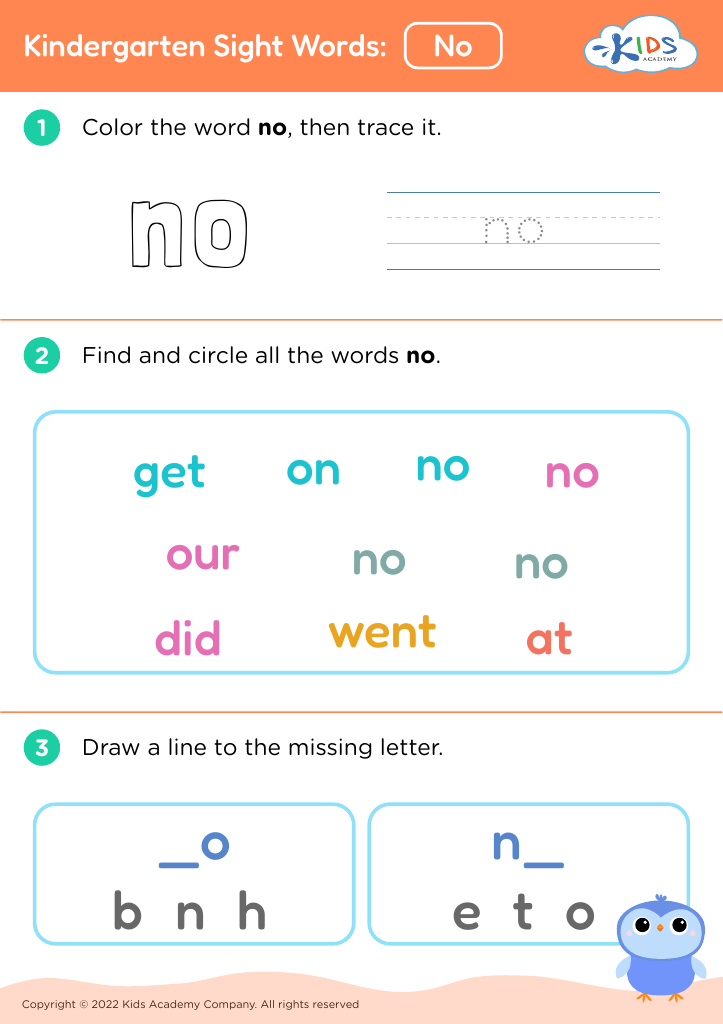
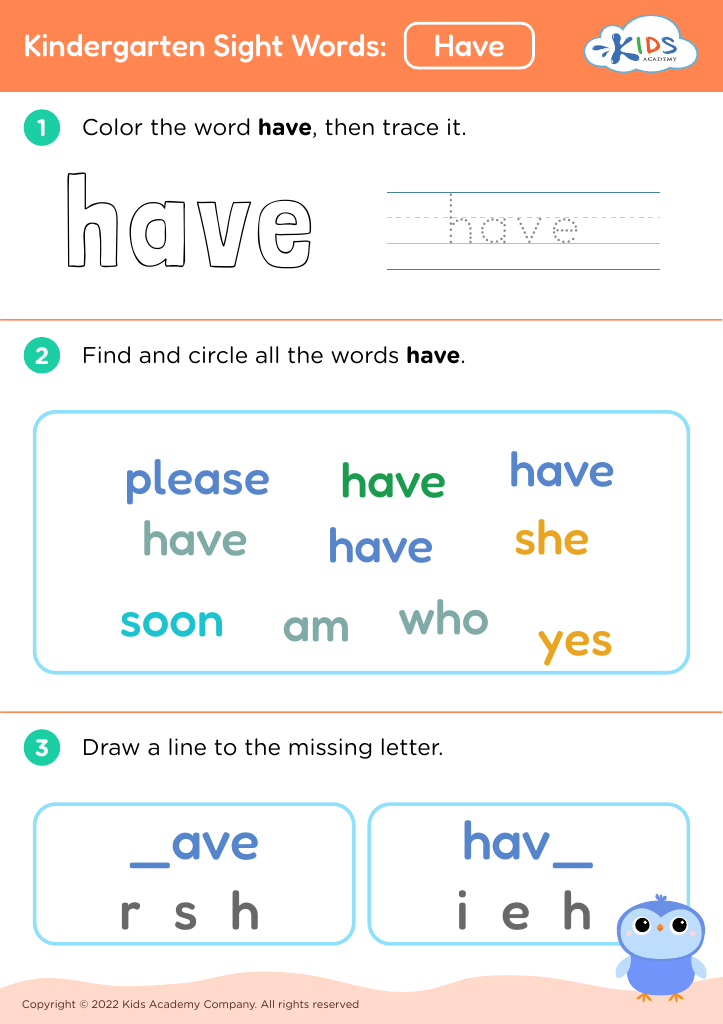
Sight words are commonly used words that children are encouraged to recognize instantly without phonetic decoding. Mastering these words at an early age is fundamental because sight words make up about 50-70% of the texts children read. Fluency with sight words allows young readers to read more quickly and smoothly because they don't have to stop and sound them out, which aids in comprehension and enhances confidence. Recognizing sight words encourages children to enjoy reading and facilitates early literacy success essential for lifelong learning.
Introducing fractions to young children may seem advanced but it nurtures their mathematical thinking and problem-solving skills. Fractions help kids understand that numbers can be parts of a whole, which is a concept they can see in daily activities like sharing food or playing with toys. Early exposure to fractions builds a strong mathematical foundation, promoting positive attitudes toward math and aiding cognitive development in areas like reasoning and pattern recognition.
Both are integral to cognitive and academic development, setting the stage for future success. By prioritizing these areas, parents and teachers provide children with the tools they need to thrive in all subjects. #