Problem-Solving Skills Grammar Worksheets for Ages 3-6
5 filtered results
-
From - To
Enhance your child's problem-solving abilities with our engaging grammar worksheets designed for ages 3-6! These interactive resources focus on developing critical thinking and language skills through fun, age-appropriate activities. With a variety of exercises that encourage creative solutions, kids will improve their understanding of grammar while building essential problem-solving skills. Our worksheets provide opportunities for self-expression and exploration, fostering a love for learning. Perfect for classroom use or at-home practice, these worksheets ensure that young learners are not only mastering grammar but also becoming confident thinkers. Unlock your child's potential today with our thoughtfully crafted problem-solving skills worksheets!
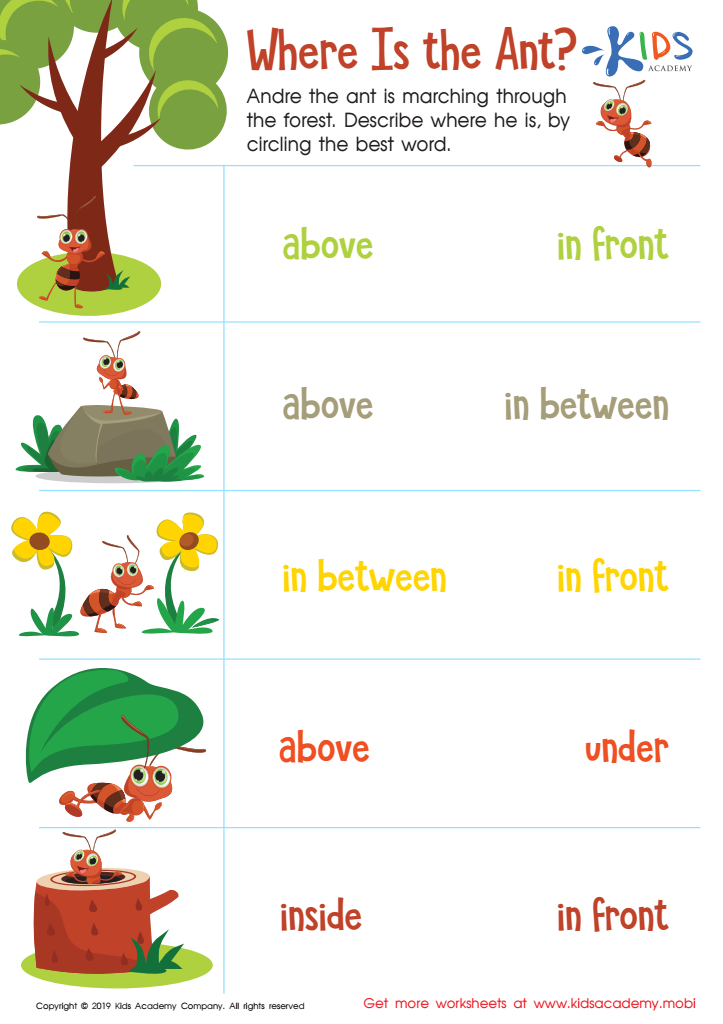
Where Is the Ant? Worksheet
 Assign to My Students
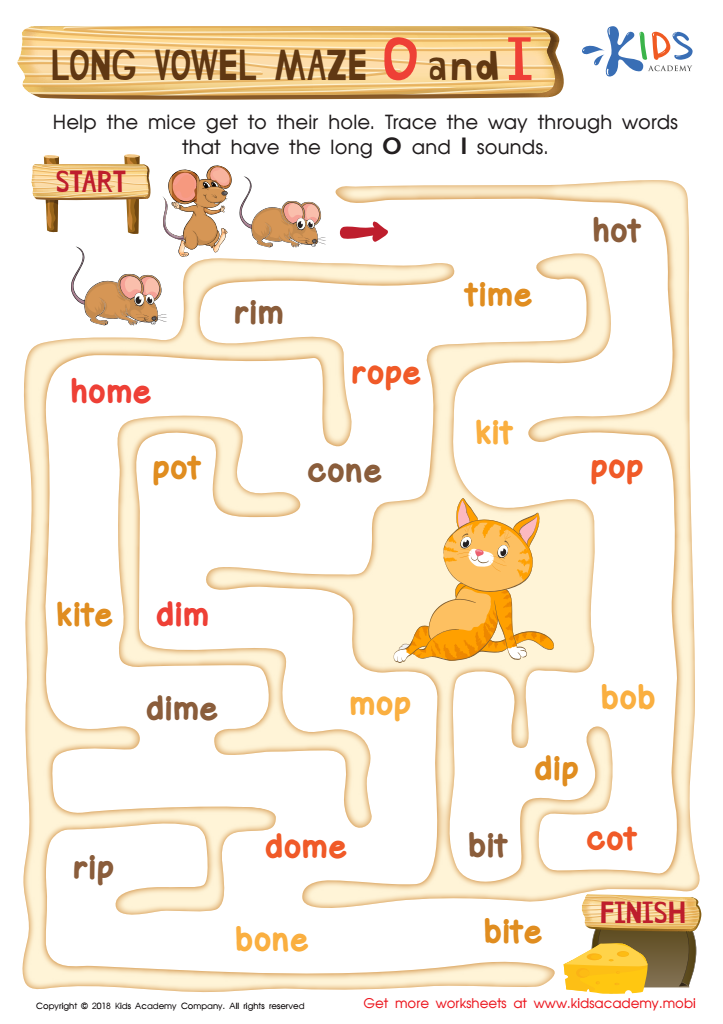
Long Vowel Maze /o/ and /i/ Worksheet
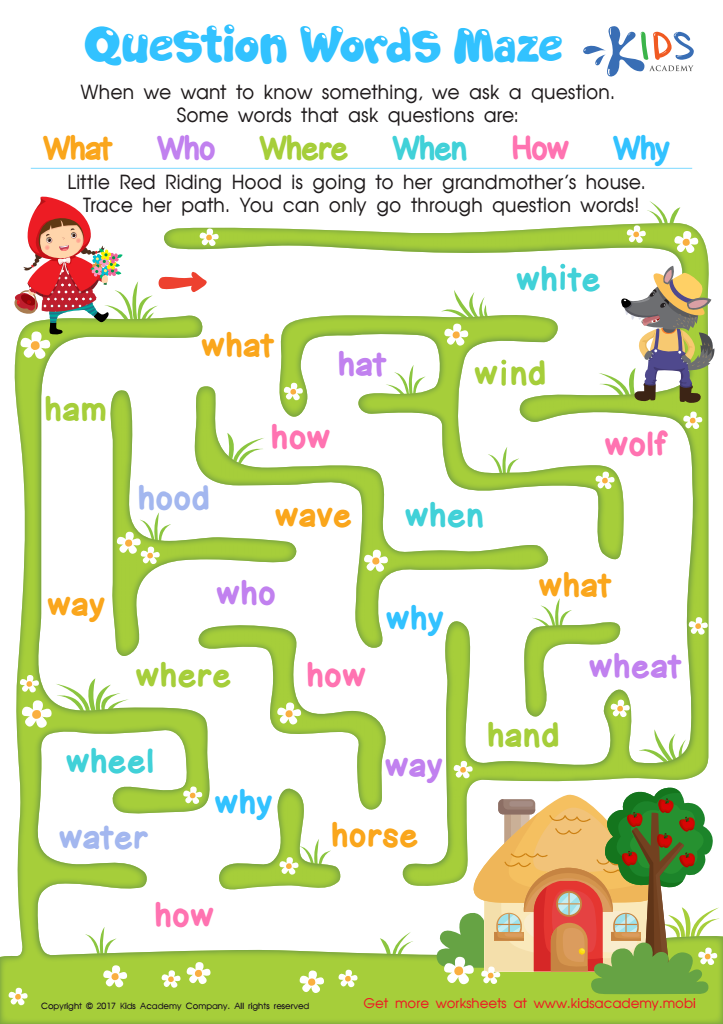
Question Words Maze Worksheet
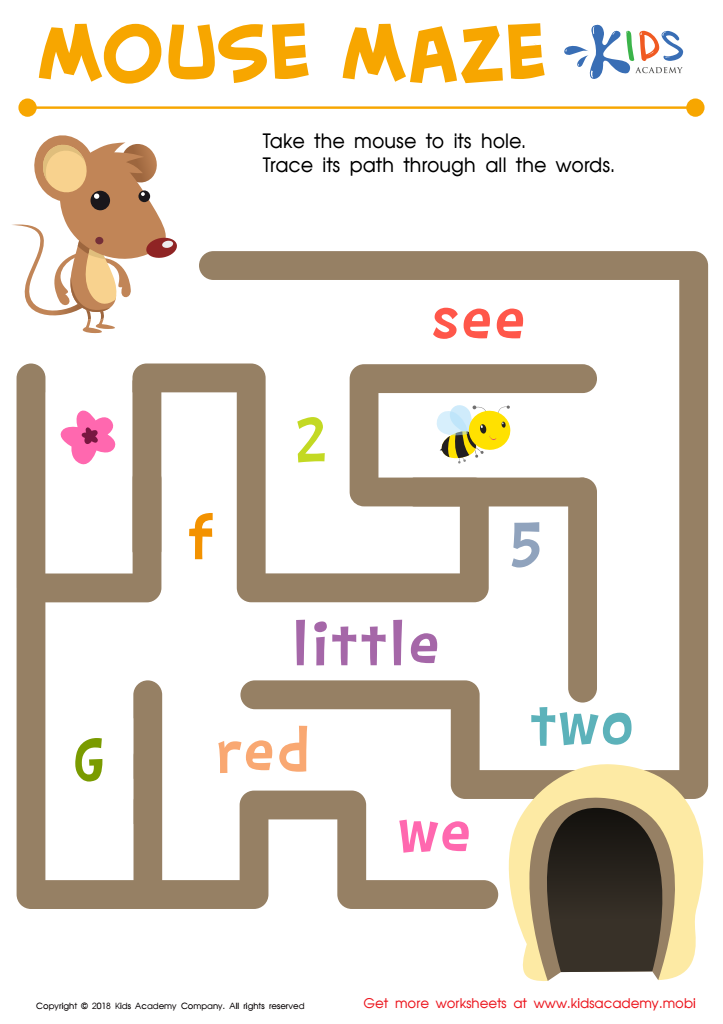
Find Words Mouse Maze Worksheet
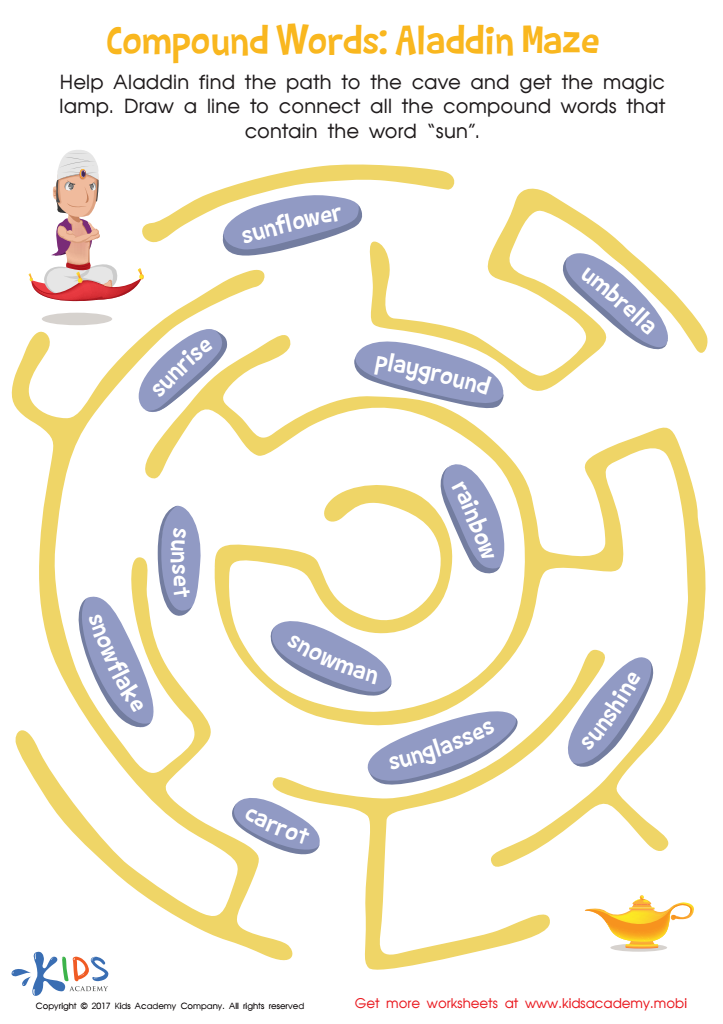
Compound Aladdin Maze Word Structure Worksheet




.jpg)

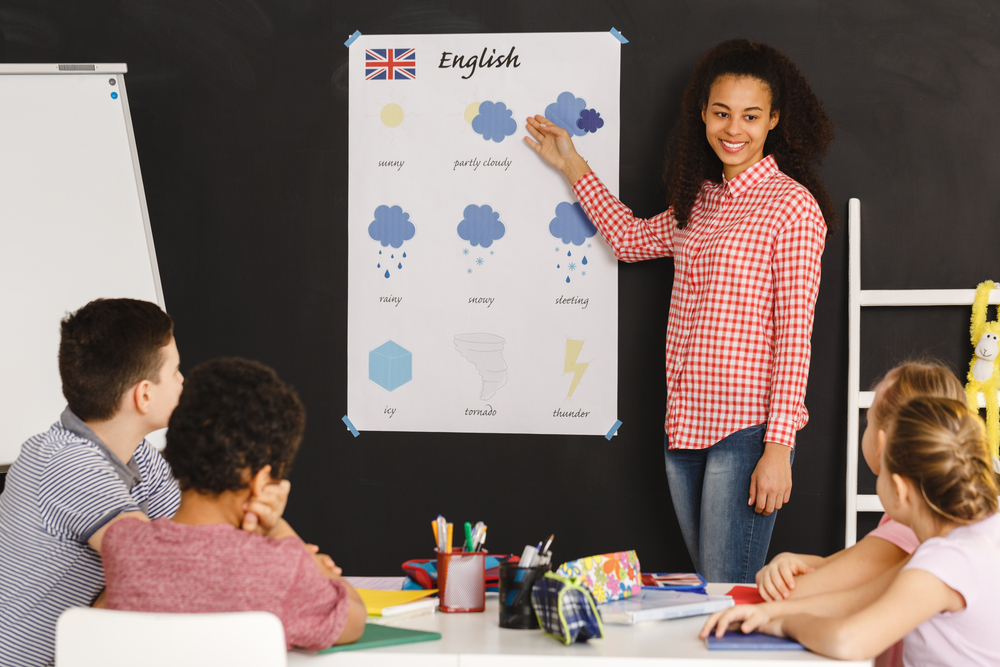

Problem-solving skills are crucial for young children, as they form the foundation for critical thinking, creativity, and resilience. For children aged 3-6, learning to navigate challenges is an essential part of their development. Parents and teachers should prioritize problem-solving skill building to foster independence and self-efficacy in young learners.
At this stage, children naturally encounter various situations that require them to think critically and adapt. By supporting the development of problem-solving skills, caregivers can enhance children's ability to analyze problems, explore options, and implement solutions. This not only boosts cognitive development but also improves social skills, as children learn to collaborate and communicate effectively with peers.
Integrating problem-solving activities into daily routines—such as puzzles, cooperative games, or simple real-life challenges—provides children with opportunities to practice these skills in a safe environment. Additionally, fostering a growth mindset encourages children to embrace setbacks as learning opportunities, which can instill resilience.
By emphasizing problem-solving skills in early education, parents and teachers equip children with essential life skills that will serve them in academics and beyond, contributing to their lifelong success and well-being. Ultimately, nurturing these skills lays the groundwork for confident and capable future learners.