Alphabet understanding ABC Order Worksheets for Ages 3-8
3 filtered results
Difficulty Level
Grade
Age
-
From - To
Subject
Activity
Standards
Enhance your child's letter recognition and sequence skills with our Alphabet Understanding ABC Order Worksheets for Ages 3-8. Perfectly designed for young learners, these engaging worksheets introduce the building blocks of vocabulary through fun activities that make learning the ABCs a delightful experience. Kids will enjoy various exercises that challenge them to arrange letters in alphabetical order while building essential literacy skills. From colorful illustrations to interactive tasks, each worksheet encourages curiosity and reinforces letter familiarity. Help your child master the fundamentals of the alphabet with these expertly crafted resources—ideal for preschool and early elementary school students.
Favorites
With answer key
Interactive
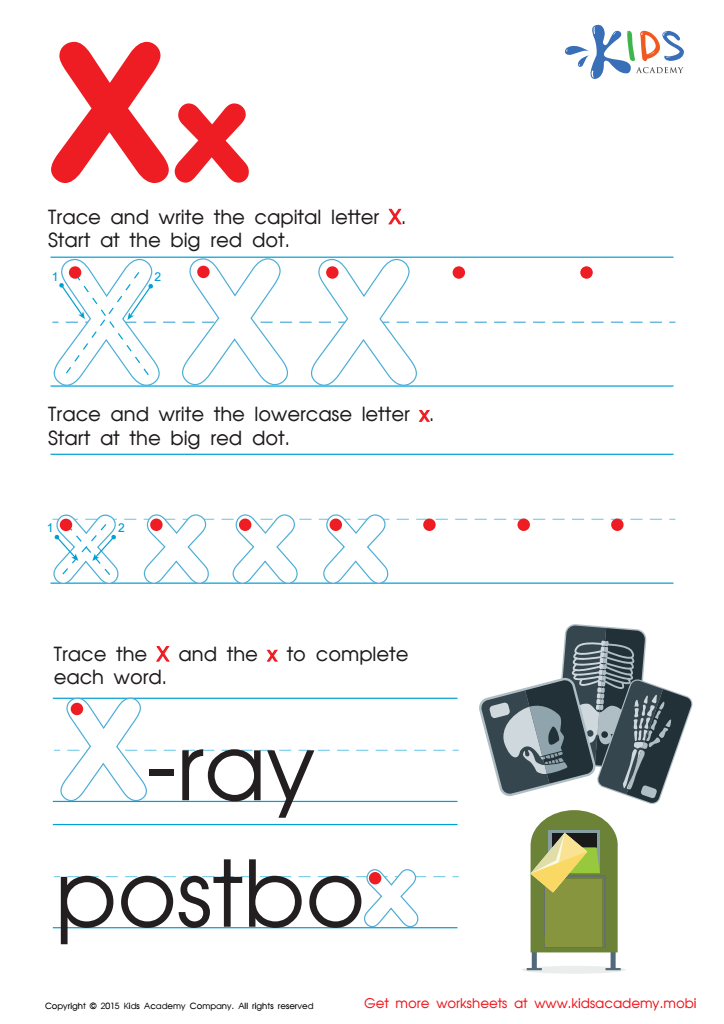
Letter X Tracing Page
Trace the uppercase letter "X" to learn, then write it yourself and practice. Then do the same with the lowercase "x" before completing the words "X-ray" and "postbox". Enjoy our alphabet printables!
 Assign to My Students
Letter X Tracing Page
Worksheet

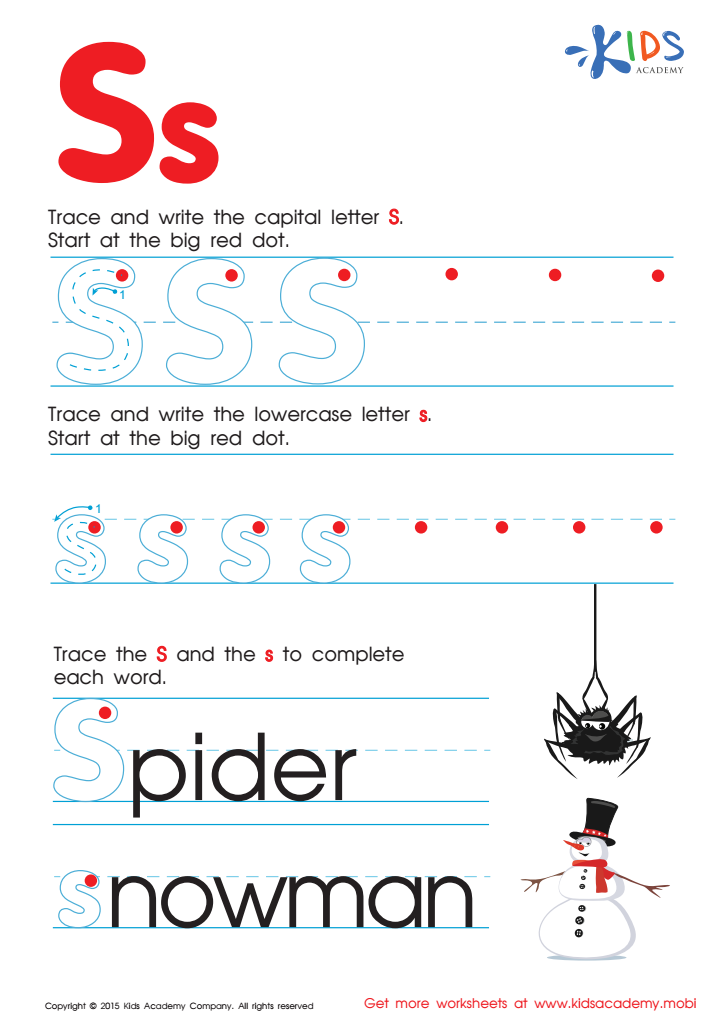
Letter S Tracing Page
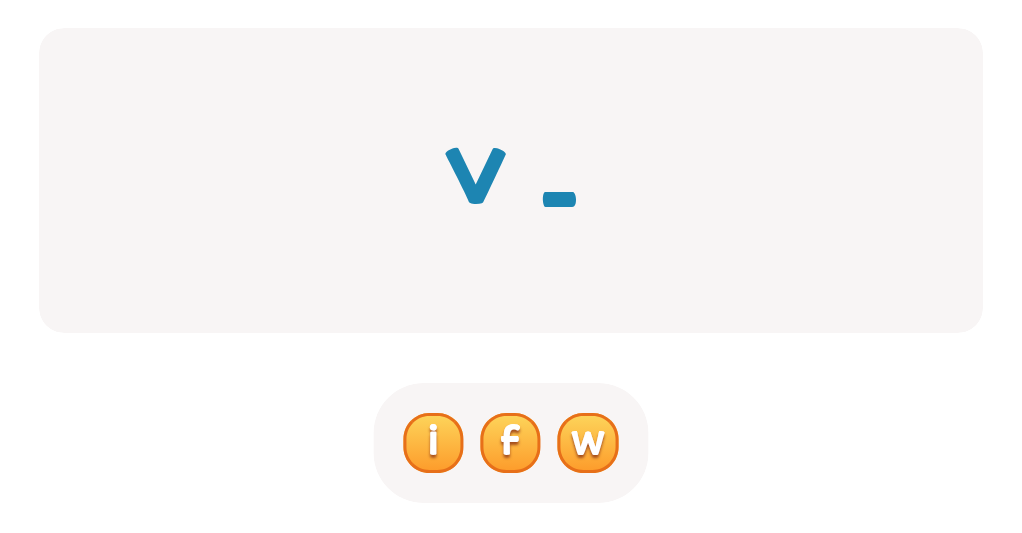
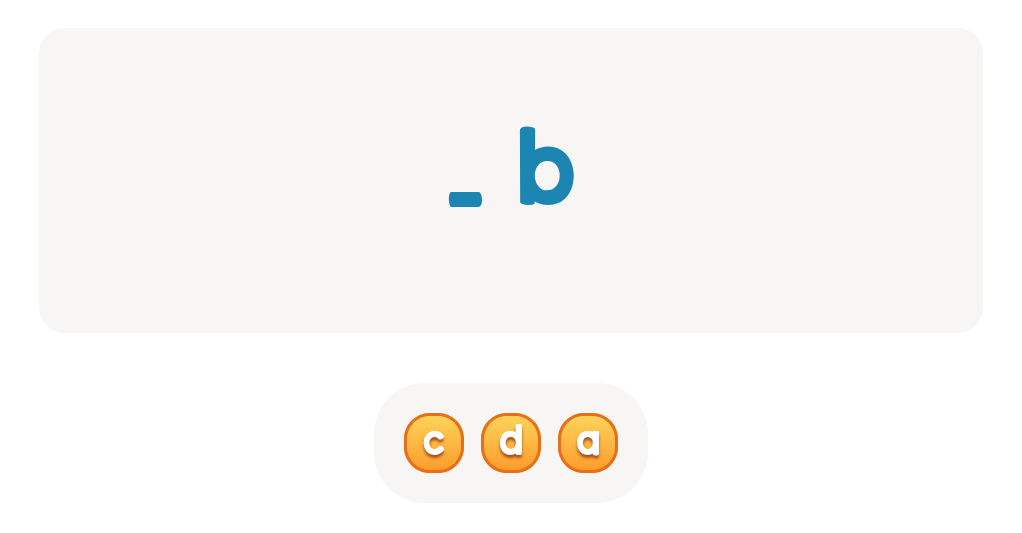
Trace and write the capital and lowercase "S" on this ABC worksheet for kindergarten. Start with the big red dot and be careful. When you finish, help the spider and snowman in the pictures restore their words with the capital and lowercase letters. Continue learning the alphabet with Kids Academy.
Letter S Tracing Page
Worksheet
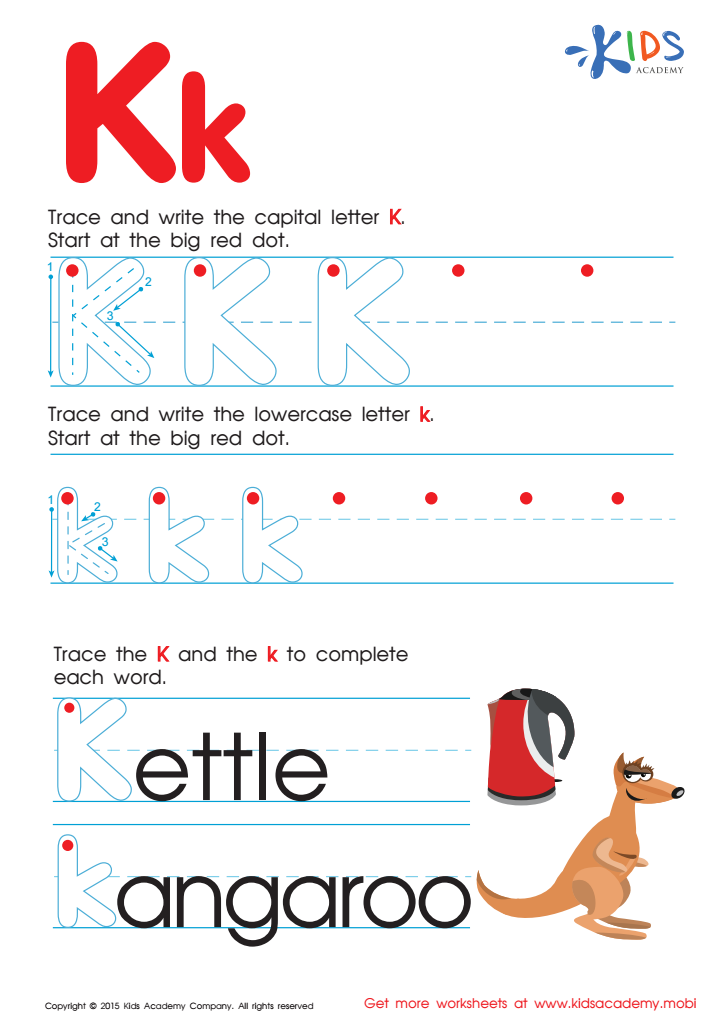
Letter K Tracing Page
Trace and write the letter K; start at the big red dot. Use it to complete words like "Kettle" and "Kangaroo". Visit Kids Academy for more free alphabet worksheets for kindergarten.
Letter K Tracing Page
Worksheet
Join Kids Academy for Free
Who is primarily going to use this learning content?







Alphabet understanding and knowledge of ABC order form the foundation for young children's literacy development, providing crucial skills that impact their overall academic success. For ages 3-8, mastering the alphabet is a vital step towards becoming proficient readers and writers. Knowing the ABCs helps children recognize letters in their names and everyday surroundings, fostering confidence and a sense of achievement.
Alphabet familiarity allows children to grasp letter-sound relationships, a fundamental aspect of phonics instruction, which is critical for decoding words and reading fluency. Understanding ABC order, on the other hand, enhances organizational skills and cognitive development. It aids in sequential thinking and memory, as children learn to classify and retrieve information efficiently.
Teachers and parents should care because these skills have far-reaching implications. When children successfully internalize the alphabet and its order, they develop strong language and communication skills. Early proficiency in these areas often correlates with higher success rates in school, boosting self-esteem and fostering a lifelong love for learning. Moreover, these foundational skills are predictors of academic achievement in other subject areas, including math and science, making early alphabet understanding a cornerstone for overall educational growth and future learning endeavors.