Improving reading skills Elementary Phonics Worksheets for Ages 3-8
3 filtered results
-
From - To
Unlock your child's reading potential with our "Improving Reading Skills" Elementary Phonics Worksheets, specifically designed for ages 3-8. These engaging worksheets focus on foundational phonics skills, helping young learners recognize letters and sounds while building essential pre-reading abilities. Tailored to foster a love for learning, our resources encourage interactive practice that makes phonics fun and accessible. Parents and educators can easily incorporate these worksheets into daily learning routines to boost literacy skills and confidence. With vibrant illustrations and varied activities, children will enjoy developing their reading skills while enjoying the journey of discovering new words and sounds. Start your reading adventure today!
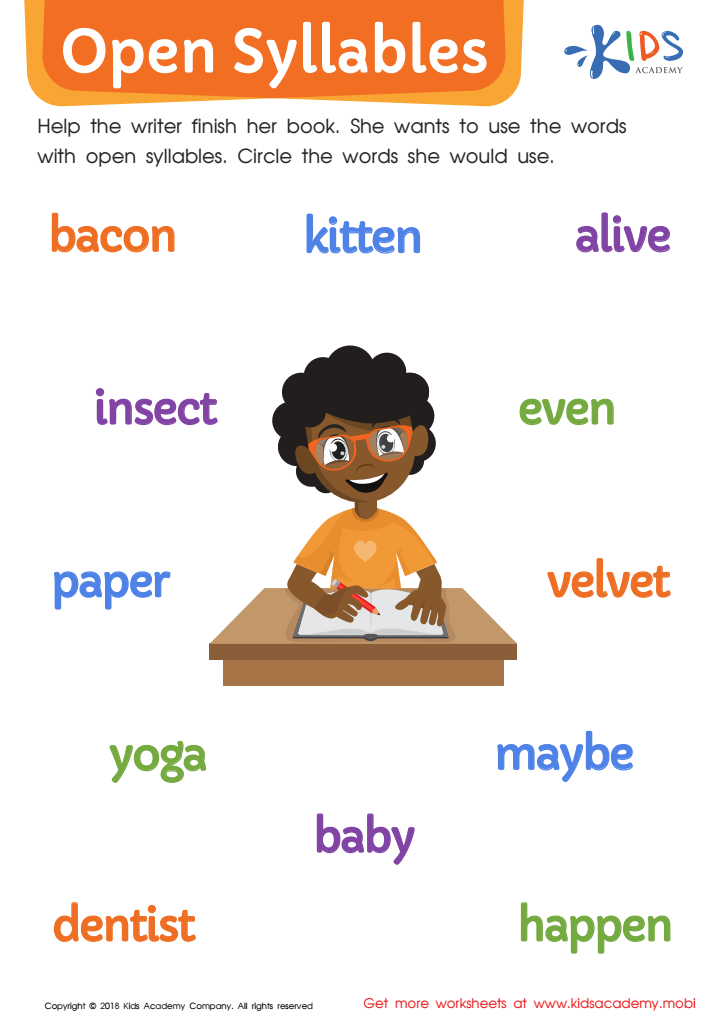
Open Syllables Worksheet
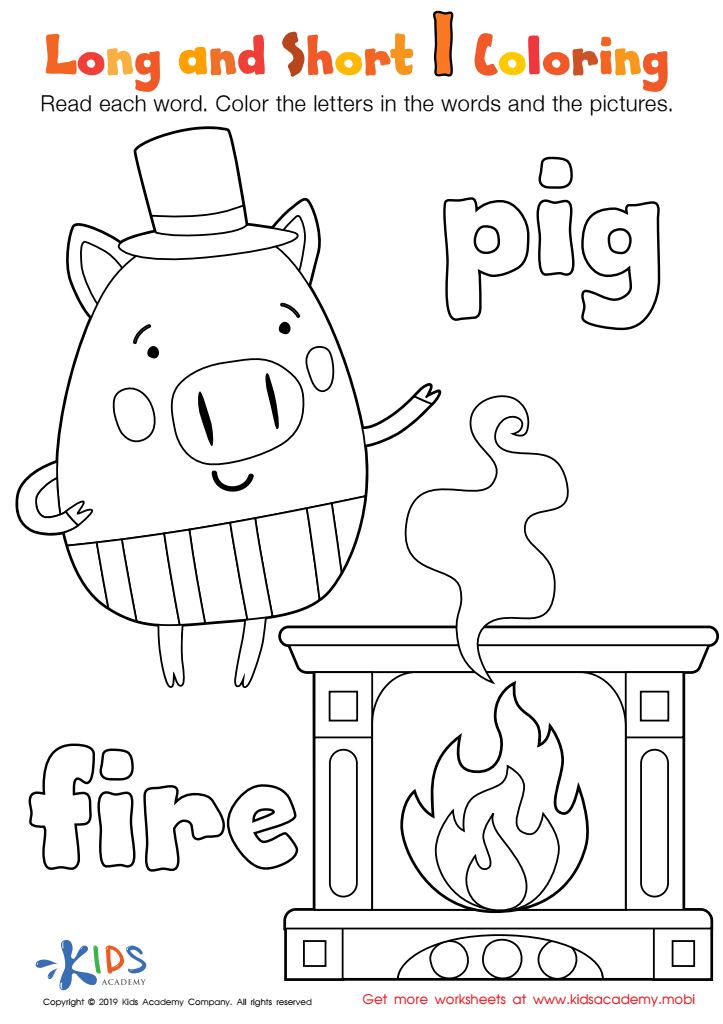
Long and Short I Worksheet
 Assign to My Students
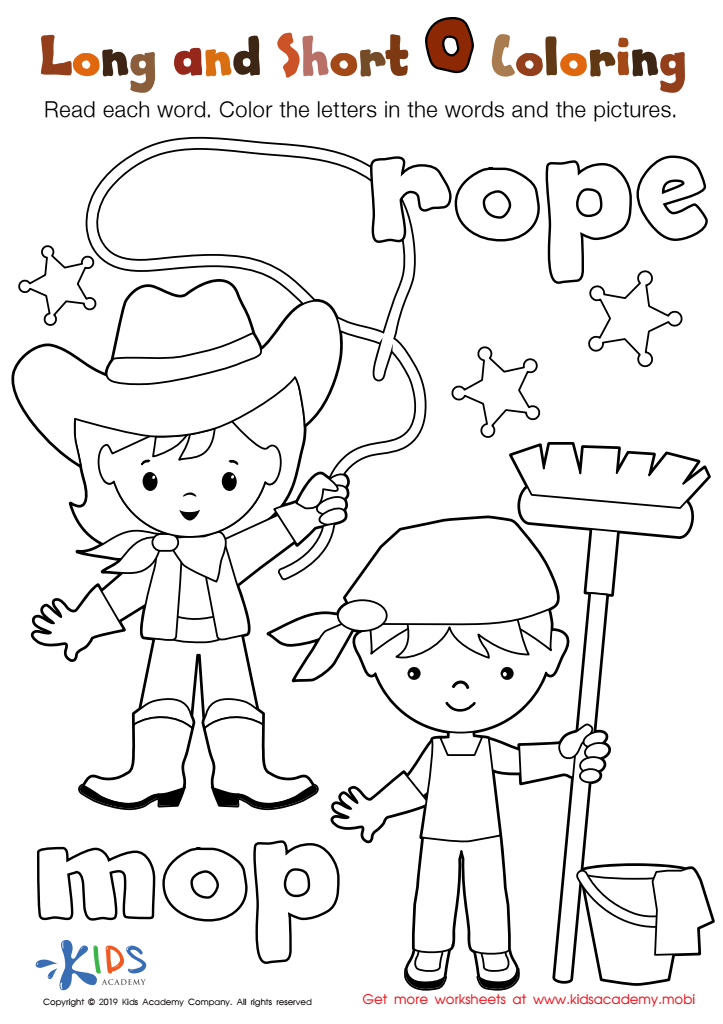
Long and Short O Worksheet
Assign to My Students




Improving reading skills through elementary phonics for children aged 3-8 is crucial for several reasons. First, phonics forms the foundation of reading by helping children understand the relationship between letters and sounds. This knowledge empowers them to decode new words, enhancing their reading fluency and comprehension. Early mastery of phonics ensures that children build confidence as learners, fostering a love for reading that can last a lifetime.
Moreover, reading proficiency is directly linked to academic success across subjects. Early readers are better prepared to tackle vocabulary and concepts in science, math, and social studies, making phonics an essential tool for holistic education. As children progress through school, gaps in reading skills can widen, leading to frustration and disengagement.
Additionally, strong reading skills improve communication abilities, a crucial competence for future social and professional interactions. It also helps cultivate critical thinking skills, enabling kids to analyze and interpret information effectively. By prioritizing phonics and reading skill development, parents and teachers lay the groundwork for lifelong learning, personal growth, and future opportunities, ultimately shaping confident individuals who are ready to engage with the world around them. In essence, supporting phonics development is an investment in a child's future success.







