Alphabet Recognition Letter Sounds Worksheets for Ages 3-8
4 filtered results
-
From - To
Discover engaging and educational "Alphabet Recognition Letter Sounds Worksheets" designed for children ages 3-8! These expertly crafted worksheets help young learners develop essential literacy skills by focusing on letter recognition and phonetic sounds. Perfect for Pre-K to 2nd grade, each colorful and interactive page encourages kids to match letters with corresponding sounds, practice tracing, and complete fun, themed activities. Ideal for both classroom and at-home learning, our worksheets provide a solid foundation for reading success. Foster a love for learning, boost confidence, and support early education with our effective learning tools!
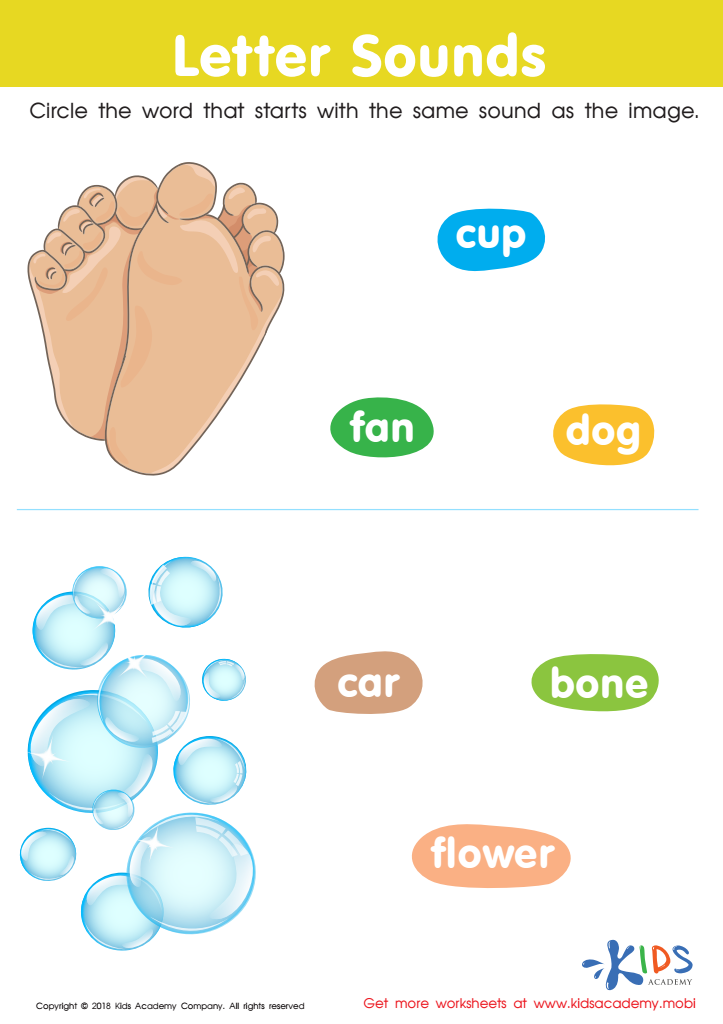
letter sounds Worksheet
 Assign to My Students
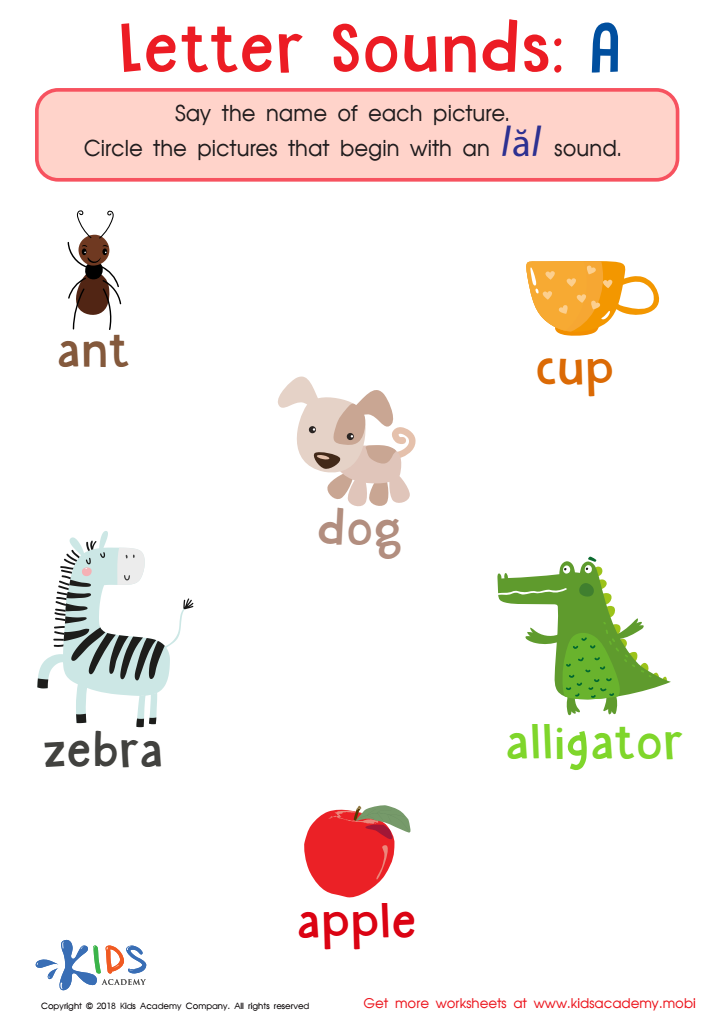
Letter A Sounds Worksheet
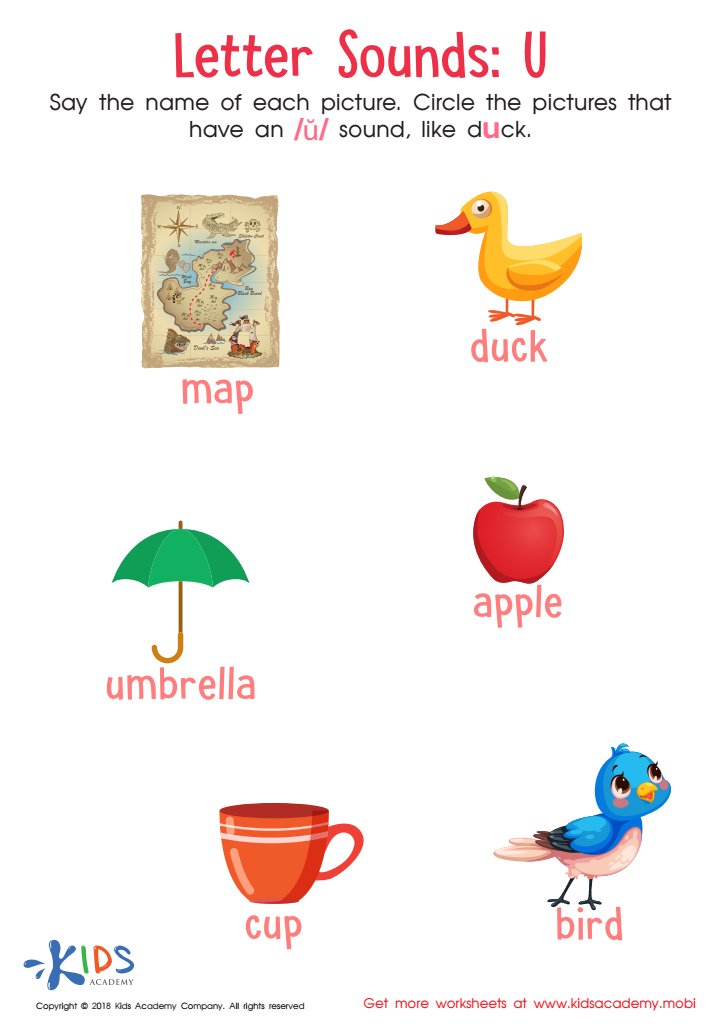
Letter U Sounds Worksheet
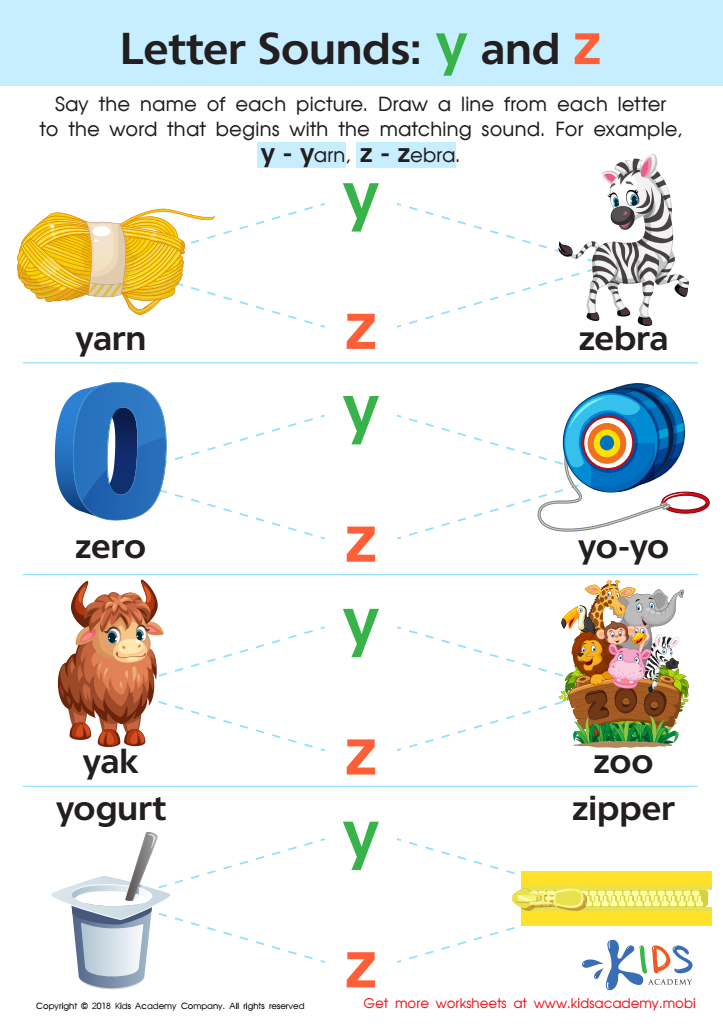
Letter Y and Z Sounds Worksheet








Alphabet recognition and letter sounds are fundamental skills for children ages 3-8 because they serve as the cornerstone of literacy development. Understanding the alphabet and its associated sounds unlocks the door to reading and writing, essential components of communication, learning, and critical thinking.
By mastering alphabet recognition, children can confidently identify and differentiate between letters, a skill integral to decoding words. Recognizing letter sounds, or phonemic awareness, enables children to connect letters to their respective sounds. This phonetic understanding builds a competent reader, allowing children to "sound out" unfamiliar words, a strategy known as phonics.
For parents and teachers, prioritizing these skills can set children on a path of academic success and a lifelong love of learning. Children who grasp alphabet recognition and letter sounds early on are more likely to enjoy reading activities, subsequently improving their vocabulary, comprehension, and ability to articulate ideas. Additionally, early literacy skills are predictive of higher achievement in all academic areas.
Supporting alphabet recognition and letter sounds also fosters better concentration, confidence, and resilience in young learners. Through engaging, playful activities centered on these building blocks of language, parents and teachers are investing in children's overall cognitive, social, and emotional development, thus preparing them for the challenges of formal education and beyond.







