Alphabet sequencing Tracing Letters Worksheets for Ages 3-8
3 filtered results
-
From - To
Discover our Alphabet Sequencing Tracing Letters Worksheets, meticulously crafted for children aged 3-8. These engaging resources help little learners master alphabet sequencing, develop fine motor skills, and enhance letter recognition. With charming designs and clear instructions, our worksheets ensure that kids stay motivated and enjoy learning. Ideal for preschool and early elementary, these printable tools support foundational literacy skills, preparing young minds for successful reading and writing. Whether for classroom or home use, our Alphabet Sequencing Tracing Letters Worksheets offer comprehensive practice for each letter, fostering confidence and early academic performance in a fun, interactive way!
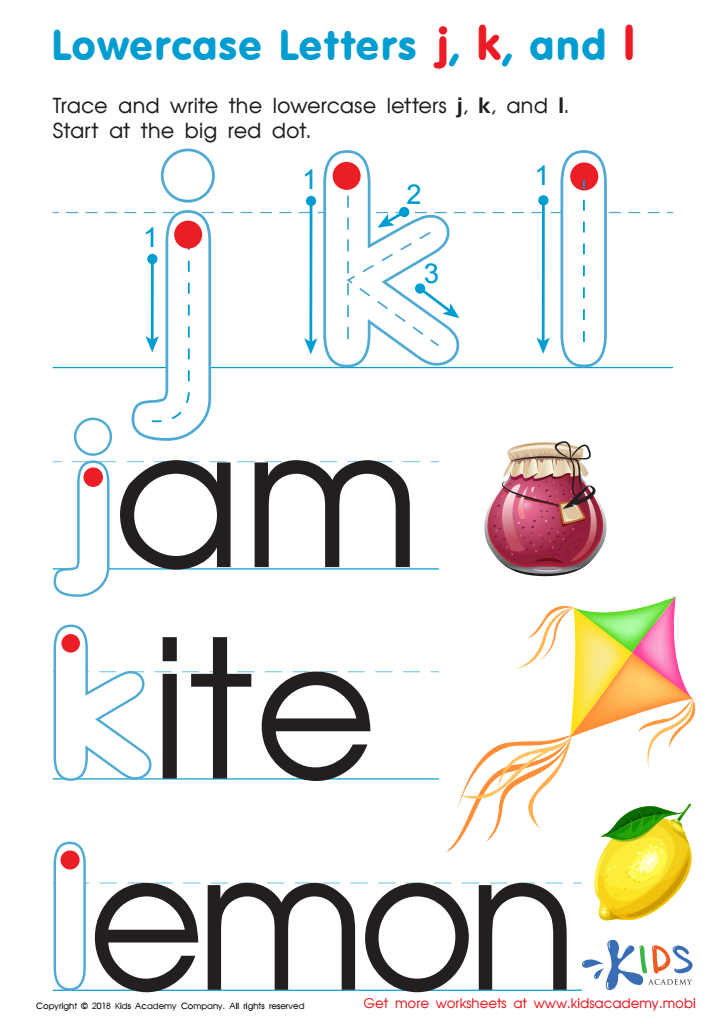
Lowercase Letters j k l Worksheet
 Assign to My Students
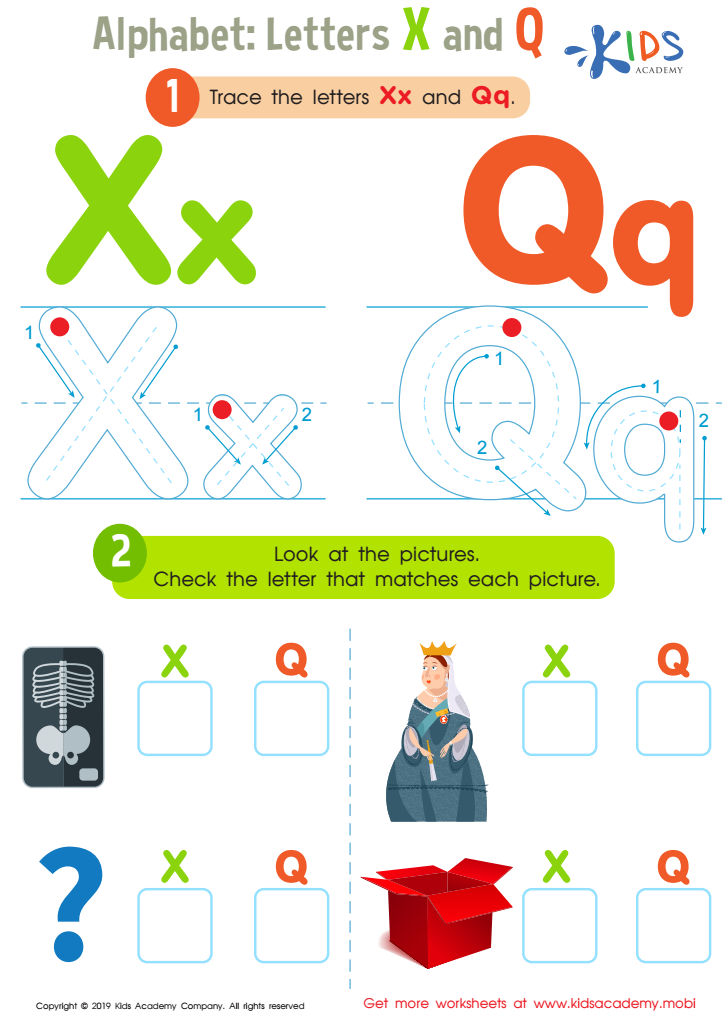
Letters X and Q Tracing Worksheet
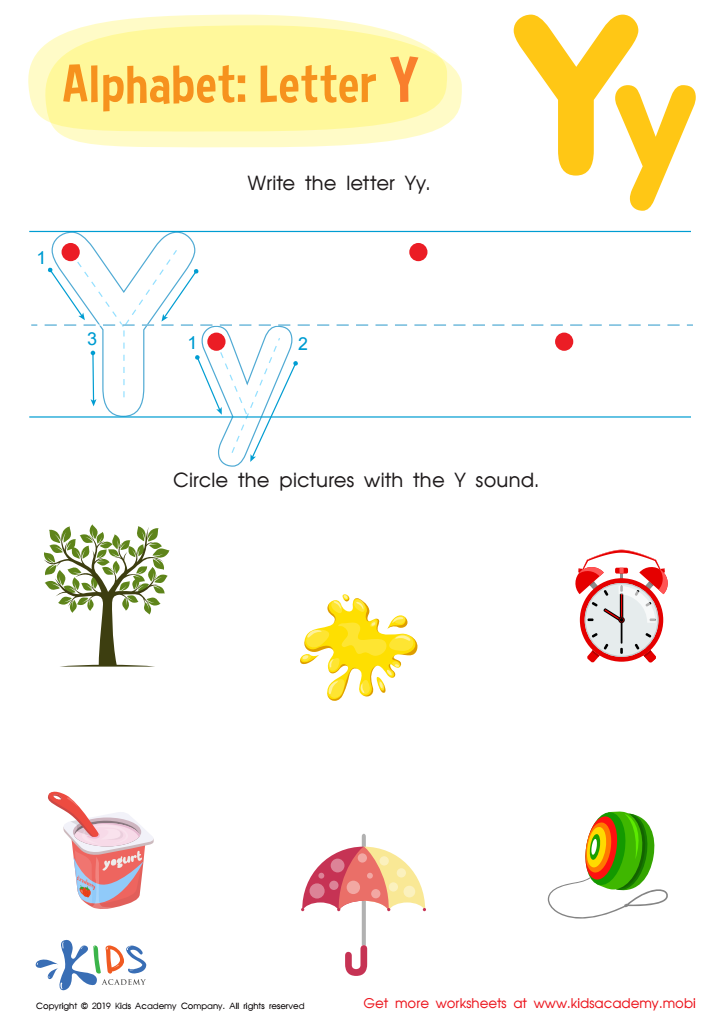
Letter Y Tracing Worksheet








Alphabet sequencing and tracing letters are foundational skills crucial for the cognitive and academic development of children aged 3-8. Mastering these skills promotes strong literacy abilities, which form the bedrock for future learning across all subjects.
Firstly, alphabet sequencing helps kids understand letter order, which is essential for dictionary use, spelling, and overall language proficiency. This knowledge enables children to decode words fluently, leading to better reading skills. Moreover, sequencing enhances memory and organizational skills, which are essential for complex problem-solving and logical reasoning.
Tracing letters, on the other hand, builds fine motor skills, hand-eye coordination, and muscle memory. These activities prepare young learners for more advanced tasks such as writing sentences and, eventually, entire paragraphs. By repeatedly tracing letters, children also become familiar with their shapes and sounds, which reinforces phonics and aids in the recognition of letter patterns in words.
Both alphabet sequencing and letter tracing are engaging and enjoyable for young learners, often involving activities that enhance creativity and imagination. This, in turn, fosters a love for learning. Therefore, parents and teachers should emphasize these activities to ensure children develop essential literacy skills, setting them on a path for academic success and lifelong learning.








