Hand-eye Coordination Vowels Worksheets for Ages 3-8
4 filtered results
-
From - To
Enhance your child’s learning journey with our "Hand-eye Coordination Vowels Worksheets" designed for ages 3-8. These engaging printable worksheets are perfect for young learners to practice recognizing and writing vowels while developing essential hand-eye coordination skills. Each activity combines fun tracing and coloring exercises that stimulate cognitive growth and fine motor development. Ideal for both classroom and at-home learning, our expertly crafted worksheets make foundational skills exciting and accessible. Help your child build a strong literacy foundation with our interactive and educational resources tailored to nurture the minds of early learners. Start exploring today!
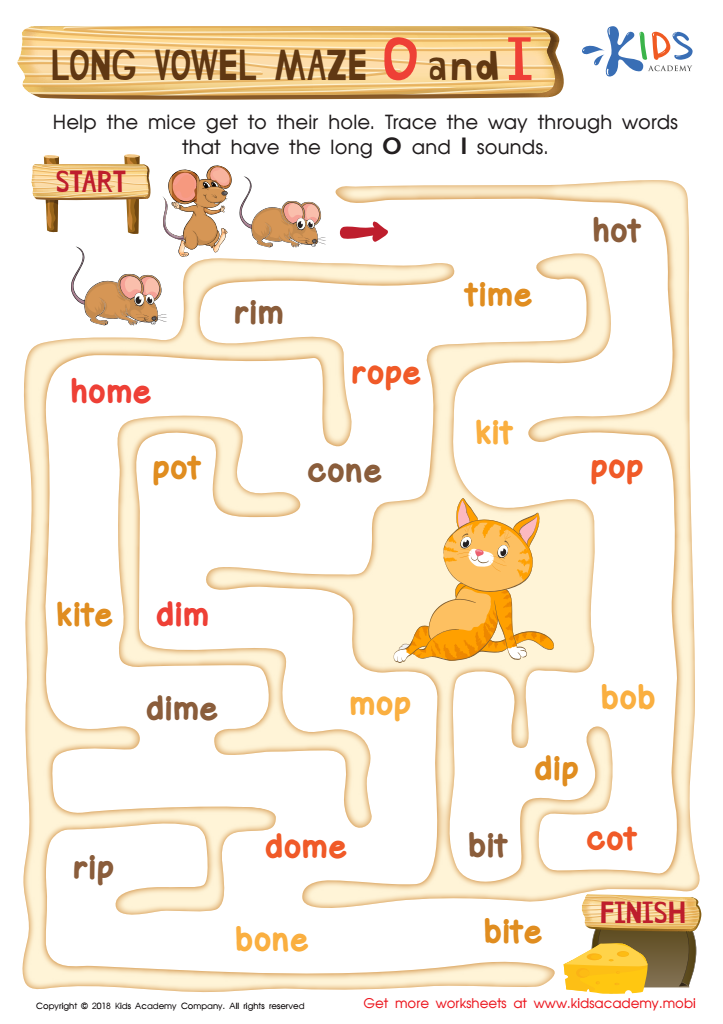
Long Vowel Maze /o/ and /i/ Worksheet
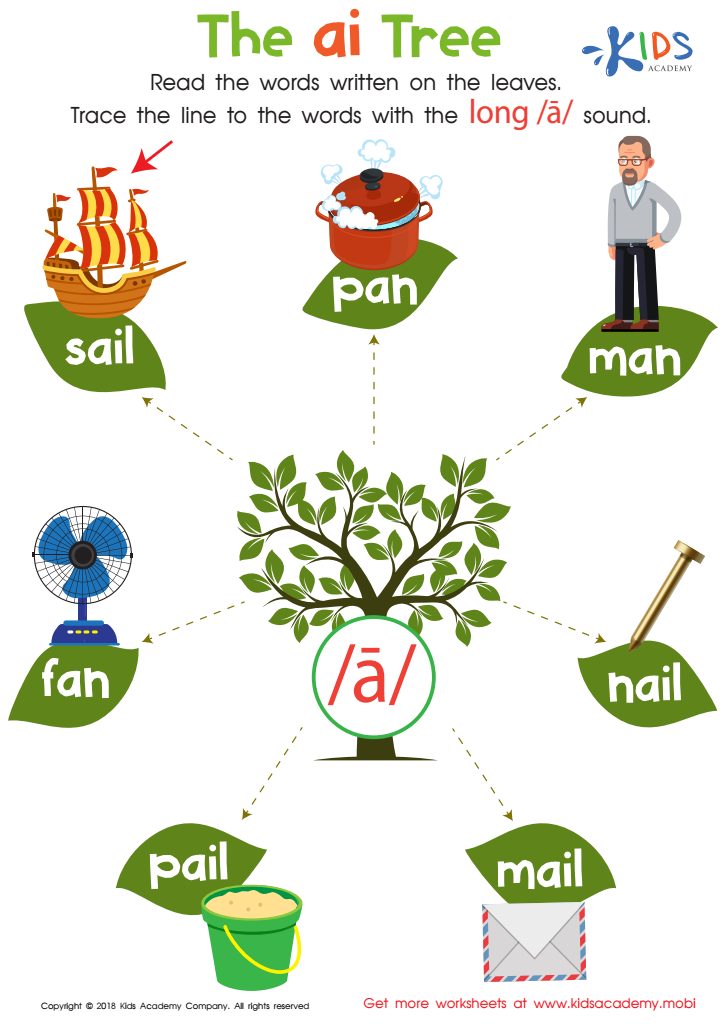
The AI Tree Worksheet
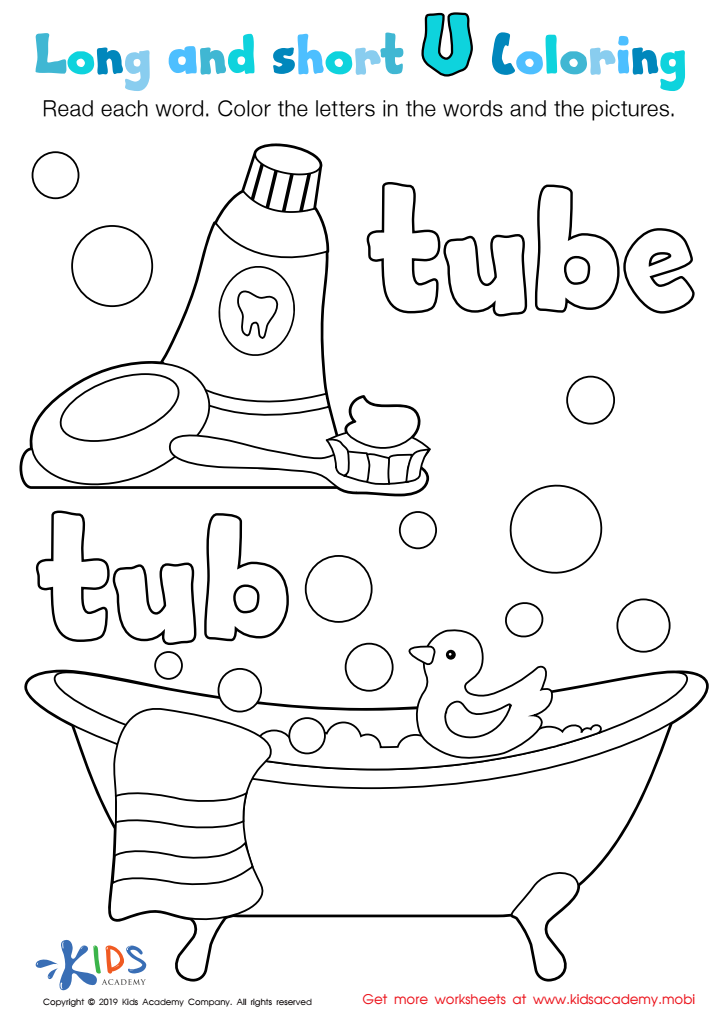
Long and Short U Worksheet
 Assign to My Students

Long and Short E Worksheet
Assign to My Students





Parents and teachers should prioritize the development of hand-eye coordination in children aged 3-8, particularly through engaging activities like Hand-eye Coordination Vowels, as it plays a critical role in their overall growth and daily functioning. This developmental skill is foundational for many everyday tasks and academic abilities, including writing, drawing, and using scissors.
Engaging children in activities that involve recognizing and manipulating vowels can simultaneously enhance their literacy skills and fine motor control. By practicing identifying and arranging vowel letters, children improve their ability to focus, track moving objects, and coordinate their hand movements with what they see. This combination practice boosts cognitive processing and physical aptitude, preparing children for more complex tasks in the future.
Additionally, developing hand-eye coordination has a direct impact on a child's confidence and independence. Successfully completing these tasks provides a sense of accomplishment, encouraging perseverance and a positive attitude towards challenging activities. When hand-eye coordination and phonetic awareness are nurtured simultaneously, children experience a harmonious growth in both physical and intellectual domains, laying a solid foundation for future educational success. Therefore, it is crucial for parents and teachers to integrate such wholesome, multi-faceted activities into early childhood education to support balanced development.







