International Chess Day Worksheets for Ages 3-8
6 filtered results
-
From - To
Celebrate International Chess Day with our fun and educational worksheets designed for children aged 3-8! These engaging activities introduce young learners to the world of chess while enhancing their creativity and critical thinking skills. Our worksheets feature vibrant coloring pages, simple chess piece identification exercises, and interactive puzzles that make learning about this classic game enjoyable and accessible. Perfect for home or classroom use, these resources promote cognitive development and a love for strategy games. Download now and let your little ones embark on a playful adventure that fosters their interest in chess and sharpens their problem-solving abilities!
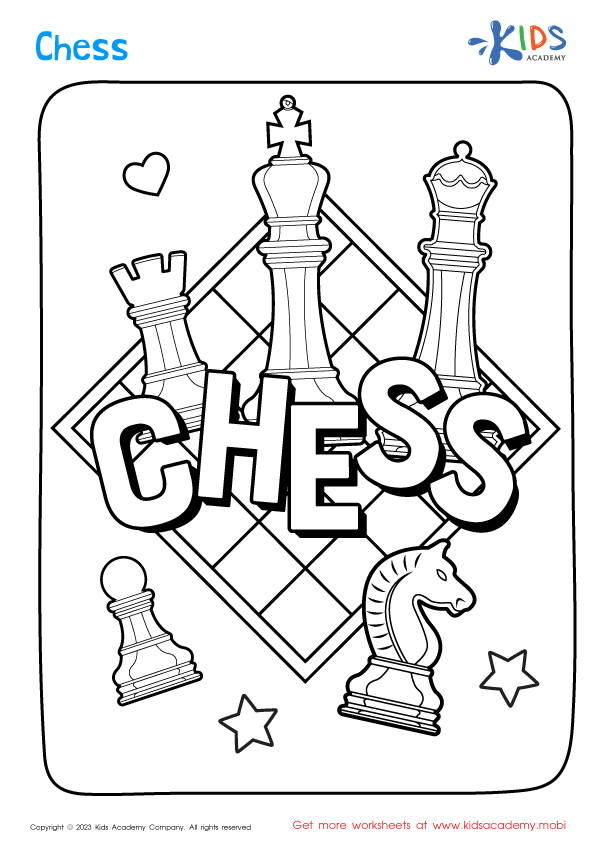
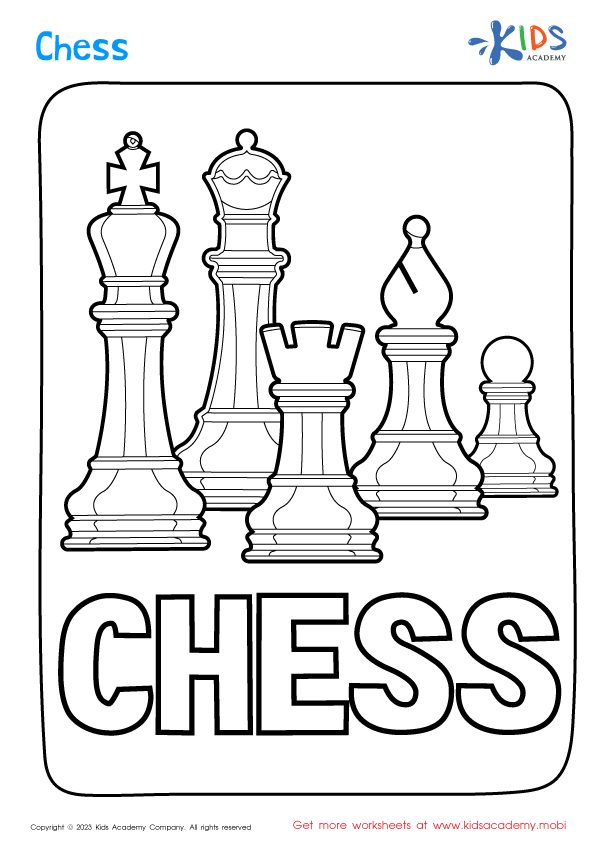
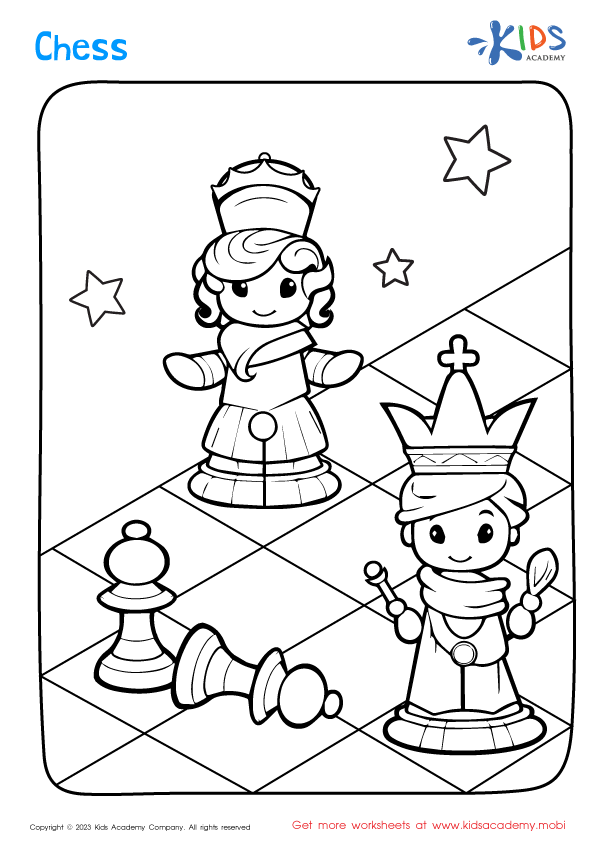
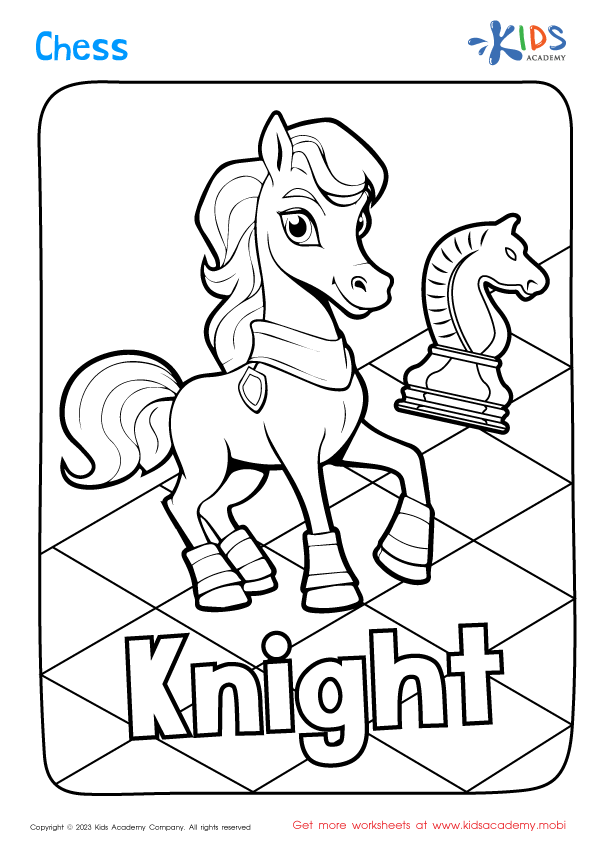
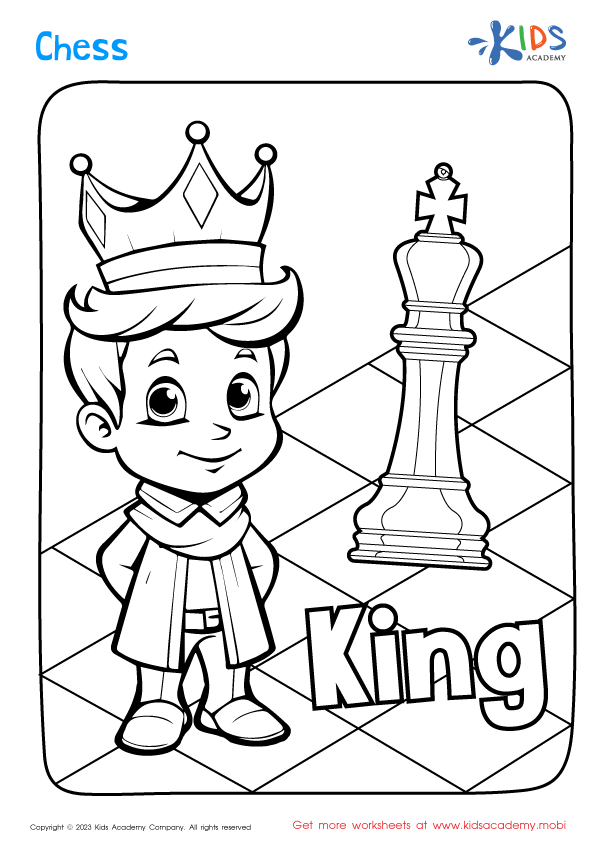
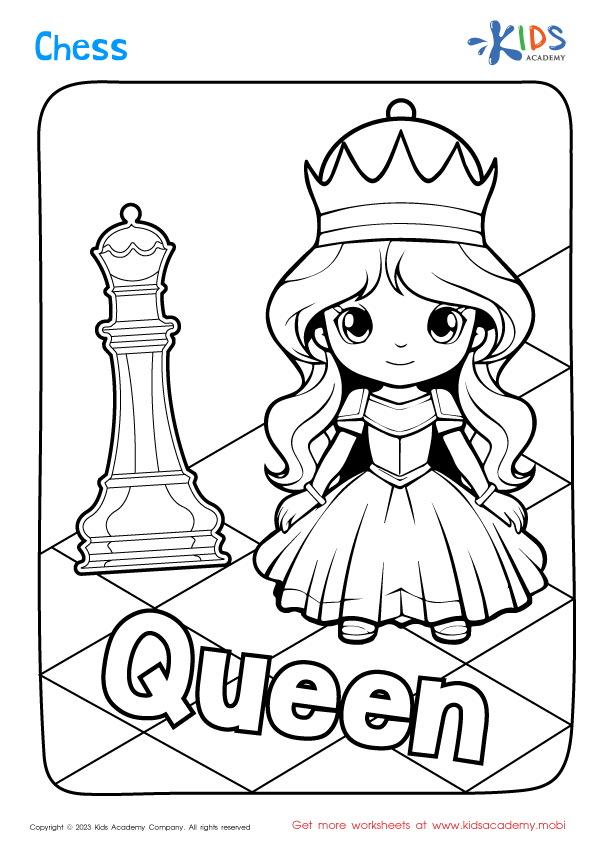


International Chess Day, celebrated on July 20th, is a wonderful opportunity for parents and teachers to introduce young children, ages 3-8, to the ancient game of chess. Advocating for chess at such an early age helps children's cognitive development, fostering critical thinking, problem-solving skills, and strategic planning. Engaging in chess stimulates creativity as children learn to visualize moves and consider outcomes.
Moreover, chess promotes social interaction, teaching children vital life skills such as sportsmanship, patience, and respect for opponents. It can serve as a fun and engaging way for parents and teachers to bond with children, both in educational settings and at home.
Additionally, introducing chess early can lead to lifelong benefits, as research suggests that children who play chess perform better academically, especially in mathematics and reading, as they learn to concentrate and apply logic.
Celebrating International Chess Day allows parents and teachers to create a global awareness about the game and its value in developing young minds. Organizing local events or participating in community tournaments also instills a sense of community and teamwork within children, reinforcing the importance of collaborative learning and coexistence.