Filters

6 filtered results

Clear all filters
Favorites
With answer key
Interactive

6 filtered results

Difficulty Level

Grade


Boost your child's listening and comprehension skills with our "Following Instructions English for Beginners" worksheets, tailored for ages 3-8. Designed to help young learners understand and follow simple directions, these interactive activities make learning English fun and engaging. Each worksheet presents easy-to-follow tasks that enhance vocabulary, cognitive development, and language skills. Perfect for both home and classroom use, our printable resources provide a strong foundation in understanding and responding to verbal instructions. Create a positive learning experience and watch your child succeed with our expertly crafted worksheets. Start exploring today at Kids Academy!

Check out this FREE Trial Lesson on English for Beginners for age 3-8!

X

Favorites
With answer key
Interactive
  • 3-8
  • Following instructions
  • English for Beginners
Red and Blue Coloring Fun Worksheet

Red and Blue Coloring Fun Worksheet

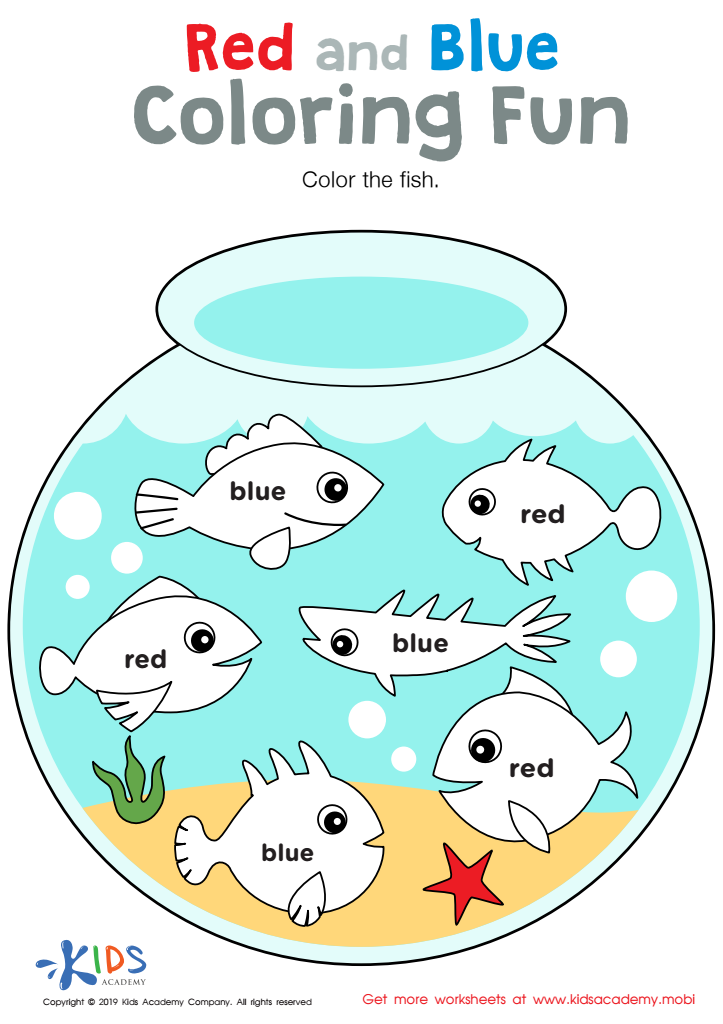
Kids know colors like red and blue. But can they read these words? Give them practice with this fun fish bowl coloring sheet. They'll look at the fish, then color them the corresponding hue. Home or classroom, they'll be sure to get a kick out of learning colors in this creative way!
Download (PDF)
Assign to My Students
Red and Blue Coloring Fun Worksheet
Worksheet
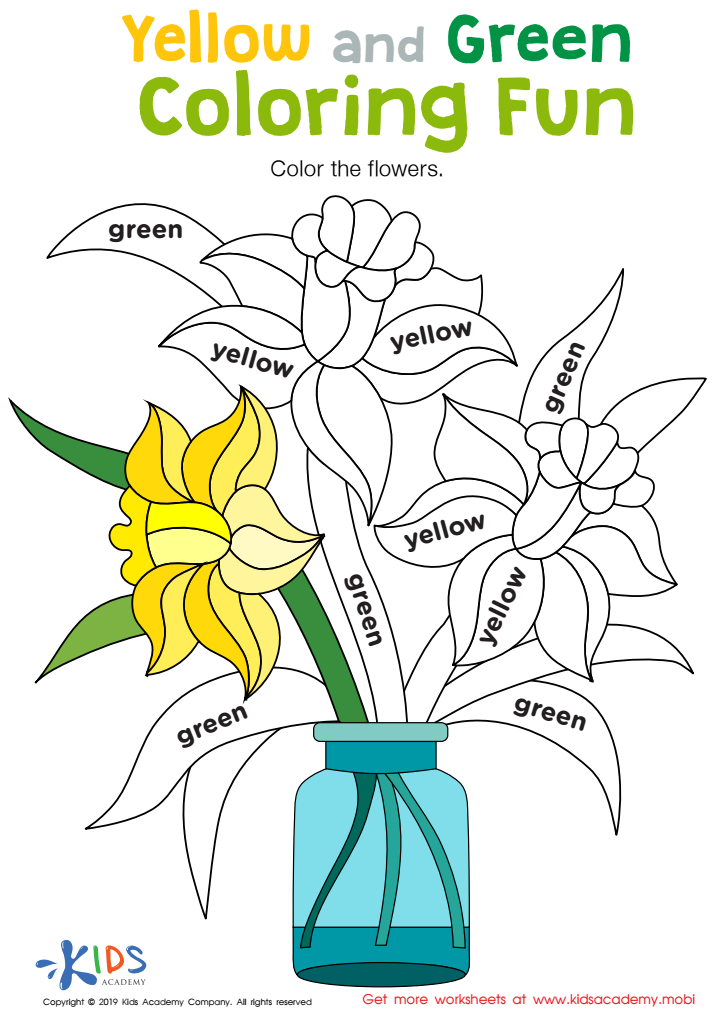
Yellow and Green Coloring Fun Worksheet

Yellow and Green Coloring Fun Worksheet

Sight words like "yellow" and "green" are easy to teach and fun for kids to learn. This free downloadable worksheet has kids read the color words and color the flower with yellow and green. A great activity for learning to read color words!
Download (PDF)
Assign to My Students
Yellow and Green Coloring Fun Worksheet
Worksheet
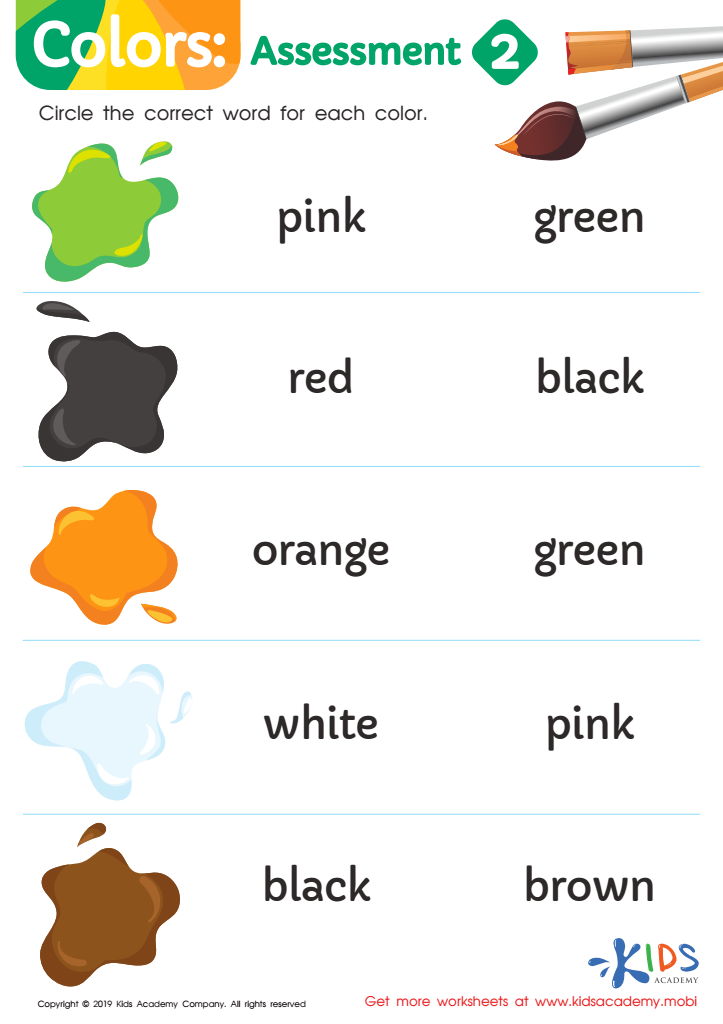
Colors: Assessment 2 Worksheet

Colors: Assessment 2 Worksheet

Teach color words to young students to build fluency and confidence. Check knowledge with an assessment worksheet. Have students look at paint samples and circle the correct color word. This assessment helps parents and teachers measure a child’s accuracy when reading color words.
Colors: Assessment 2 Worksheet
Worksheet
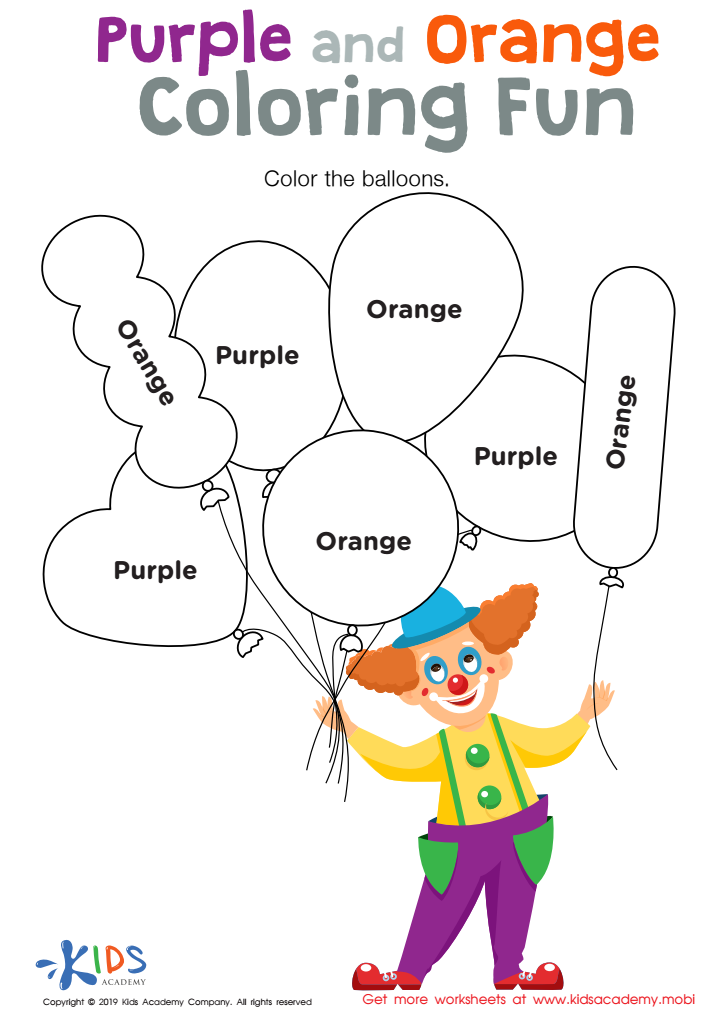
Purple and Orange Coloring Fun Worksheet

Purple and Orange Coloring Fun Worksheet

Children should learn to read color words early on. This coloring worksheet helps with that! Kids read the words "purple" and "orange" on each balloon and color them accordingly. It's a great activity for boosting literacy and having fun at the same time! Watch your child gain more reading confidence with this cute clown printable.
Download (PDF)
Assign to My Students
Purple and Orange Coloring Fun Worksheet
Worksheet
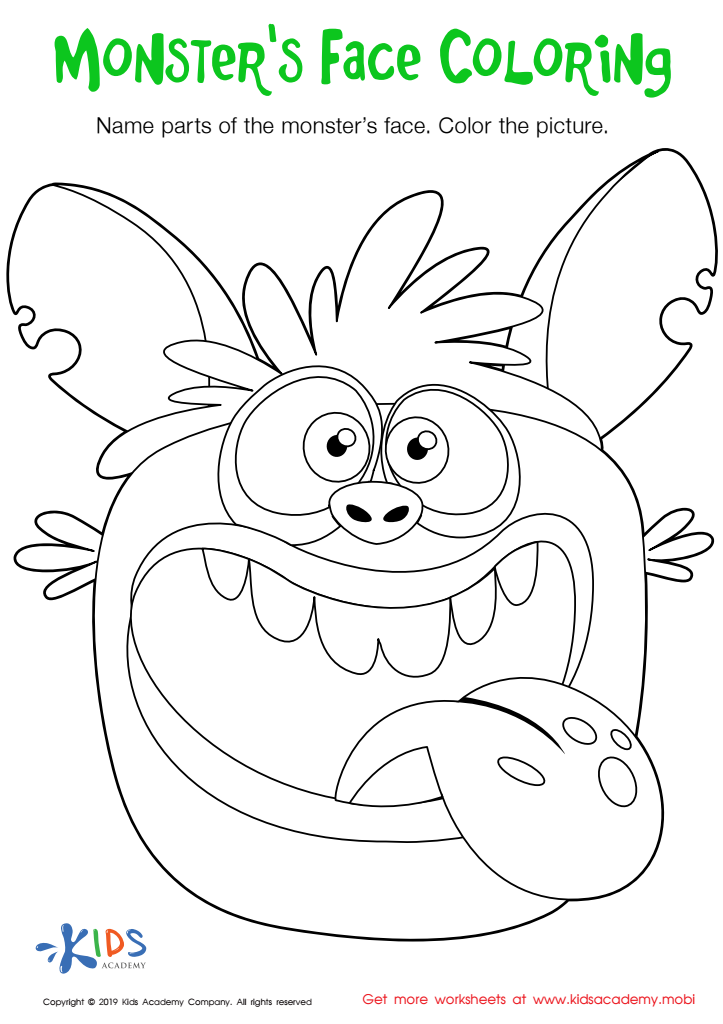
Monster's Face Coloring Worksheet

Monster's Face Coloring Worksheet

Have your students practice identifying face parts with this fun worksheet. Teach them how to say eyes, nose, mouth, and ears. Help them master these words so they can express themselves better. And have some fun with the monster coloring page too!
Download (PDF)
Assign to My Students
Monster's Face Coloring Worksheet
Worksheet
White and Pink Coloring Fun Worksheet

White and Pink Coloring Fun Worksheet

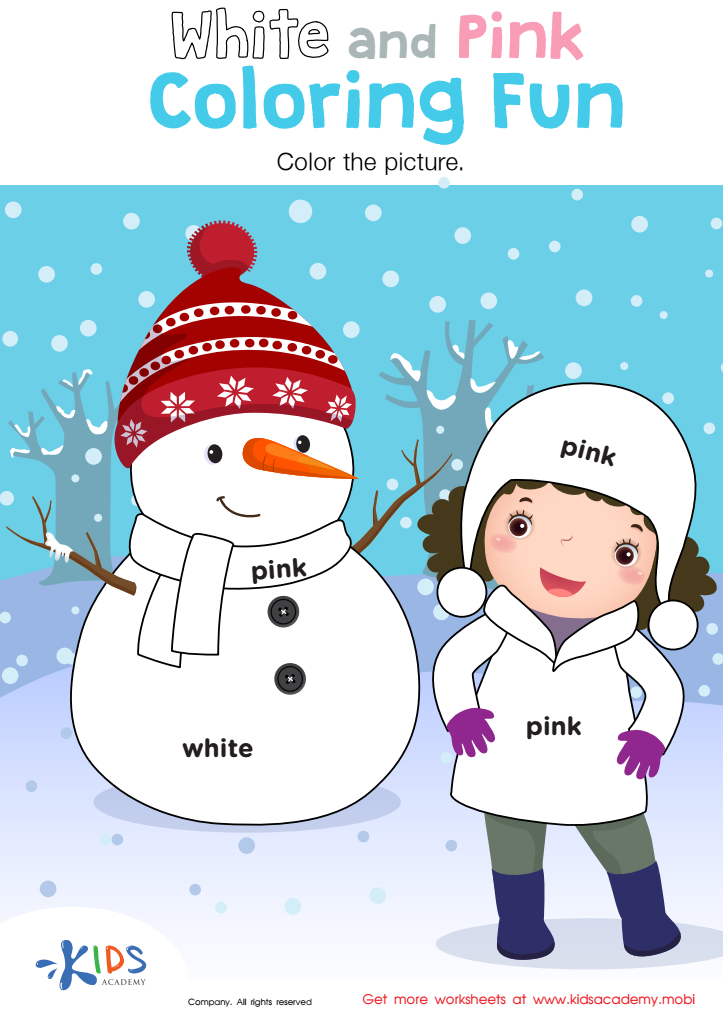
Preschoolers and kindergarten students can practice reading sight words with this fun worksheet, featuring a winter scene. Have them color the snowman white and the clothing pink. This activity is a great way to learn common sight words like white and pink and help them become confident, fluent readers.
Download (PDF)
Assign to My Students
White and Pink Coloring Fun Worksheet
Worksheet


Focusing on following instructions in English for beginners, especially for children aged 3-8, is crucial for several developmental reasons. Firstly, this age group is in a critical period for language acquisition. Teaching them to follow instructions in English creates a strong linguistic foundation that will support learning in other academic subjects. Being proficient in understanding and executing instructions helps enhance cognitive skills like attention, memory, and comprehension.

Secondly, practice with following instructions builds essential social and emotional skills. It instills discipline and the ability to listen attentively—attributes that are invaluable not just in educational settings but also in daily life. As children adhere to instructions, they develop a sense of responsibility and the ability to collaborate effectively with peers and adults, which fosters teamwork and respect.

Engagement with instructions in English also increases a child's confidence and comfort in a bilingual or multilingual environment, giving them an edge in our increasingly globalized world. Parents and teachers should emphasize this practice to not only help children achieve academic success but also to equip them with life skills that promote positive relationships and future independence. Therefore, dedicating time and resources to this aspect of learning offers long-lasting benefits for young learners.