Filters

7 filtered results

Clear all filters
Favorites
With answer key
Interactive

7 filtered results

Difficulty Level

Grade


Unlock your child's potential with our "Motor Skills Development English for Beginners Worksheets" designed for ages 3-8! These engaging worksheets blend language learning with motor skill enhancement, encouraging your little ones to gain control of their movements while mastering English vocabulary. Each activity promotes fine motor skills through tracing letters, coloring, and cutting shapes, making learning fun and interactive. Our thoughtfully crafted resources support early education by fostering coordination and confidence in young learners. Perfect for parents and educators alike, these worksheets pave the way for a strong foundation in both language and motor development, setting children up for success in their educational journey!


Check out this FREE Trial Lesson on English for Beginners for age 3-8!

H

Favorites
With answer key
Interactive
  • 3-8
  • Motor skills development
  • English for Beginners
Letter H worksheets
Letter H worksheets

Letter H Tracing Page

Trace the letter "H", then practice writing its lowercase form. Finally, choose your favorite form of transport and ride away! Get our worksheets to make learning fun and easy.
Letter H Tracing Page
Worksheet
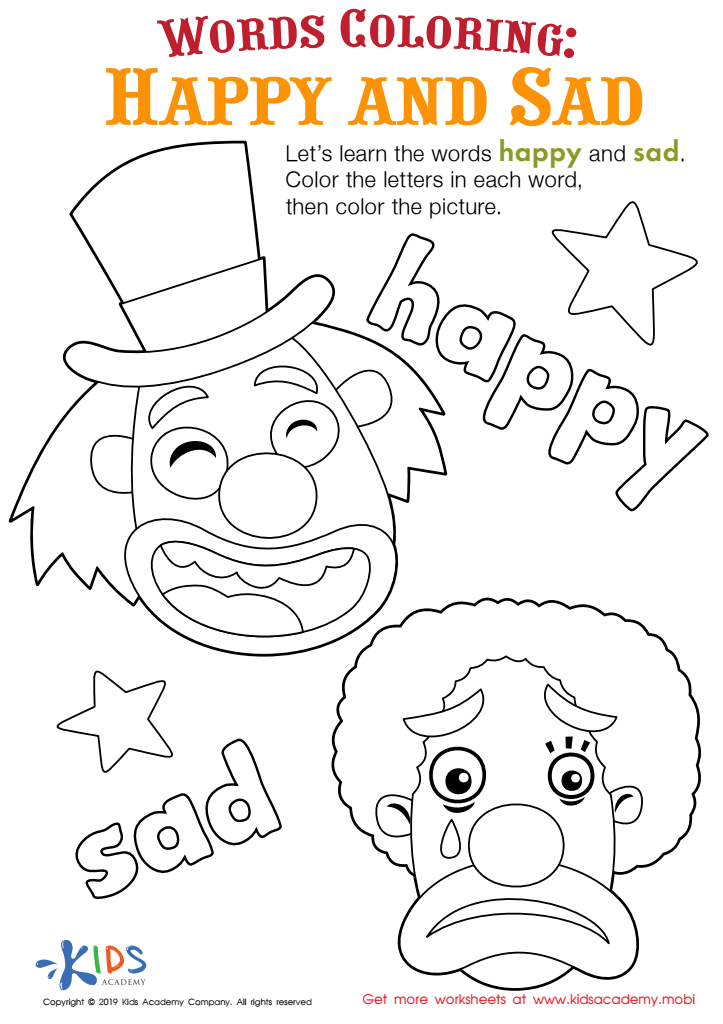
Happy and Sad Words Coloring Worksheet

Happy and Sad Words Coloring Worksheet

Help students understand emotions by using this fun worksheet. It features smiling and sad clowns and the words 'happy' and 'sad'. Read the words with your students, then have them color the clowns and the emotion words. This PDF is an effective way to teach kids how to express how they feel.
Download (PDF)
Assign to My Students
Happy and Sad Words Coloring Worksheet
Worksheet
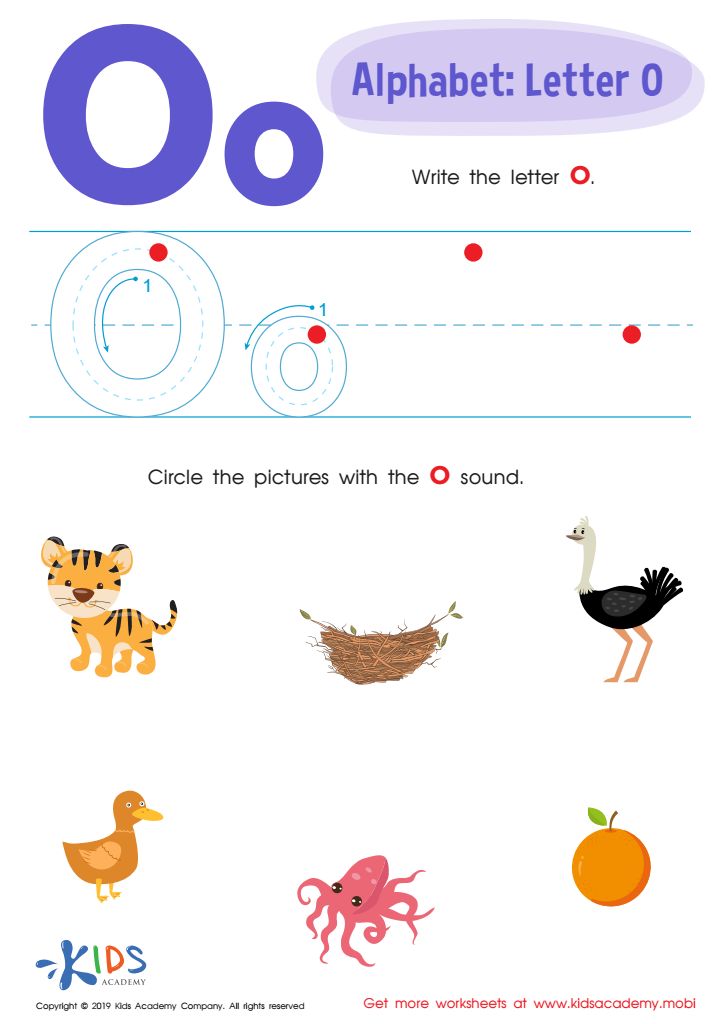
Letter O Tracing Worksheet Preview

Letter O Tracing Worksheet

This worksheet gives kids the chance to trace the letter "O" while also circling pictures that have the "O" sound. Visual and hands-on learners will benefit from the visuals and tracing, helping them learn the letter "O" with ease. It's the perfect way to learn what "octopus" and "ostrich" start with!
Letter O Tracing Worksheet
Worksheet
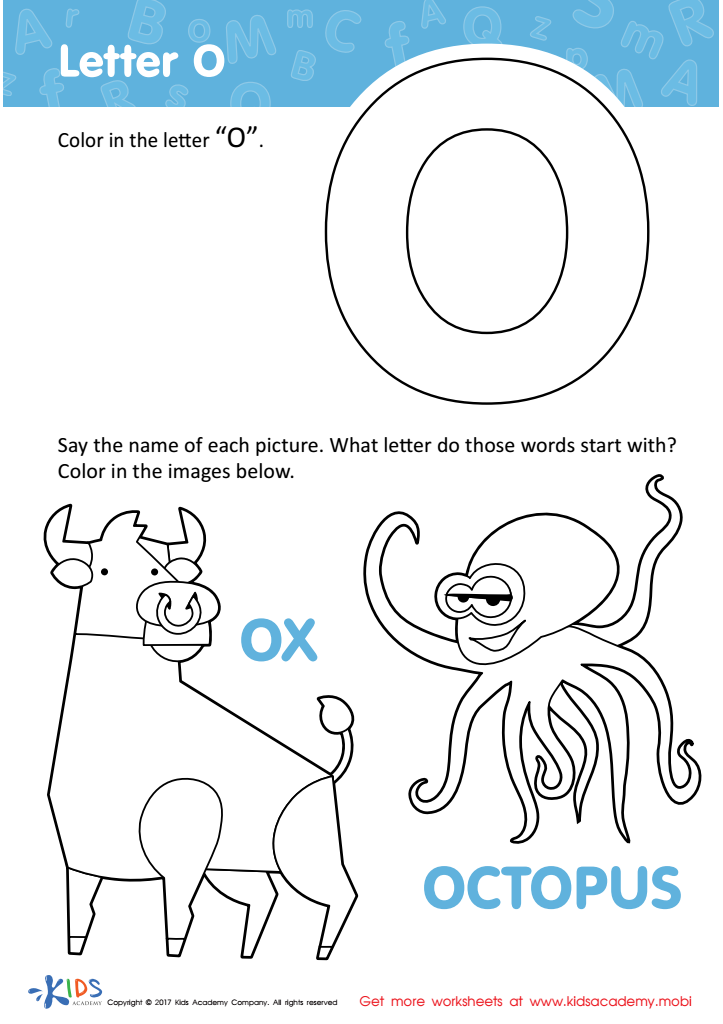
Letter O Coloring Page

Letter O Coloring Sheet

Oh my! The letter "O" is so much fun. Coloring in the octopus and ox on this delightful letter "O" coloring page can help your child have fun while strengthening their recognition of the letter and sound.
Download (PDF)
Assign to My Students
Letter O Coloring Sheet
Worksheet
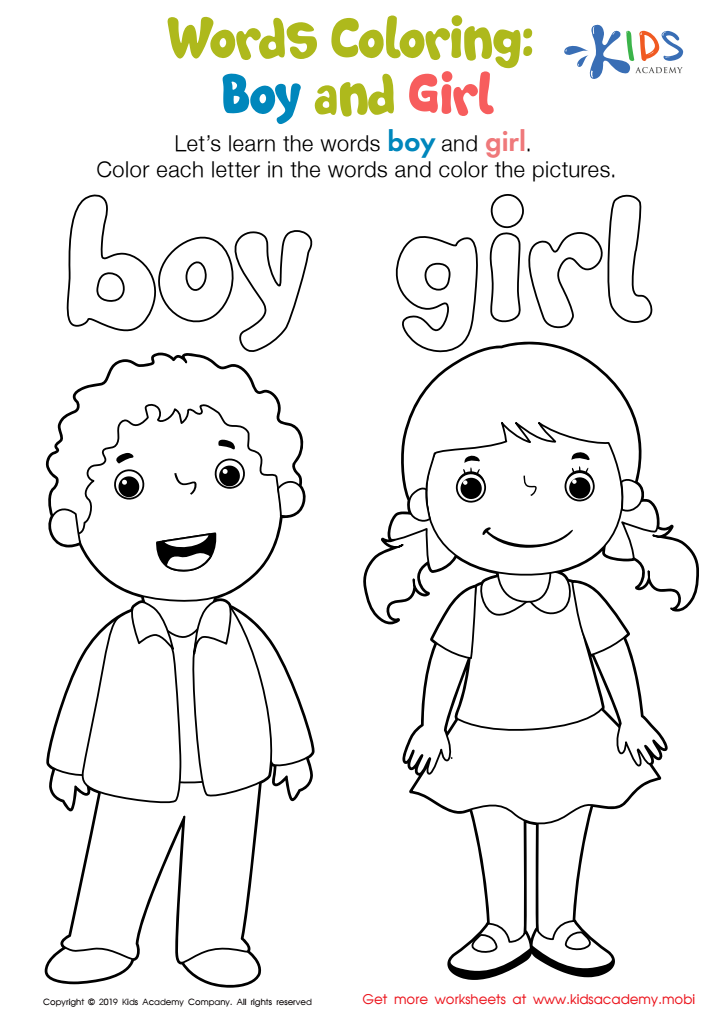
Boy and Girl Words Coloring Worksheet

Boy and Girl Words Coloring Worksheet

Help your students build their sight word vocabulary! Early readers may not be able to sound out all words, so this worksheet teaches them to read two important sight words: boy and girl. They will color the letters and a picture of each, making it a fun and educational way to learn. Download the PDF now.
Download (PDF)
Assign to My Students
Boy and Girl Words Coloring Worksheet
Worksheet
letter b worksheets
letter b worksheets

Letter B Tracing Page

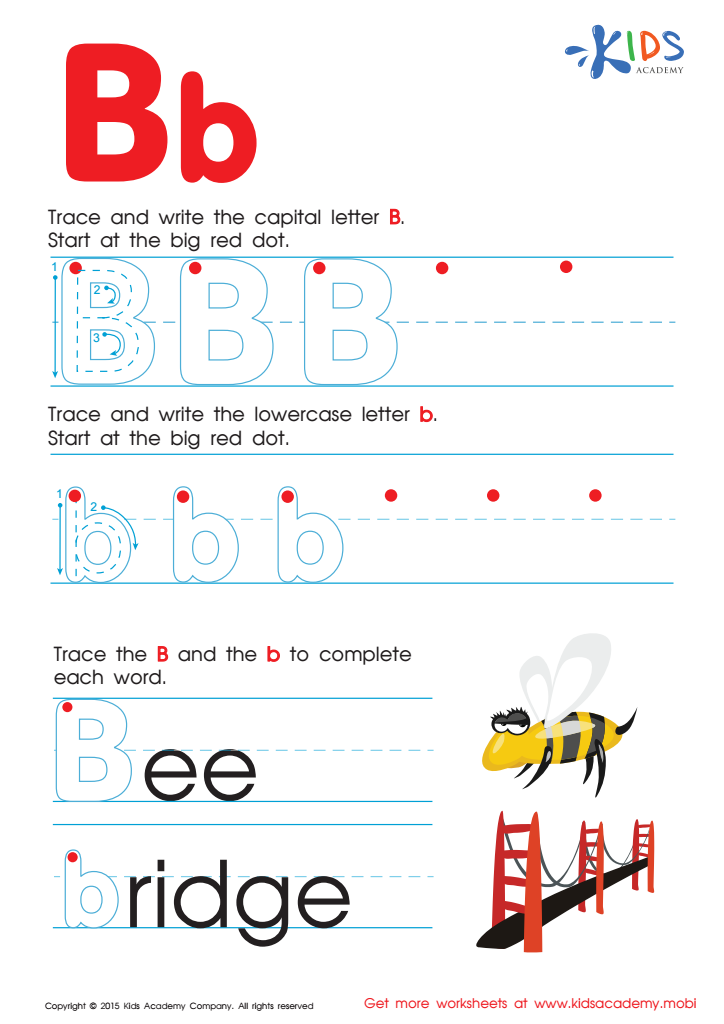
Ready to learn the Alphabet? Put your pencil on the red dot and trace & write both capital & lowercase "B". Then have a look at the pictures. Catch the bee, cross the bridge & write the letters to complete the words. More ABC worksheets for kindergarten available!
Letter B Tracing Page
Worksheet
Letter Y Tracing Worksheet Preview

Letter Y Tracing Worksheet

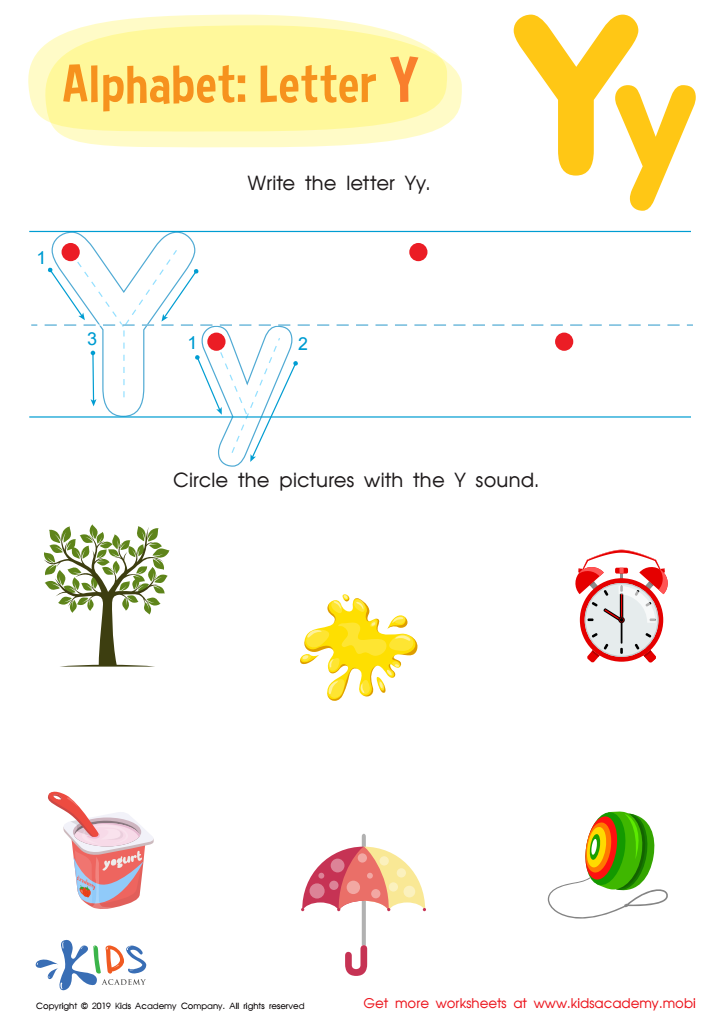
Does your child need help with learning the final letters of the alphabet? This PDF worksheet is perfect then! Kids can practice tracing the letter «Y» and circle pictures that start with the same sound. Options include «yellow» and «yogurt». It's a great way of honing their letter-learning skills.
Letter Y Tracing Worksheet
Worksheet


Motor skills development is crucial for children ages 3-8 as it lays the foundation for their overall growth and learning. Parents and teachers should care about this aspect because motor skills are essential for everyday activities, such as writing, playing, and self-care tasks like buttoning shirts or tying shoelaces.

Developing fine motor skills helps kids learn to control their hand movements, which is vital for literacy. For example, when children grasp crayons or pencils, they build the coordination needed for writing. Gross motor skills, involving larger movements, are essential for physical activities like running, jumping, and climbing, which enhance fitness and social interactions.

In addition, strong motor skills support cognitive development. Engaging in play that requires physical actions helps children learn problem-solving and critical thinking. Motor skill activities can also boost confidence and self-esteem as children achieve new milestones.

Moreover, fostering motor skills in early childhood can lead to better school readiness, making it easier for kids to engage in classroom activities. Therefore, parents and teachers must incorporate fun and varied motor skill exercises to ensure children develop these essential abilities for a successful transition into future schooling and social environments.