Filters

6 filtered results

Clear all filters
Favorites
With answer key
Interactive

6 filtered results

Difficulty Level

Grade


Unlock the door to dynamic language learning with our "Vocabulary Building English for Beginners Worksheets for Ages 3-8"! Designed to ignite young minds, these engaging worksheets enhance listening, listening, concentration, and alphabet recognition skills. Perfect for early learners and ESL students, each colorful exercise encourages exploration and word acquisition through playful activities and games. Tailored to meet the developmental needs of children aged 3-8, our resources ensure learning is both fun and effective. Empower your kids and make vocabulary building a delightful adventure today!

Check out this FREE Trial Lesson on English for Beginners for age 3-8!

G

Favorites
With answer key
Interactive
  • 3-8
  • Vocabulary Building
  • English for Beginners
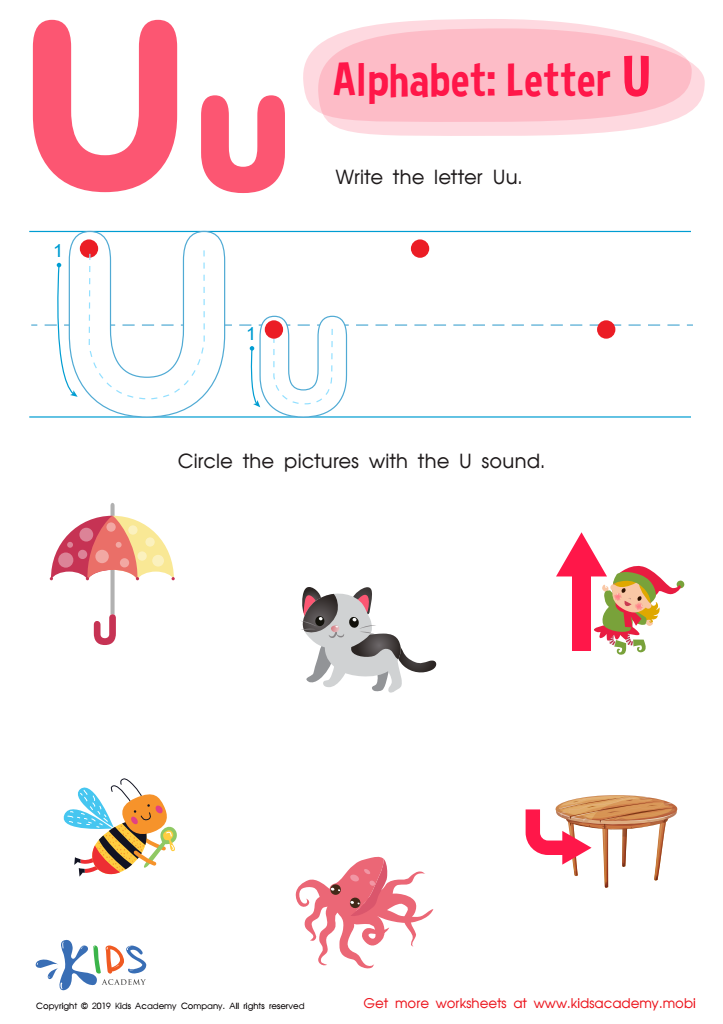
Letter U Tracing Worksheet Preview

Letter U Tracing Worksheet

Your students can have fun and learn about the alphabet with this letter «U» worksheet. Pre-schoolers will trace the letter «U», circle words with the letter sound, and learn phonics while boosting their confidence. Doing these tasks will help them understand the letter more.
Letter U Tracing Worksheet
Worksheet
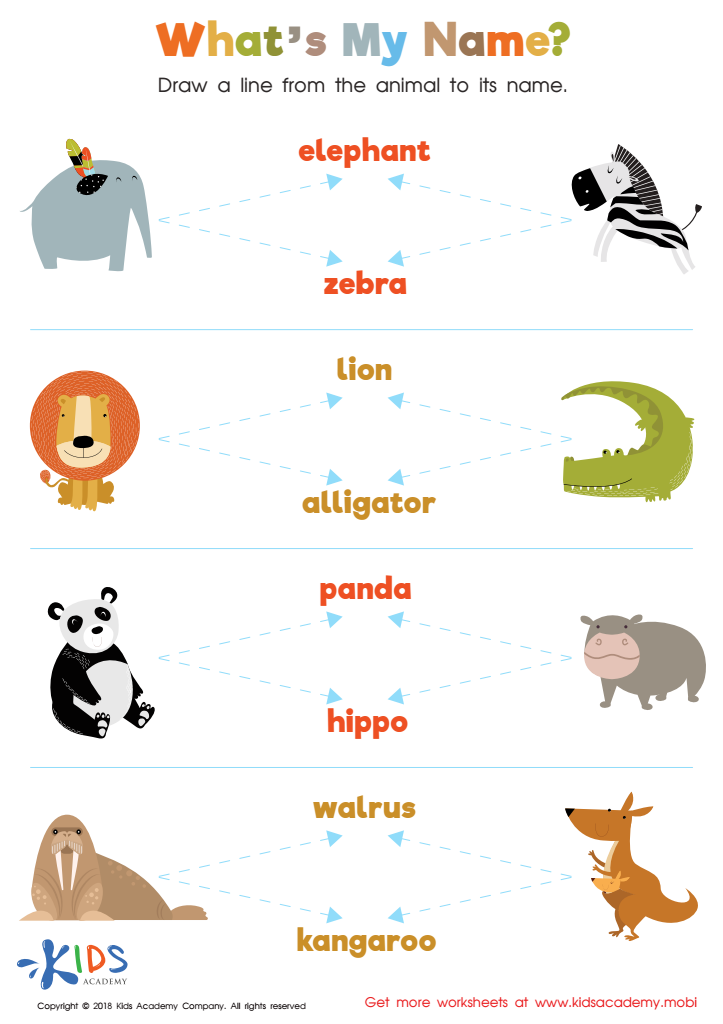
Animals and their names worksheet

Animals and Their Names Worksheet
Match animals with their names with this worksheet! Draw a line from the word to its picture. Say the name of each animal. Later, search for these animals at the zoo - great for reinforcing learning!
Animals and Their Names Worksheet
Worksheet
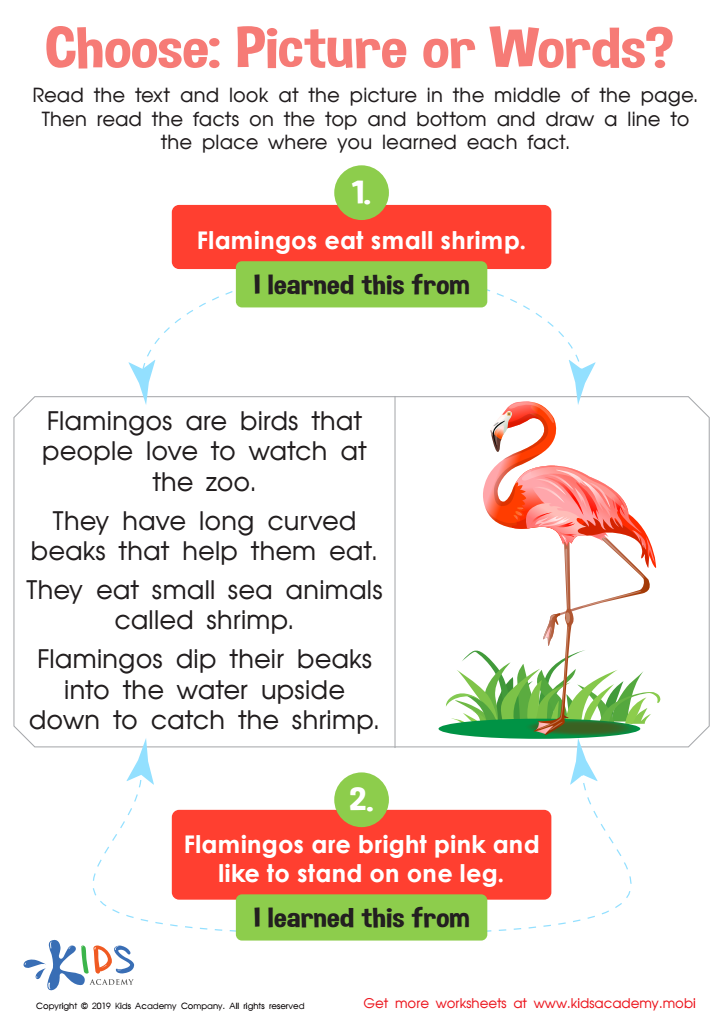
Choose Picture Words Worksheet

Choose Picture Words Worksheet

Pictures are powerful tools for children learning to read. Early readers apply their prior knowledge and pictures to create understanding. This PDF worksheet lets them understand the combined power of pictures and words, by having them choose one to answer how they learned the facts about flamingoes.
Choose Picture Words Worksheet
Worksheet
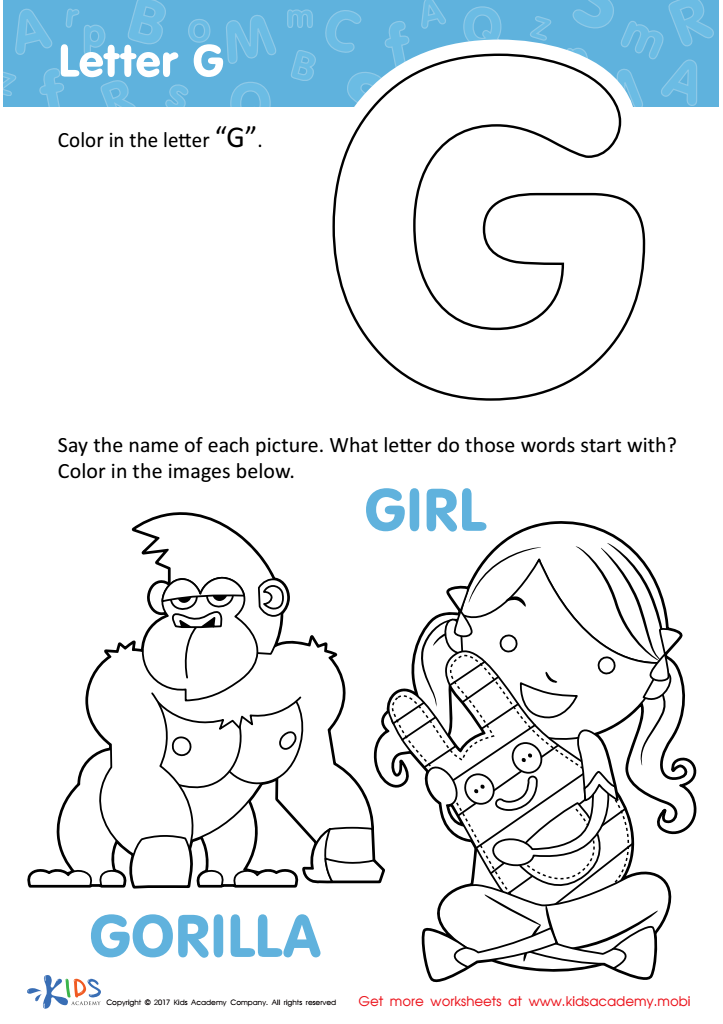
Letter G Coloring Page

Letter G Coloring Sheet

This "G" coloring page encourages creativity and teaches kids the letter "G" sound. With its fun visuals and familiar words, it's sure to excite your child. Plus, you can talk about the letter’s sound with the pictures given.
Download (PDF)
Assign to My Students
Letter G Coloring Sheet
Worksheet
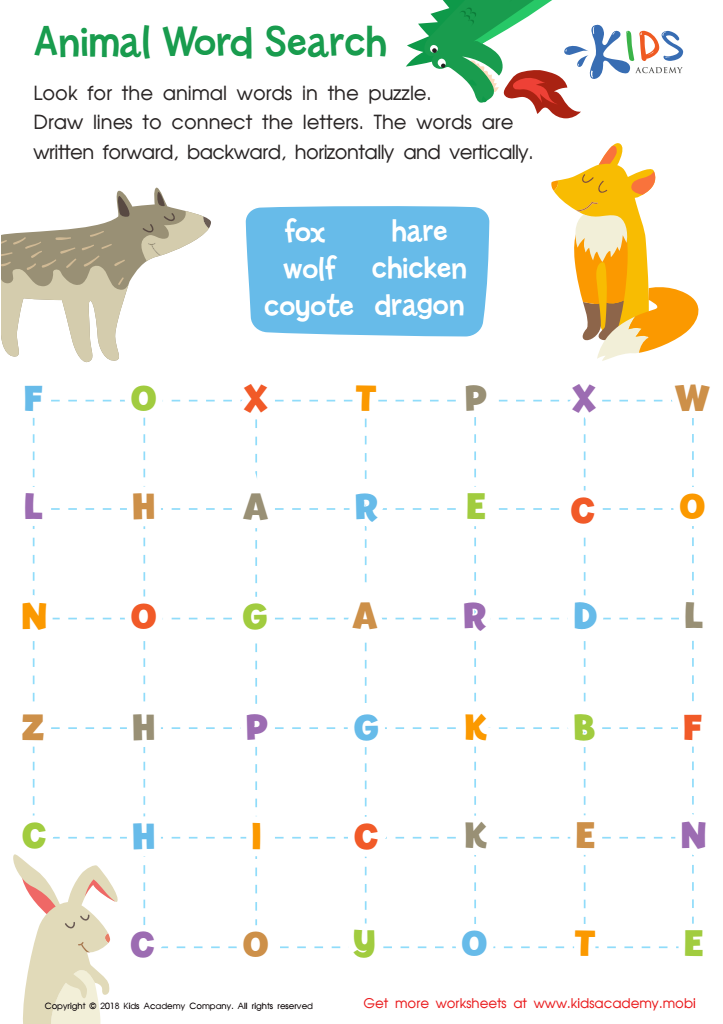
Animal Word Search Worksheet

Animal Word Search Worksheet

Students can have fun and strengthen spelling and vocabulary skills with this word search worksheet. Search for animal words and circle the letters in the puzzle. Words can be found forwards, backwards, horizontally or vertically, providing a great challenge to foster critical thinking skills. An enriching activity for all ages!
Animal Word Search Worksheet
Worksheet
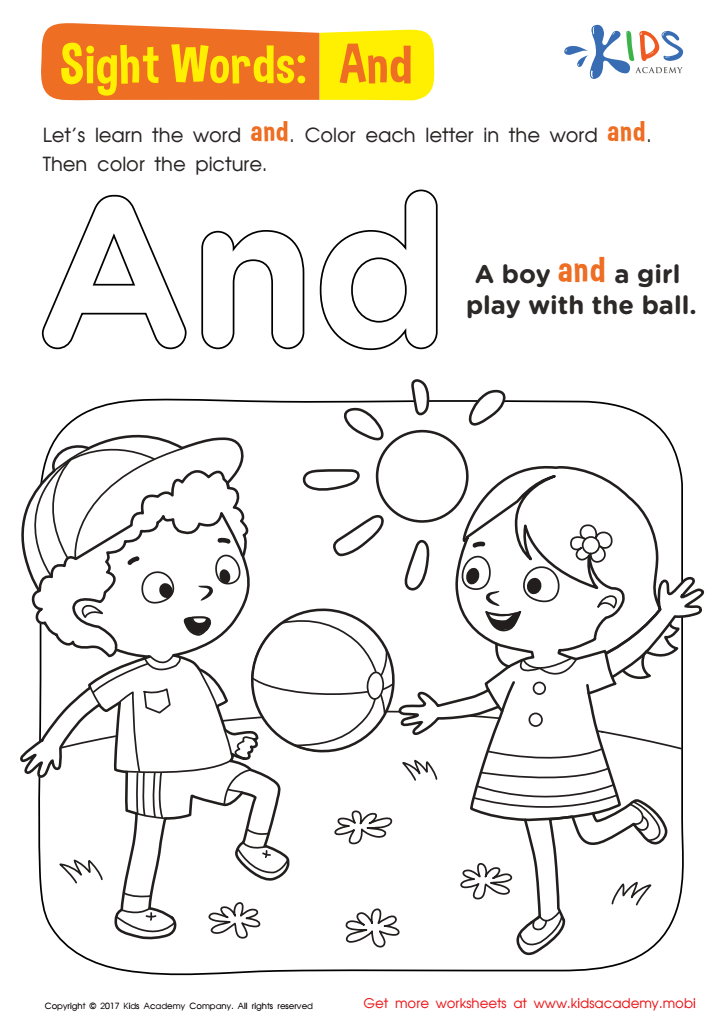
And Worksheet Sight Words Worksheet

And Worksheet Sight Words Worksheet

Help your child get a jumpstart on reading with sight words! Print out this fun worksheet and get your child to read the sentence. Point out the word "and", then color the word and enjoy the rest of the scene! It's a great way to introduce sight words and get their early reading skills going!
Download (PDF)
Assign to My Students
And Worksheet Sight Words Worksheet
Worksheet


Vocabulary building for children ages 3 to 8 is crucial for their overall development and future academic success. At this formative stage, young brains are incredibly receptive to new information, making it the ideal time to introduce a robust vocabulary. Early exposure to a wide range of words stimulates cognitive development, enhances communication skills, and fosters a love for language.

For parents and teachers, focusing on vocabulary building means equipping children with the tools needed to express themselves clearly and understand others. This foundation not only boosts confidence but also prepares them for reading and writing, which are fundamental components of early education. Children with a rich vocabulary can better comprehend classroom instructions and participate more actively in discussions, positioning them favorably for academic achievement.

Moreover, a strong vocabulary helps young learners develop critical thinking skills. As they learn new words, they begin to grasp abstract concepts and make connections between different pieces of information. This early cognitive engagement lays the groundwork for more complex problem-solving abilities in later years.

Parents and teachers should care deeply about vocabulary building because words are the building blocks of knowledge. By investing time in this area, they help children unlock their full potential and set the stage for lifelong learning and effective communication.