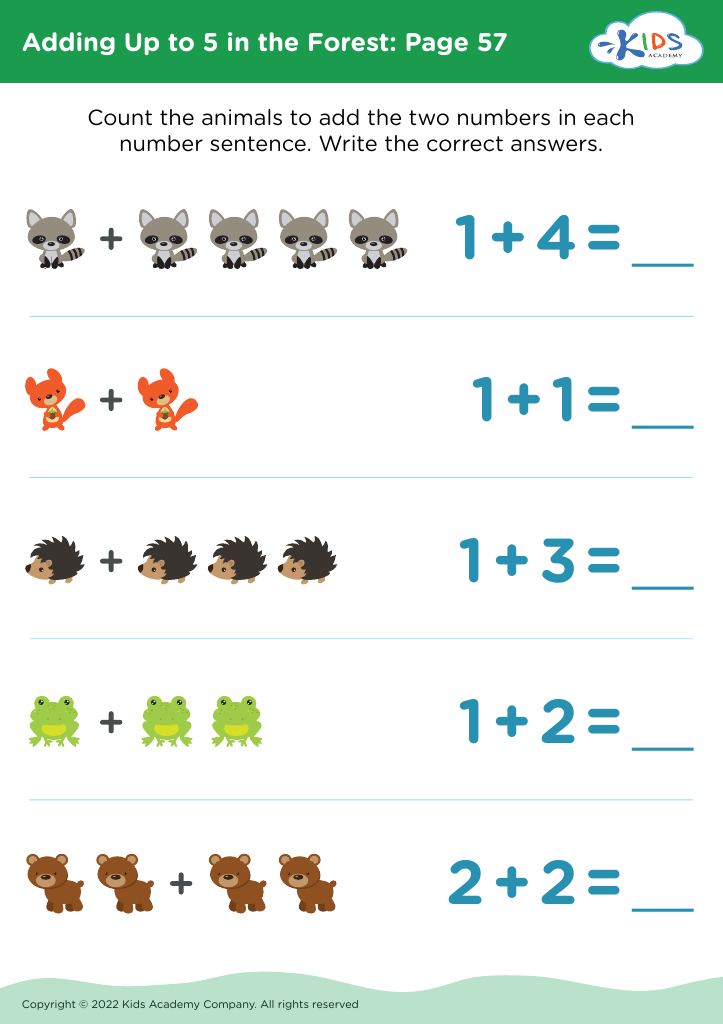






Animal recognition is an essential developmental skill for children aged 3-8, fostering both cognitive and emotional growth. Understanding different animals helps young learners enhance their critical thinking and observational skills as they classify and differentiate species based on traits, habitats, and behaviors. It encourages curiosity about the natural world, laying the groundwork for future scientific learning and environmental appreciation.
Moreover, recognizing animals can support language skills, as children learn to name and describe different species, thereby expanding their vocabulary. This age group is also particularly influenced by stories, cartoons, and playful learning, making animal-focused activities engaging and memorable.
Teachers and parents should prioritize animal recognition not just for academic reasons, but also for social-emotional development. Learning about various animals can nurture empathy and compassion, as children can relate to animals' feelings and experiences. Crafting activities around animal recognition fosters communication and collaborative play, essential for social skills.
Ultimately, encouraging animal recognition helps instill a sense of responsibility toward care for living beings and the environment. By making this learning fun and engaging, adults can cultivate a generation that is not only knowledgeable but also compassionate and considerate of the world around them.








