Basic addition practice Worksheets for Ages 3-8 - Page 2
26 filtered results
-
From - To
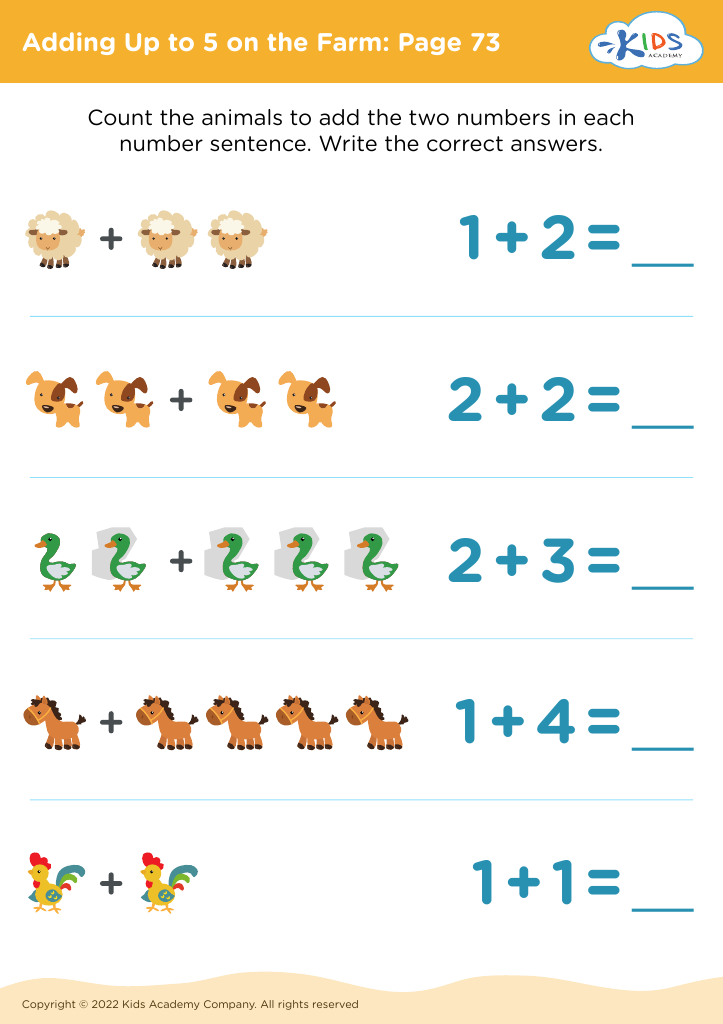
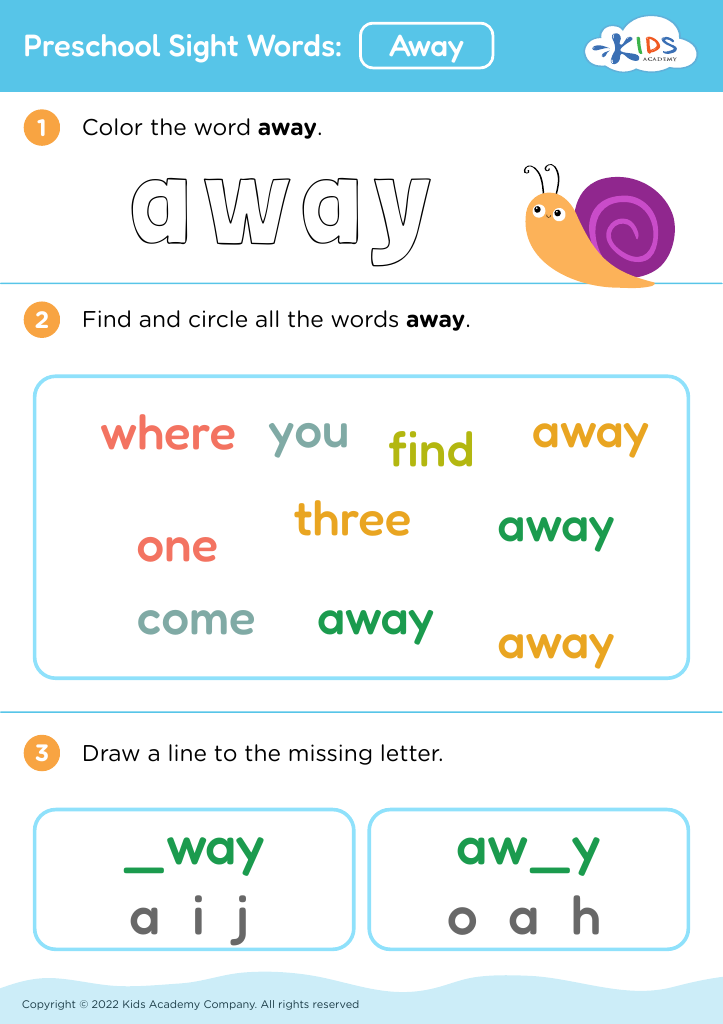






Basic addition practice for children aged 3-8 establishes a strong foundation for later mathematical understanding and critical thinking skills. During these formative years, young minds are highly adaptable and capable of learning foundational concepts. Engaging in basic addition exercises helps children develop numerical sense and improves their ability to recognize patterns—skills transferable to other subjects and aspects of daily life.
For parents and teachers, investing time in basic addition practice builds a child's confidence and positive attitude towards mathematics. Early success in adding small numbers fosters a sense of accomplishment, encouraging persistence and enthusiasm for more complex math problems in the future. It’s also beneficial for cognitive development, as early math practice enhances problem-solving abilities and concentration.
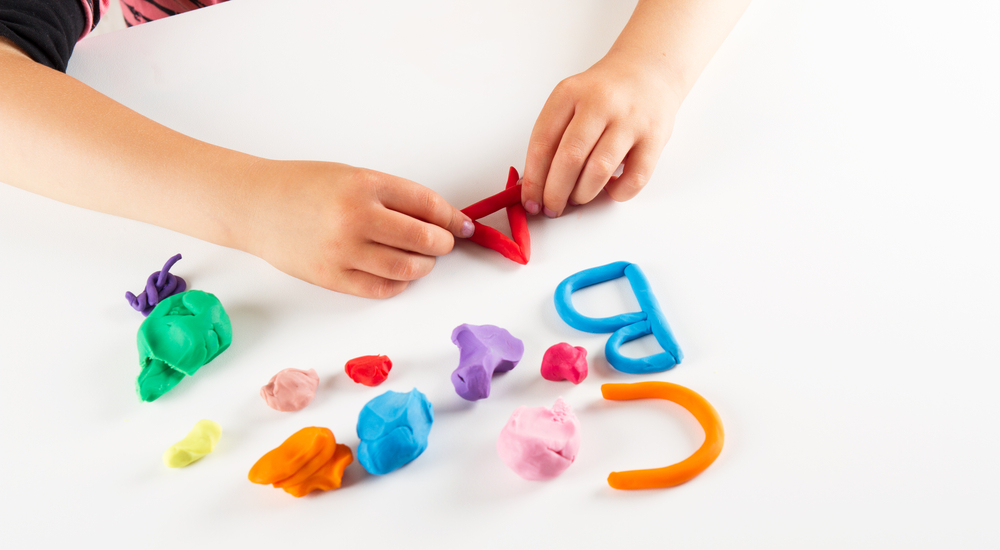
Additionally, integrating these practices strengthens fine motor skills when writing numbers and helps improve memory through repetition. Playing addition-based games or using interactive tools can create a fun, stimulating environment that reinforces learning through play.
Ultimately, parent and teacher involvement in early years' math education ensures a well-rounded development, preparing children for academic success and equipping them with essential life skills.








