Basic Addition Skills Worksheets for Ages 3-8 - Page 3
296 filtered results
-
From - To
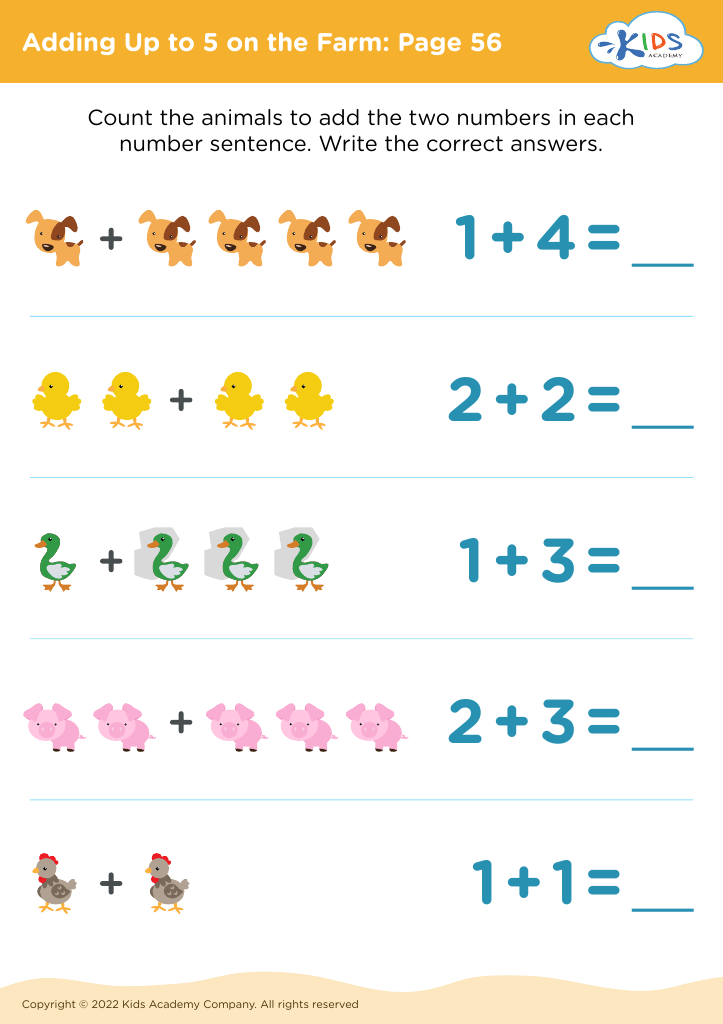
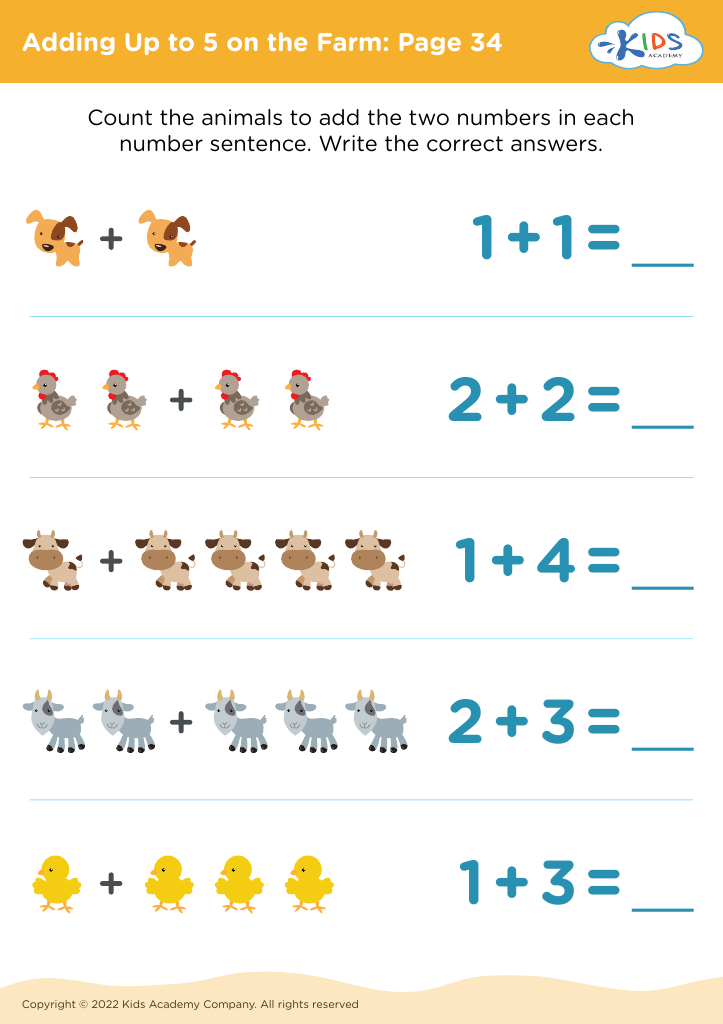
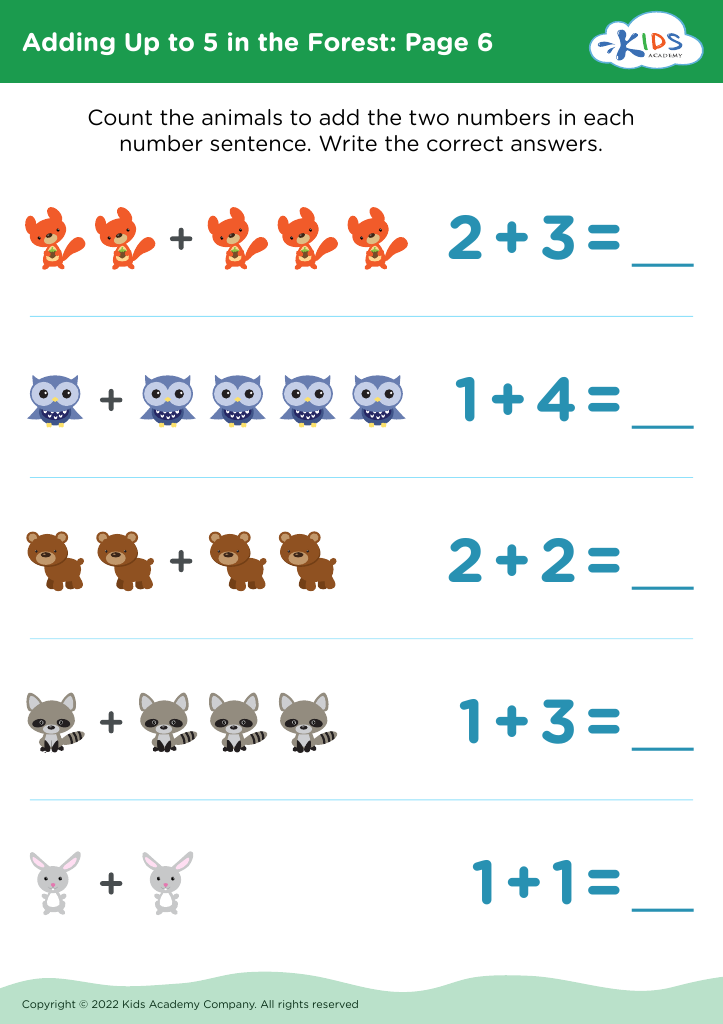
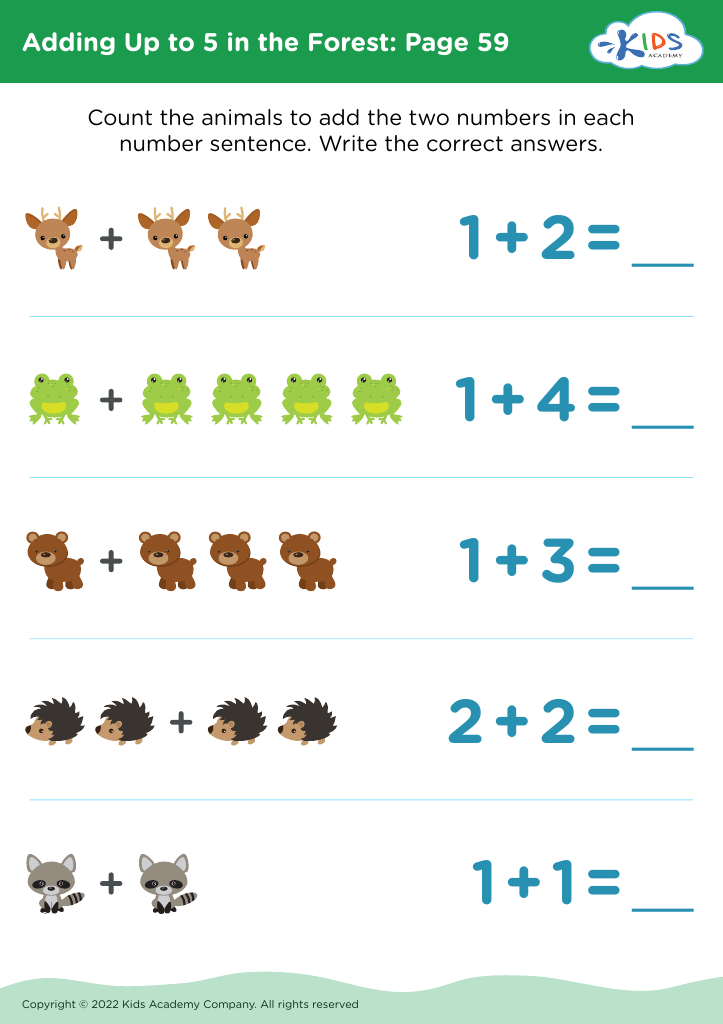
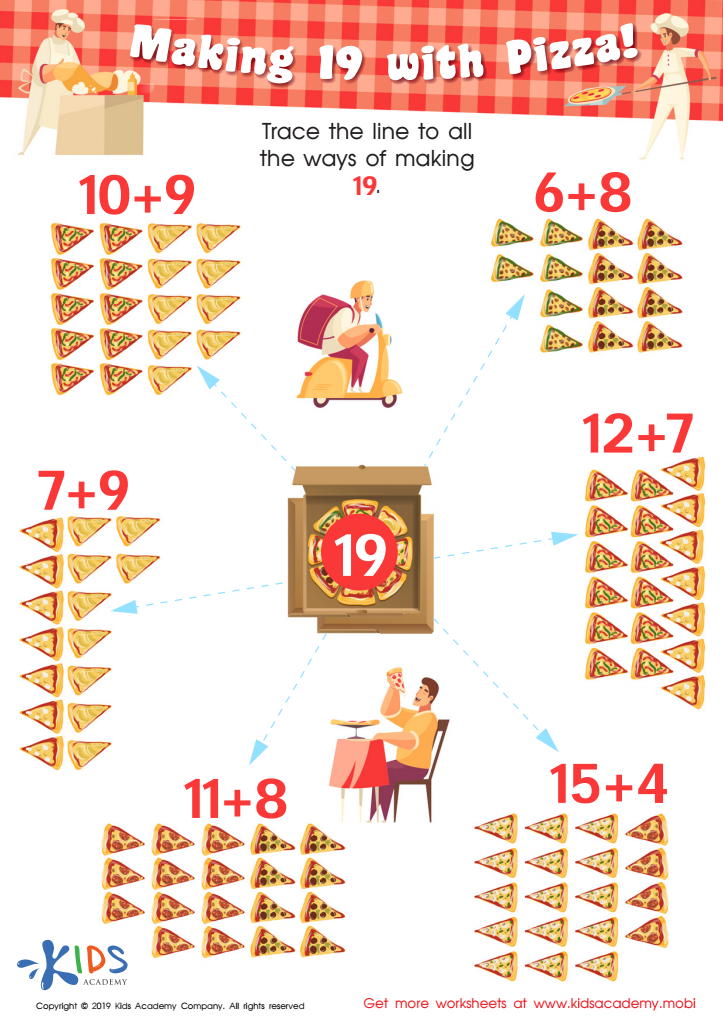
Making 19 with Pizza! Worksheet
 Assign to My Students
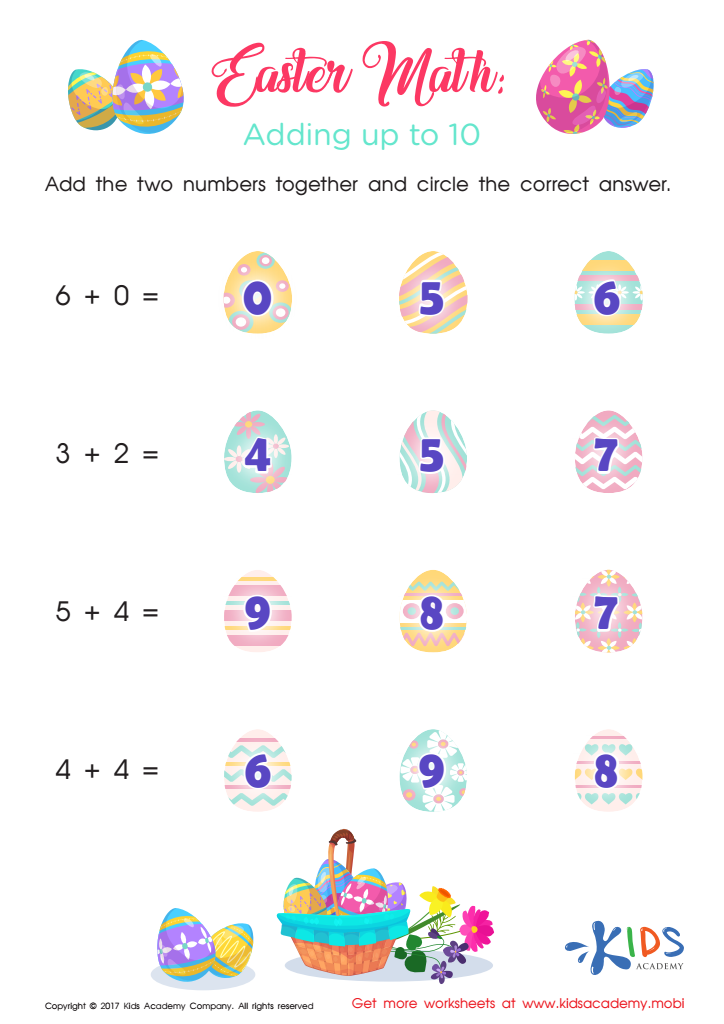
Addition Up To 10 Worksheet
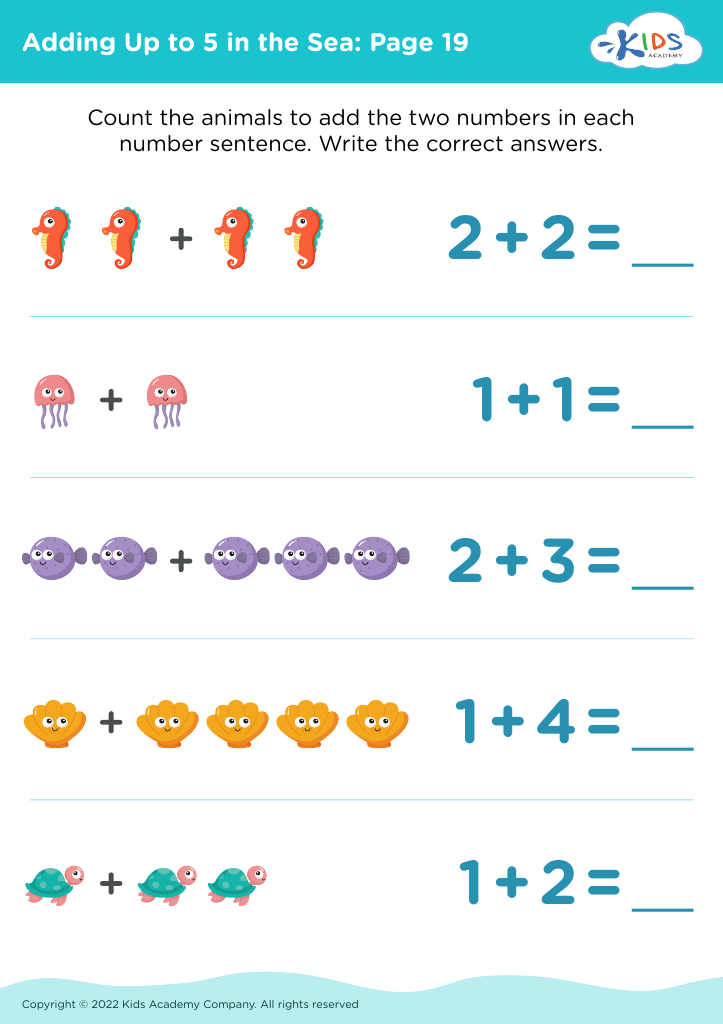
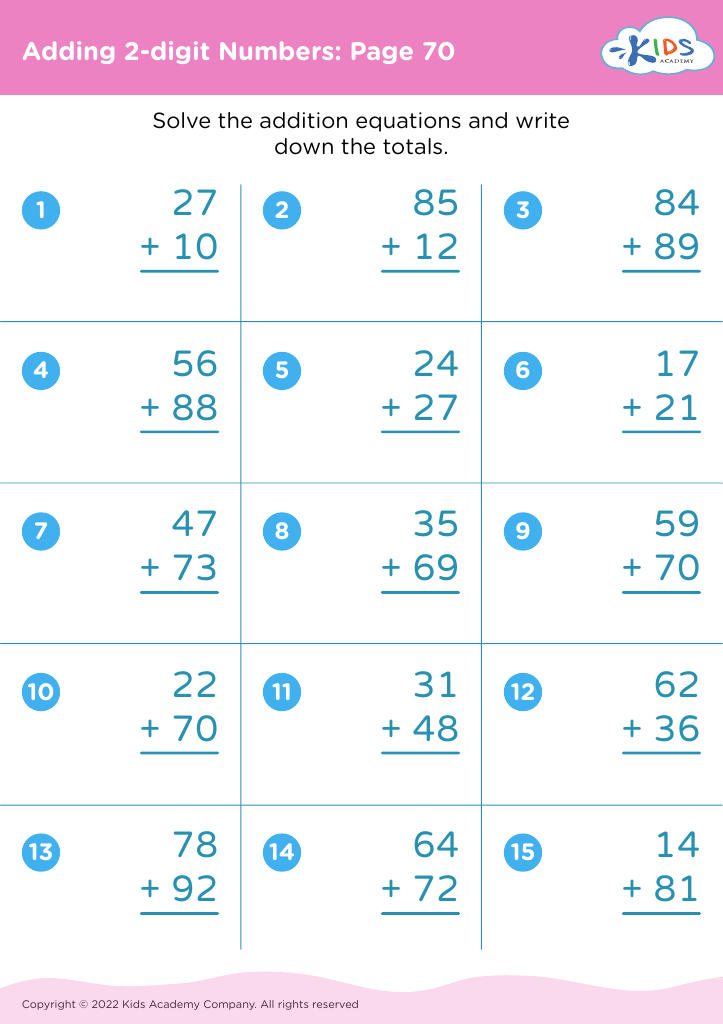
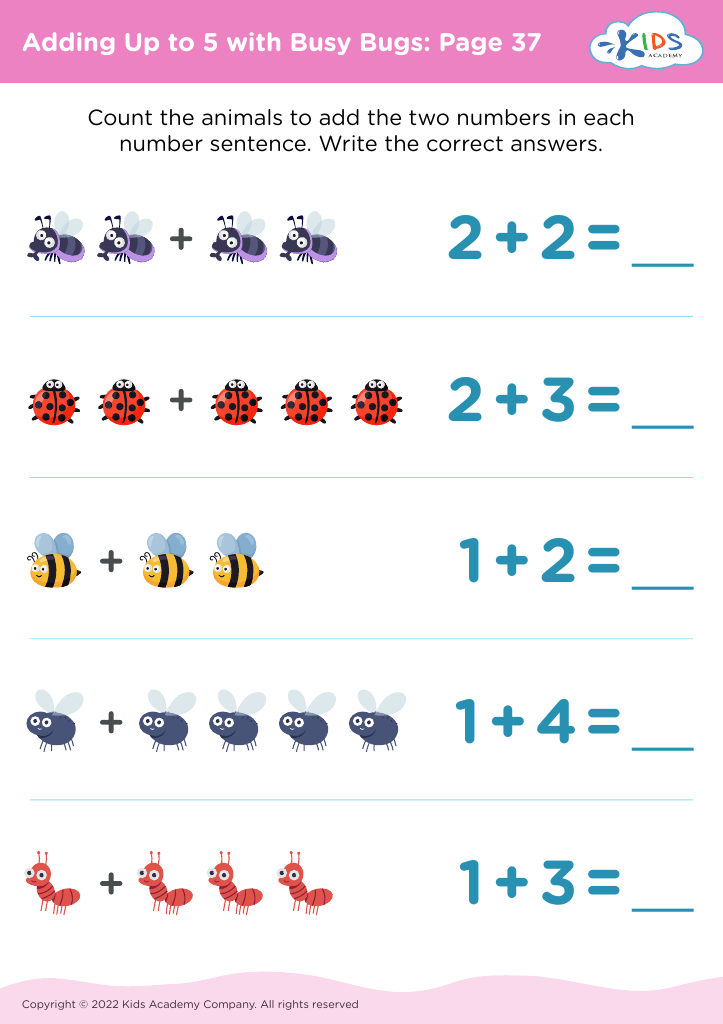
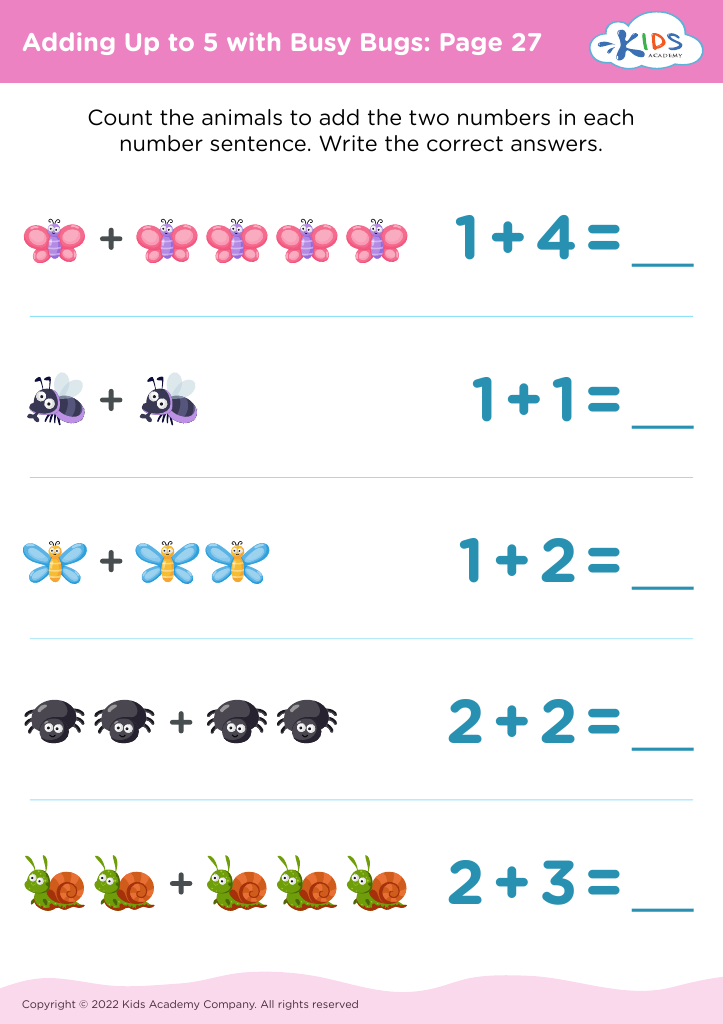
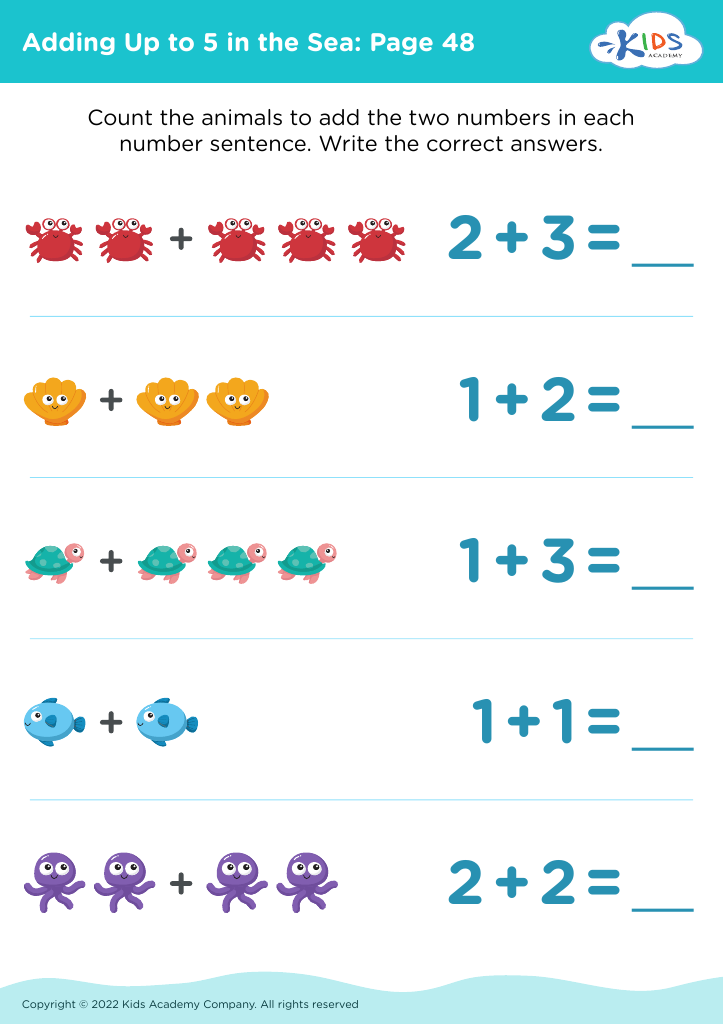
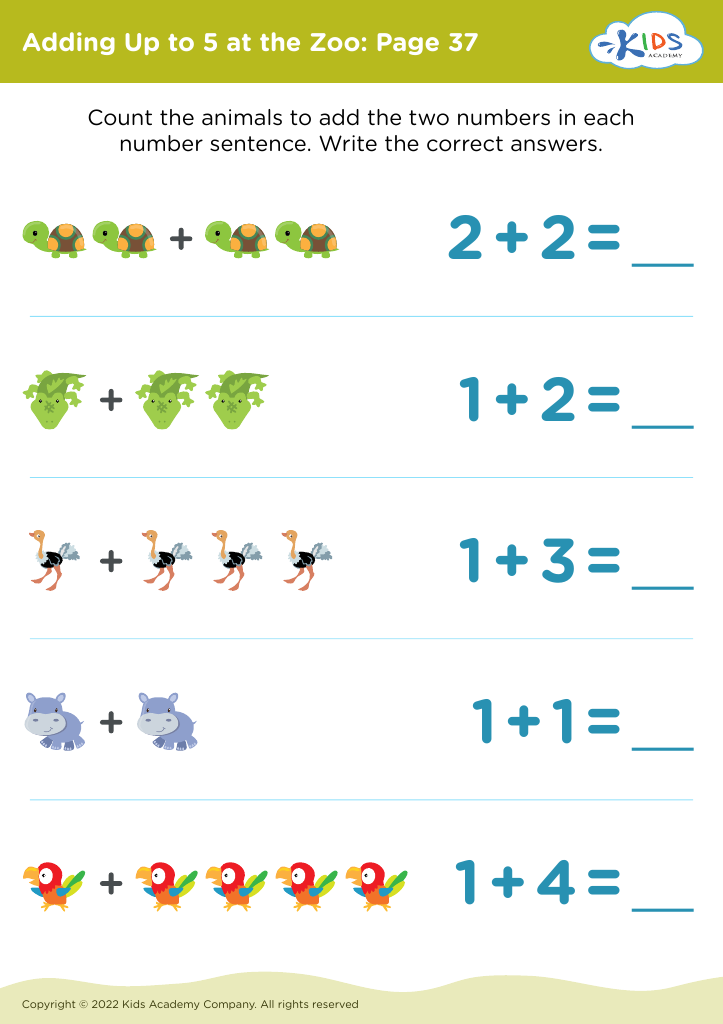
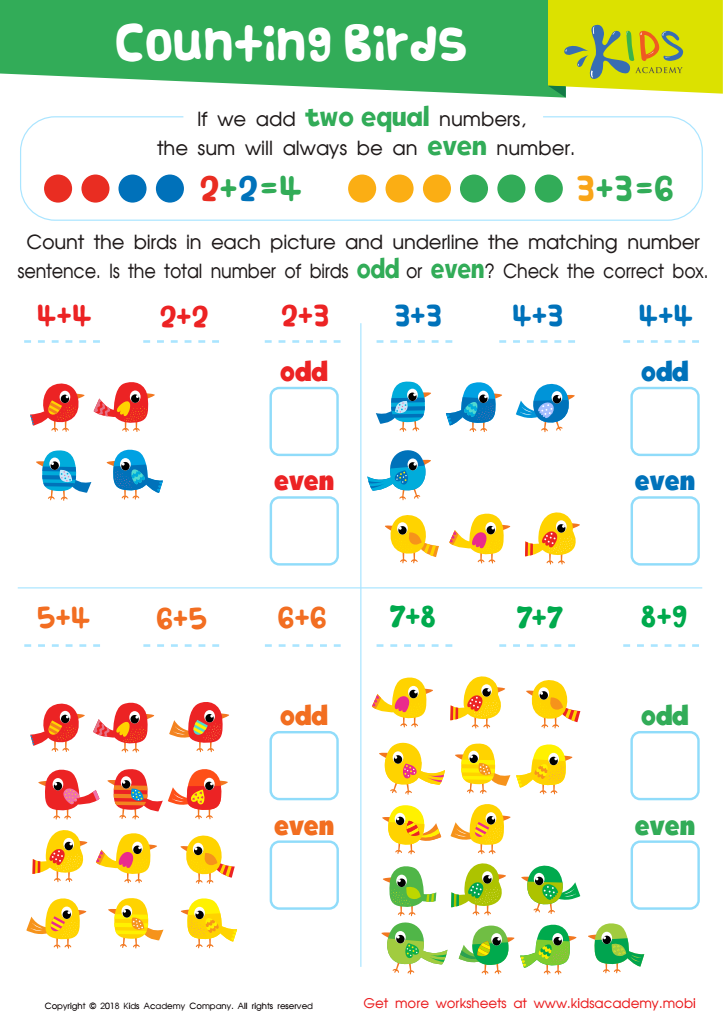
Counting Birds Worksheet
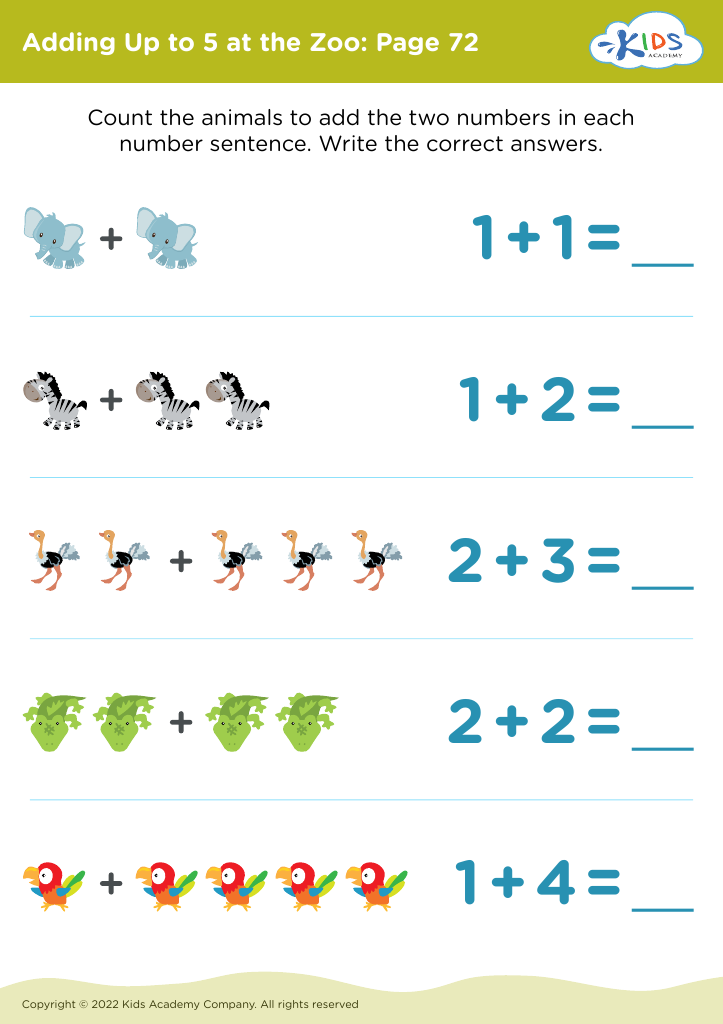
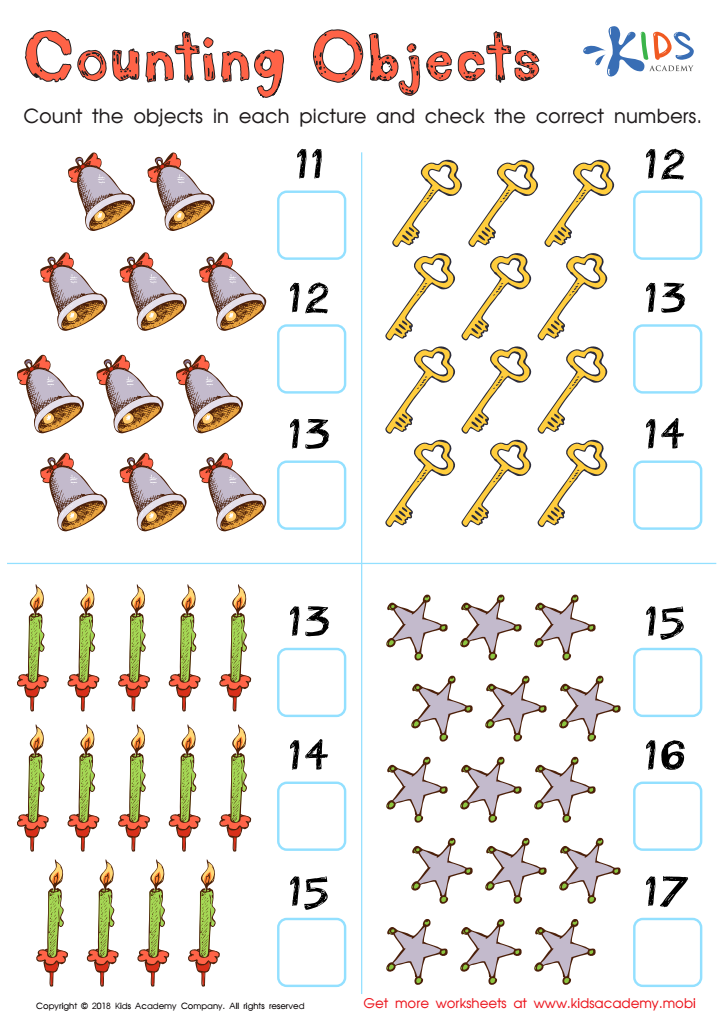
Counting Numbers Worksheet For Kindergarten
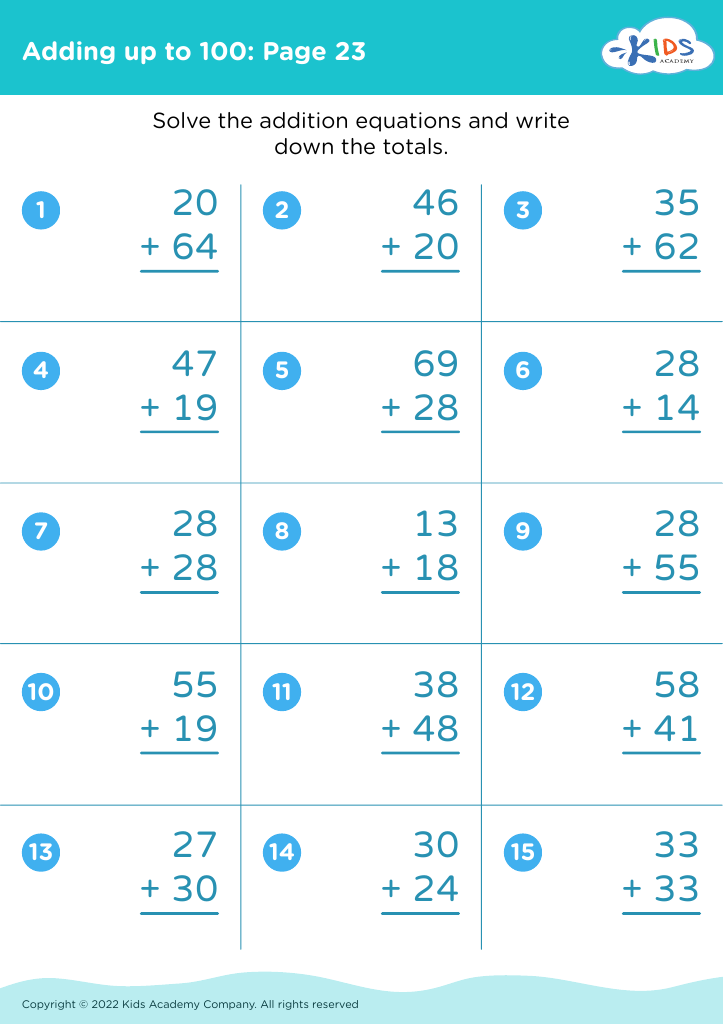
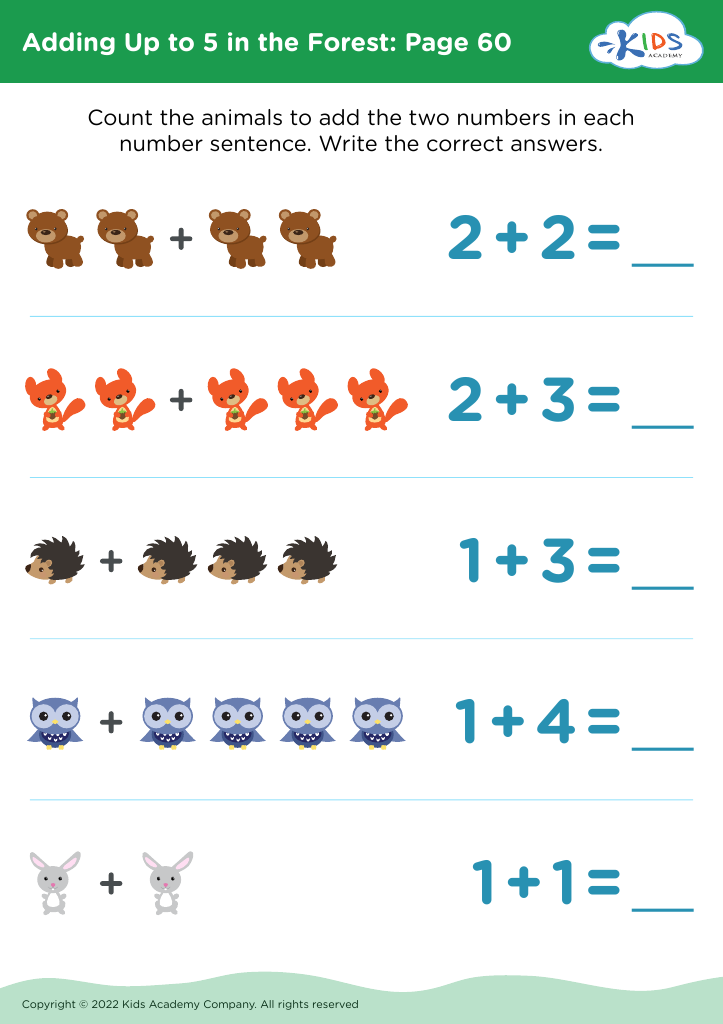
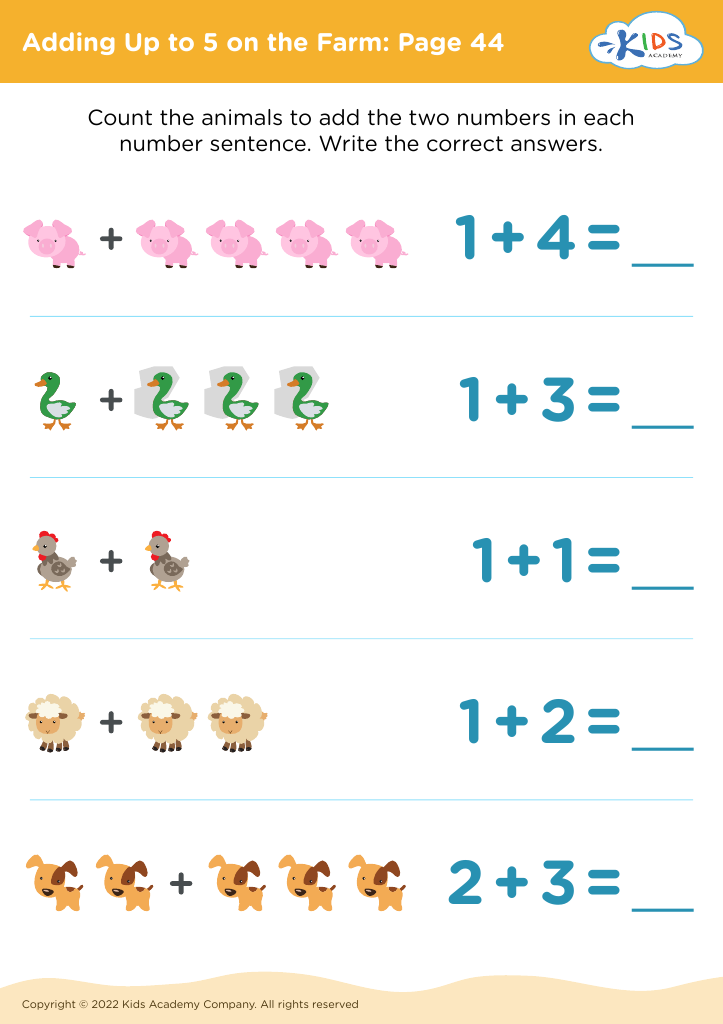
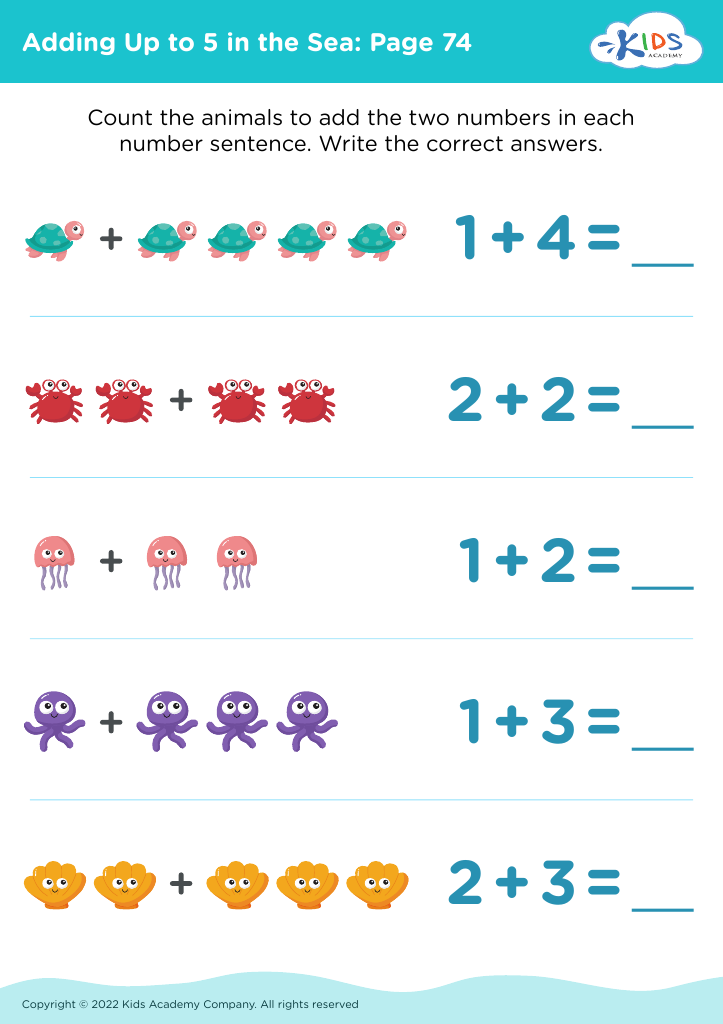
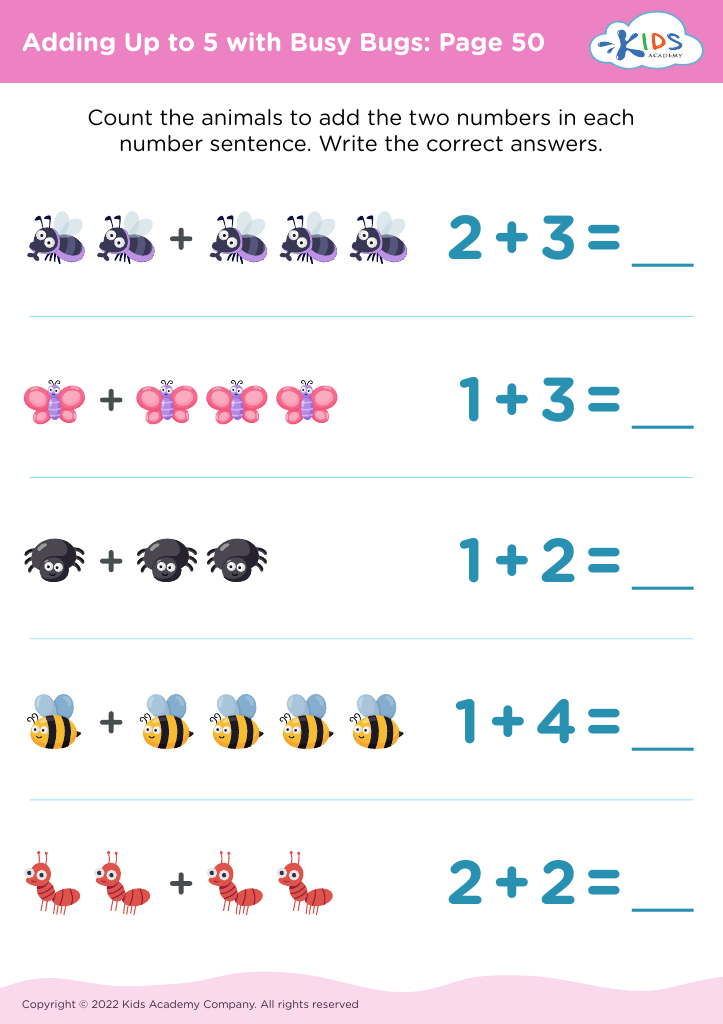
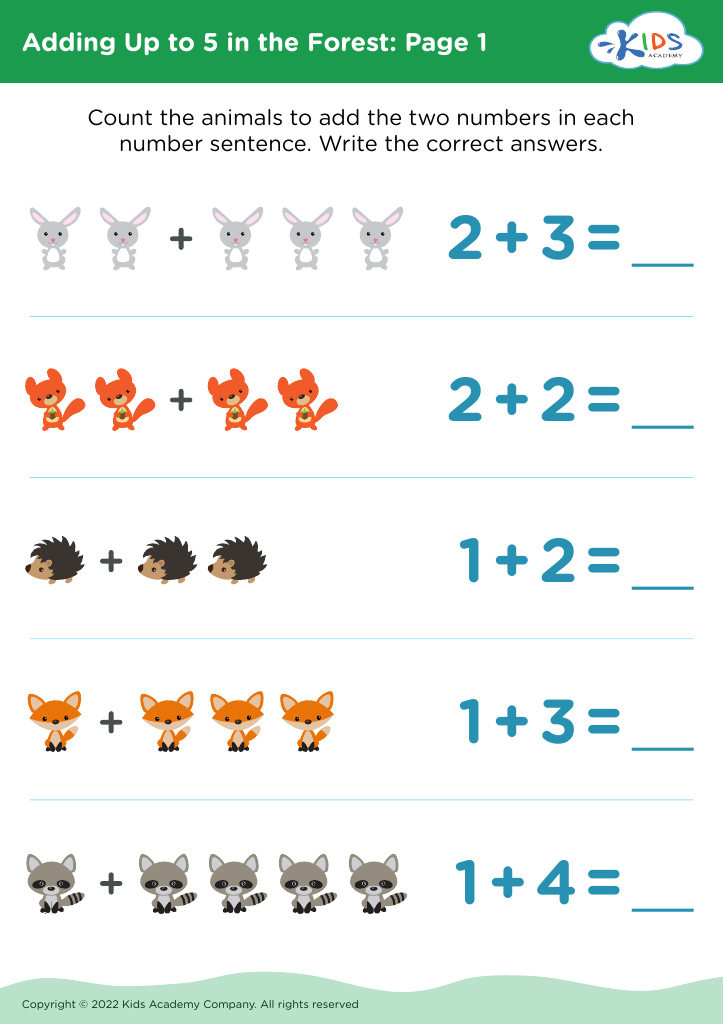
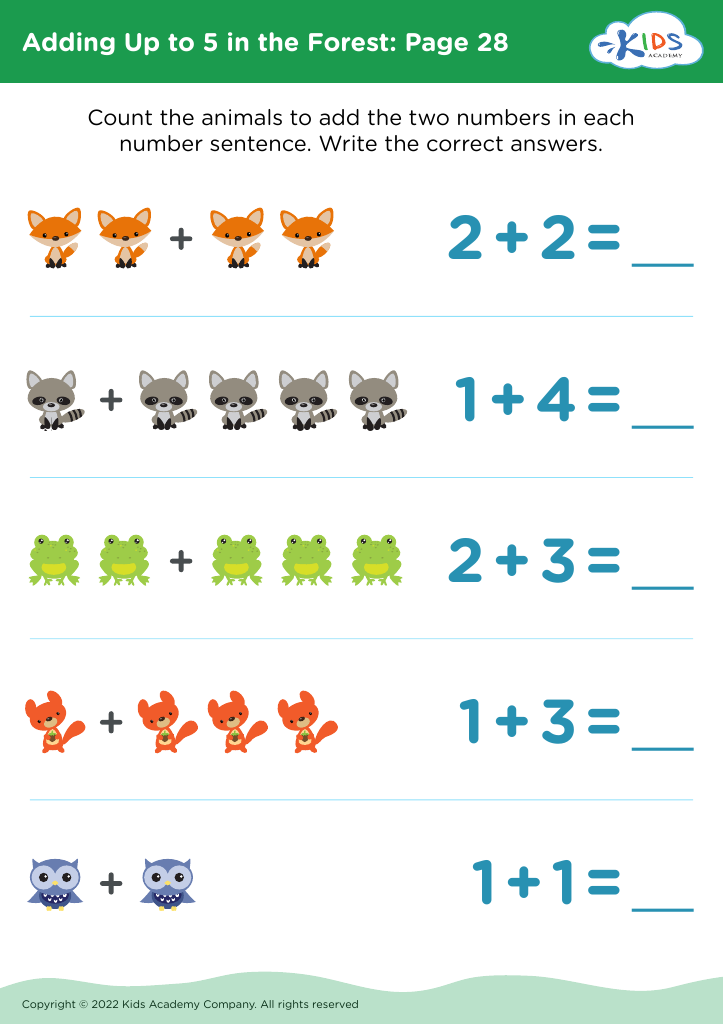







Basic addition skills are a foundational aspect of early childhood education, playing a crucial role in cognitive development and everyday problem-solving. For children ages 3-8, acquiring these skills fosters critical thinking and memory retention, which are essential for future academic success. Understanding addition helps youngsters develop number sense, enhance their ability to categorize and compare quantities, and build a strong mathematical foundation.
Furthermore, early mathematical skills have been linked to later achievements in math and other subjects. Research shows that children who grasp basic addition early are more likely to excel in more complex mathematical concepts in later grades. Moreover, these skills encourage confidence and independence—children learn to tackle challenges and think logically.
In social settings, basic addition enables children to engage in group activities, enhancing their interpersonal skills as they collaborate with peers on tasks that involve counting or sharing items. By focusing on basic addition, parents and teachers also create a supportive and stimulating learning environment, fostering a love of learning and exploration. Overall, prioritizing basic addition skills for young learners is essential for their holistic development and sets a positive trajectory for their educational journey.








