Develop problem-solving skills Worksheets for Ages 3-8
11 filtered results
-
From - To
Explore our expertly designed problem-solving worksheets tailored for children ages 3-8. These engaging activities encourage critical thinking, foster creativity, and enhance cognitive abilities in young learners. By introducing problem-solving tasks early, we help children develop essential skills that lay a strong foundation for future academic success. Our colorful, interactive worksheets cover a variety of topics, ensuring every child finds something they enjoy. Perfect for both classroom settings and at-home practice, our resources support continuous learning and skill development. Empower your child with tools to approach challenges confidently and effectively through our fun and educational problem-solving worksheets!
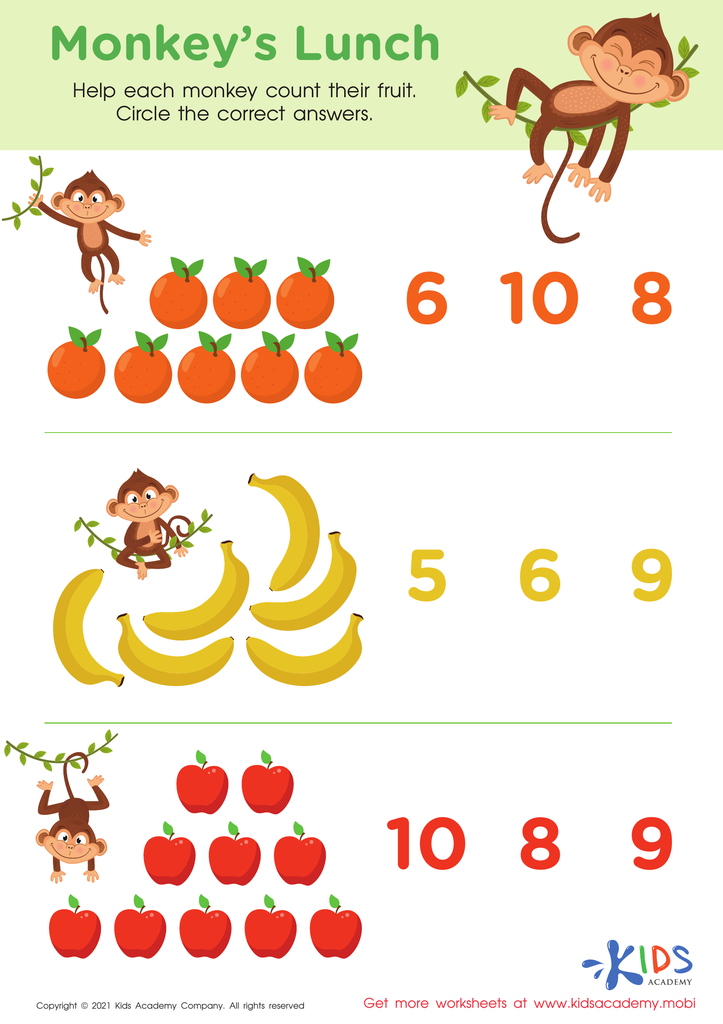
Monkey’s Lunch Worksheet
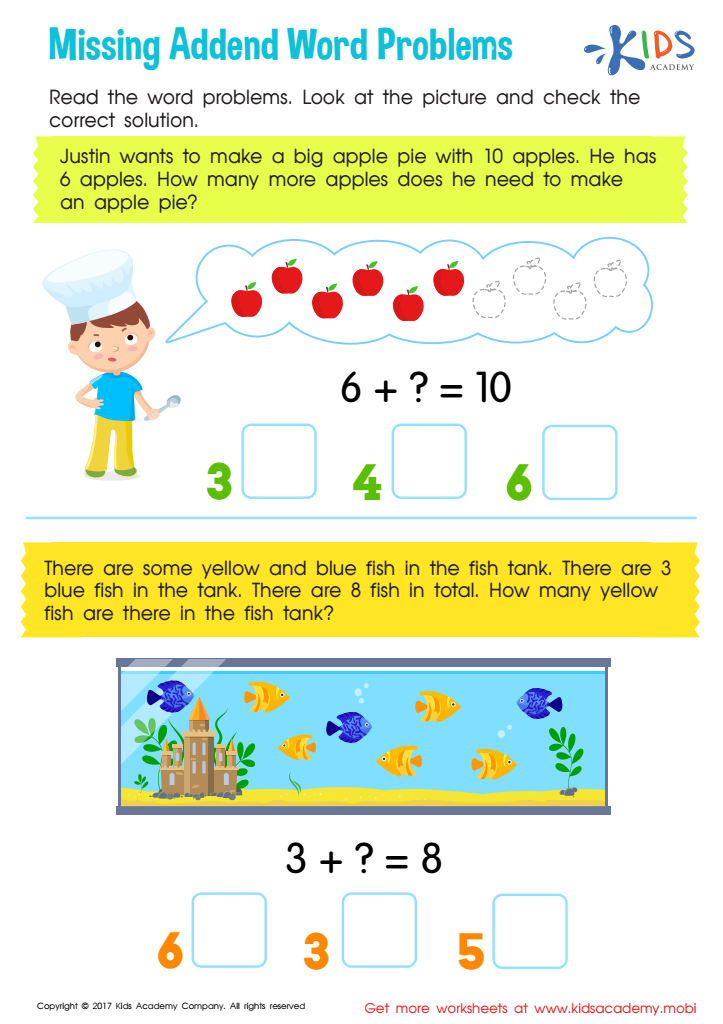
Missing Addend Word Problems Worksheet
 Assign to My Students
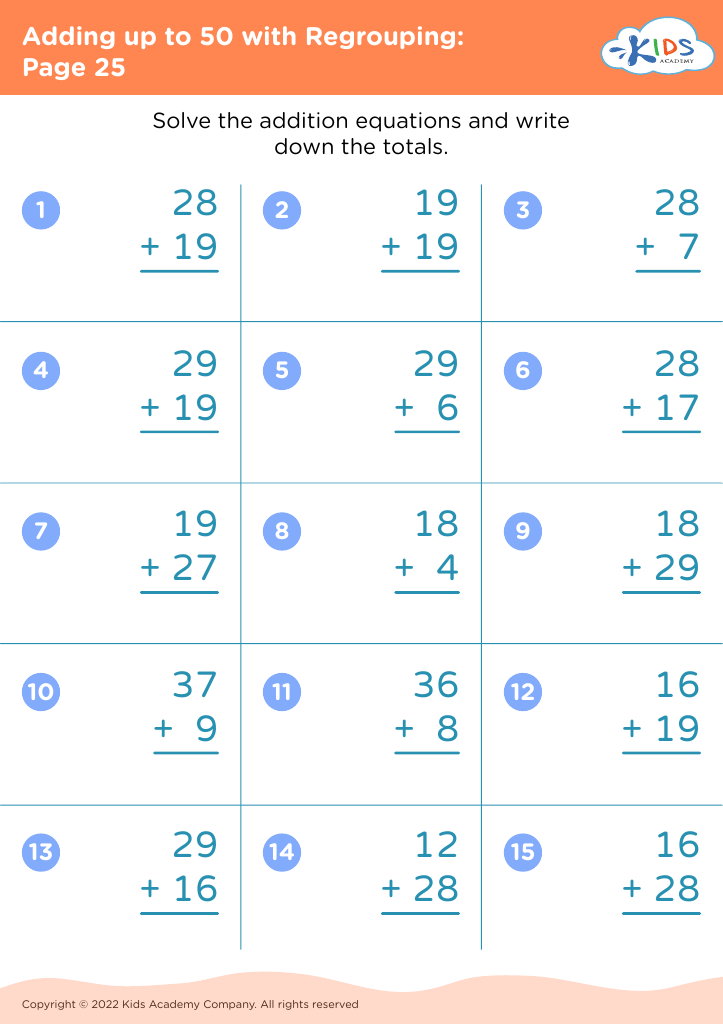
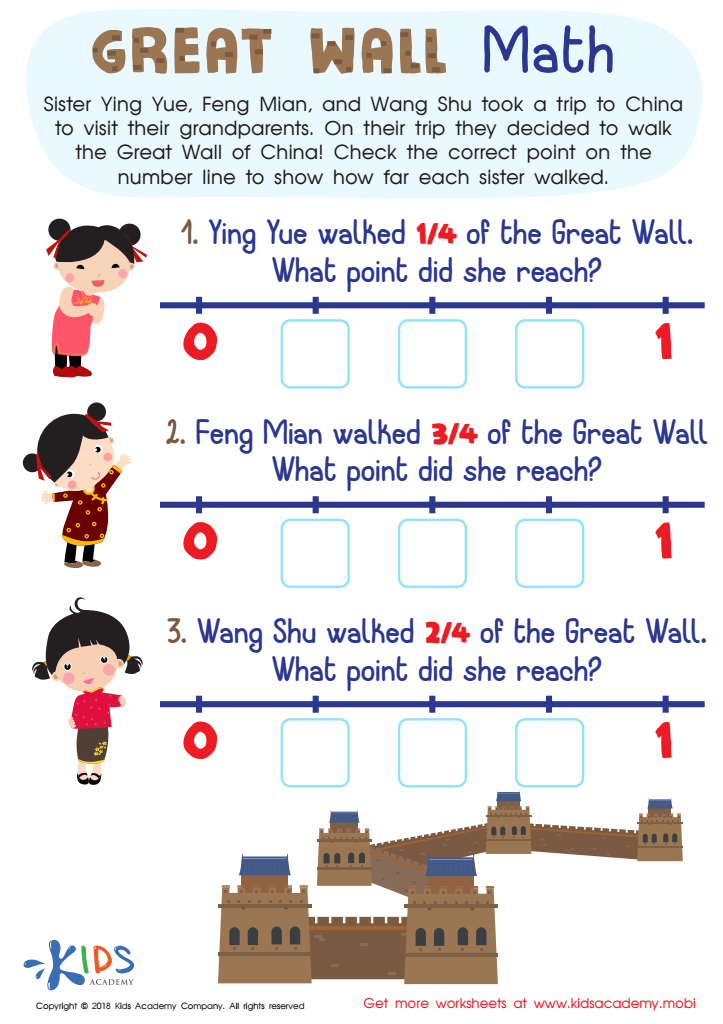
Great Wall Math Worksheet






Parents and teachers play a crucial role in nurturing problem-solving skills in children aged 3-8, an important developmental window for cognitive and social growth. At this age, children are rapidly developing foundational abilities that will shape their future learning and behavior.
Problem-solving skills are essential for children to navigate everyday challenges, from a puzzle game to resolving interpersonal conflicts. When young children engage in problem-solving activities, they learn to think critically, analyze situations, and develop creative solutions. This fosters independent thinking and confidence, which are vital for academic success and overall well-being.
Enhancing problem-solving abilities early on also helps children build resilience. As they encounter and overcome various obstacles, they learn to see challenges as opportunities rather than setbacks. This positive mindset is crucial for their future learning experiences and helps them adapt to new and complex situations more effectively.
Furthermore, collaborative problem-solving activities teach children valuable social skills like cooperation, communication, and empathy. By working together to find solutions, children understand and appreciate different perspectives, which is fundamental for forming healthy, supportive relationships.
In summary, investing time in developing problem-solving skills for children aged 3-8 lays a strong foundation for their cognitive, emotional, and social growth, preparing them for future academic and personal success.








