Develop sequencing skills Worksheets for Ages 3-8
3 filtered results
-
From - To
Enhance your child's cognitive development with our engaging Sequencing Skills Worksheets designed for ages 3-8. These educational resources help children understand the order of events, a vital skill for effective communication and problem-solving. Our worksheets feature colorful illustrations and a variety of activities, including picture sequences and story outlines, to keep young learners motivated. Each downloadable worksheet encourages critical thinking as children learn to recognize patterns and relationships. Perfect for classroom or home use, these fun activities make learning sequencing enjoyable. Explore our collection today and watch your child's reasoning skills flourish while having fun!
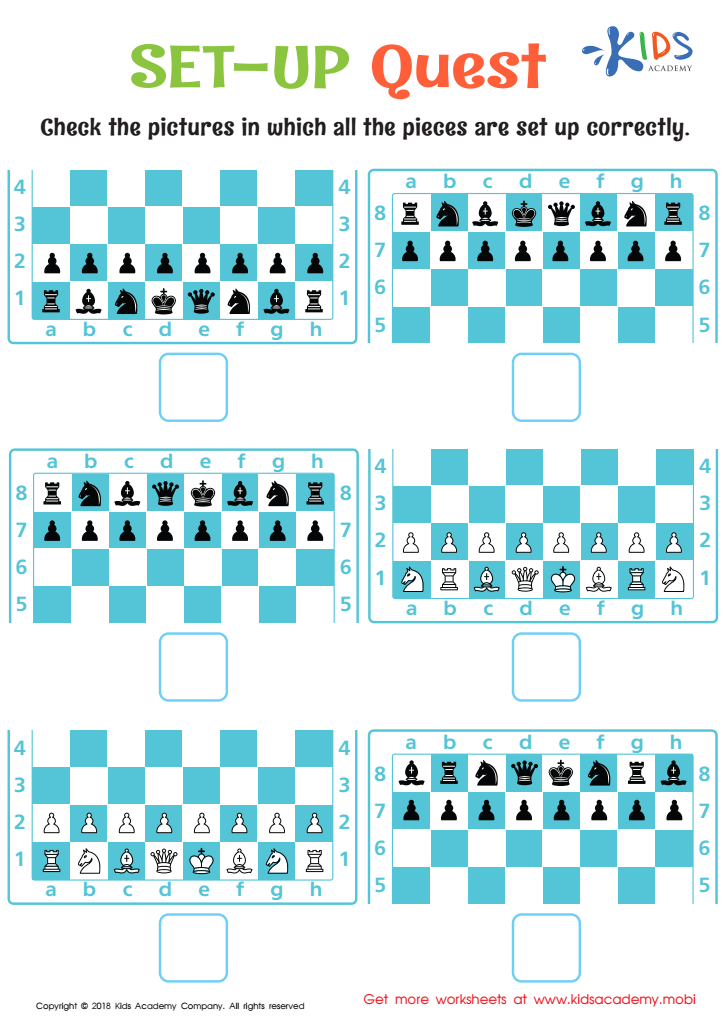
Set-up Quest Worksheet
 Assign to My Students
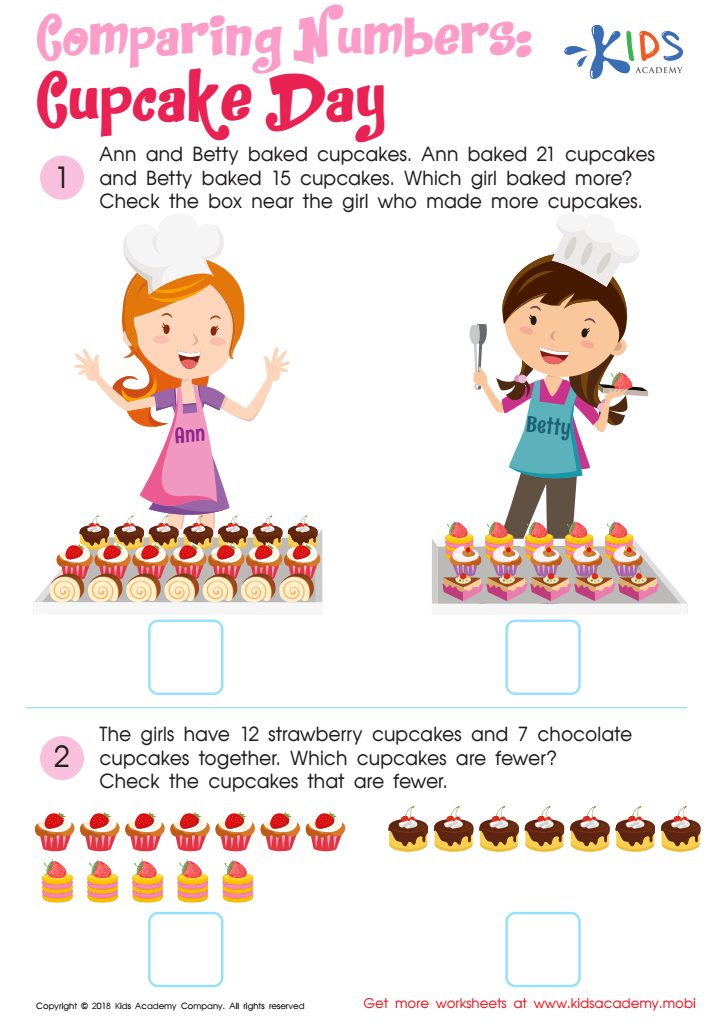
Cupcake Day Worksheet








Developing sequencing skills in children aged 3-8 is crucial for several reasons that impact their overall cognitive and social development. Sequencing refers to the ability to arrange events, actions, or narratives in a logical order, which is essential for understanding the world around them.
Firstly, sequencing underpins critical thinking and problem-solving skills. When children learn to sequence, they sharpen their ability to recognize patterns, make predictions, and draw conclusions. This form of cognitive organization is foundational for subjects like math and science, where step-by-step processes are key.
Secondly, sequencing aids in language development. Through storytelling or recounting their day, children practice putting thoughts in order, enhancing their communication skills and boosting vocabulary.
Additionally, strong sequencing abilities are linked to improving attentiveness and impulse control. Children who can manage tasks sequentially often show increased focus and engagement in activities.
Finally, sequencing helps build social skills and emotional regulation. Understanding the sequence of social interactions can help children grasp the nuances of friendships and empathy, essential for healthy relationships.
In summary, fostering sequencing skills in early childhood is about laying a robust groundwork for lifelong learning, communication, social interactions, and emotional well-being.








