
Developing creativity Worksheets for Ages 3-8
3 filtered results
Difficulty Level
Grade
Age
-
From - To
Subject
Activity
Standards
Unlock your child's creative potential with our Developing Creativity Worksheets for Ages 3-8 from Kids Academy. These engaging and fun printables are designed to cultivate imagination and boost critical thinking skills through art, storytelling, and problem-solving activities. Each worksheet aims to inspire young minds while reinforcing essential learning skills in a playful, stimulating way. Perfect for parents and educators looking to enrich their curriculum, our worksheets offer a blend of both structure and freedom, allowing children to express themselves creatively. Let Kids Academy help you nurture the inventive thinkers of tomorrow, one worksheet at a time.
Favorites
With answer key
Interactive
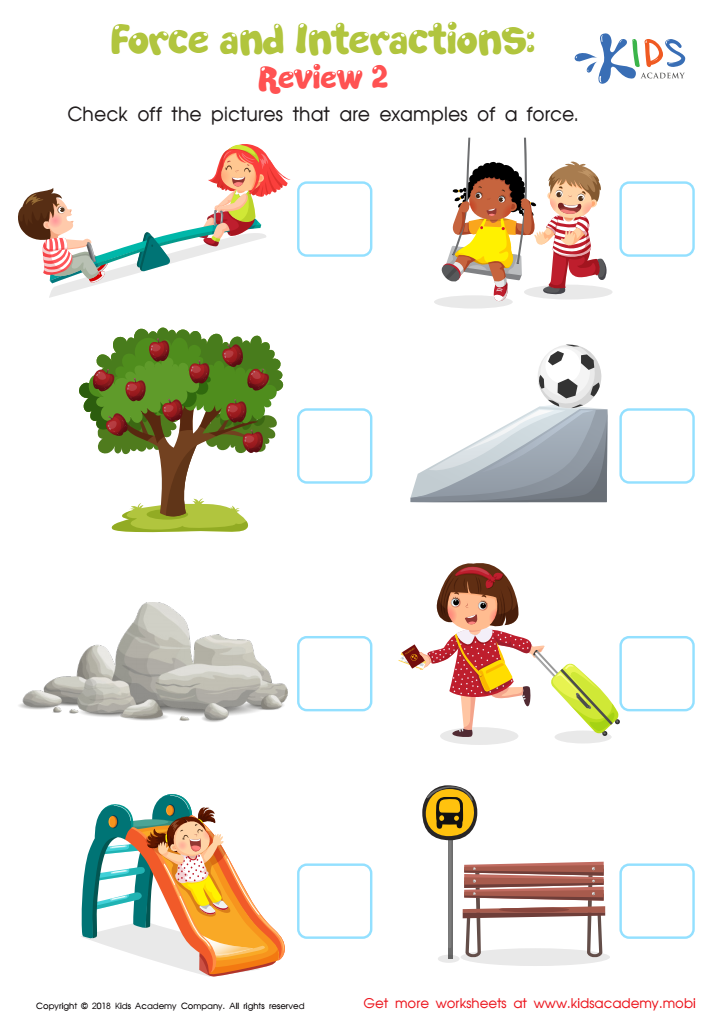
Force and Interactions: Review 2 Worksheet
Your child can identify force examples by checking the pictures. There are 8 images of kids engaging in activities and objects in motion. Get them to name the activities and objects, or if they know, explain force and interaction.
 Assign to My Students
Force and Interactions: Review 2 Worksheet
Worksheet
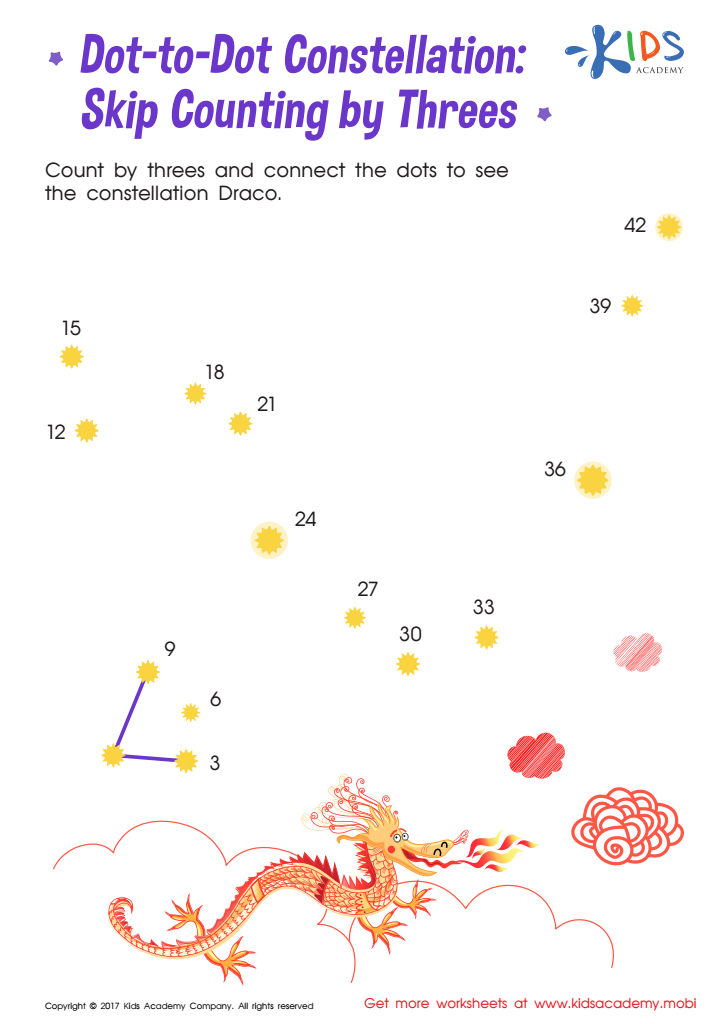
Skip Counting by 3s: Dot–to–Dot Constellation Printable
Worksheet
Join Kids Academy for Free
Who is primarily going to use this learning content?







Developing creativity in children ages 3-8 is essential for their overall growth and future success. During these formative years, their brains are incredibly malleable, making it an opportune time to foster creative thinking. Creativity equips children with the ability to approach problems from different angles, think critically, and come up with innovative solutions—all crucial skills in today’s rapidly changing world.
Encouraging creativity helps children enhance their cognitive abilities and academic performance. It’s not just about arts and crafts; creativity intertwines with subjects like mathematics and science by promoting curiosity, experimentation, and perseverance. For example, a child who enjoys drawing might better grasp geometry or spatial awareness. Likewise, storytelling can improve literacy skills and imaginative play can enhance social competencies.
On an emotional level, creative activities such as painting, role-playing, or storytelling allow children to express their thoughts, fears, and joys, thus aiding emotional development and resilience. Additionally, engaging in group creative tasks promotes collaboration, empathy, and communication skills.
As parents and teachers, nurturing creativity in young children builds a strong foundation for lifelong learning and adaptability. Investing in their creative capacities now sets the stage for future innovators, problem-solvers, and engaged, empathetic individuals. It's a gift that continually grows with them.








