Developing logic skills Worksheets for Ages 3-8
4 filtered results
-
From - To
Unlock your child's potential with our engaging Developing Logic Skills Worksheets for ages 3-8! Designed to stimulate critical thinking and problem-solving, these worksheets offer fun activities that help young learners enhance their logical reasoning abilities. From pattern recognition to sequencing puzzles, each worksheet encourages children to think independently while enjoying hands-on learning. Perfect for both educators and parents, these resources are ideal for reinforcing important skills in a playful and interactive way. Help your child build a strong foundation for future learning with our thoughtfully crafted worksheets that cater to diverse learning styles and ensure every child can succeed!
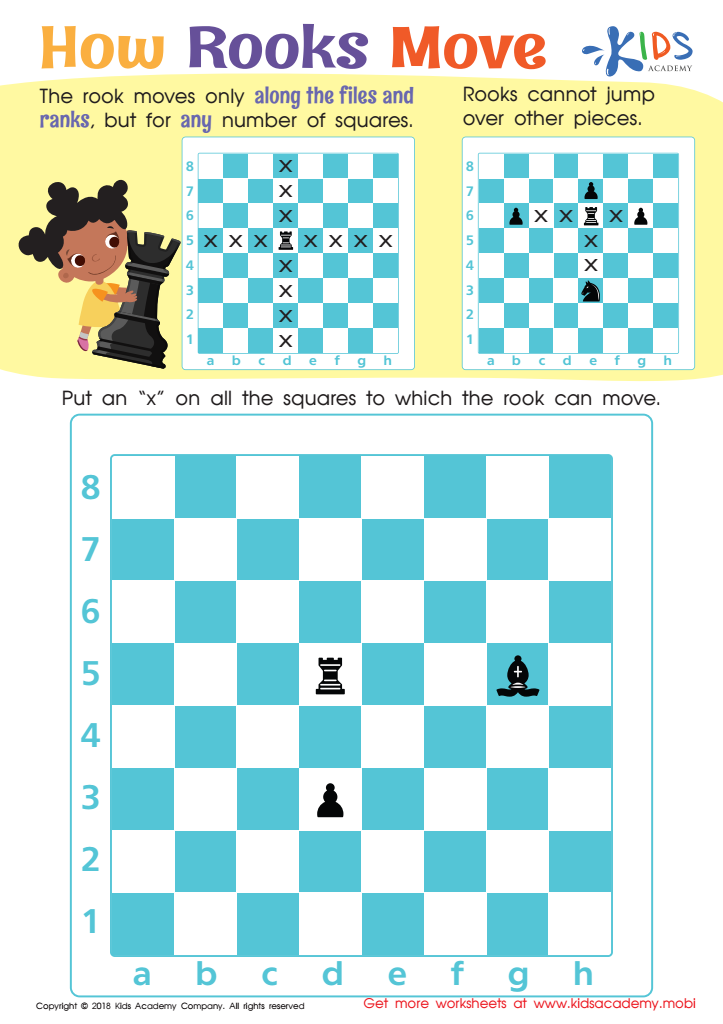
How Rooks Move Worksheet
 Assign to My Students
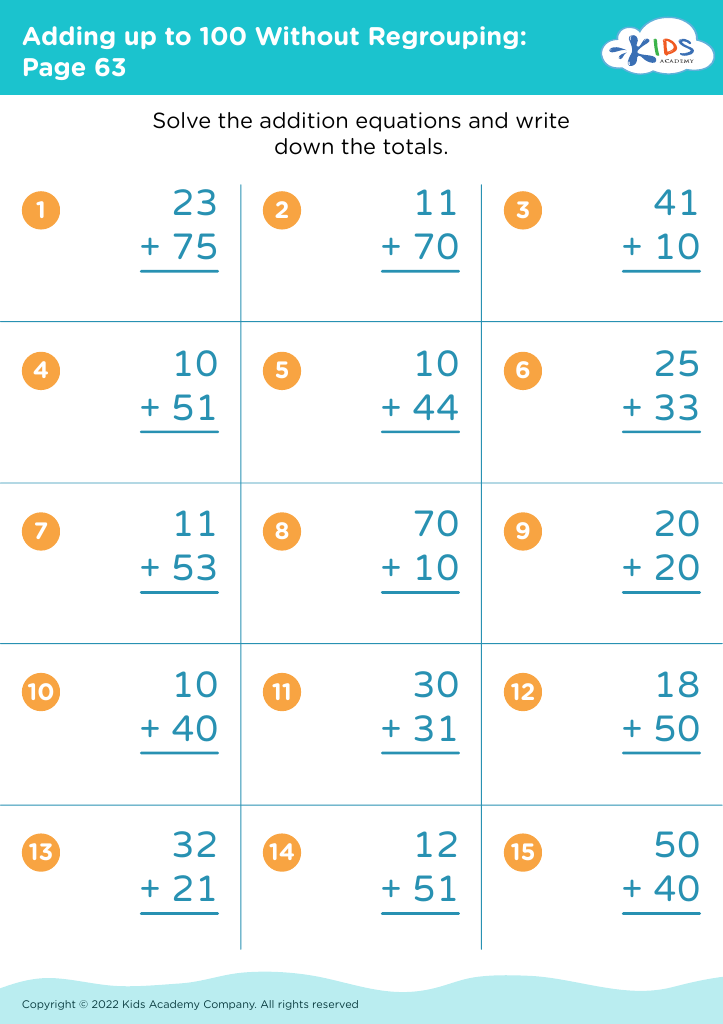
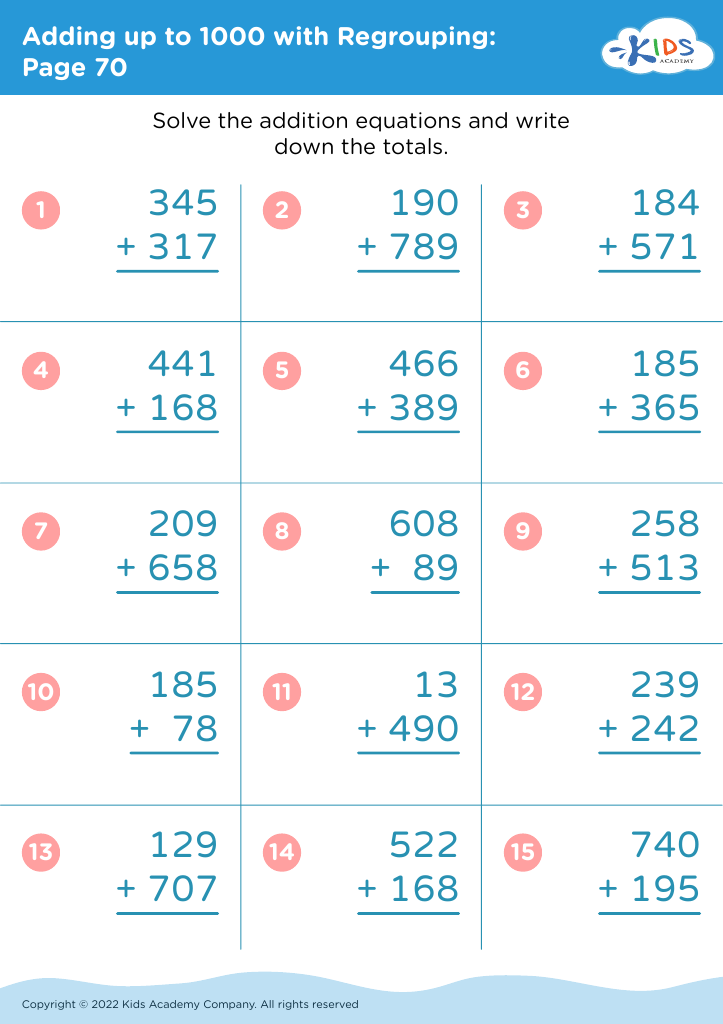
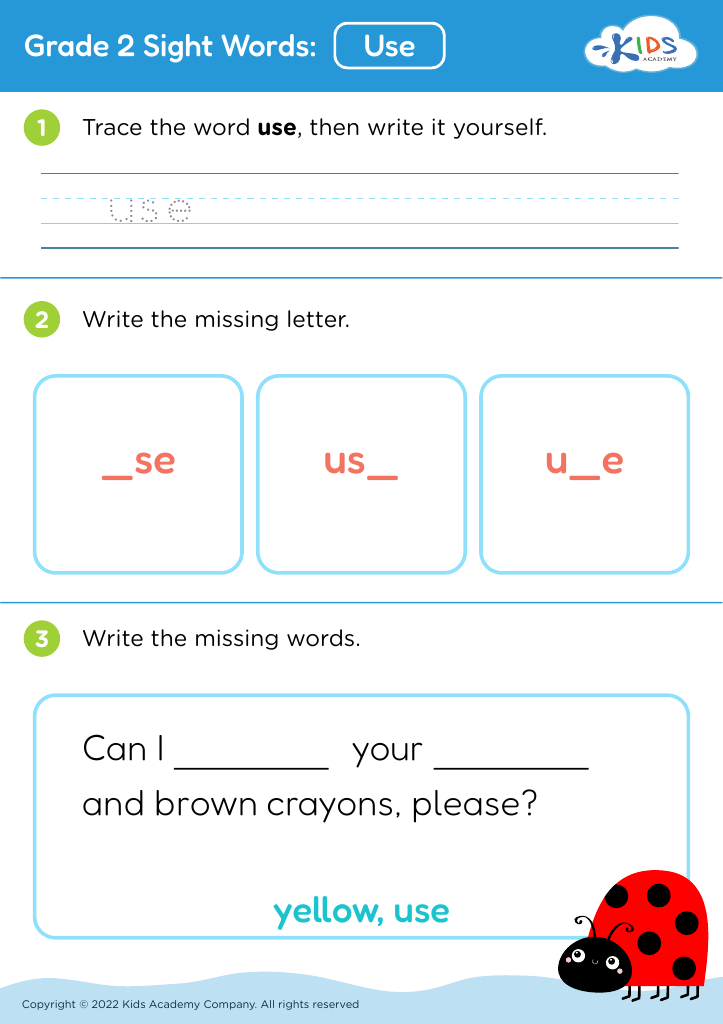








Developing logic skills in children aged 3-8 is crucial for their cognitive and personal growth. During this formative period, children are like sponges, absorbing information and learning how to think critically about the world around them. Strengthening their logical reasoning helps them make sense of their experiences, solve problems, and make informed decisions.
Engaging in activities that promote logic, such as puzzles, games, and hands-on tasks, can significantly enhance a child’s analytical thinking. These skills are foundational for future academic success, as they support subjects like mathematics, science, and even language development. Moreover, logical reasoning fosters creativity; as children learn to connect ideas and form conclusions, they become better problem solvers and lifelong learners.
Additionally, through logical play and inquiry, children learn to express their thoughts and reasoning, which is essential for effective communication. Parents and teachers can cultivate a supportive environment for this development through open-ended questions and encouraging exploration, which builds both confidence and resilience in facing challenges.
In the long run, nurturing logic skills at an early age prepares children not only for academic achievements but also for navigating social situations and real-world challenges, making it an investment in their future success.








