Event sequencing Worksheets for Ages 3-8
3 filtered results
-
From - To
Discover our engaging Event Sequencing Worksheets designed specifically for children ages 3-8! These worksheets support young learners in developing essential skills such as critical thinking, comprehension, and narrative understanding. Children will enjoy sequencing familiar activities, from everyday tasks to favorite stories, helping them enhance their cognitive abilities while having fun. Our user-friendly, colorful worksheets make learning interactive and enjoyable. Ideal for classroom use or at-home practice, these resources promote creativity and language skills. Watch your child's confidence grow as they master the art of sequencing events through playful, hands-on activities. Explore our collection to ignite your child's learning journey today!
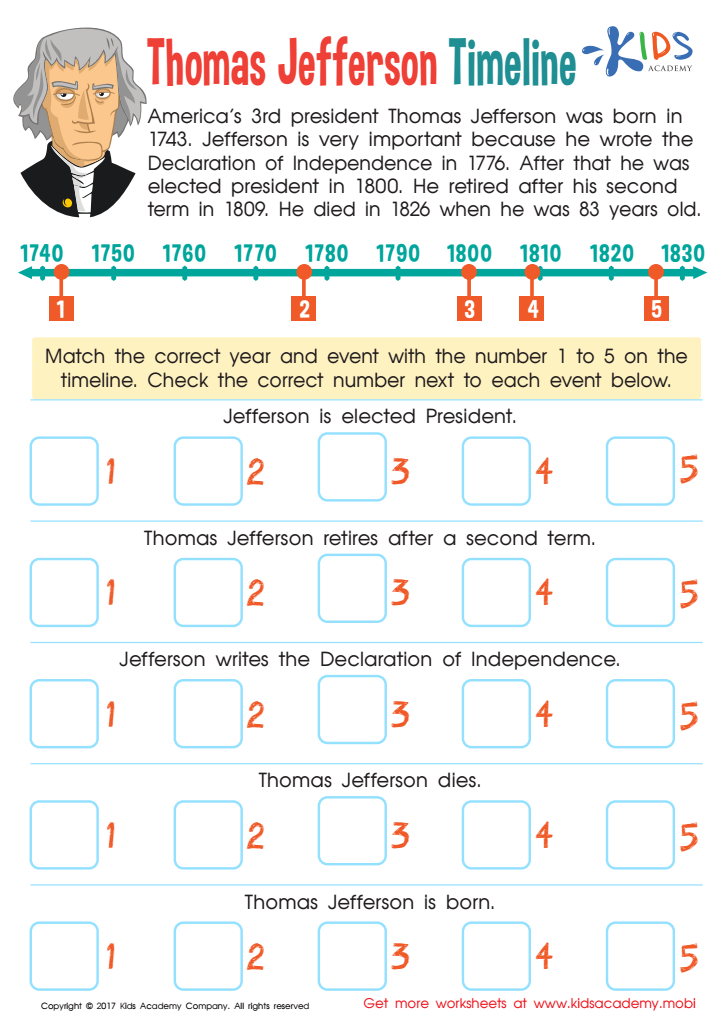
Thomas Jefferson Timeline Worksheet
 Assign to My Students
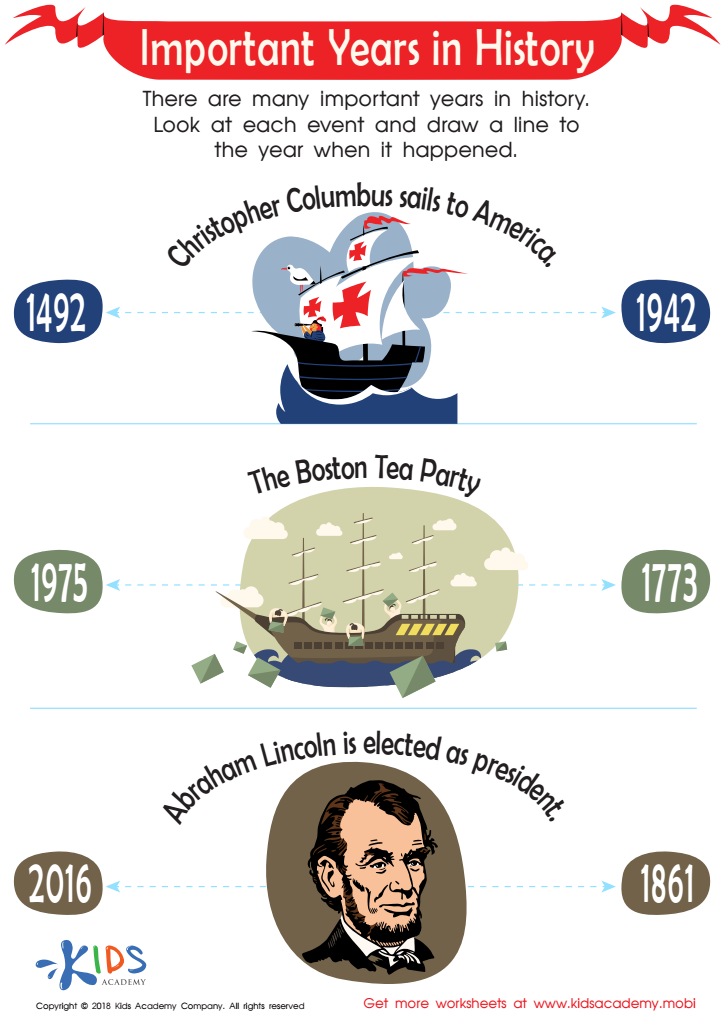
Important Years in History Worksheet
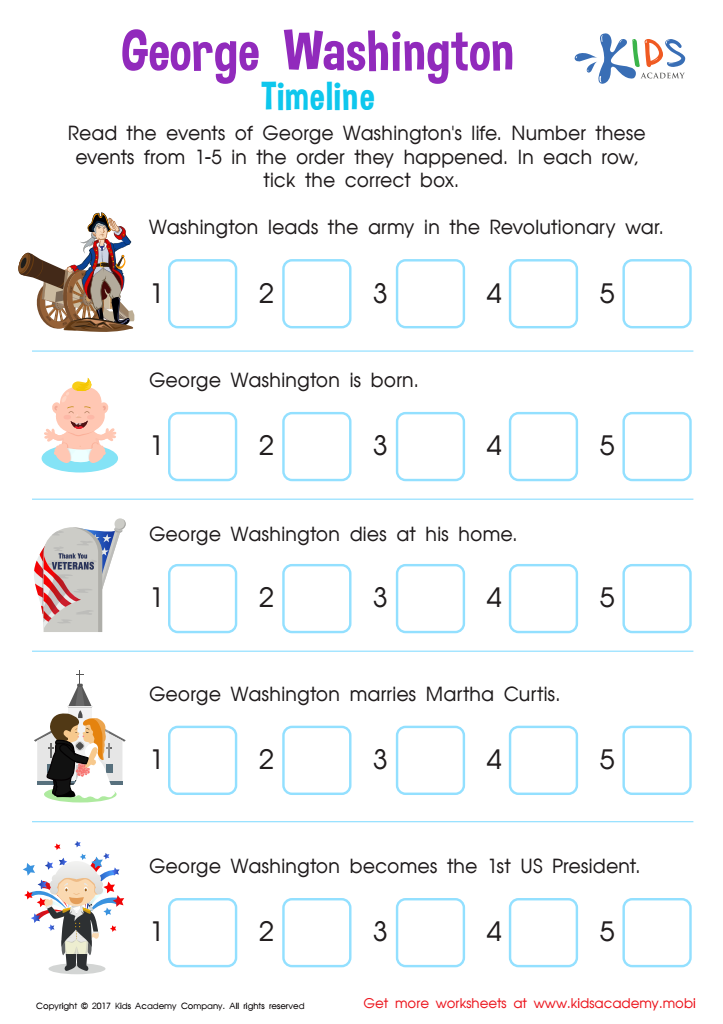
George Washington Timeline Worksheet





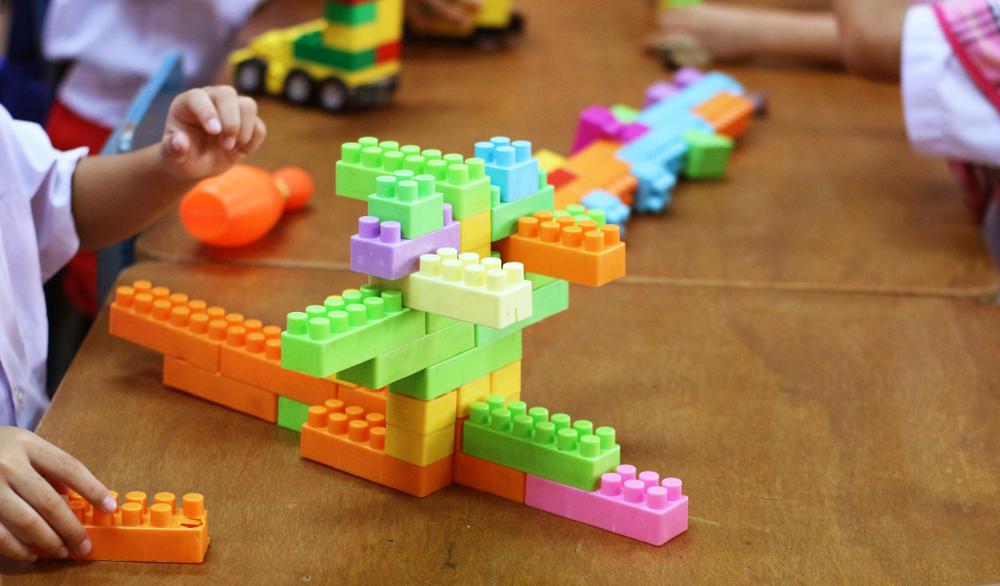
Event sequencing is a fundamental cognitive skill that plays a critical role in the early development of children, especially between the ages of 3 to 8. Parents and teachers should care about this concept as it directly impacts a child's language development, reading comprehension, problem-solving skills, and overall cognitive growth.
Understanding how to sequence events allows children to comprehend stories, recall details, and construct narratives. It fosters their language abilities as they learn to use transitional words such as first, next, and last, enhancing their linguistic expression. Consequently, children who are adept at sequencing are often more successful in both spoken and written communication.
Moreover, event sequencing aids in the development of critical thinking skills. As children learn to predict outcomes, establish cause-and-effect relationships, and identify chronological order, they enhance their ability to analyze and make sense of their experiences. This skill extends beyond storytelling to real-life contexts, helping children navigate daily routines, plan activities, and solve problems effectively.
Incorporating event sequencing into educational and parenting practices—through storytelling, games, and interactive activities—can significantly enrich a child’s learning journey, preparing them for future academic challenges and fostering essential life skills.








