Check out this FREE "Fraction simplification" Trial Lesson for age 3-8!

H

Favorites
With answer key
Interactive
  • 3-8
  • Fraction simplification
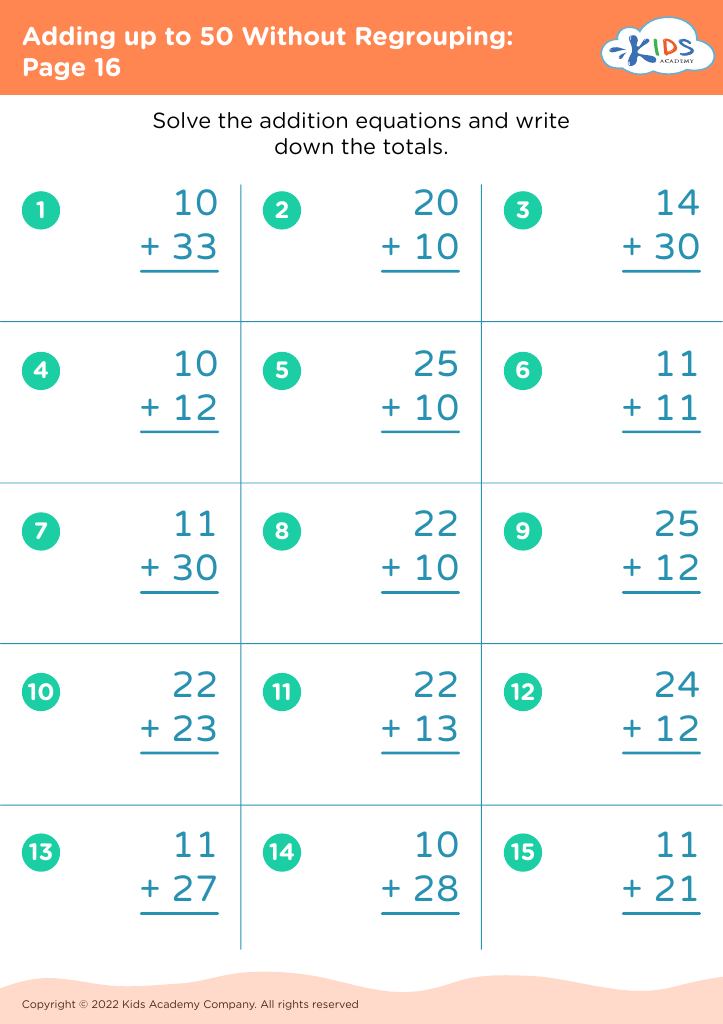
Adding up to 50 Without Regrouping: Page 16
Worksheet
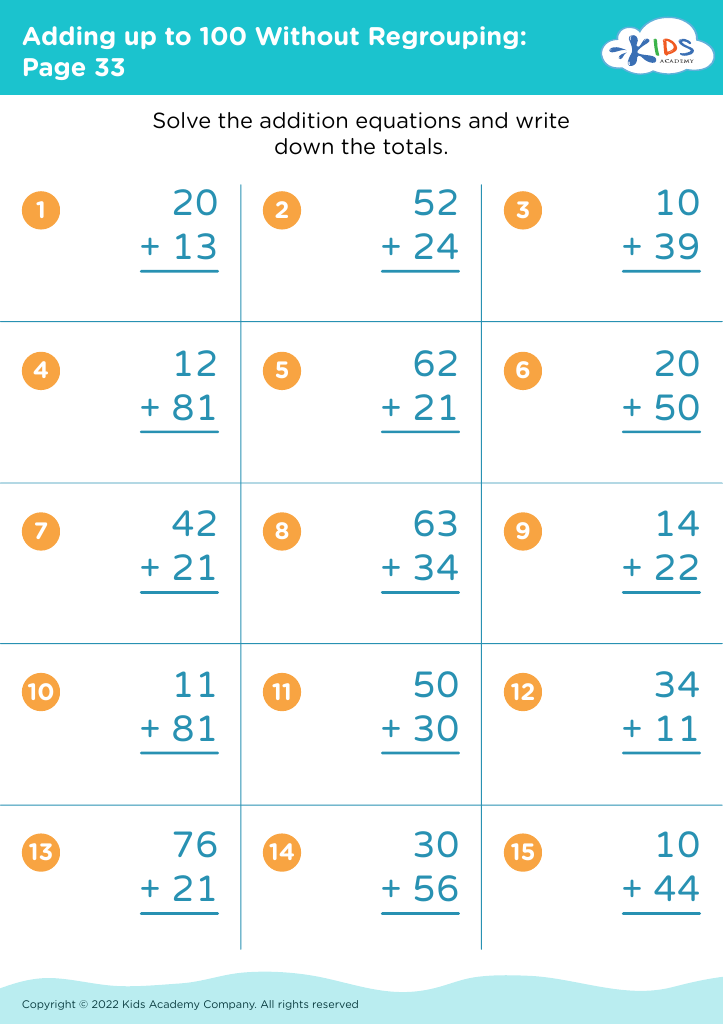
Adding up to 100 Without Regrouping: Page 33
Worksheet
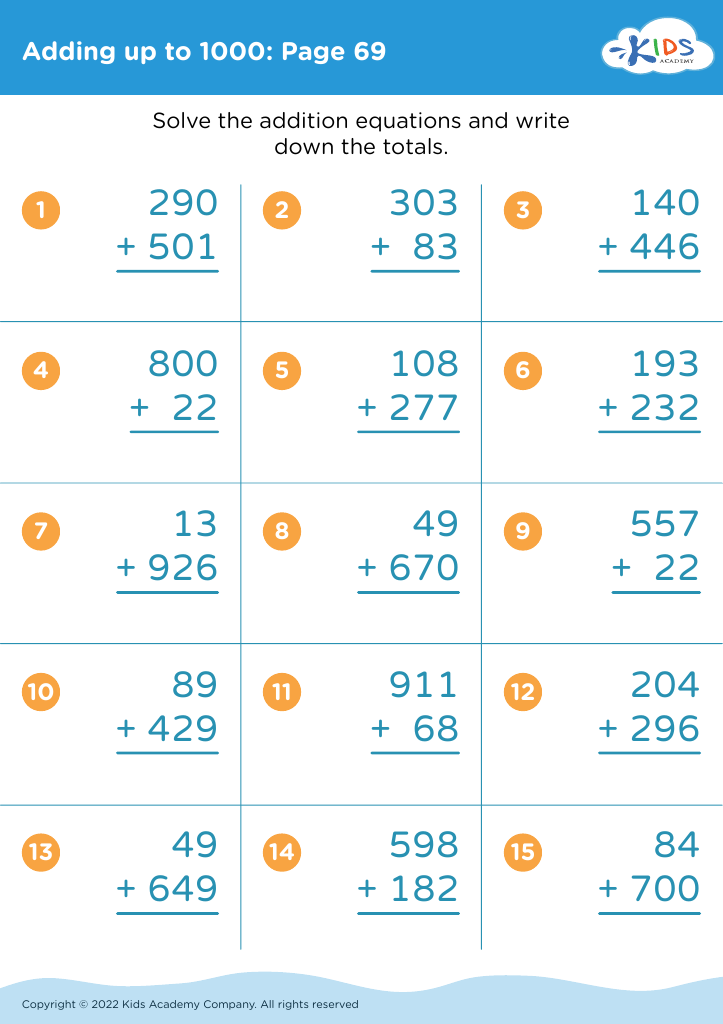
Adding up to 1000: Page 69

Adding up to 1000: Page 69

Adding up to 1000: Page 69
Worksheet
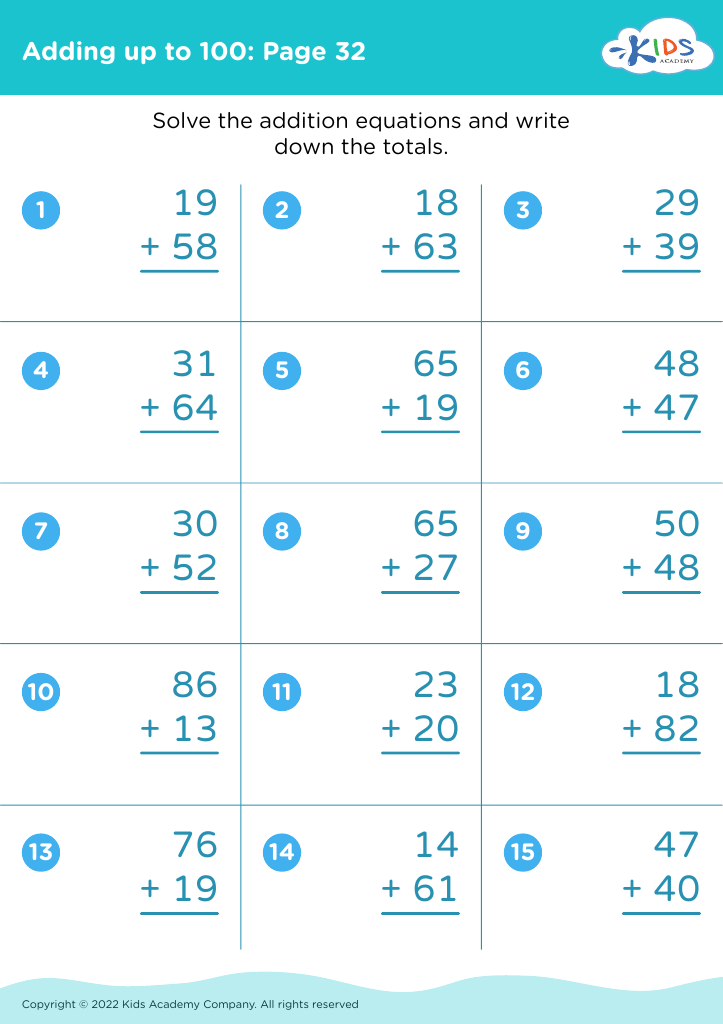
Adding up to 100: Page 32

Adding up to 100: Page 32

Adding up to 100: Page 32
Worksheet
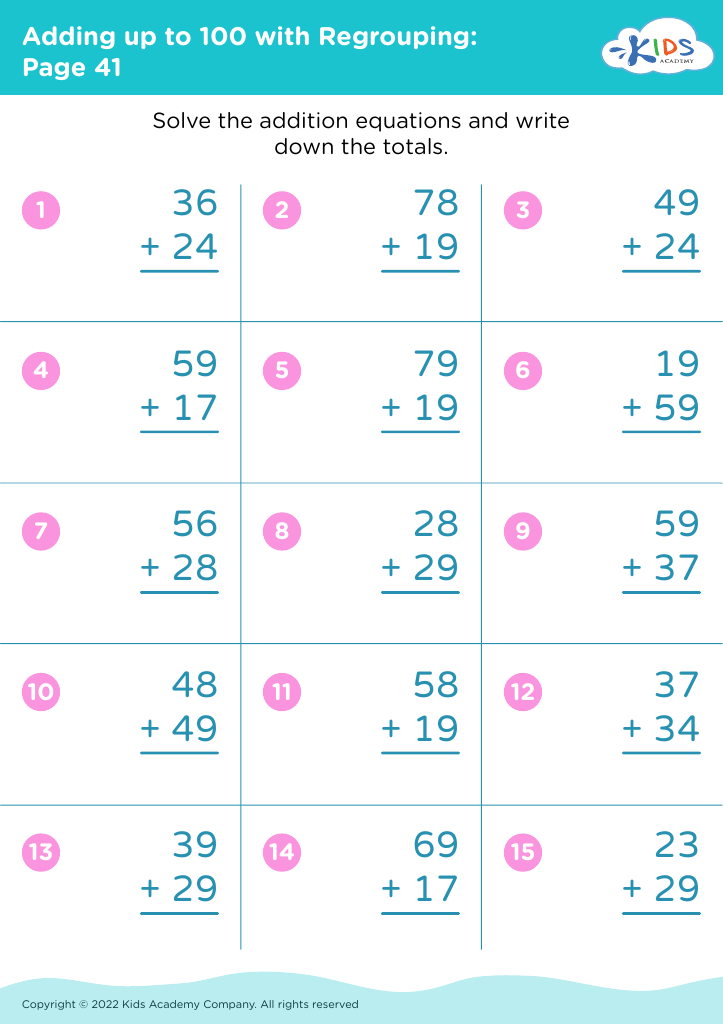
Adding up to 100 with Regrouping: Page 41
Worksheet
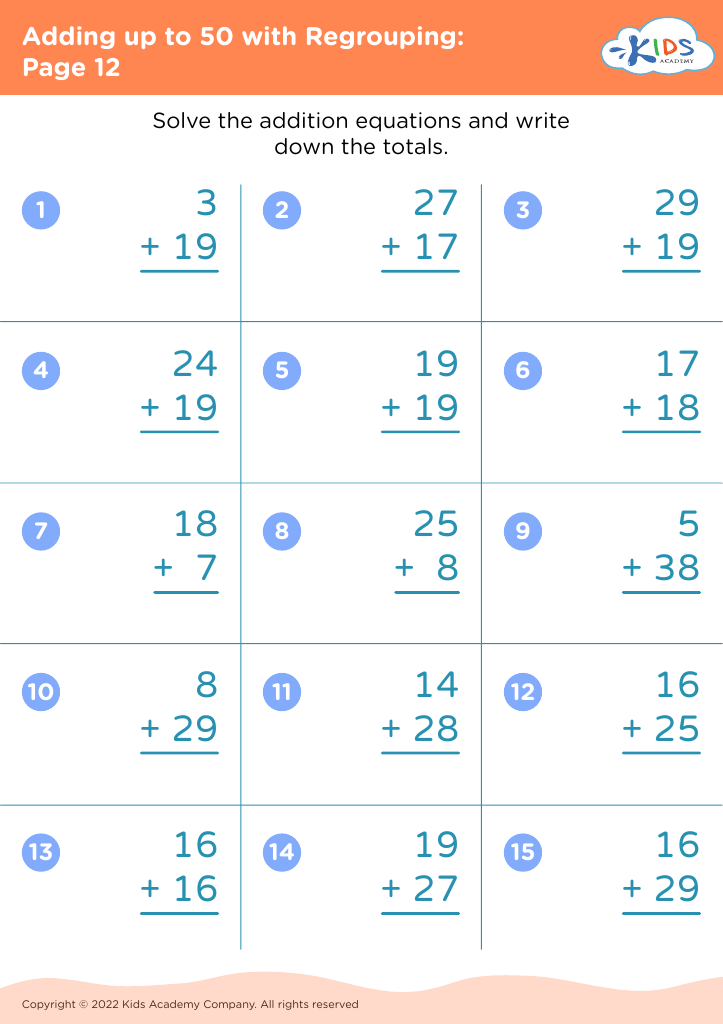
Adding up to 50 with Regrouping: Page 12
Worksheet
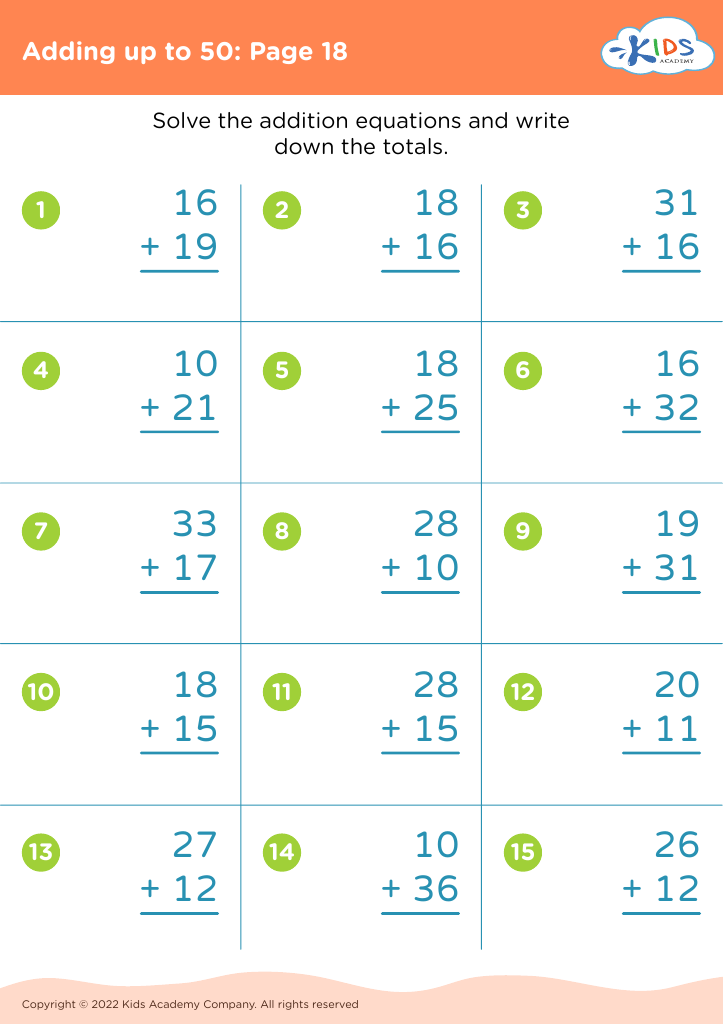
Adding up to 50: Page 18

Adding up to 50: Page 18

Adding up to 50: Page 18
Worksheet
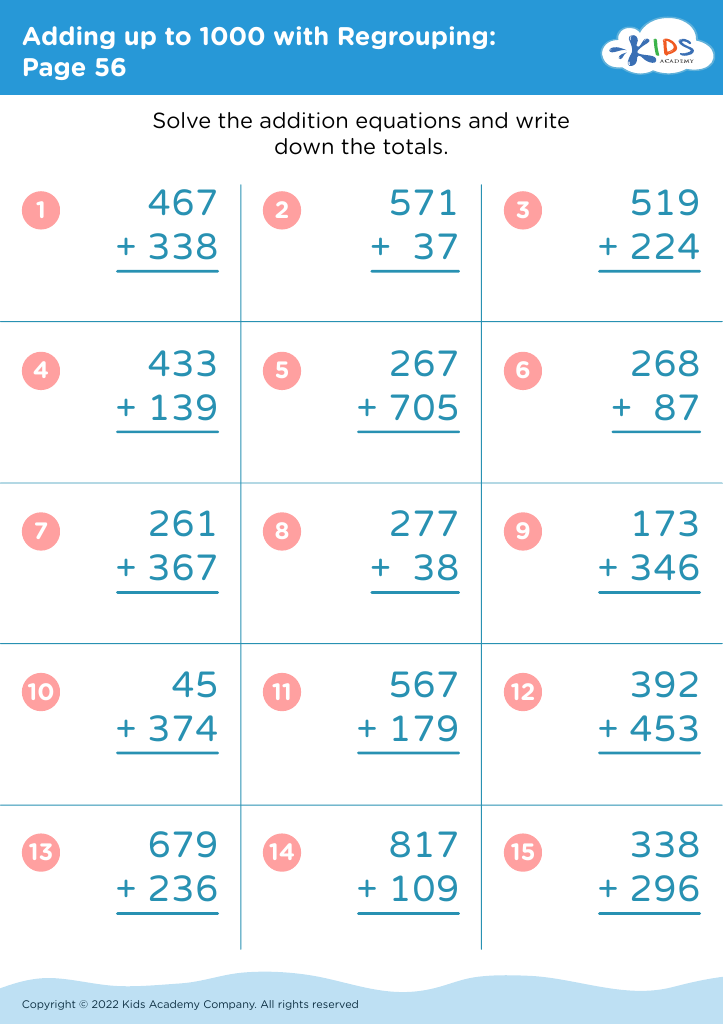
Adding up to 1000 with Regrouping: Page 56
Worksheet
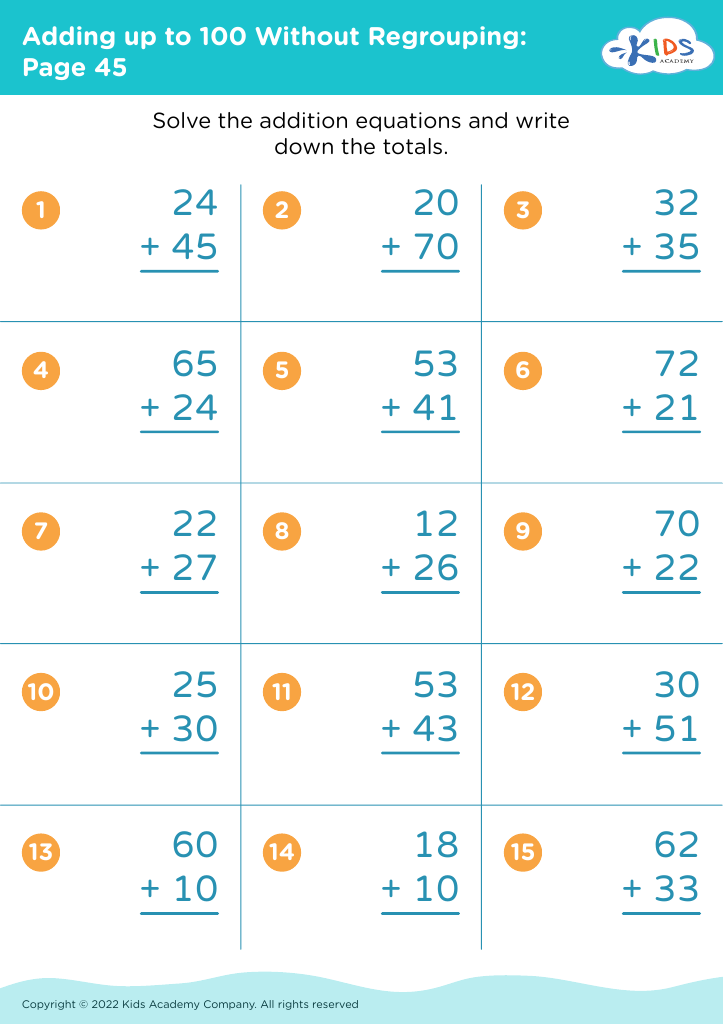
Adding up to 100 Without Regrouping: Page 45
Worksheet
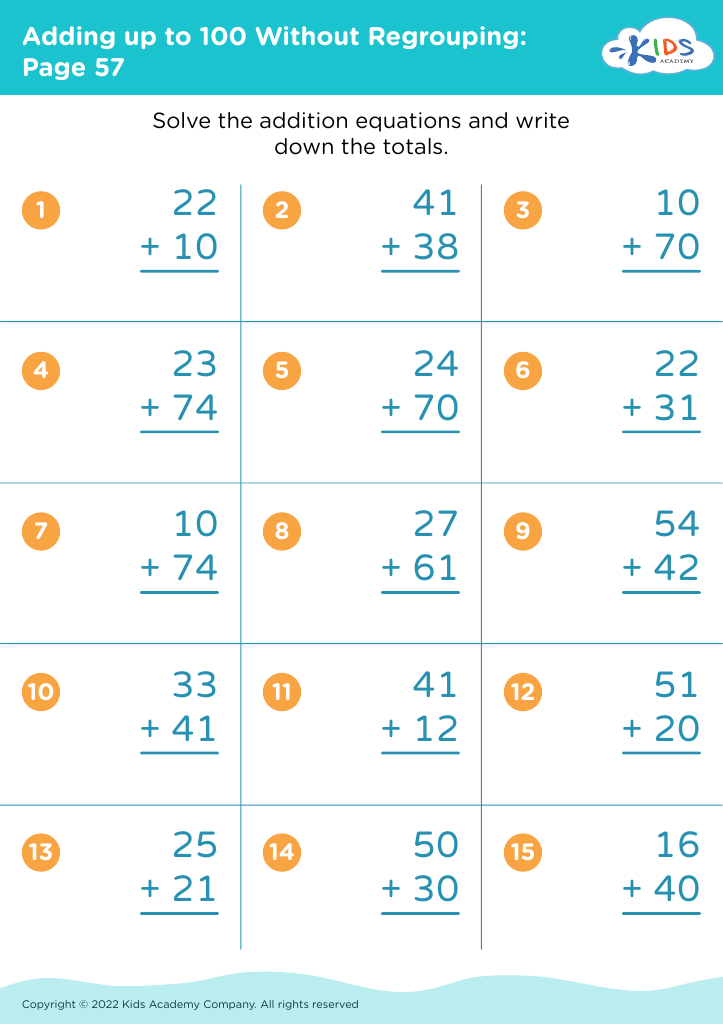
Adding up to 100 Without Regrouping: Page 57
Worksheet
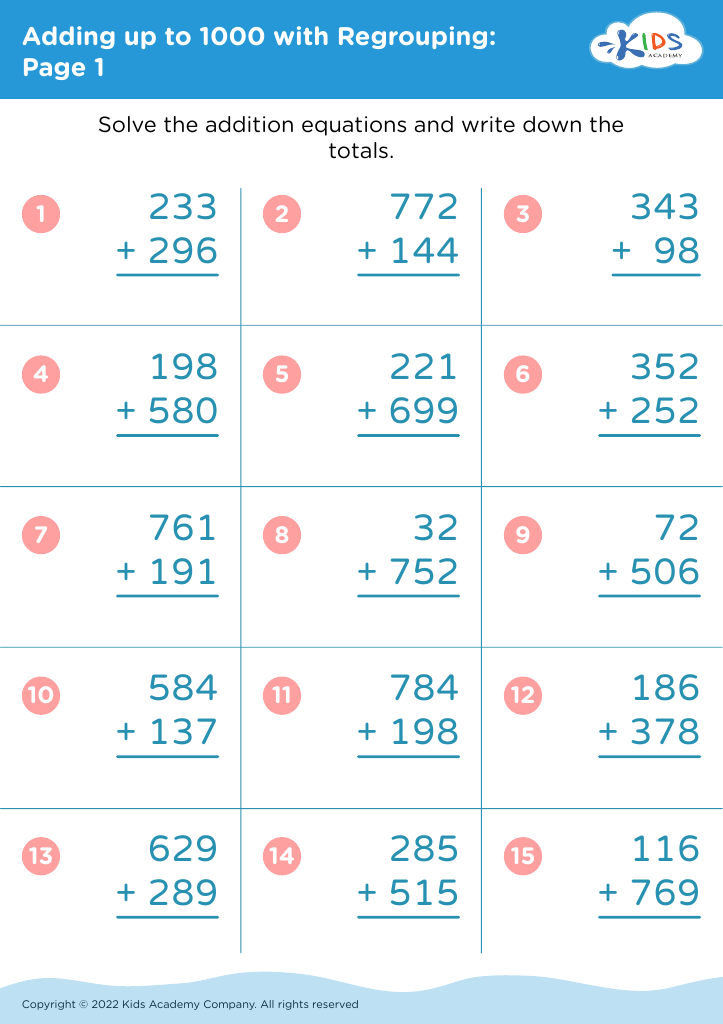
Adding up to 1000 with Regrouping: Page 1
Worksheet
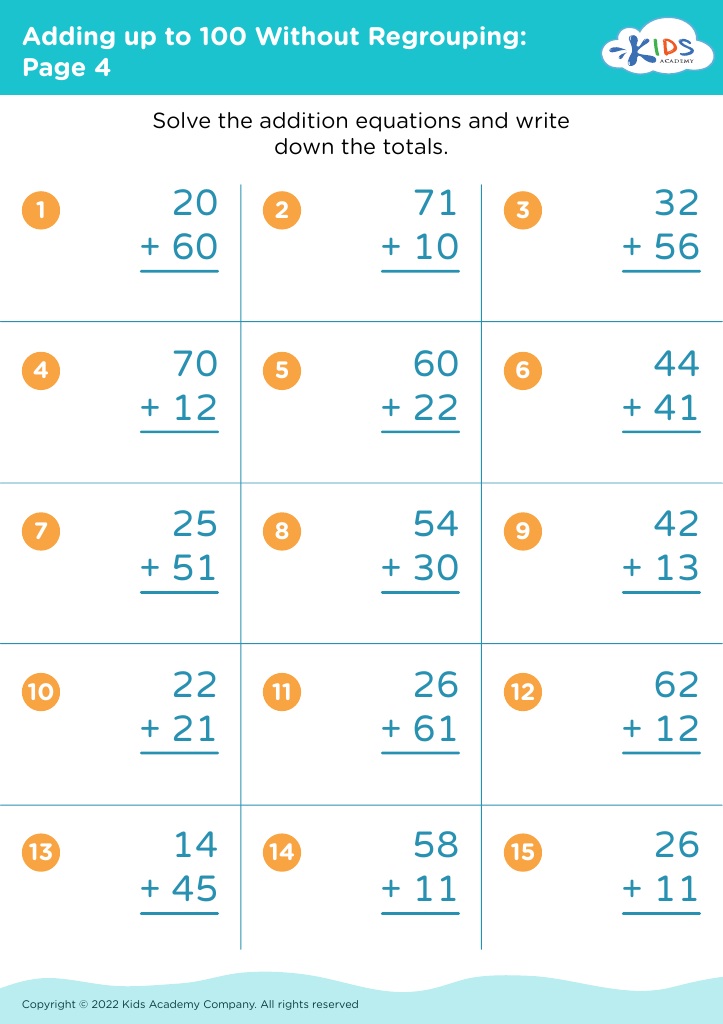
Adding up to 100 Without Regrouping: Page 4
Worksheet
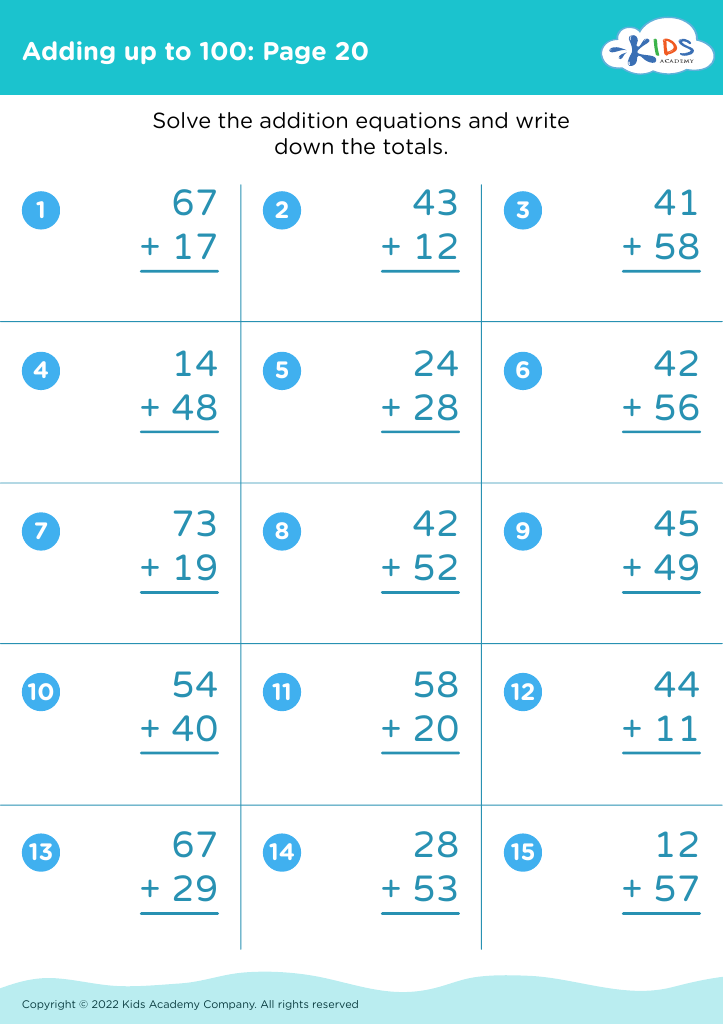
Adding up to 100: Page 20

Adding up to 100: Page 20

Adding up to 100: Page 20
Worksheet
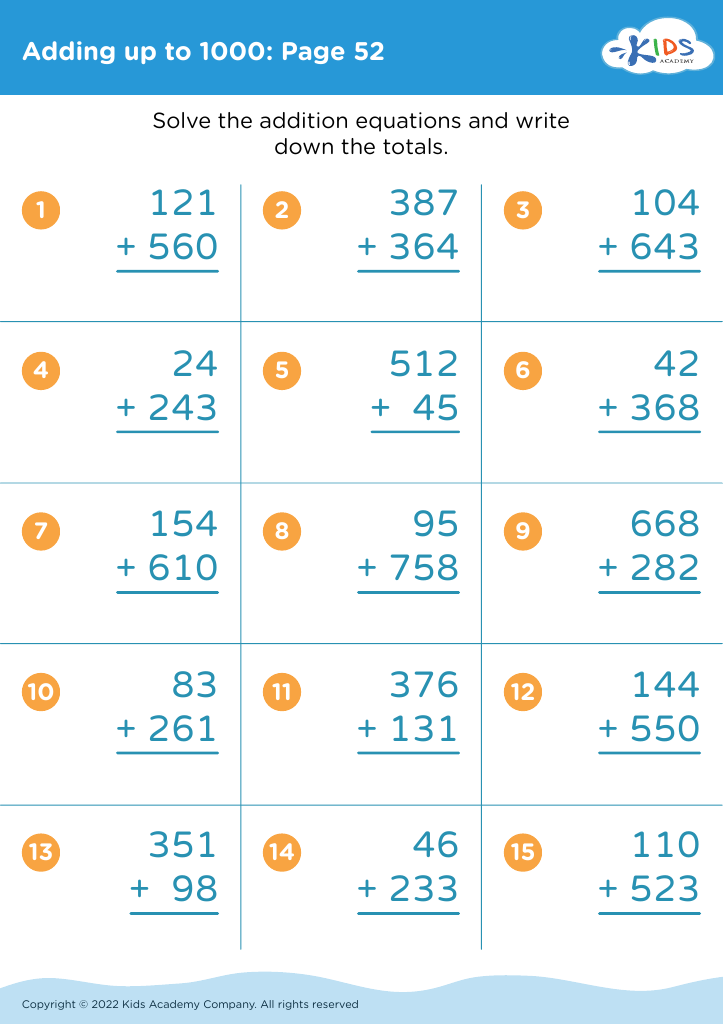
Adding up to 1000: Page 52

Adding up to 1000: Page 52

Adding up to 1000: Page 52
Worksheet
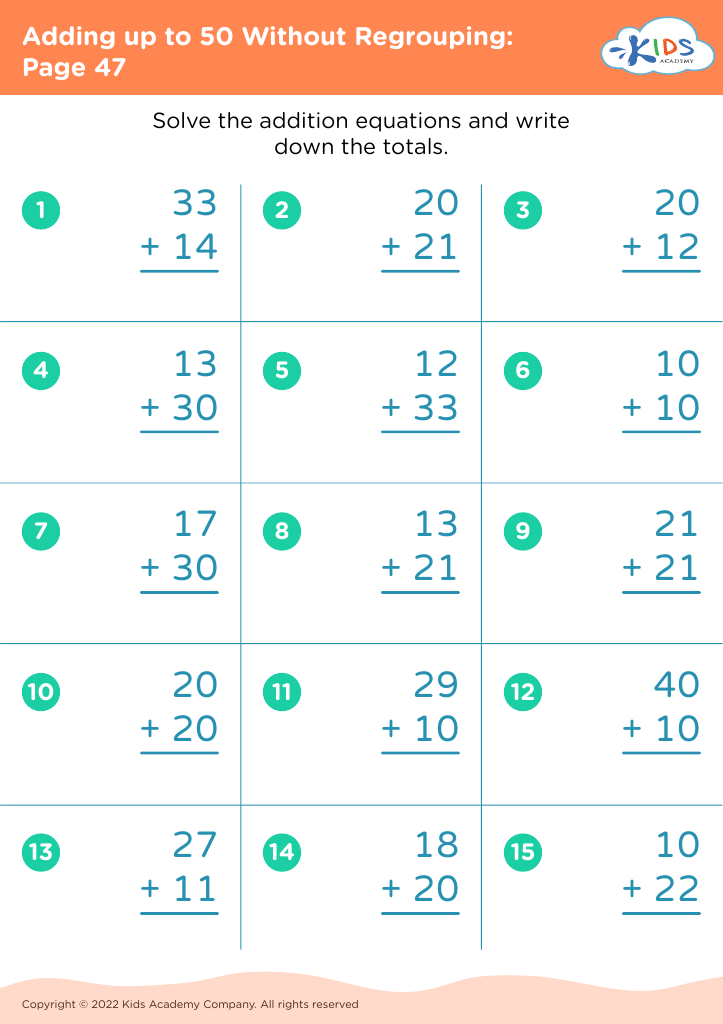
Adding up to 50 Without Regrouping: Page 47
Worksheet
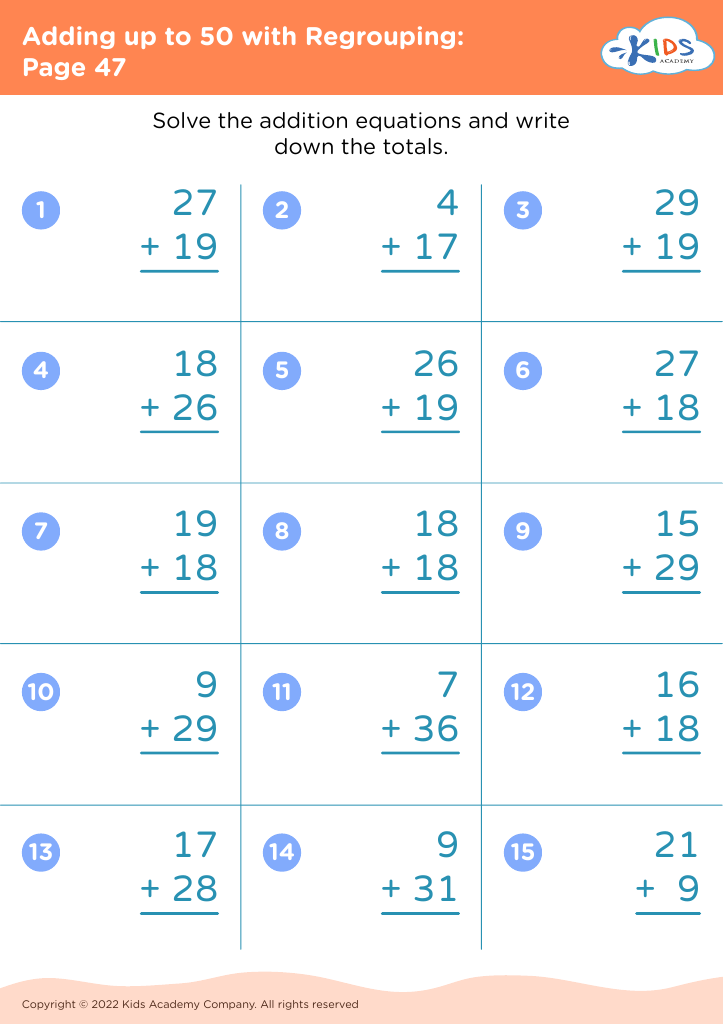
Adding up to 50 with Regrouping: Page 47
Worksheet
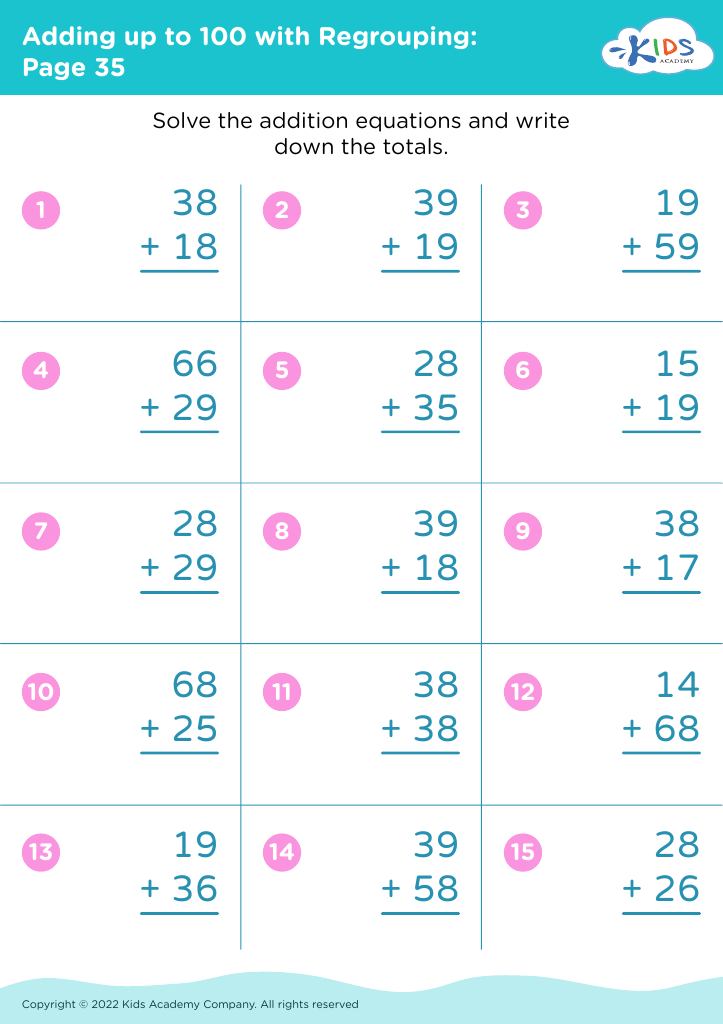
Adding up to 100 with Regrouping: Page 35
Worksheet
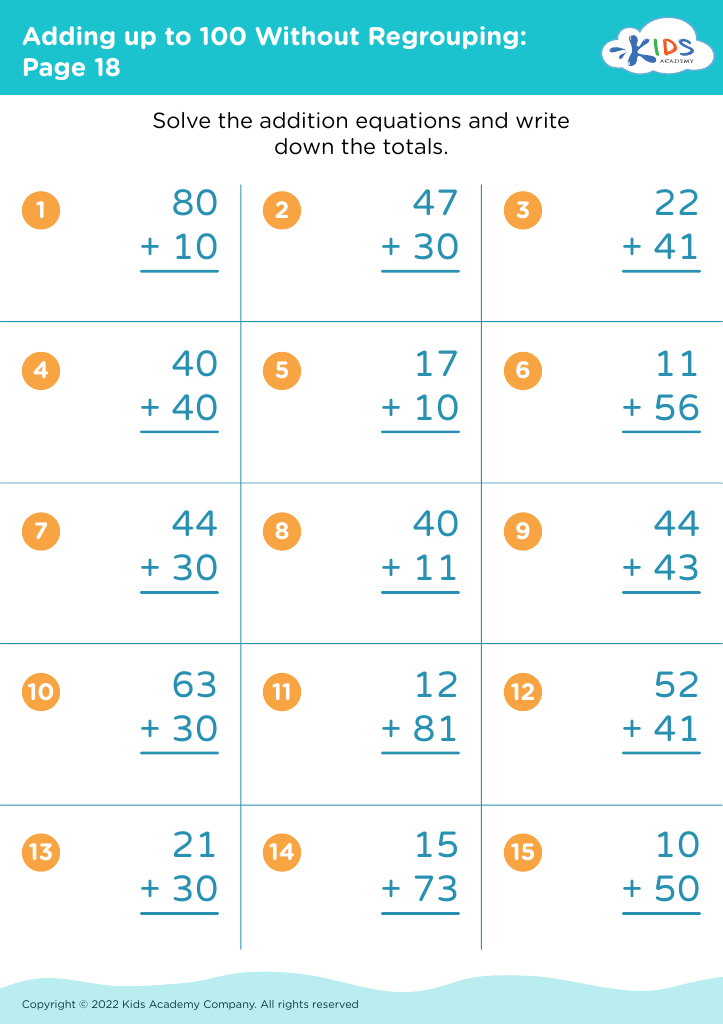
Adding up to 100 Without Regrouping: Page 18
Worksheet
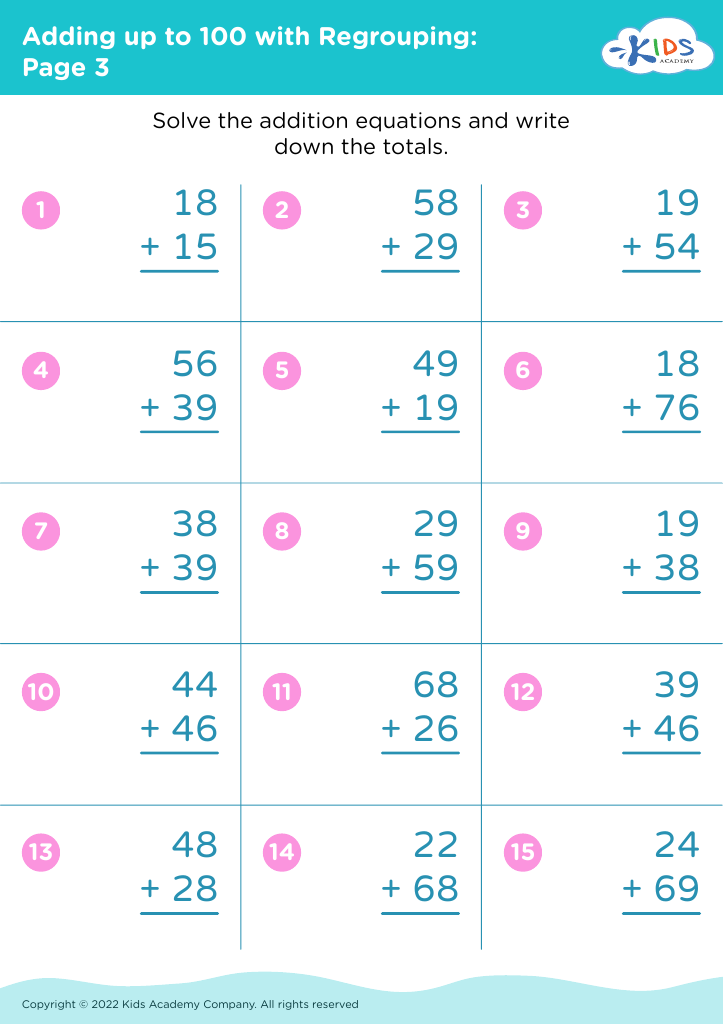
Adding up to 100 with Regrouping: Page 3
Worksheet
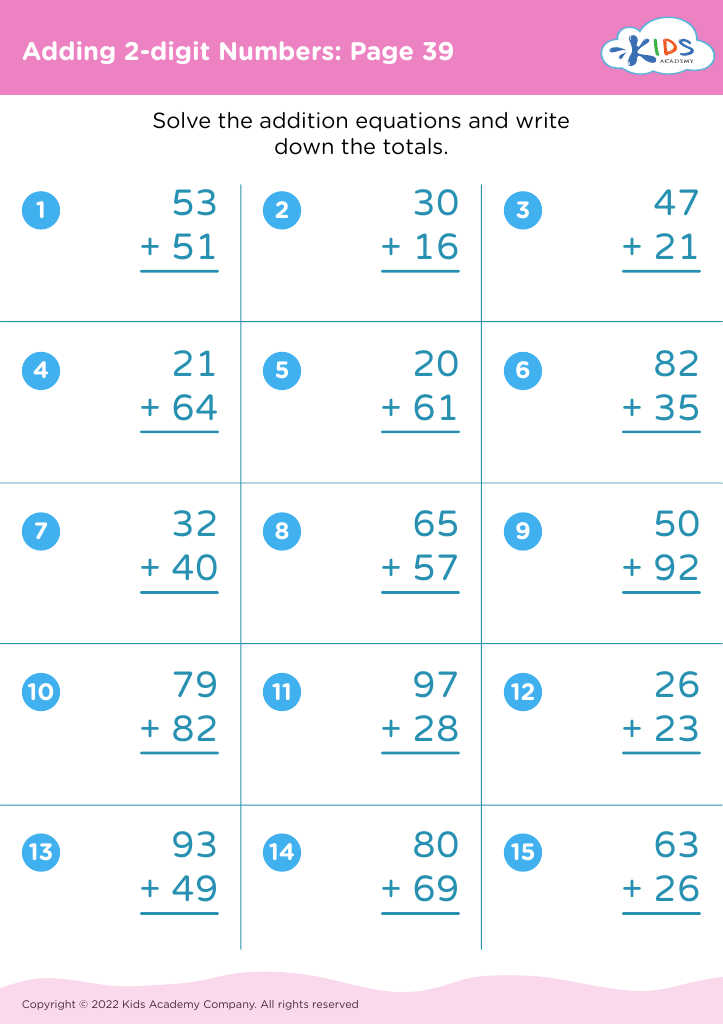
Adding 2-digit Numbers: Page 39

Adding 2-digit Numbers: Page 39

Adding 2-digit Numbers: Page 39
Worksheet
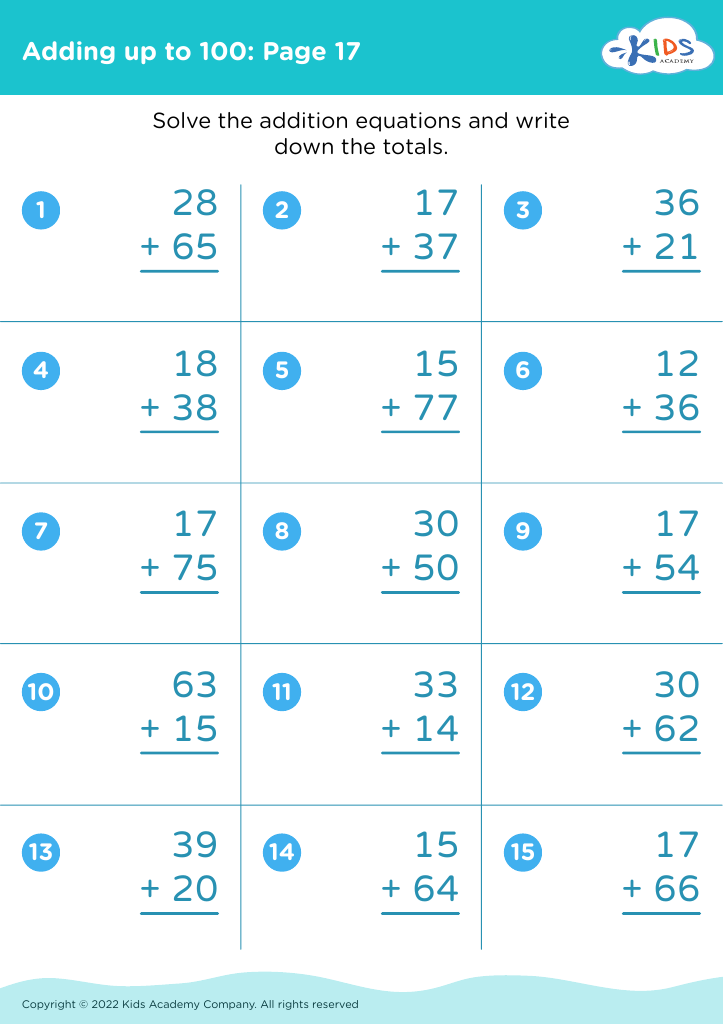
Adding up to 100: Page 17

Adding up to 100: Page 17

Adding up to 100: Page 17
Worksheet
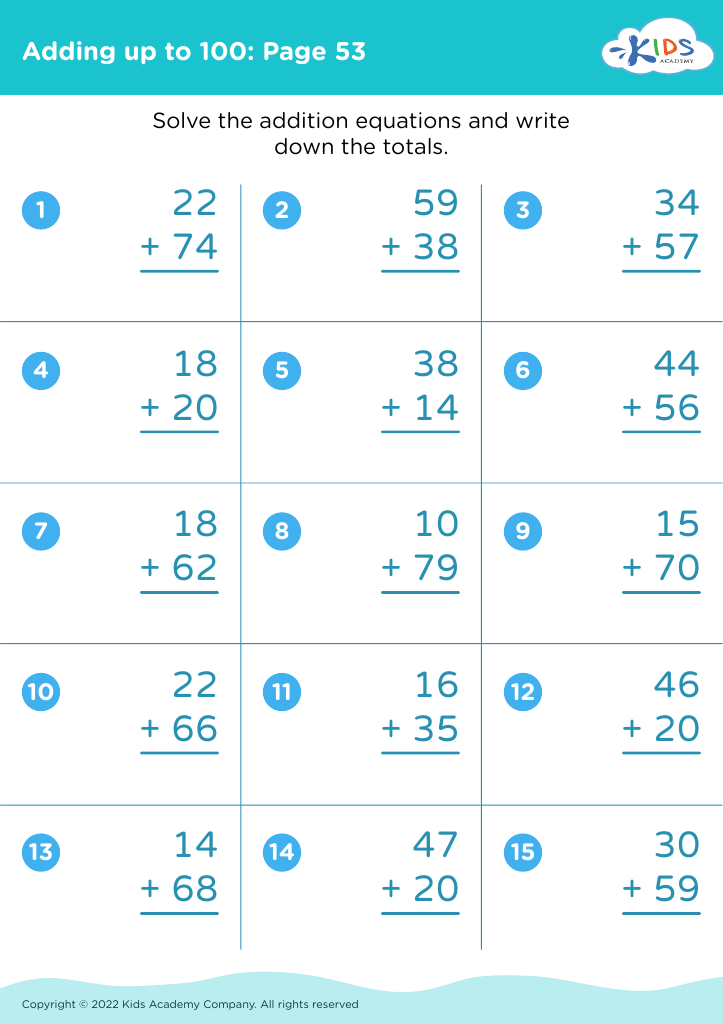
Adding up to 100: Page 53

Adding up to 100: Page 53

Adding up to 100: Page 53
Worksheet
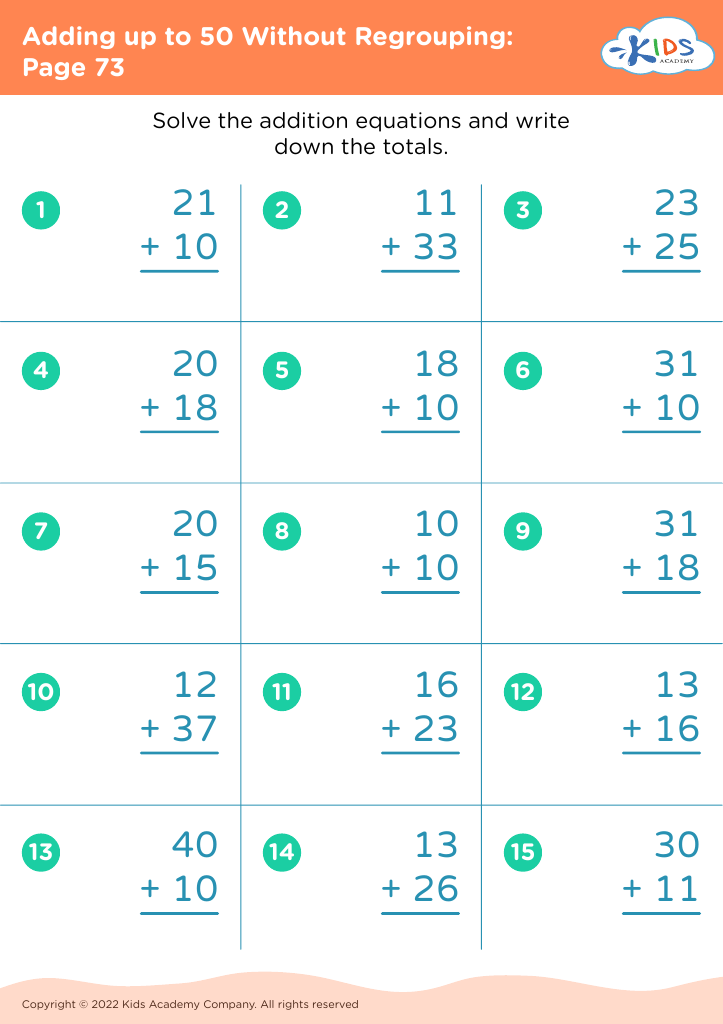
Adding up to 50 Without Regrouping: Page 73
Worksheet
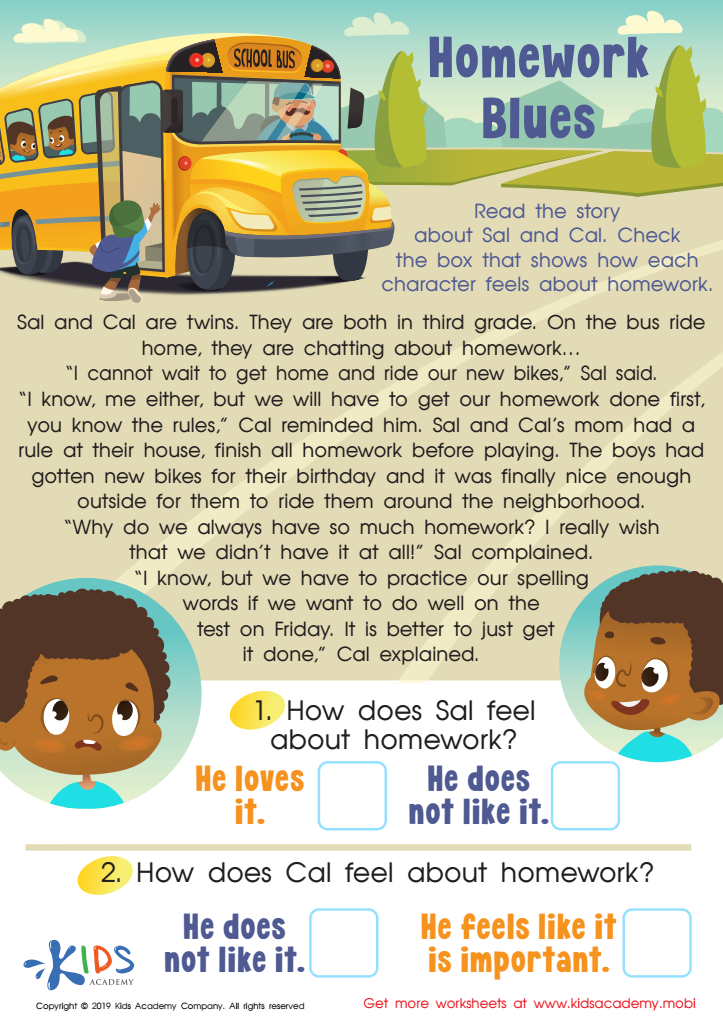
Homework Blues Worksheet

Homework Blues Worksheet

Cal and Sal don't love doing homework, just like your kids. Use this worksheet to help your children understand why homework is important. Read the passage together and then answer the questions at the bottom of the page. It's a fun way to learn together!
Homework Blues Worksheet
Worksheet


Fraction simplification is a foundational skill that can greatly benefit children aged 3-8 as they begin to grasp mathematical concepts. Understanding fractions lays the groundwork for higher-level math, helping students develop essential problem-solving and critical-thinking skills. When parents or teachers introduce fraction simplification early on, they help children recognize relationships between numbers, improving their number sense and confidence.

At this age, children are naturally curious and capable of understanding basic concepts through play and visual aids. Introducing fractions simplification using hands-on activities, such as pizza slices or pie charts, makes learning enjoyable and relevant. Simplifying fractions teaches children to manipulate numbers with ease, fostering a sense of achievement and resilience in tackling more complex math later.

Moreover, as children encounter fractions in real-life scenarios—like sharing snacks or measuring ingredients—understanding how to simplify these concepts enhances their ability to engage with the world around them. By rooting their education in practical applications, parents and teachers can promote a positive attitude towards math, reducing fear and anxiety associated with numbers. Ultimately, fraction simplification ensures a strong mathematical foundation, paving the way for future academic success.