
Improve fine motor skills Worksheets for Ages 3-8
4 filtered results
Difficulty Level
Grade
Age
-
From - To
Subject
Activity
Standards
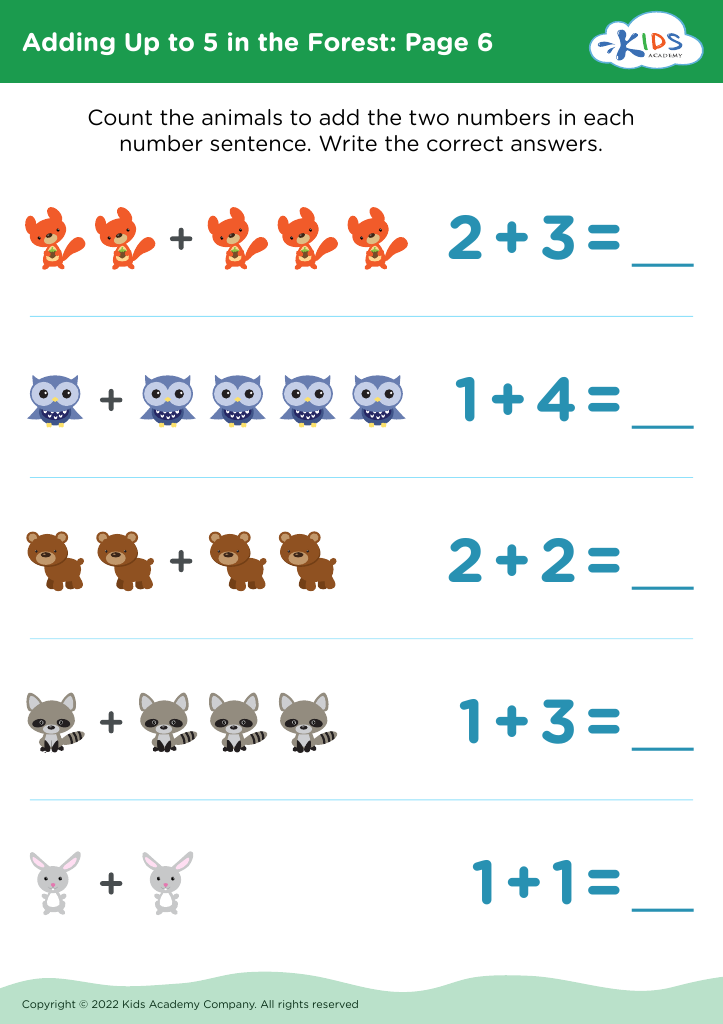
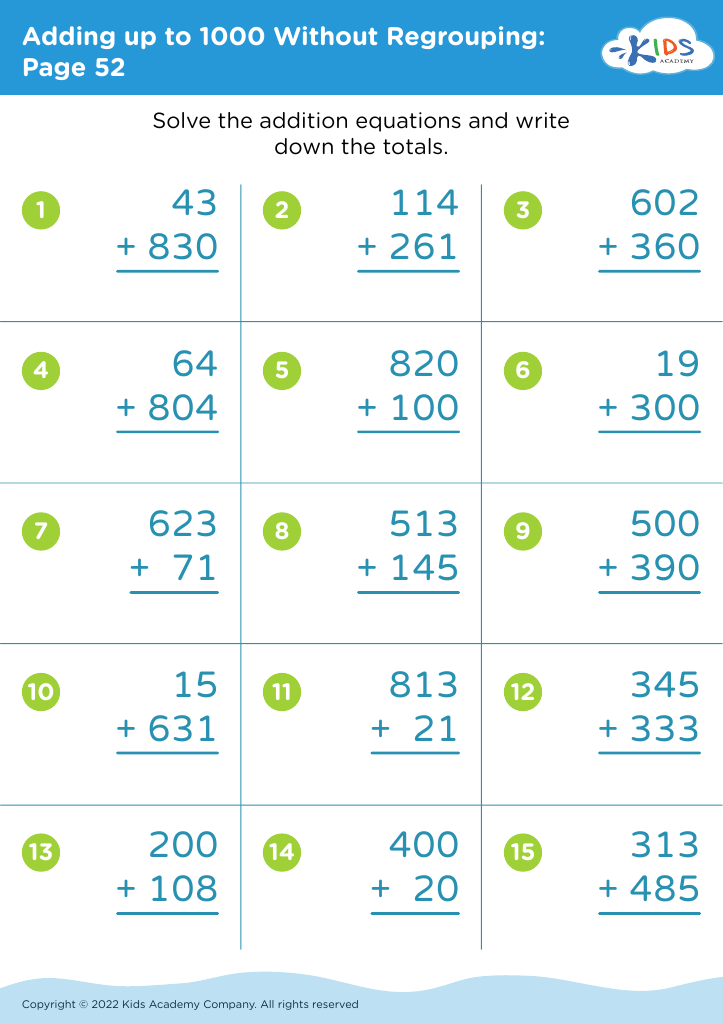
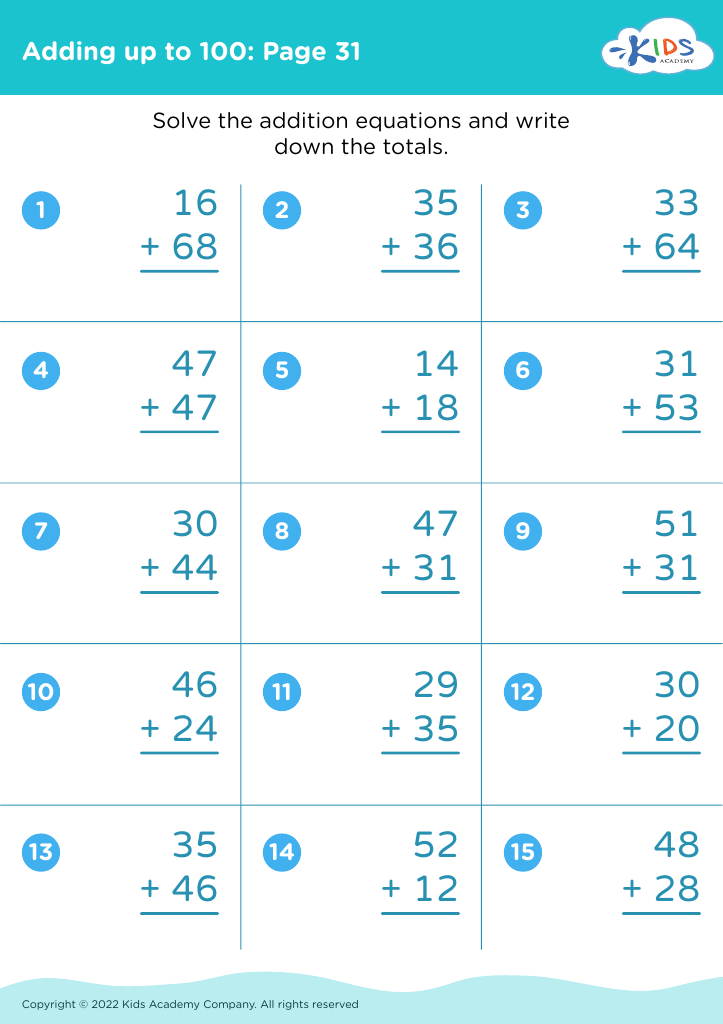
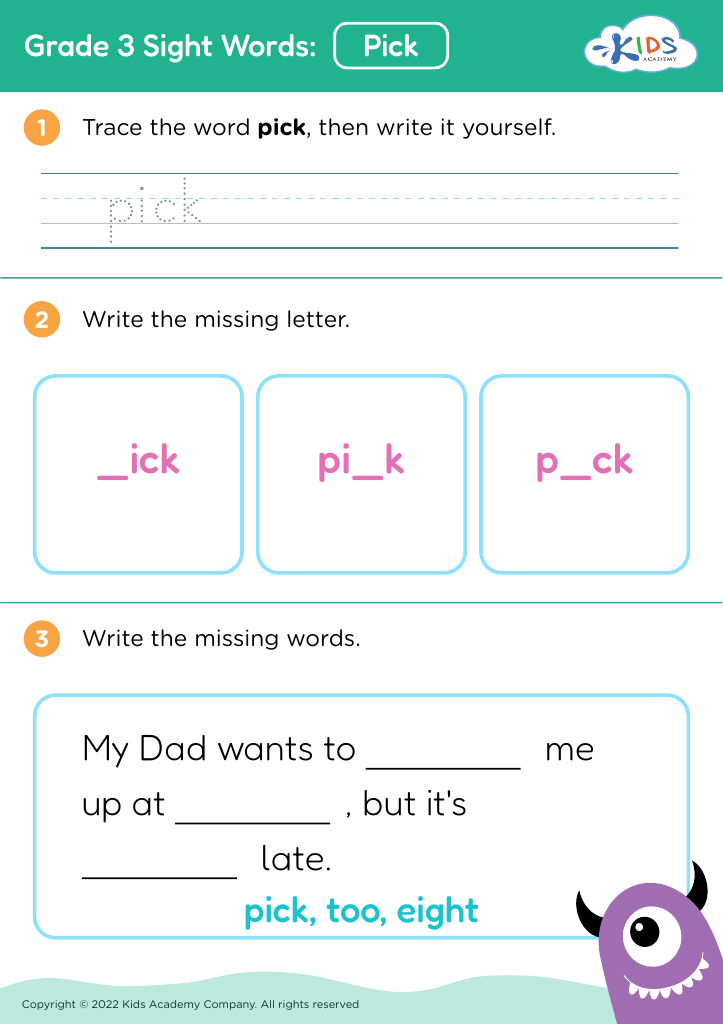
Enhance your child's fine motor skills with our engaging worksheets designed for ages 3-8! These printable resources are carefully crafted to foster hand-eye coordination, dexterity, and overall coordination through fun activities. Our worksheets include a variety of exercises such as tracing, cutting, and coloring that keep young learners entertained while they develop essential skills. Perfect for home or classroom use, these activities promote concentration and creativity as children explore shapes, letters, and more. Equip your little ones with the tools they need for success in future learning endeavors—download our fine motor skills worksheets today for a productive and enjoyable learning experience!
Favorites
With answer key
Interactive
Join Kids Academy for Free
Who is primarily going to use this learning content?








Fine motor skills are crucial for children aged 3-8 as they serve as the foundation for many everyday tasks and academic success. These skills involve the coordination of small muscles, particularly in the hands and fingers, and are essential for activities like writing, buttoning clothes, and using utensils. Parents and teachers should prioritize the development of fine motor skills for several reasons.
Firstly, these skills are strongly linked to a child's cognitive development and can enhance problem-solving abilities and creativity, as children manipulate objects and explore their environment. Secondly, fine motor skills play a pivotal role in a child's academic readiness; improved dexterity can lead to better handwriting and participation in classroom activities.
Additionally, fostering fine motor skills can boost a child’s confidence and independence. As children master tasks that require dexterity, they experience a sense of accomplishment, which encourages a positive attitude towards learning. Parents and teachers can support this development through engaging activities like drawing, cutting, playing with clay, or threading beads. By investing time and resources into activities that enhance fine motor skills, caregivers lay the groundwork for smoother transitions into school and future learning experiences.








