Improving handwriting Worksheets for Ages 3-8
3 filtered results
-
From - To
Discover our "Improving Handwriting Worksheets for Ages 3-8," designed to enhance children's handwriting skills through engaging and interactive activities. These thoughtfully crafted worksheets cater to early learners, making writing practice fun and effective. Each activity focuses on developing fine motor skills, letter formation, and overall penmanship, ensuring your child builds a strong foundation for writing. Our curriculum-aligned materials are perfect for preschool and early elementary students, helping them gain confidence in their writing abilities. Perfect for classroom use or at-home learning, these worksheets will support your child's educational journey while sparking their creativity. Start improving handwriting today!
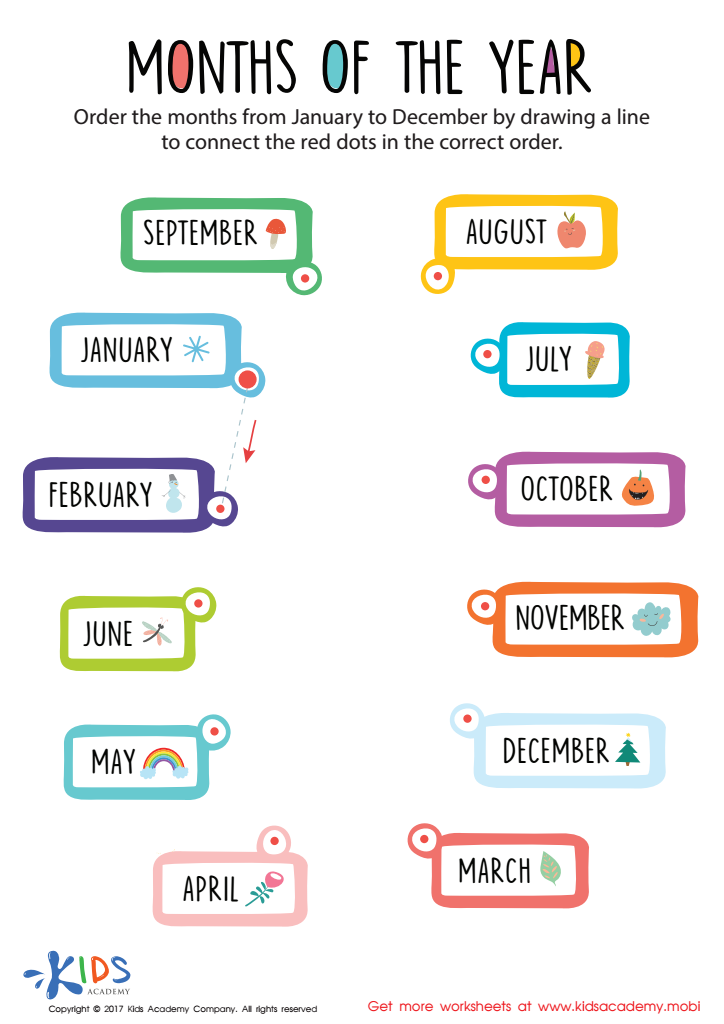
Months of the Year Worksheet
 Assign to My Students
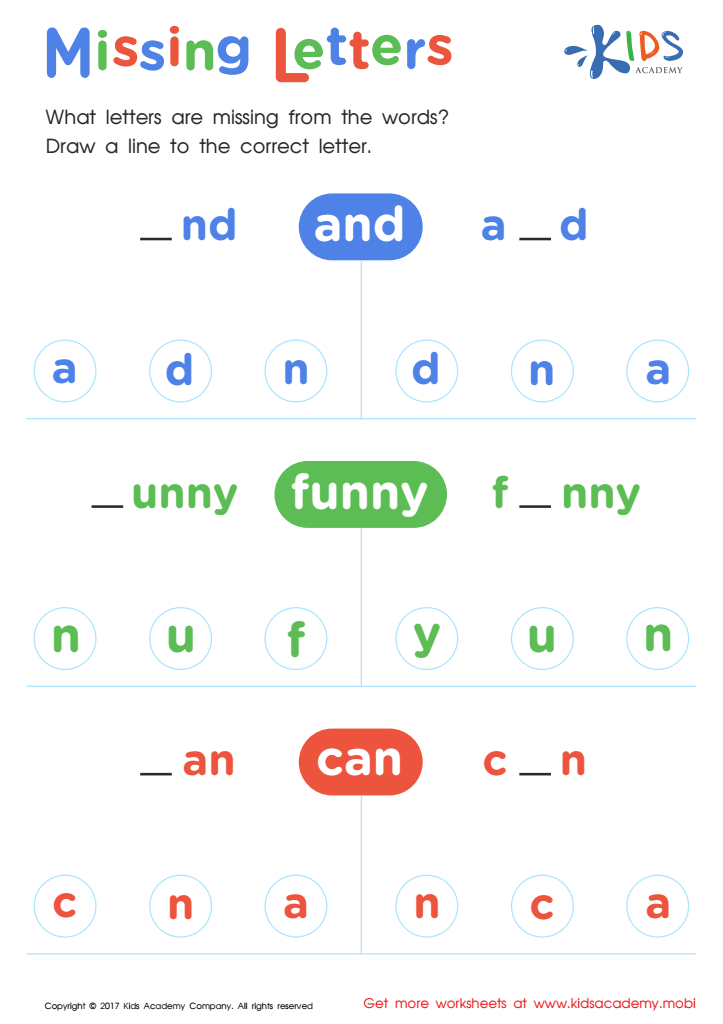
Missing Letters Worksheet
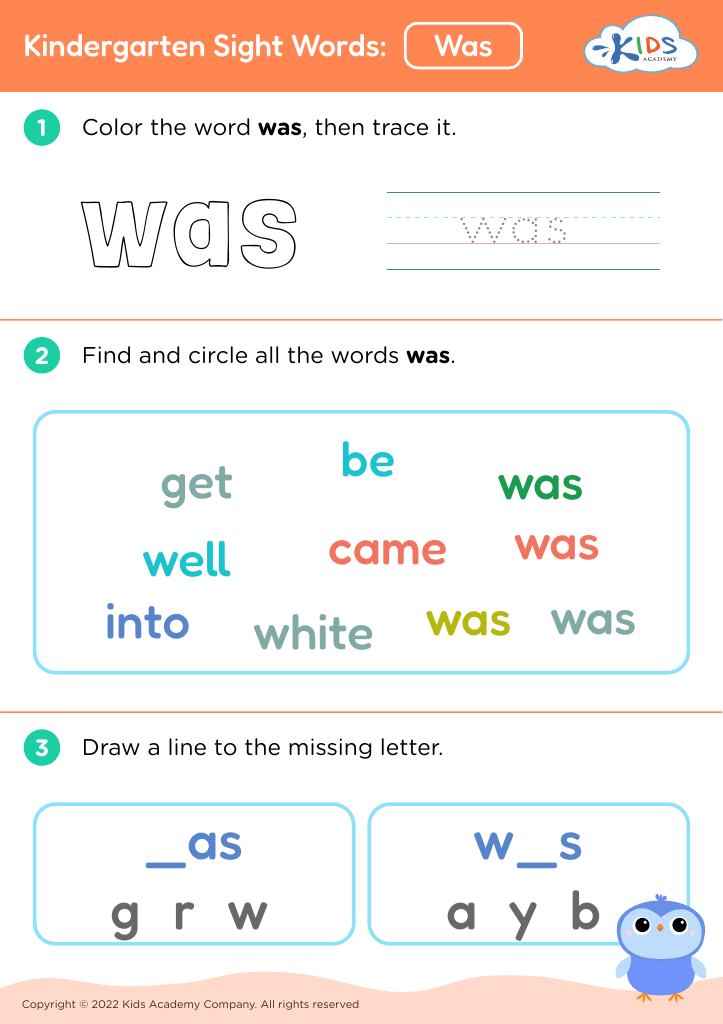







Improving handwriting for children aged 3-8 is crucial as it lays the foundation for their academic success and fine motor development. At this age, children are refining their motor skills, and handwriting provides an engaging way for them to practice these skills. Good handwriting not only enhances readability but also helps in boosting a child's confidence in their writing abilities, paving the way for more effective communication.
Research shows that handwriting proficiency is linked to better performance in overall literacy, as children who write well tend to think more clearly and express their ideas better. Additionally, mastering handwriting can instill a sense of pride and accomplishment in children, encouraging them to explore creative writing and other forms of self-expression.
Moreover, in an increasingly digital world, the physical act of writing fosters cognitive engagement, strengthens memory recall, and promotes focus. Parents and teachers play a vital role in guiding children through this developmental phase by providing supportive practice opportunities in a variety of contexts—such as fun drawing games or writing exercises—tailored to their interests. By prioritizing handwriting improvement, adults help cultivate essential skills that will benefit children throughout their educational journey and beyond.








