Improving observation Worksheets for Ages 3-8
3 filtered results
-
From - To
Enhance your child's observation skills with our engaging worksheets designed specifically for ages 3-8. These printable resources feature fun activities that encourage children to focus on details, develop critical thinking, and enhance their visual perception. Each worksheet promotes exploratory learning, helping young learners strengthen their ability to observe and respond to their surroundings. Our thoughtfully crafted exercises cater to various skill levels, ensuring each child is challenged and motivated. Foster curiosity and attention to detail in your little one with these valuable tools, setting the foundation for a lifetime of learning and discovery. Explore our collection today and inspire greatness!
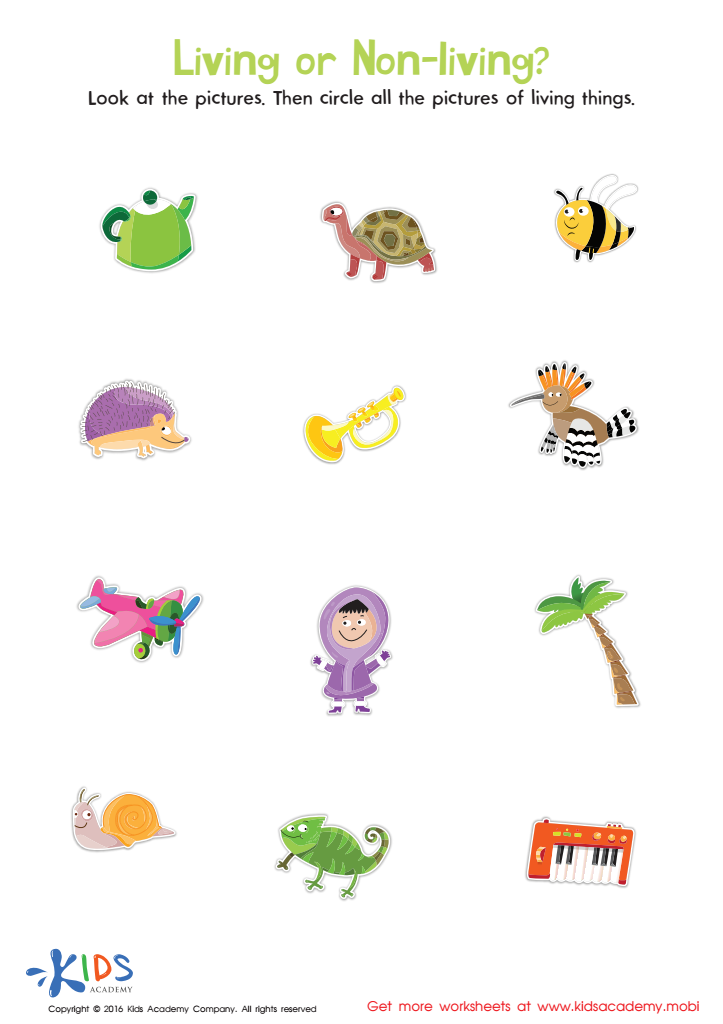
Identifying Living and Non–living Things Sorting Worksheet
 Assign to My Students
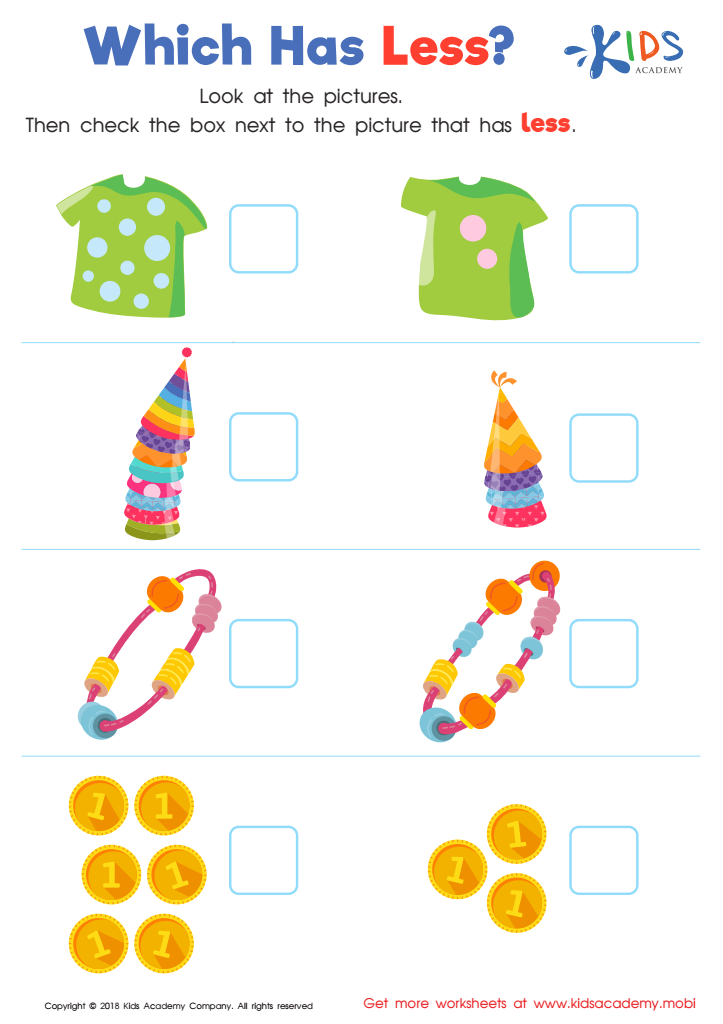
Which Has Less? Worksheet
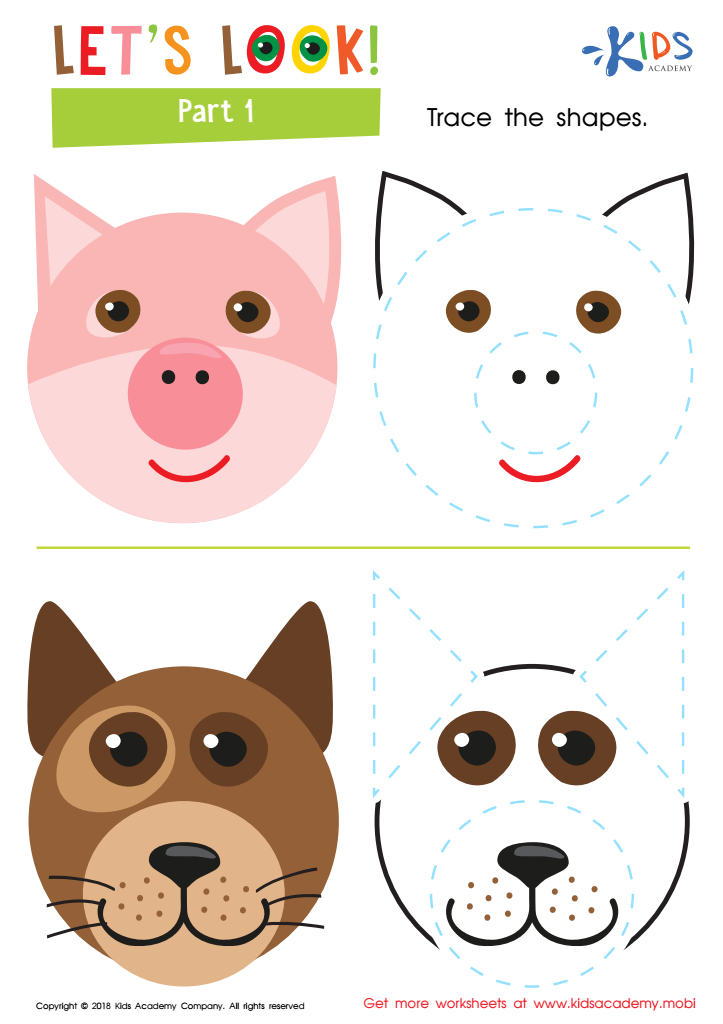
Let's Look! Part 1 Worksheet






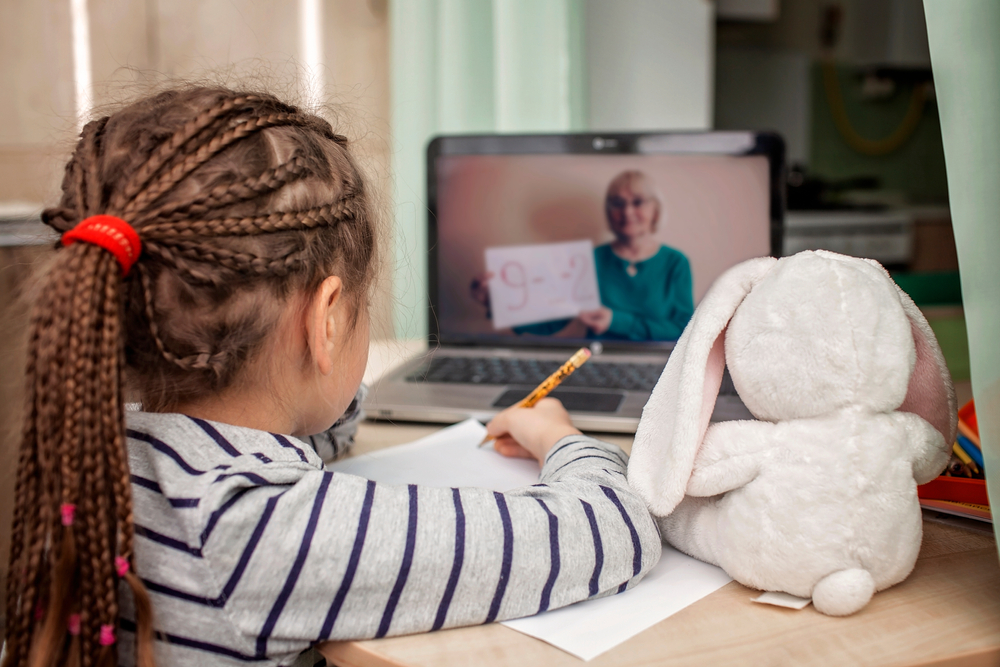

Improving observation skills in children aged 3-8 is crucial for both parents and teachers, as it lays a strong foundation for learning and personal development. Young children are naturally curious and exploratory, and enhancing their observational skills not only fosters critical thinking but also stimulates their sensory awareness and cognitive development. By encouraging children to observe their surroundings, parents and teachers can help them make connections, identify patterns, and enhance their problem-solving abilities.
Moreover, effective observation nurtures social skills and emotional intelligence. Children learn to pay attention to nonverbal cues in their peers, which helps them develop empathy and cooperation. This is important for building positive relationships and effective communication in their formative years.
For educators, improving observation aids in assessing children's developmental stages and learning needs, allowing for tailored instruction that meets individual capabilities. Parents, too, can observe and understand their child’s interests and challenges; this knowledge can enrich family interactions and support home learning.
Ultimately, fostering enhanced observational skills in early childhood promotes a lifelong love of learning, curiosity, and resilience, which are essential for success in school and beyond. Thus, prioritizing observation in early years education is a shared responsibility that benefits everyone involved.








