Introduction to mathematics Worksheets for Ages 3-8
3 filtered results
-
From - To
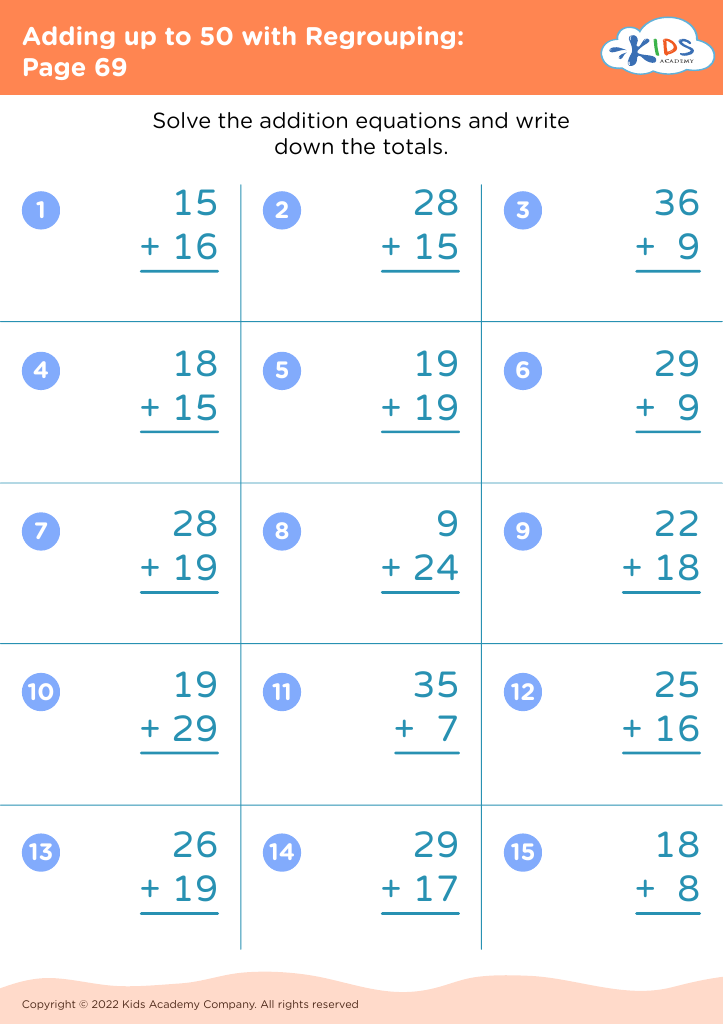
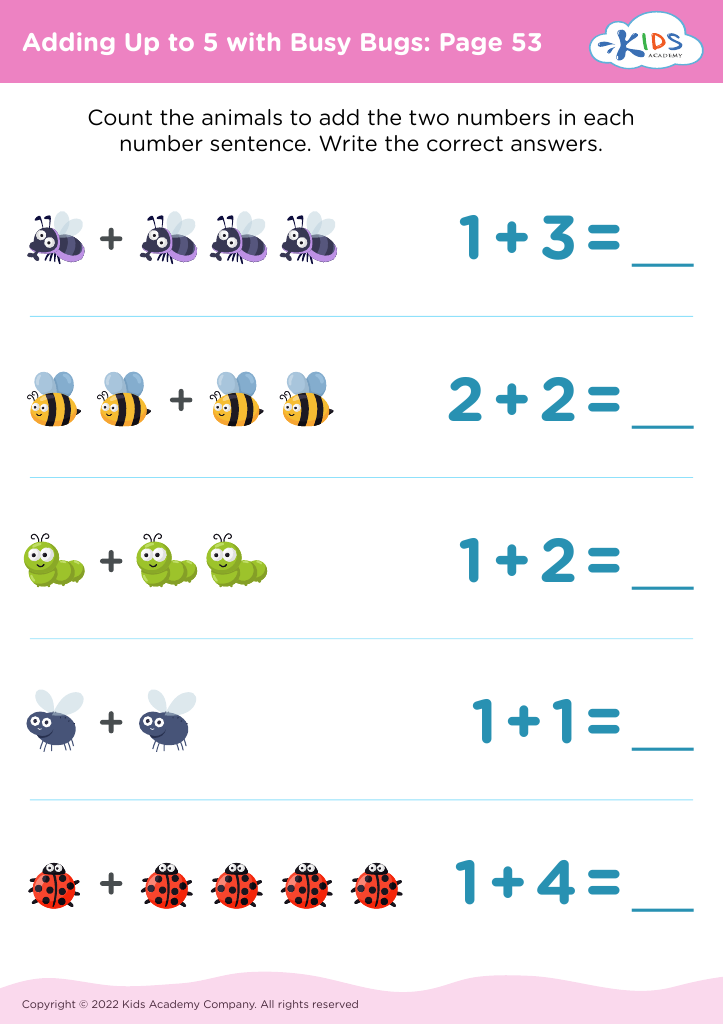
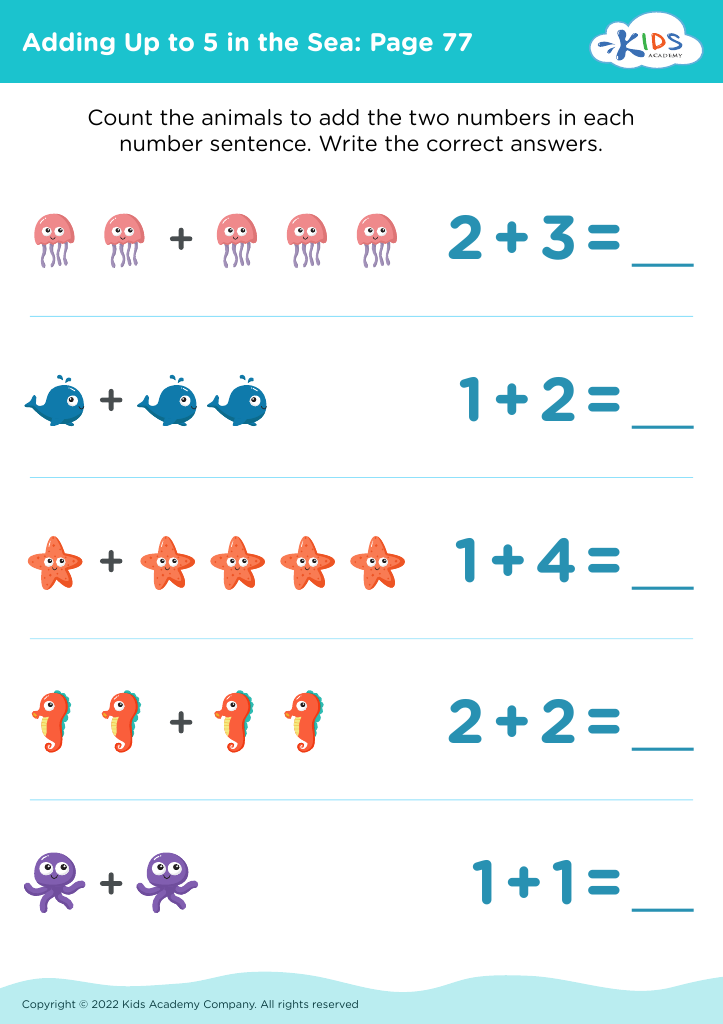
Unlock your child's mathematical potential with our "Introduction to Mathematics Worksheets for Ages 3-8." Perfectly crafted, these engaging activities cover fundamental concepts such as counting, addition, subtraction, shapes, and patterns. Designed to make learning enjoyable and effective, our worksheets help young minds grasp essential math skills through fun, interactive exercises. Ideal for preschool through early elementary students, each worksheet aims to build a strong foundation for future math success. Whether at home or in the classroom, discover the joy of math with creative and visually appealing worksheets that foster confidence and curiosity in every child.







Introduction to mathematics for children aged 3-8 is crucial for several compelling reasons. Firstly, early math skills are potent predictors of academic success in later years, even more so than early reading skills. By engaging young minds in basic math concepts like counting, shapes, and pattern recognition, we set the foundation for complex problem-solving and critical thinking.
Secondly, when children are introduced to math at an early age, they develop a positive attitude towards the subject, reducing math anxiety. This early familiarity can lead to greater confidence and curiosity in math as they progress through school.
Thirdly, early math education supports the development of cognitive skills that are vital for general learning, including logical reasoning, spatial awareness, and the ability to recognize relationships and patterns. These cognitive skills are not only utilized in math but across all areas of study.
Moreover, the engagement between parents or teachers and young children during math activities fosters a supportive learning environment. This strengthens the child’s socio-emotional development, as they feel encouraged and understood.
In summary, introducing mathematics at a young age is foundational for academic achievement, nurturing a positive attitude, enhancing cognitive skills, and providing emotional support. Parents or teachers who prioritize early math education are investing in a well-rounded, successful future for their children.








