Logical thinking improvement Worksheets for Ages 3-8
5 filtered results
-
From - To
Unlock your child's potential with our engaging Logical Thinking Improvement Worksheets, designed specifically for ages 3-8. These thoughtfully crafted activities promote essential skills such as problem-solving, critical thinking, and reasoning. Fun and interactive, our worksheets include puzzles, patterns, and games that keep young minds captivated while they learn. Perfect for both at-home practice and classroom use, our resources nurture confidence and a love for learning. Support your child's cognitive development and watch them grow into independent thinkers. Explore our collection today and empower your child's logical reasoning skills for a brighter future!
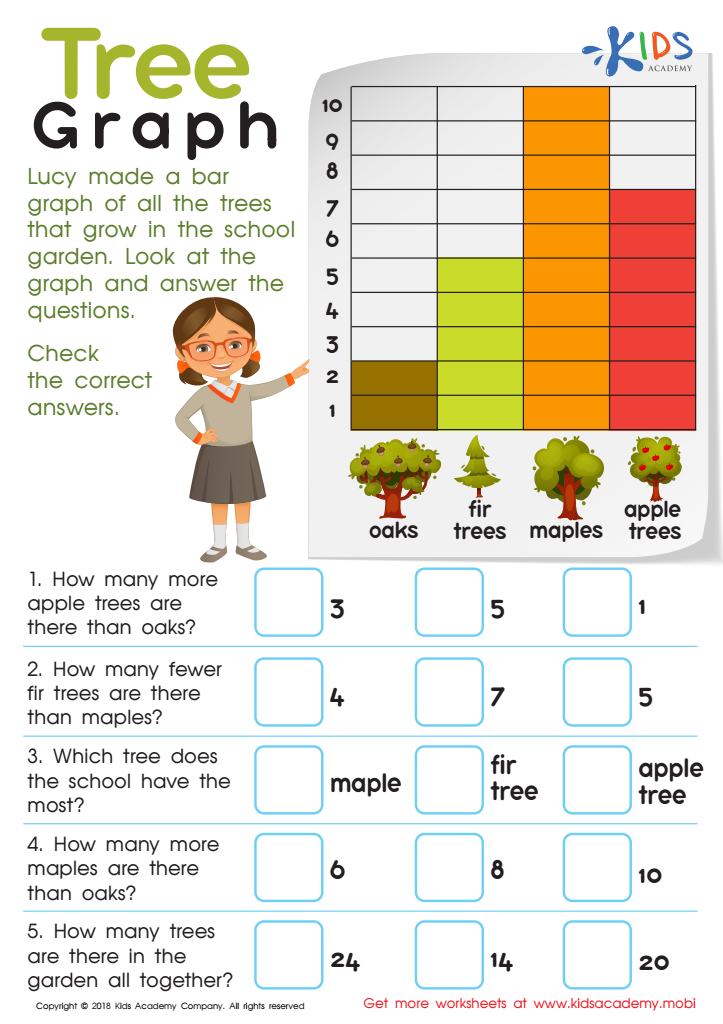
Tree Graph Worksheet
 Assign to My Students
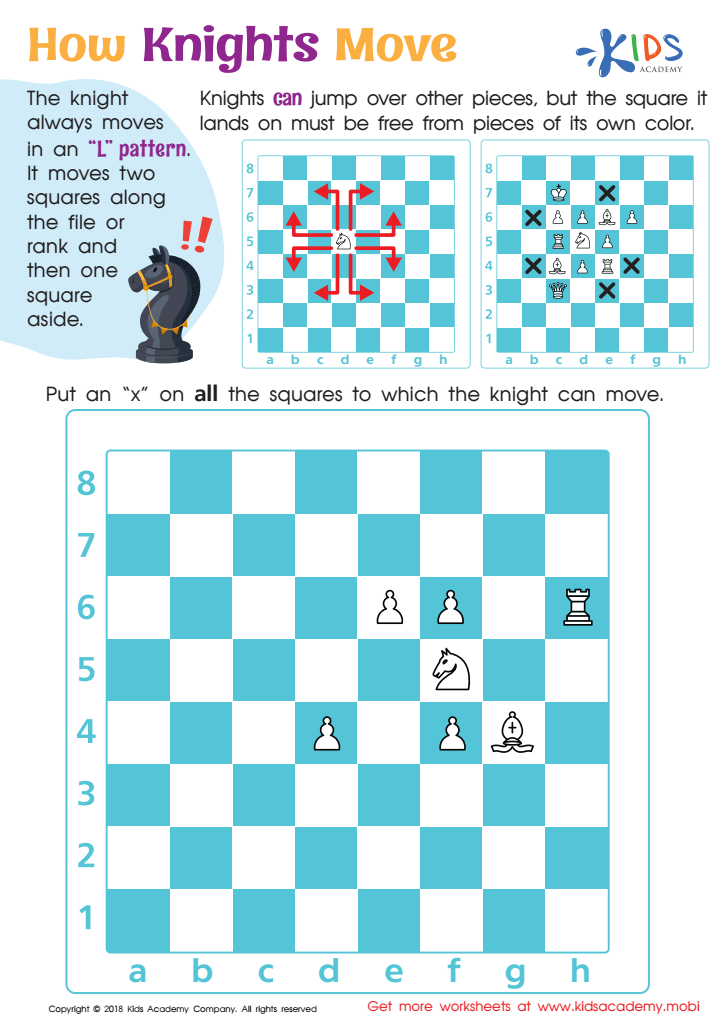
How Knights Move Worksheet
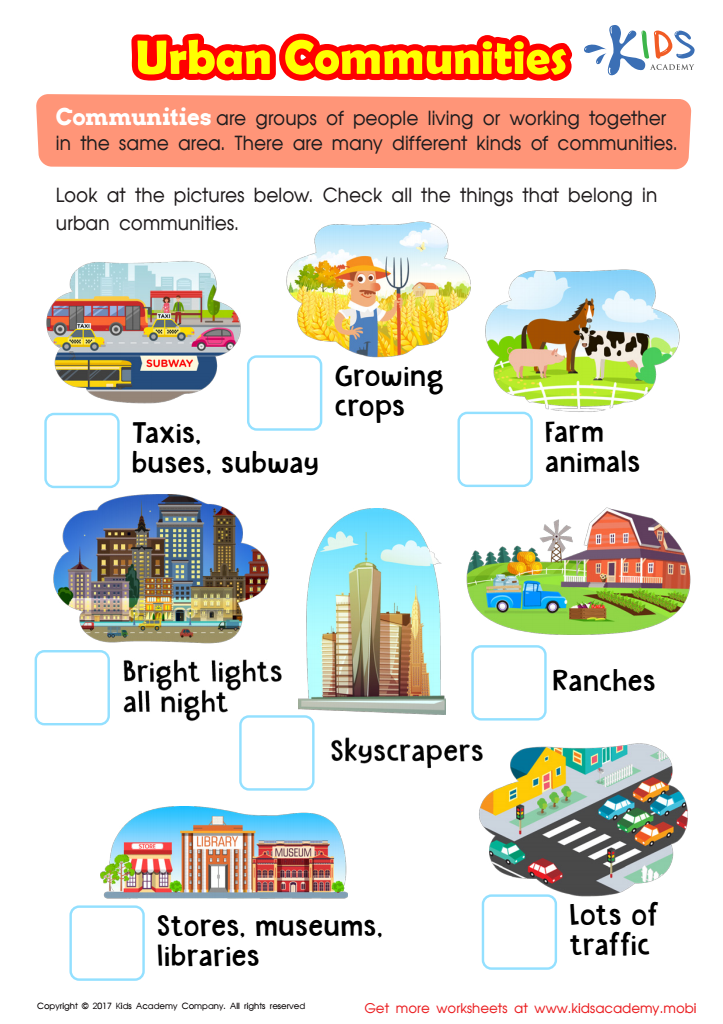
Urban Communities Printable
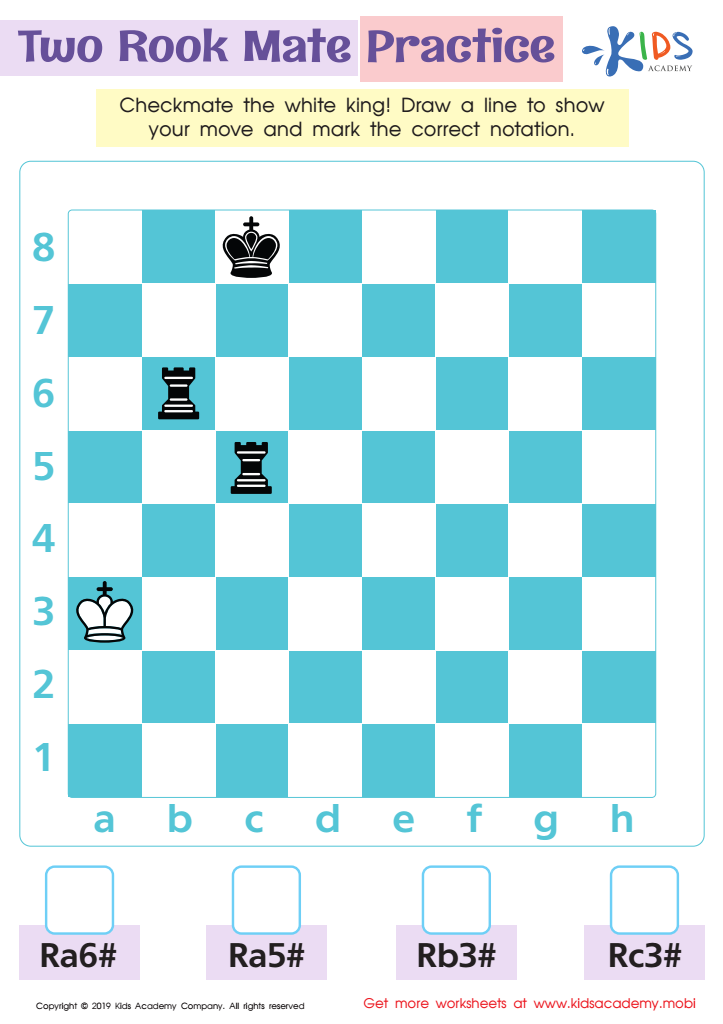
Two Rook Mate Practice Worksheet
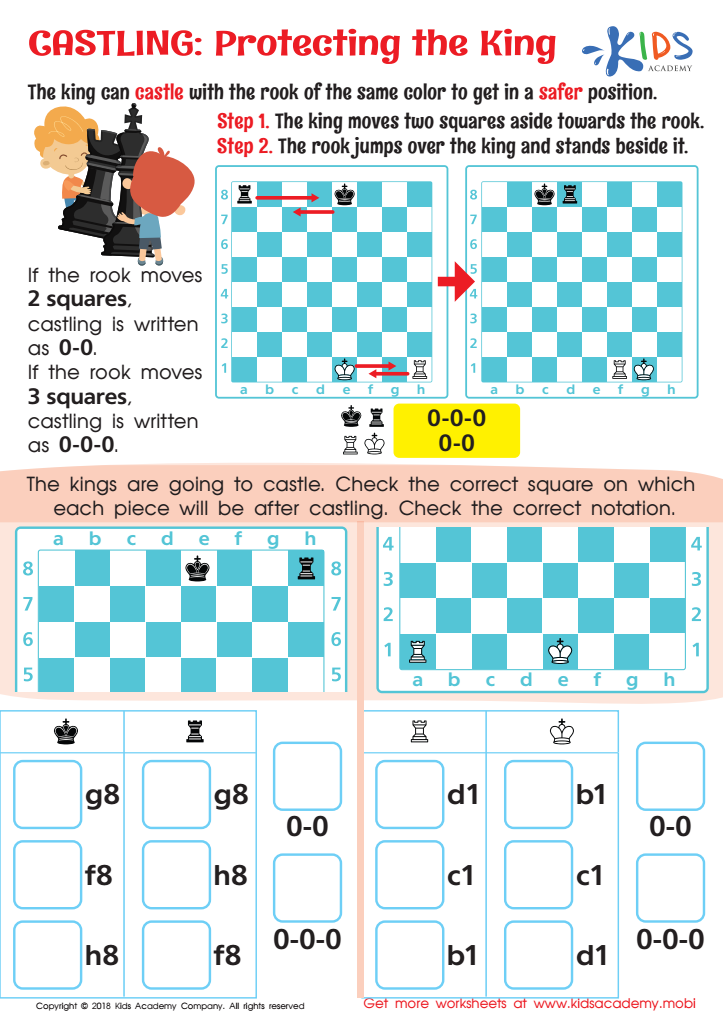
Castling: Protecting the King Worksheet








Logical thinking is a crucial skill for children aged 3-8, as it lays the foundation for problem-solving and decision-making in everyday life. Parents and teachers should prioritize improving logical thinking during these formative years because children are naturally curious and eager to make sense of the world around them. Engaging in activities that foster logical reasoning helps them develop critical thinking skills necessary for academic achievement across subjects like math, science, and language arts.
Moreover, logical thinking aids in cognitive development, allowing children to analyze situations, understand cause and effect, and grasp relationships between different concepts. As they practice reasoning through puzzles, games, and challenges, they learn to approach obstacles thoughtfully and creatively – skills that are invaluable in and beyond the classroom.
Supporting logical thinking enhancement in early childhood can also boost a child’s confidence and independence, encouraging them to take initiative and tackle challenges on their own. Ultimately, parents and teachers play a vital role in nurturing this skill, which will serve as a strong foundation for lifelong learning and essential life skills, enabling children to navigate an increasingly complex world effectively. Fostering logical thinking today prepares them for tomorrow’s challenges.








