Math application skills Worksheets for Ages 3-8
3 filtered results
-
From - To
Enhance your child's math abilities with our engaging Math Application Skills worksheets designed for ages 3-8! These printable resources foster foundational numeracy skills through fun activities that make learning enjoyable. Kids will practice essential concepts such as addition, subtraction, patterns, and problem-solving in a playful context. Our worksheets are tailored to varying skill levels, ensuring that every child, from beginners to more advanced learners, can benefit. Perfect for homeschooling or classroom reinforcement, these exercises encourage critical thinking and prepare young minds for future math challenges. Start building your child’s confidence and competence in math today with our user-friendly worksheets!
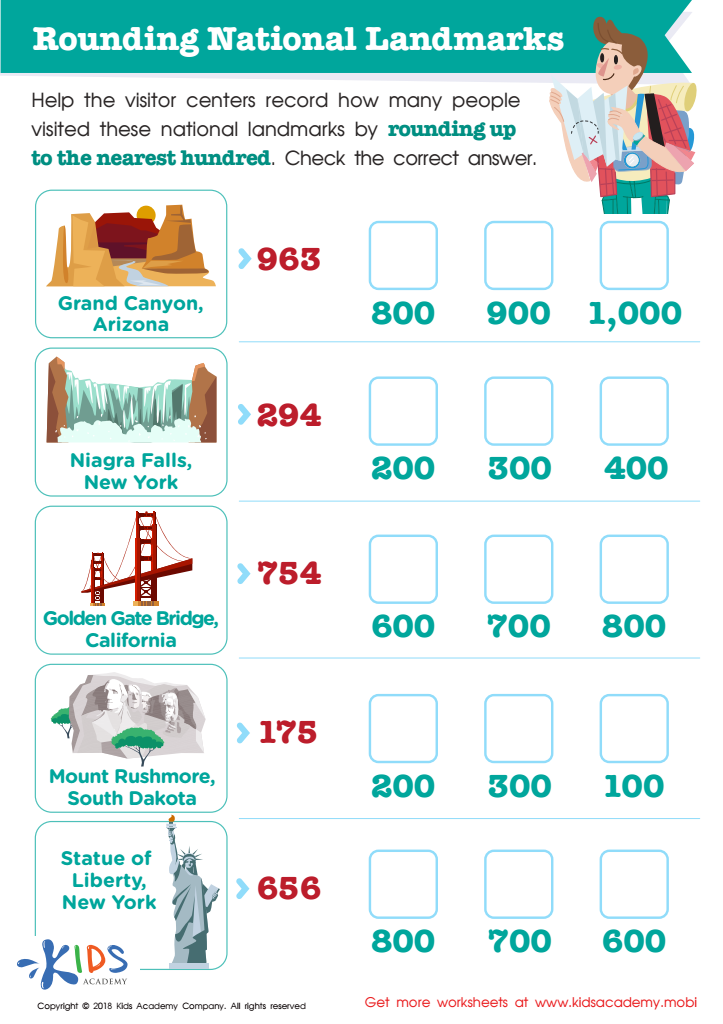
Rounding National Landmarks Worksheet
 Assign to My Students
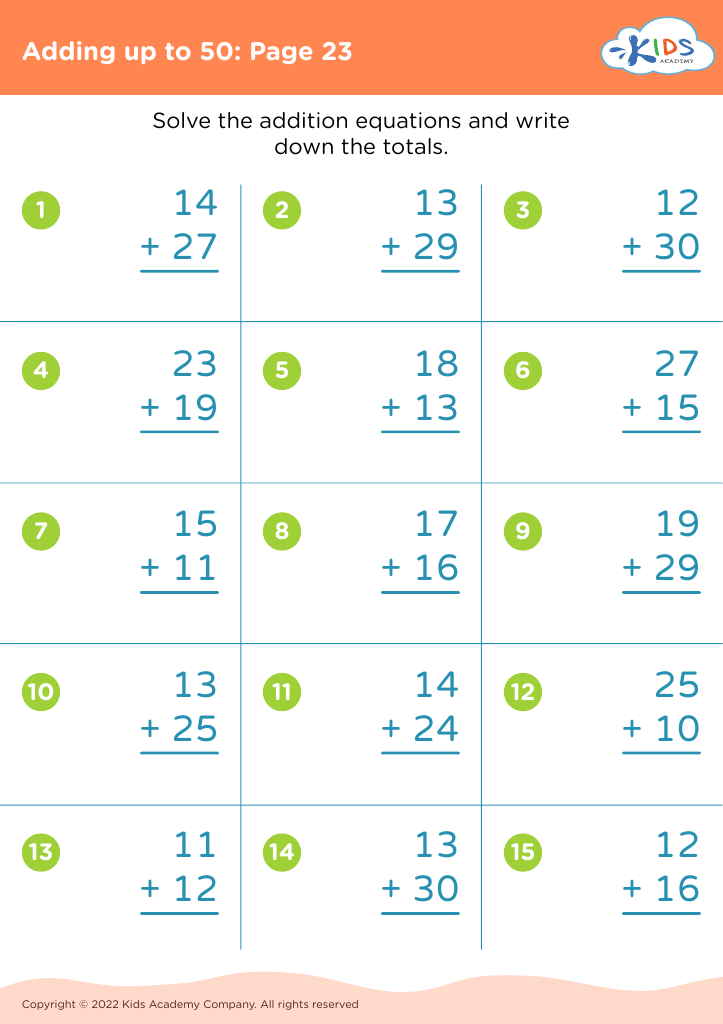
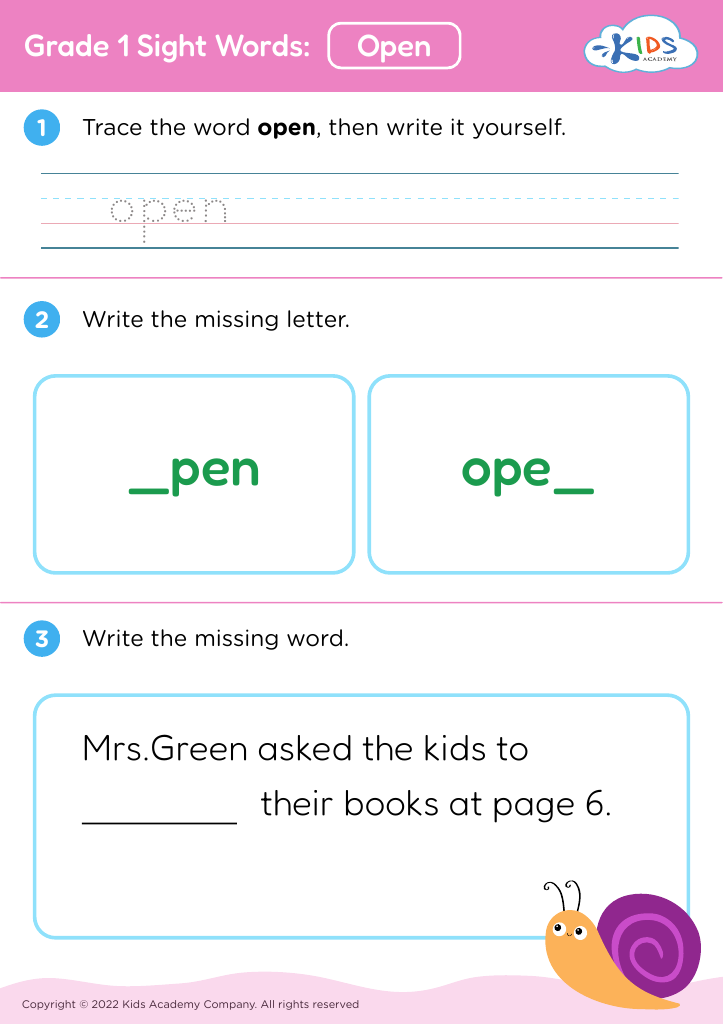


%20(1).jpg)

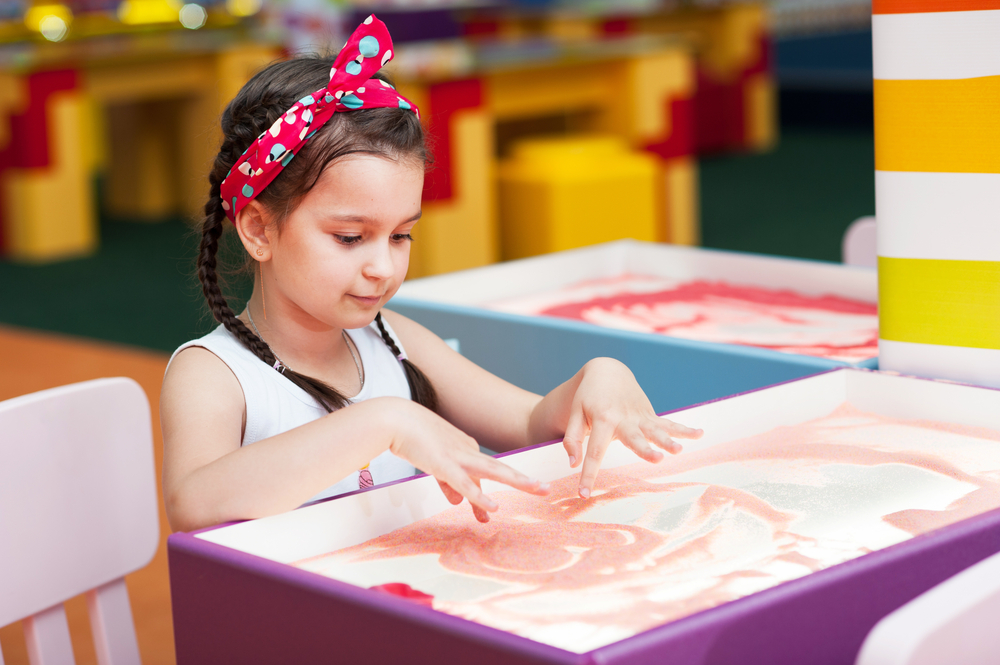



Parents and teachers should prioritize math application skills for children aged 3-8 as this forms a foundational aspect of their cognitive development and future academic success. At this young age, children are naturally curious and eager to explore their environment, making it a prime time to introduce mathematical concepts through engaging activities. Early math skills, such as counting, measuring, and pattern recognition, foster critical thinking, problem-solving, and logical reasoning abilities.
Moreover, the ability to apply math in real-life situations enhances children's understanding and appreciation of the subject. Practical skills, such as adding up items during shopping or measuring ingredients while cooking, make math relevant and enjoyable. This connection between learning and real-world applications promotes a positive attitude towards math and reduces anxiety often associated with the subject later in life.
Furthermore, as society increasingly relies on technology and quantitative reasoning in various fields, equipping young learners with strong math skills supports their readiness for future educational challenges. By cultivating a supportive environment that encourages exploration of math concepts, parents and teachers can help lay the groundwork for lifelong learning, ensuring that children not only grasp essential math skills but also develop a confident mindset towards problem-solving.








