Mental arithmetic Worksheets for Ages 3-8
6 filtered results
-
From - To
Discover our engaging Mental Arithmetic Worksheets for ages 3-8, designed to enhance early math skills through fun and interactive learning! These worksheets promote essential arithmetic concepts such as addition, subtraction, and number recognition in a playful way. Ideal for homeschooling, classroom activities, or after-school practice, our resources cater to various learning styles and abilities. Each worksheet is crafted to encourage independent thinking, problem-solving, and confidence in young learners. Perfect for building a strong foundation in mathematics, these activities not only stimulate cognitive development but also make learning enjoyable. Start your child's math journey today with our exciting worksheets!
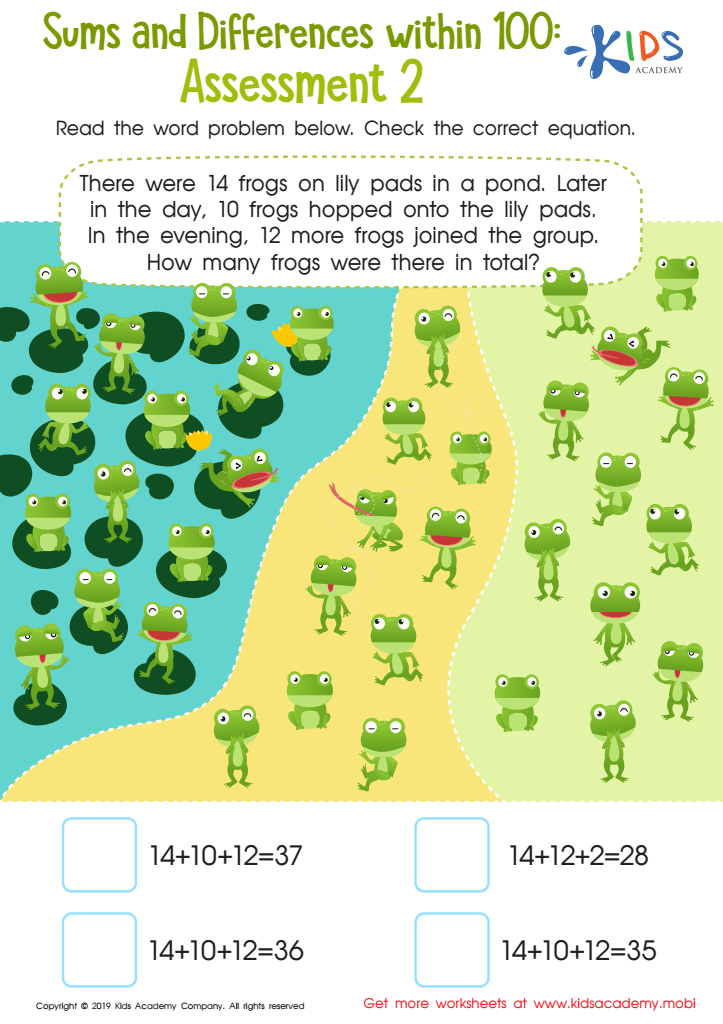
Sums and Differences Within 1 - Assessment 2 Worksheet
 Assign to My Students
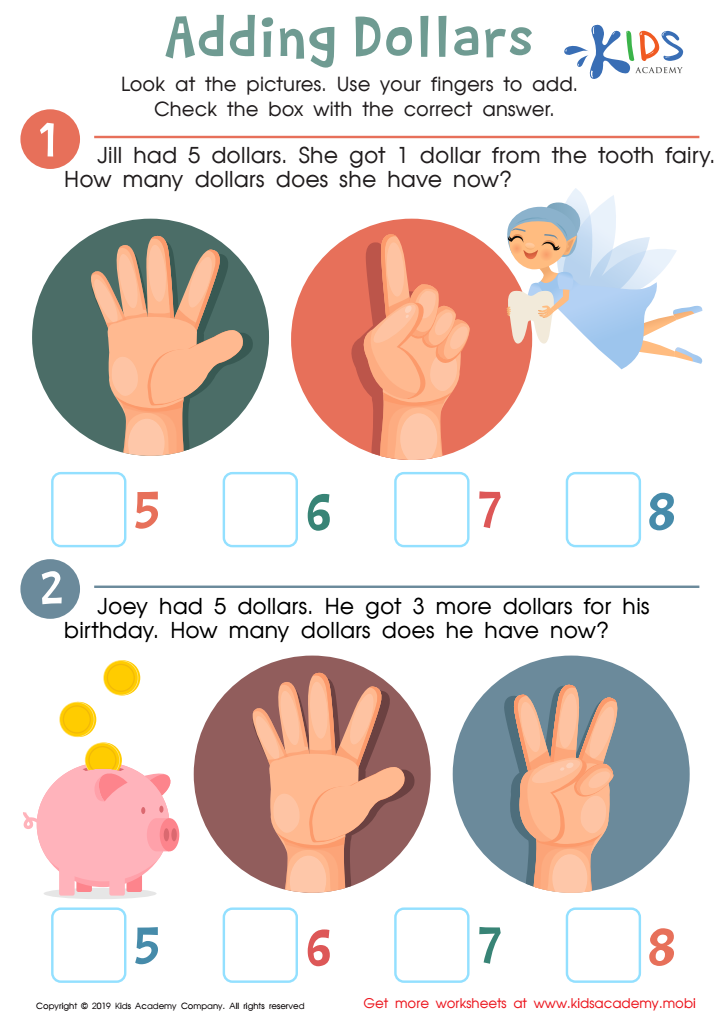
Tooth Fairy Addition Worksheet
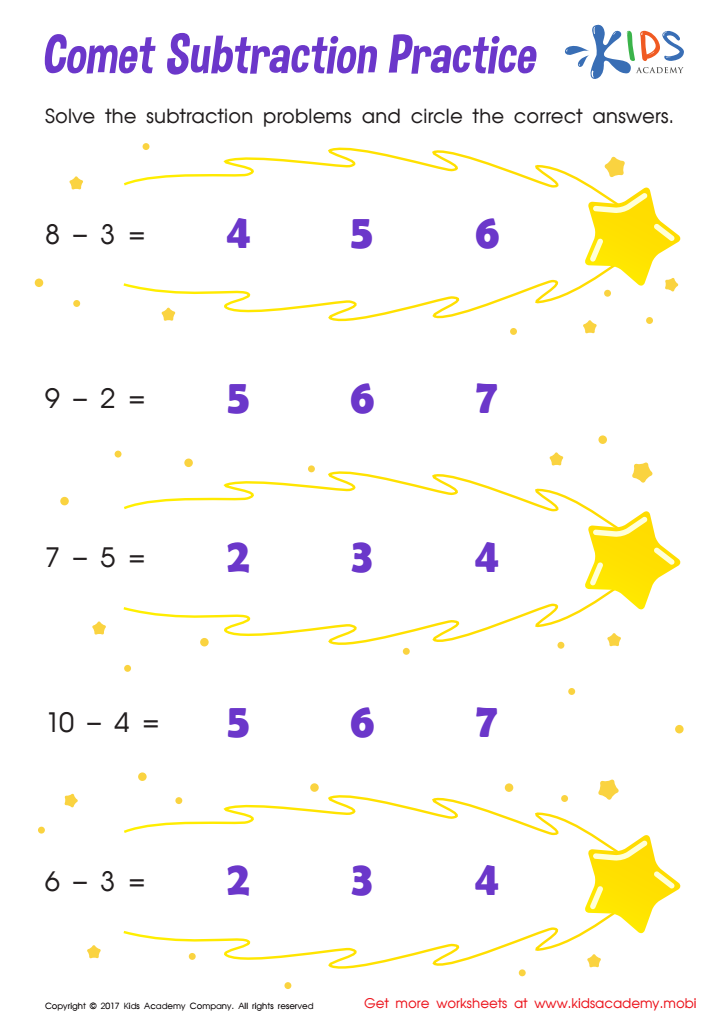
Comet Subtraction Practice Substraction Worksheet
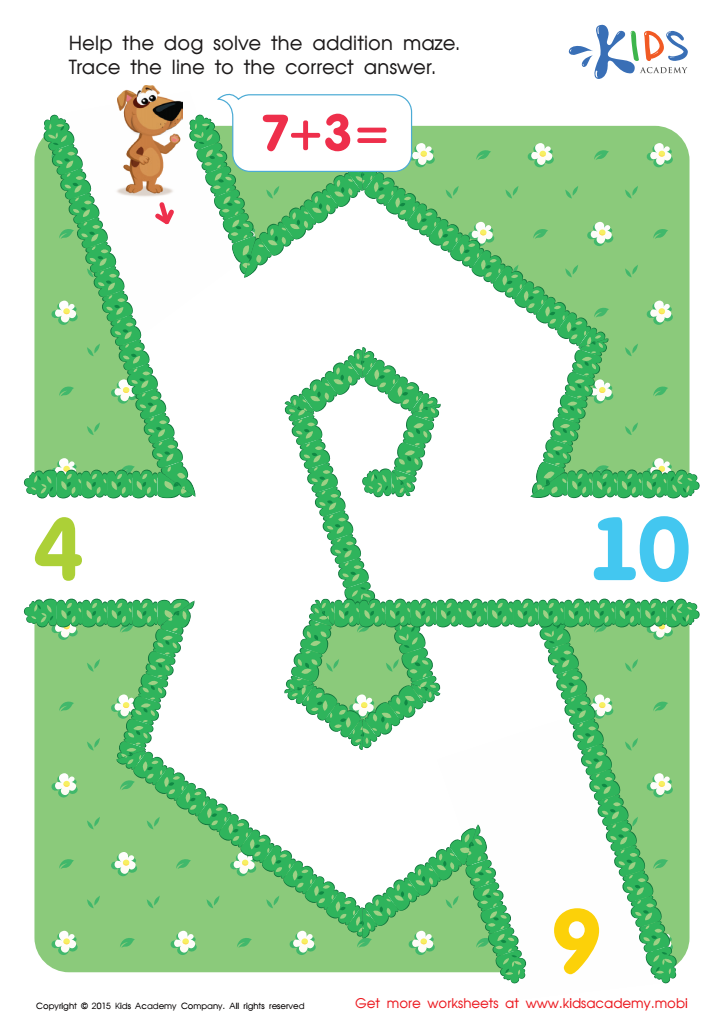
Seven Plus Three Worksheet
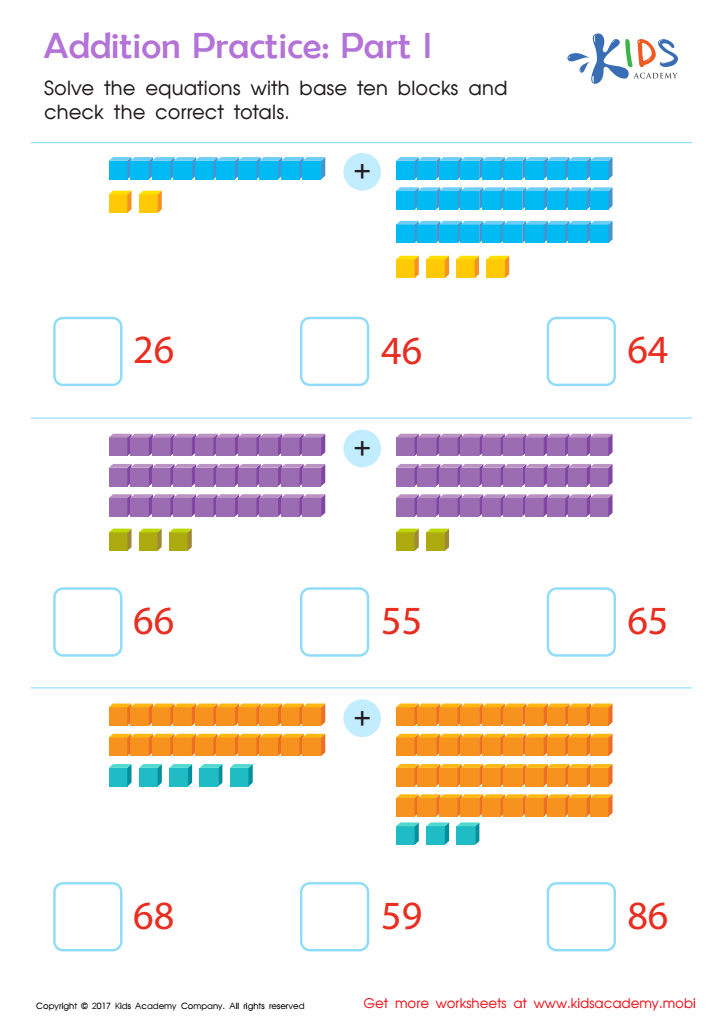
Addition Practice Sheet: Part 1
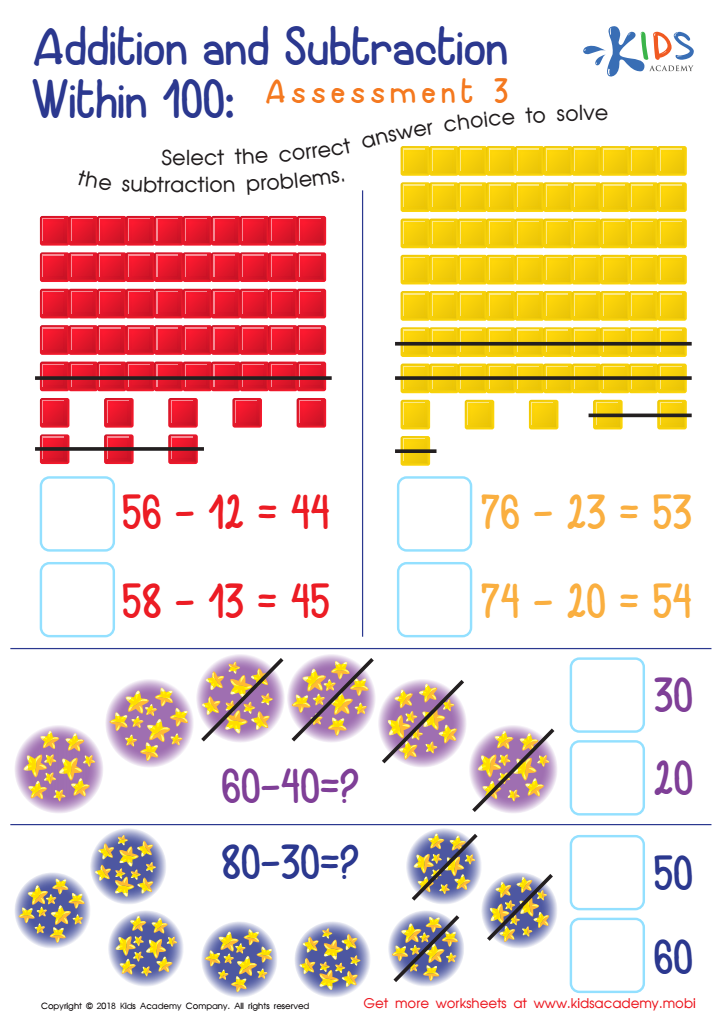
Addition and Subtraction Within 1: Assessment 3 Worksheet



.jpg)


.jpg)

Mental arithmetic is crucial for children ages 3-8 as it lays the foundation for mathematical understanding and problem-solving skills essential for their future academic success. During these formative years, children's brains are highly plastic, making them especially receptive to learning concepts like addition, subtraction, and basic math operations. Engaging in mental arithmetic helps enhance their numerical fluency, enabling them to perform calculations quickly and accurately without relying on paper or electronic devices.
Furthermore, mental arithmetic boosts cognitive skills such as memory, attention, and critical thinking by encouraging children to visualize numbers and engage in mental processing. This skill is a key component of mathematical confidence, helping reduce math anxiety later in life. By integrating mental arithmetic into daily activities, parents and teachers can cultivate a positive attitude toward math and foster a lifelong appreciation for logical reasoning.
Additionally, mental arithmetic promotes social interaction and collaborative learning during activities like math games and group exercises, nurturing communication and teamwork skills. In essence, prioritizing mental arithmetic in early education equips children with essential tools that extend beyond mathematics, influencing their overall cognitive development and ability to navigate various aspects of life successfully.








