
Number tracing Worksheets for Ages 3-8
4 filtered results
Difficulty Level
Grade
Age
-
From - To
Subject
Activity
Standards
Discover our engaging number tracing worksheets designed for children ages 3-8! Perfect for early learners, these worksheets help improve fine motor skills and number recognition through fun and interactive exercises. From simple shapes to more complex numbers, our resources provide a gradual learning curve that sparks curiosity and promotes confidence in young mathematicians. Each worksheet is thoughtfully crafted to make learning enjoyable with vibrant illustrations. Whether in the classroom or at home, our worksheets support children on their journey toward math mastery. Explore our collection today and watch your little ones develop essential skills while having fun with numbers!
Favorites
With answer key
Interactive
 Assign to My Students
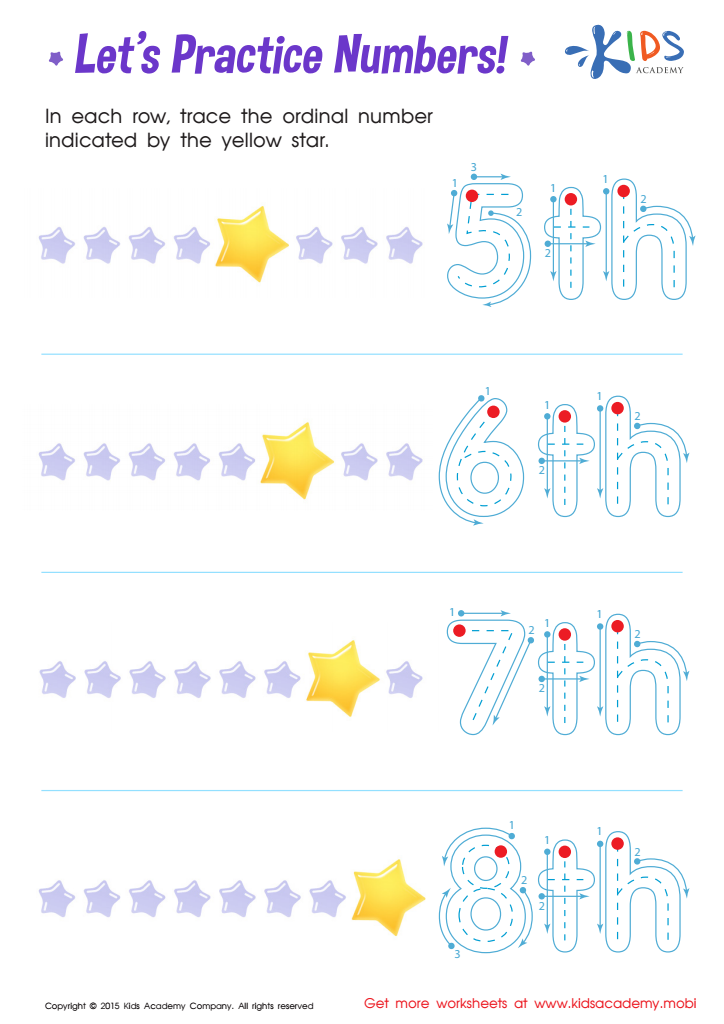
Ordinal Numbers: Let's Practice Numbers Printable
Worksheet
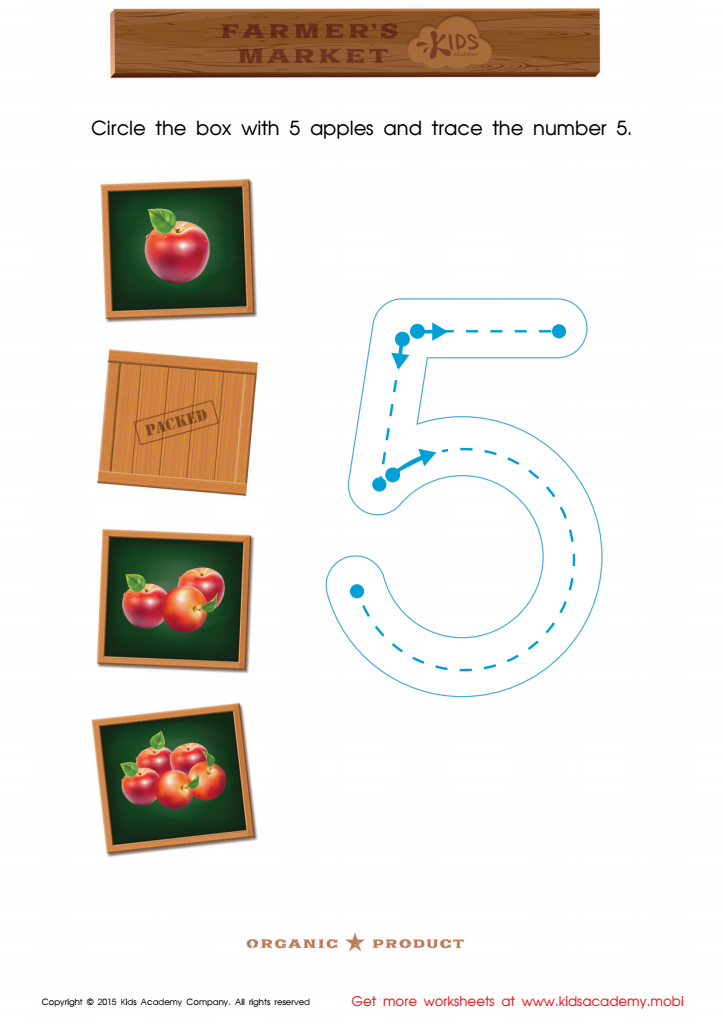
Count the Apples and Trace the Number 5 Printable
Count the juicy apples in each box, find the one with 5 and trace the number 5 following the arrows. Practice makes perfect! Print and get your little mathematician counting.
Count the Apples and Trace the Number 5 Printable
Worksheet
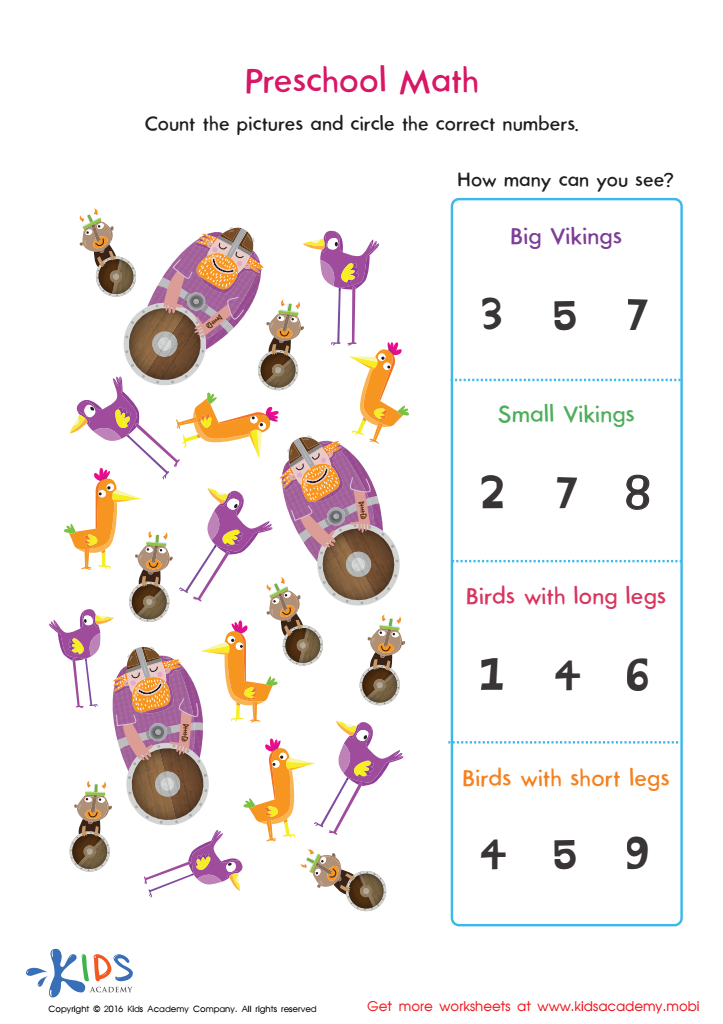
Counting Worksheet: Preschool Math
Worksheet
Join Kids Academy for Free
Who is primarily going to use this learning content?








Number tracing for ages 3-8 is crucial for early childhood development and lays the foundation for mathematical skills. Firstly, it enhances fine motor skills, as young children develop the hand-eye coordination necessary for writing and manipulating objects successfully. This improved dexterity not only boosts handwriting but also contributes to other activities that require precision.
Additionally, number tracing aids in numerical recognition and cognitive development. As children trace numbers, they internalize their shapes and develop familiarity, which facilitates easier number identification and later skills such as counting and basic arithmetic. Engaging in this task strengthens cognitive links between visual symbols and their meanings.
Moreover, number tracing activities enhance focus and patience, instilling a sense of accomplishment. This practice encourages perseverance—a vital trait for learning. It also allows for creativity and play, making math engageable and enjoyable, thus fostering a positive attitude towards mathematics from an early age.
For parents and teachers alike, incorporating number tracing into daily activities not only supports academic skills but also plays a significant role in nurturing well-rounded individuals. Recognizing its importance paves the way for children to succeed both in their academic pursuits and in developing critical life skills.








