Numerical comparisons Worksheets for Ages 3-8
3 filtered results
-
From - To
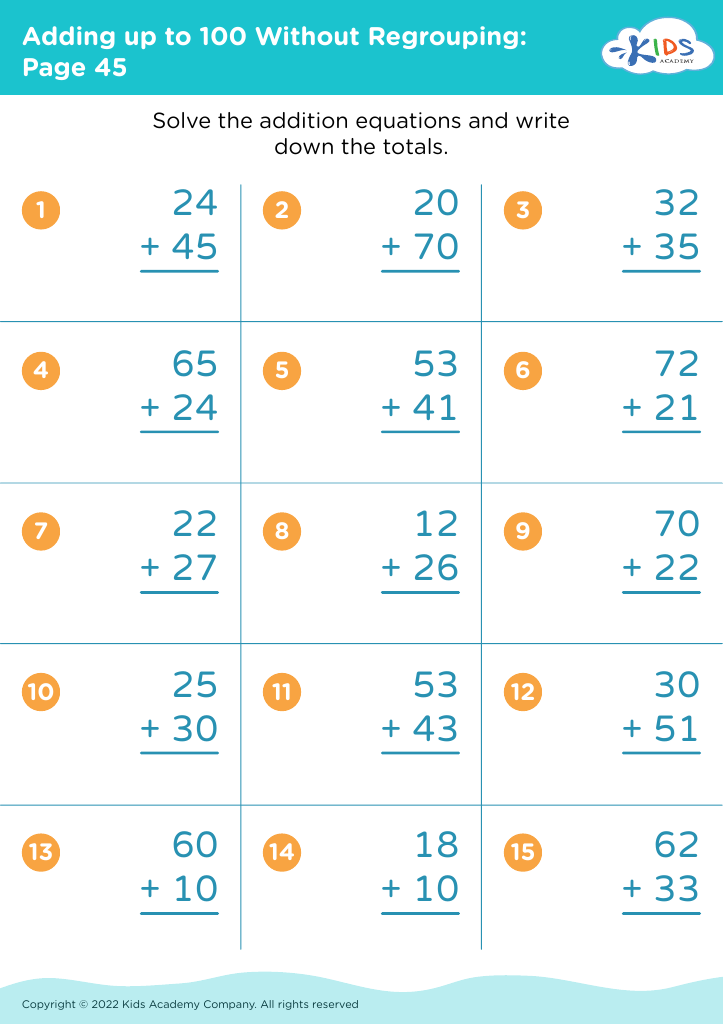
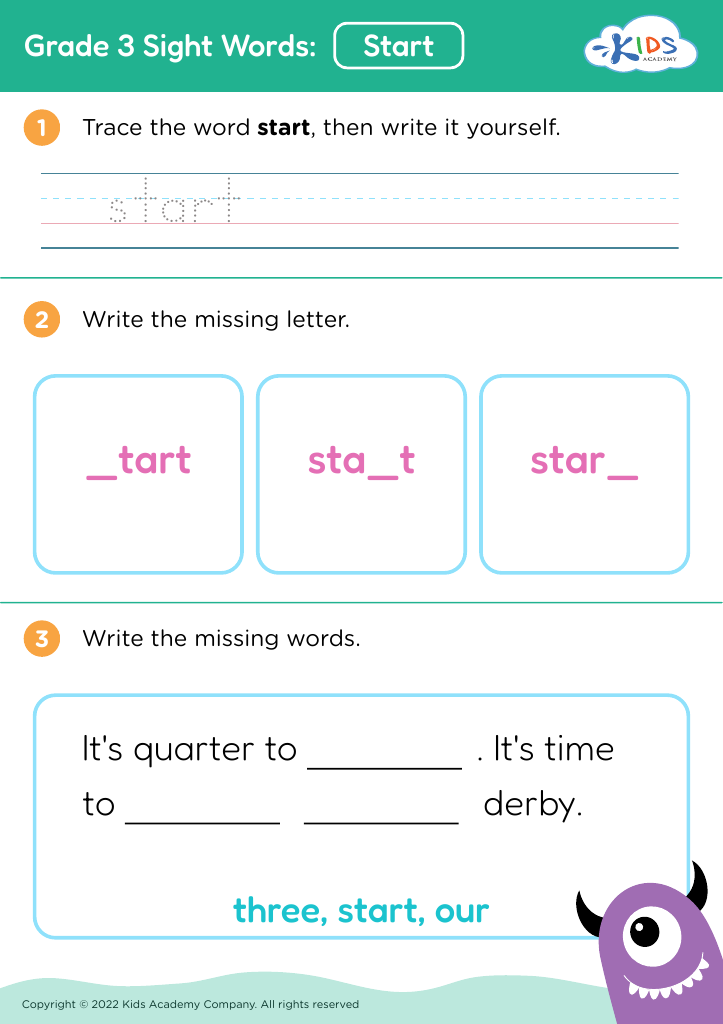
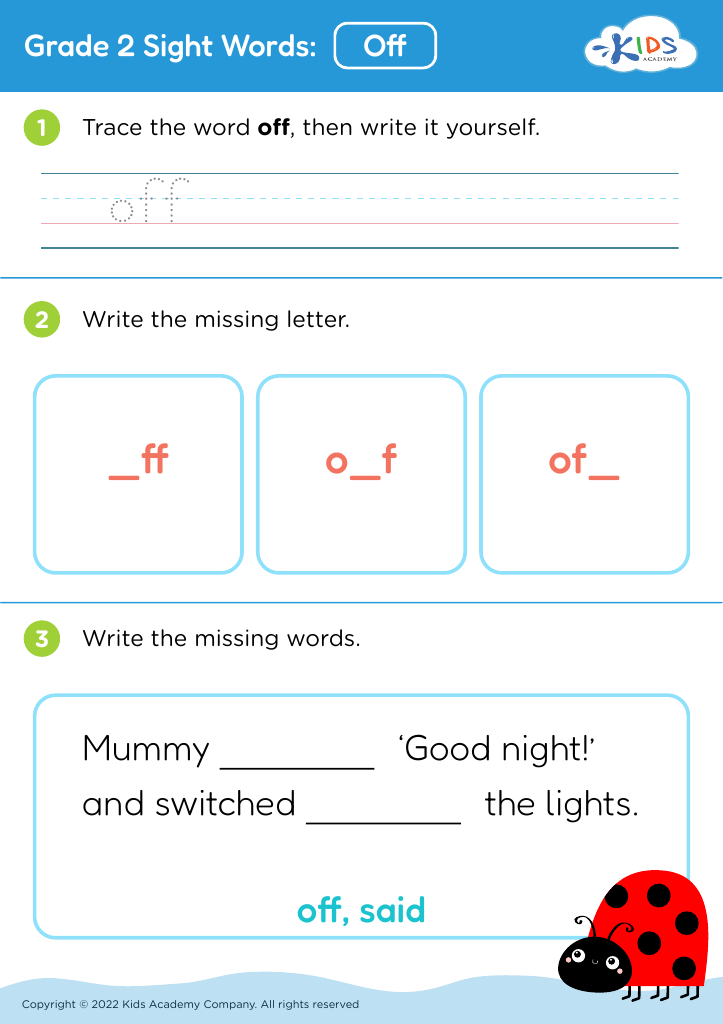
Explore our engaging Numerical Comparisons Worksheets designed specifically for children ages 3 to 8! These worksheets provide a fun and interactive way for young learners to develop important skills in comparing numbers, identifying greater and lesser values, and understanding basic mathematical concepts. With carefully crafted activities that cater to various learning styles, children will enjoy honing their numerical abilities while building a strong foundation for future math success. Perfect for home or classroom use, our printable worksheets promote both independent and guided learning, ensuring every child strengthens their confidence while mastering essential mathematical skills in a playful environment. Get started today!








Parents and teachers should care about numerical comparisons for children aged 3-8 because it lays a fundamental groundwork for mathematical understanding and cognitive development. During these formative years, children are naturally curious and eager to explore concepts like size, quantity, and relationships. Engaging them in numerical comparisons—such as identifying which group of objects is larger or understanding which number is greater—helps bolster critical thinking and reasoning skills.
Early experiences with numbers develop a strong number sense, which is crucial for later mathematical learning. By introducing comparisons, children learn to categorize, contrast, and quantify, enabling them to make informed decisions in everyday life, from sharing snacks to understanding time. Additionally, these comparisons encourage vocabulary development and language skills, as children express their reasoning and observations.
Moreover, the social and emotional aspects of learning numerical comparisons cannot be overlooked. Engaging in these activities fosters cooperation and communication among peers, helping children to build confidence in their abilities. Consequently, both parents and teachers play a key role in facilitating rich, playful learning experiences that make mathematics engaging and enjoyable, setting a strong foundation for future academic success. Investing time in teaching numerical comparisons not only enhances mathematical skills but supports overall cognitive and emotional growth in young children.








