
Numerical problem solving Worksheets for Ages 3-8
6 filtered results
Difficulty Level
Grade
Age
-
From - To
Subject
Activity
Standards
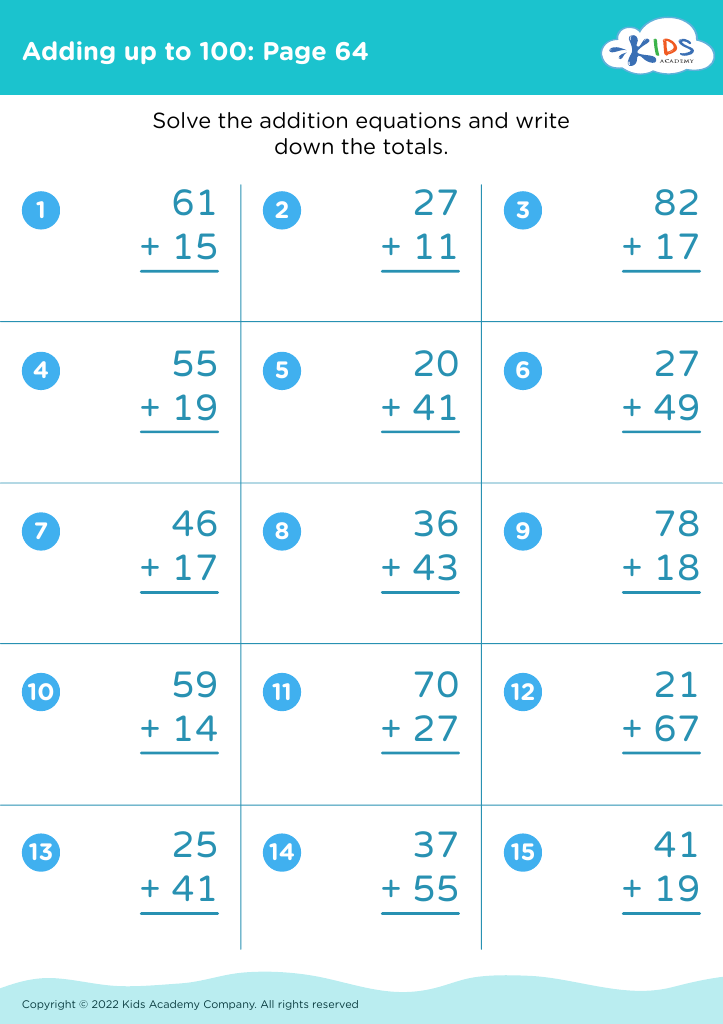
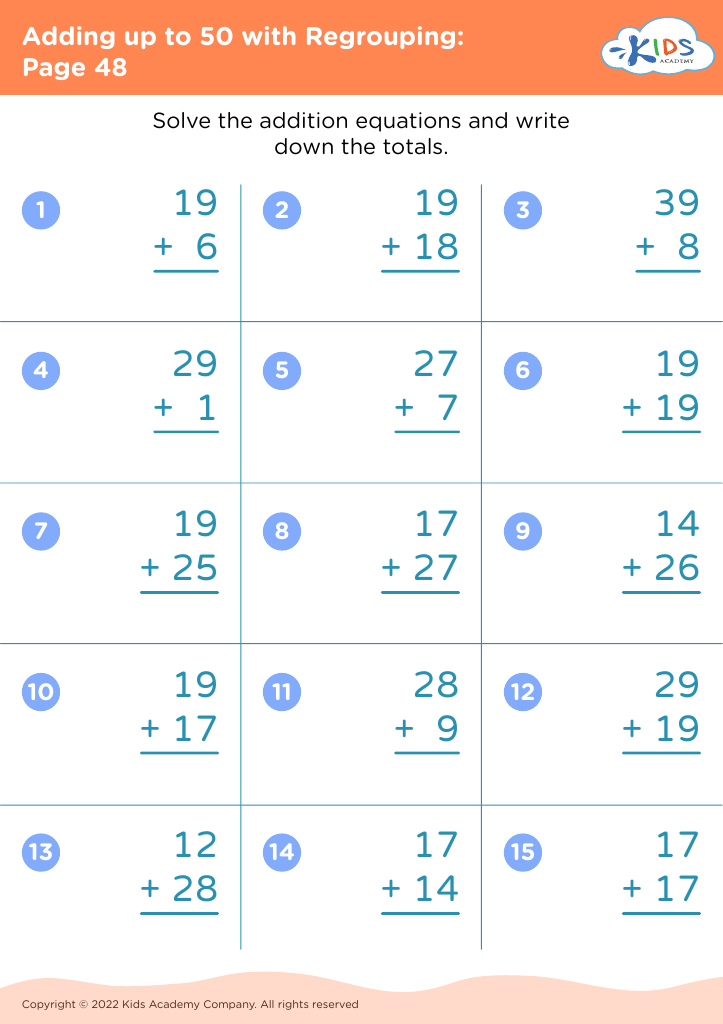
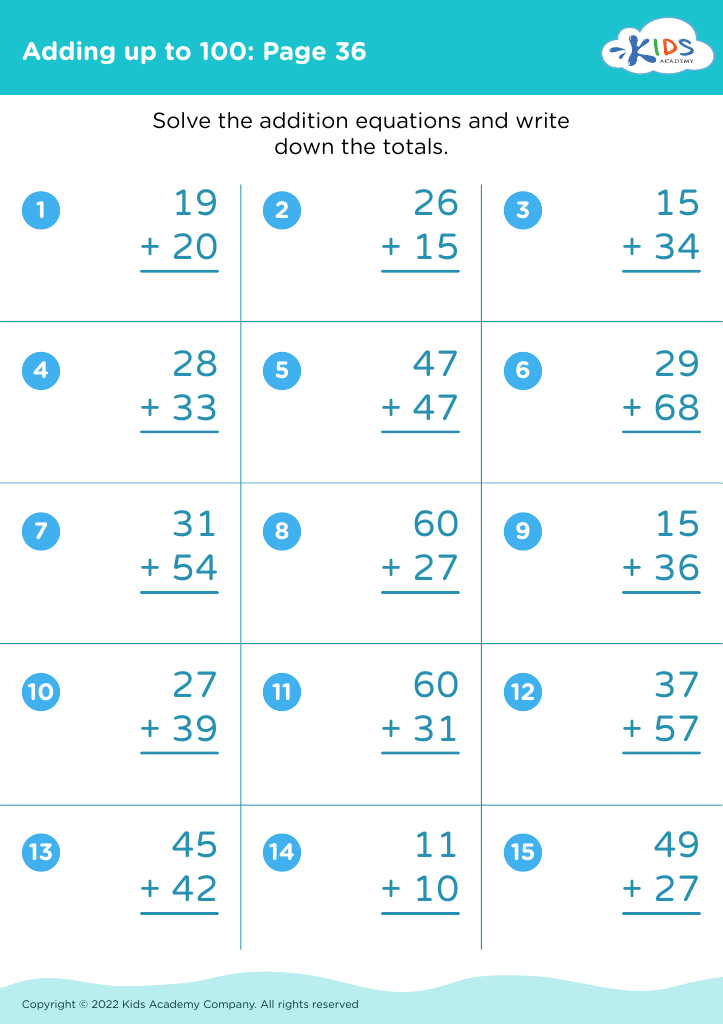
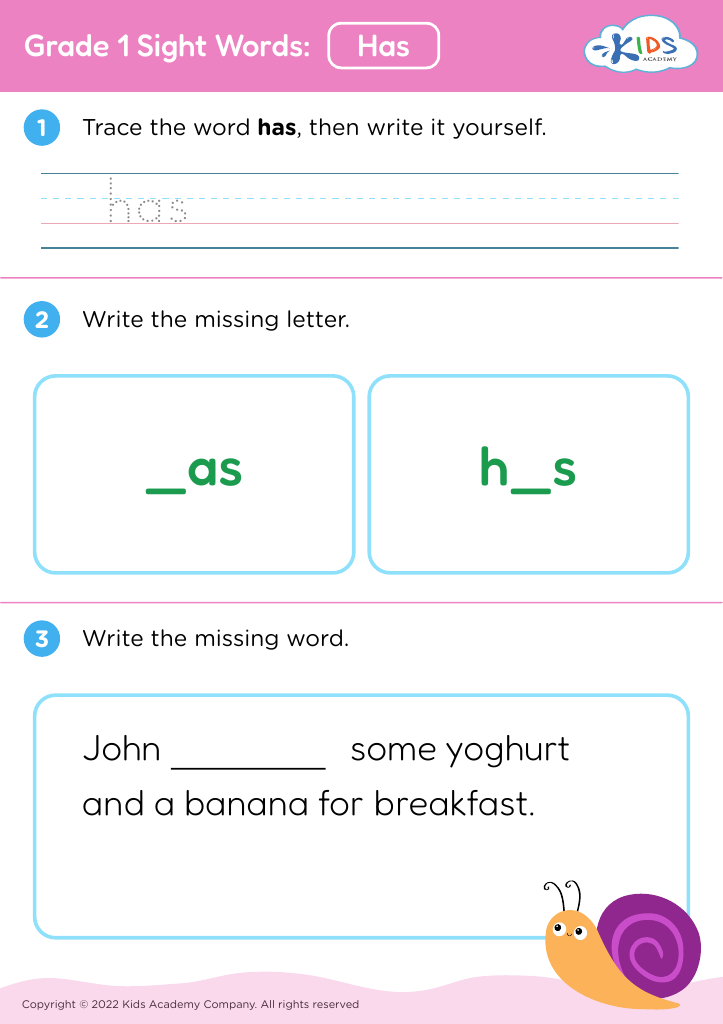
Boost your child’s love for math with our engaging Numerical Problem Solving Worksheets for Ages 3-8. Specially crafted for young learners, our printable worksheets make learning numbers, counting, addition, and subtraction fun and interactive. Explore a variety of educational activities that enhance critical thinking and problem-solving skills while supporting foundational math concepts. Perfect for both classroom and home usage, our resources are designed to align with early grade curriculums and ensure an enjoyable learning journey. Help your child build confidence and excel in mathematics from an early age!
Favorites
With answer key
Interactive
Join Kids Academy for Free
Who is primarily going to use this learning content?




.jpg)



Numerical problem solving for ages 3-8 is vital as it lays the foundation for a child's cognitive development and future academic success. Introducing children to numerical concepts early helps them understand the world around them since numbers are a fundamental part of everyday life. Mastering these skills encourages logical reasoning, critical thinking, and the ability to analyze situations — abilities that are transferable to various subjects and real-world scenarios.
Early exposure to numerical problem-solving fosters a positive attitude toward mathematics, reducing math anxiety later in life. Through playful and engaging activities, children develop a curiosity and enjoyment for learning, making them more enthusiastic and confident in tackling challenges. Additionally, strong numerical skills are associated with better performance in school, paving the way for advanced studies in science, technology, engineering, and mathematics (STEM) fields.
For parents and teachers, understanding the importance of numerical problem-solving means they can create an enriching environment that stimulates a child's intellectual growth. By integrating numeracy into daily routines and classroom activities, adults can support children in developing their abilities in a fun and stress-free manner. Overall, investing in early numerical problem-solving enhances a child's educational experience and equips them with the essential tools for lifelong learning.








