Object identification Worksheets for Ages 3-8
6 filtered results
-
From - To
Discover our engaging Object Identification Worksheets designed for children aged 3-8. These expertly crafted printables enhance early learning by helping kids recognize and name various objects from their everyday surroundings. Through fun, colorful exercises, young minds will build essential vocabulary, sharpen their observation skills, and boost cognitive development. Perfect for home or classroom use, each worksheet offers an enriching experience tailored to your child's age and learning pace. Start exploring today and watch your little one's confidence and curiosity grow as they master the world of objects around them! Download now from Kids Academy.
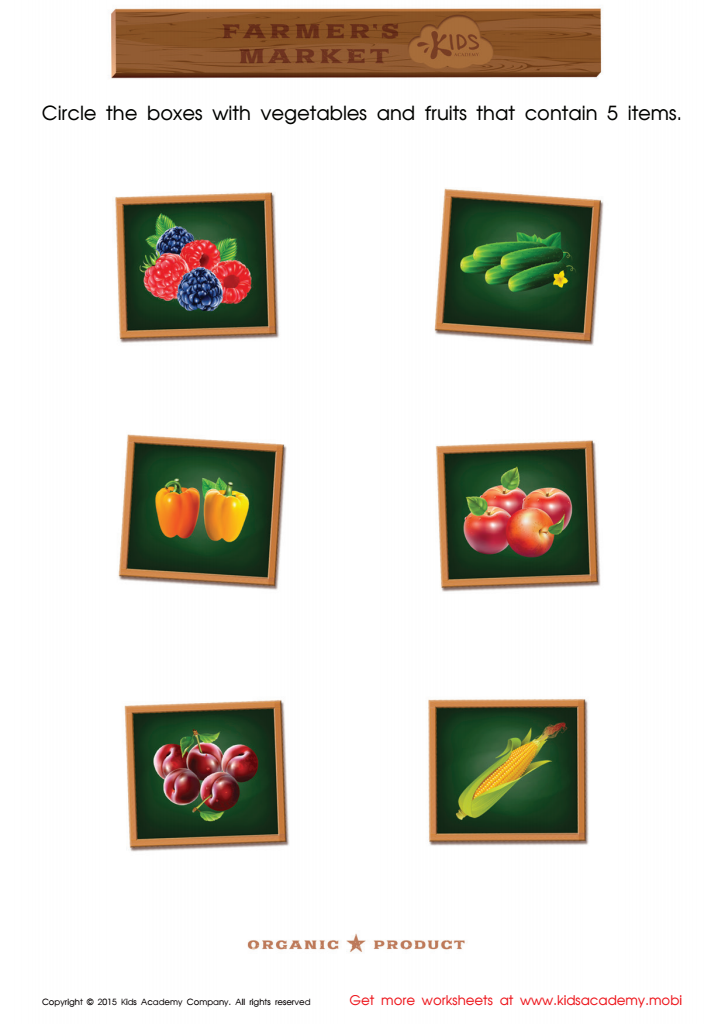
Count and Match Vegetables 1 – 7 Math Worksheet
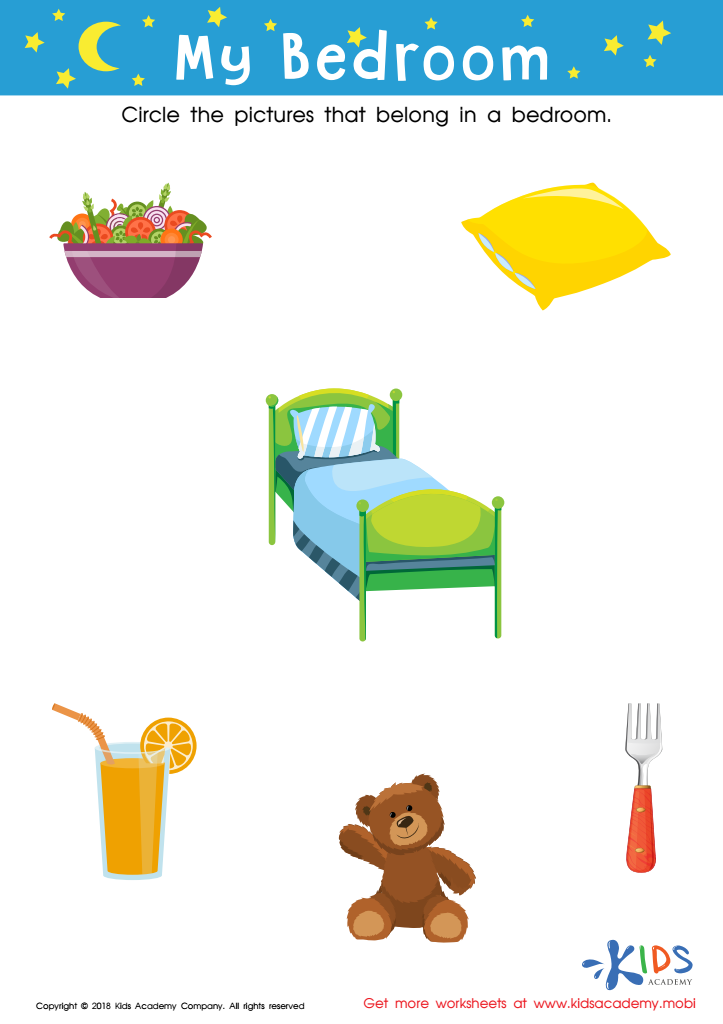
My Bedroom Worksheet
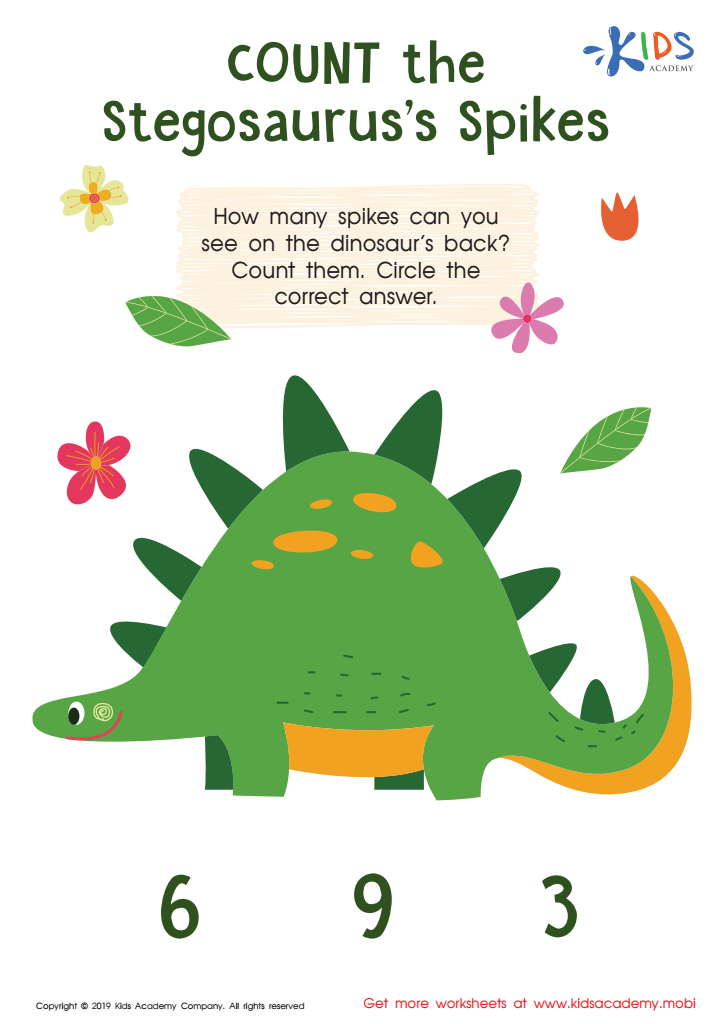
Count the Stegosaurus's Spikes Worksheet
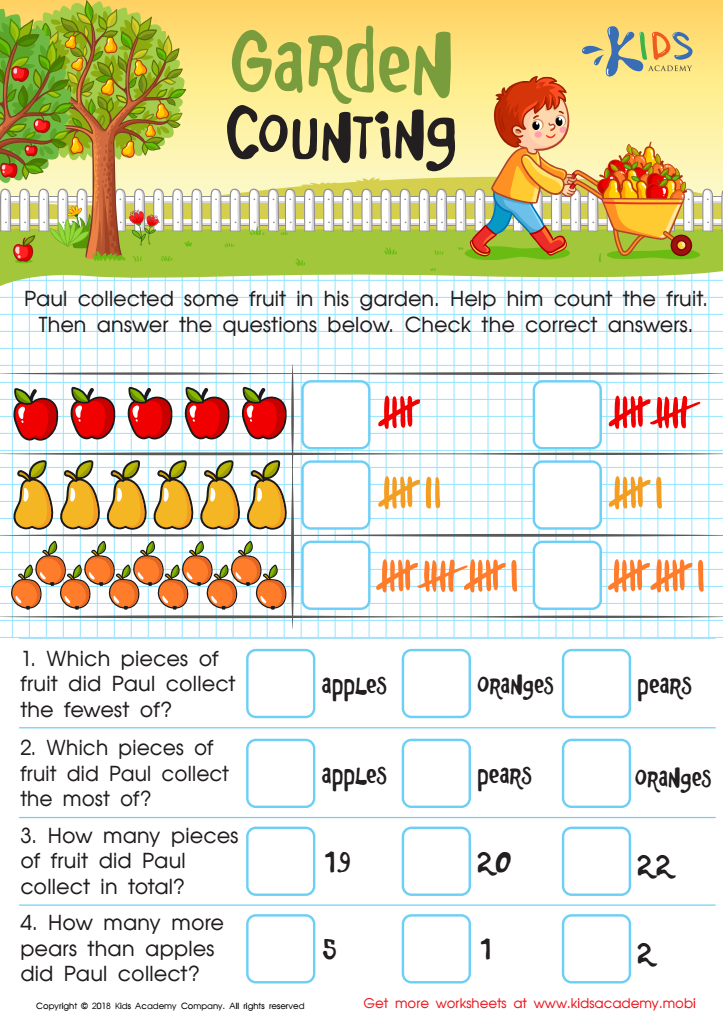
Garden Counting Worksheet
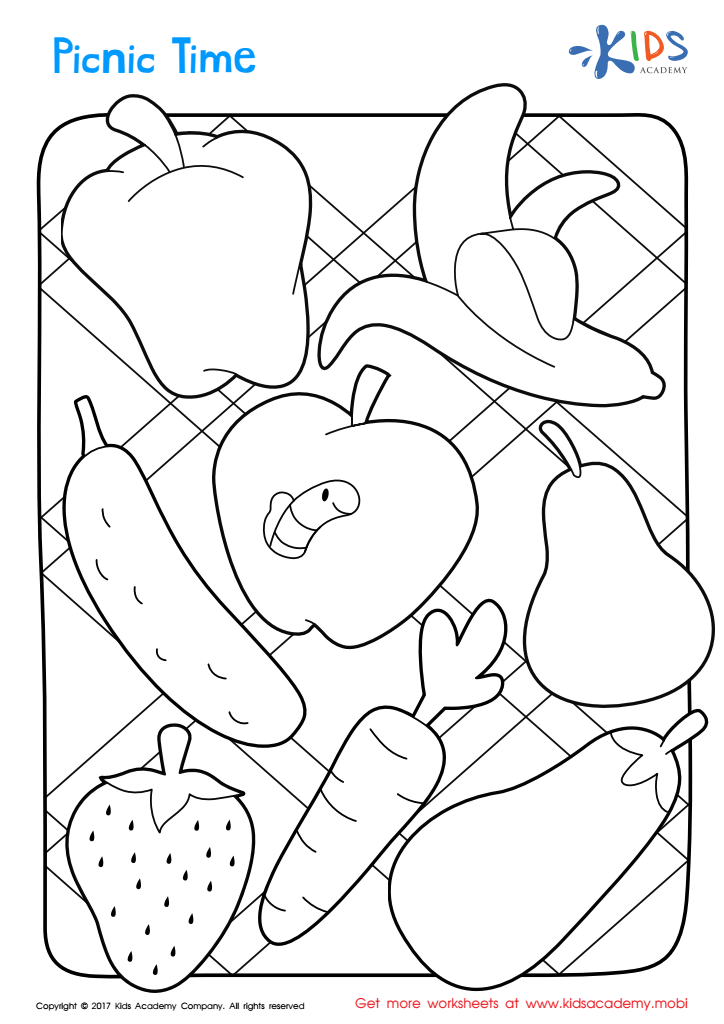
Picnic Time Coloring Page
 Assign to My Students
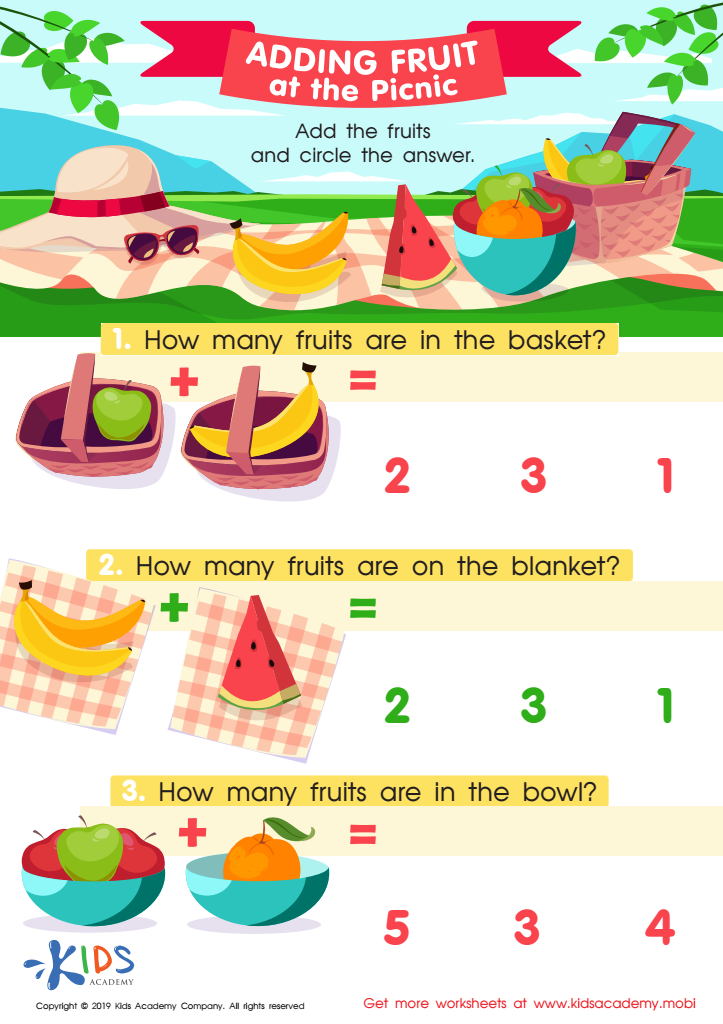
Adding Fruit at the Picnic Worksheet




.jpg)


Object identification is a crucial developmental skill for children ages 3-8, bridging both cognitive and linguistic growth. This ability, which includes recognizing shapes, colors, animals, numbers, and letters, equips kids with foundational knowledge pivotal for later academic success. Parents and teachers play vital roles in nurturing this skill, embedding the core components of early literacy and numeracy.
First, object identification enhances cognitive development by aiding in problem-solving and critical thinking. As children learn to categorize and differentiate objects, they begin to form connections and patterns, which is fundamental for advanced learning. This process directly supports brain development during a critical period when neuroplasticity is at its peak.
Secondly, it bolsters language skills. As children label and describe objects, they expand their vocabulary and improve their communication abilities. This linguistic growth fosters better comprehension and expression, skills necessary in nearly all academic areas.
Moreover, early success in object identification helps build confidence and enthusiasm in learning, creating a positive feedback loop. This encourages a love for discovery and knowledge that can lead to long-term educational engagement.
In sum, focusing on object identification during early childhood sets a solid foundation for intellectual, linguistic, and emotional development, making it an indispensable aspect of early education that parents and teachers should conscientiously support.








