Phonics recognition Worksheets for Ages 3-8
25 filtered results
-
From - To
Discover our engaging Phonics Recognition Worksheets designed for children ages 3-8. These interactive resources help young learners build essential phonetic skills through fun activities and colorful visuals. Tailored to support early literacy development, our worksheets promote letter-sound recognition, blending, and decoding, ensuring a strong foundation for reading success. Each worksheet is crafted to captivate children's attention while fostering independence and creativity. With a variety of exercises that cater to different learning styles, our phonics worksheets will enhance your child's phonetic awareness in an enjoyable and effective way. Start your child's reading journey today with our exciting collection of printable worksheets!
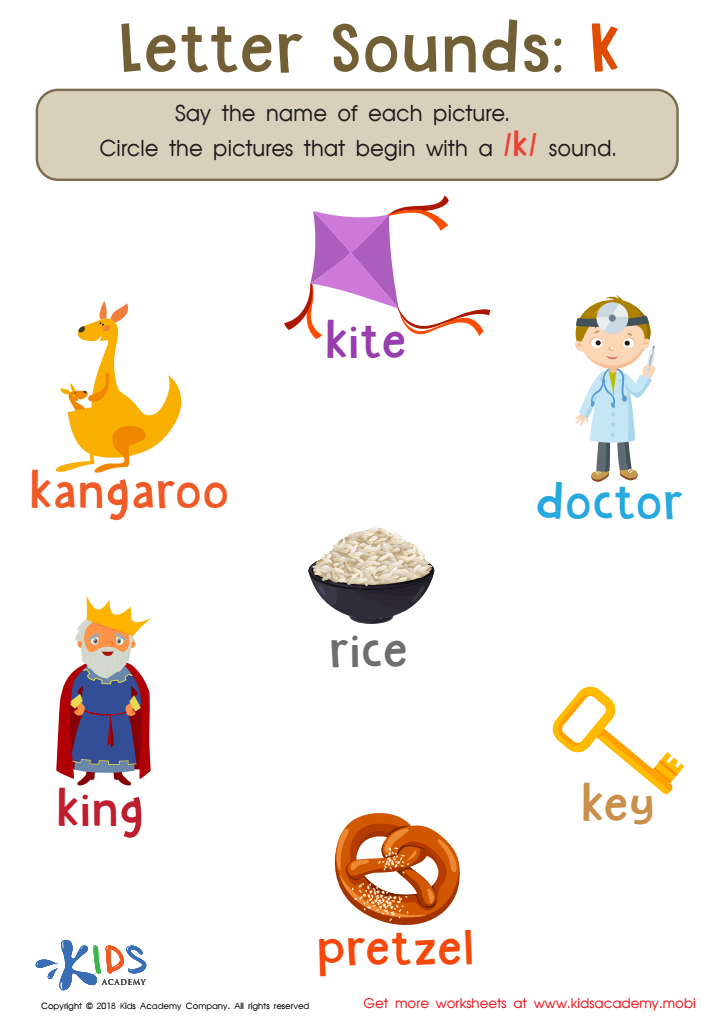
Letter K Sounds Worksheet
 Assign to My Students
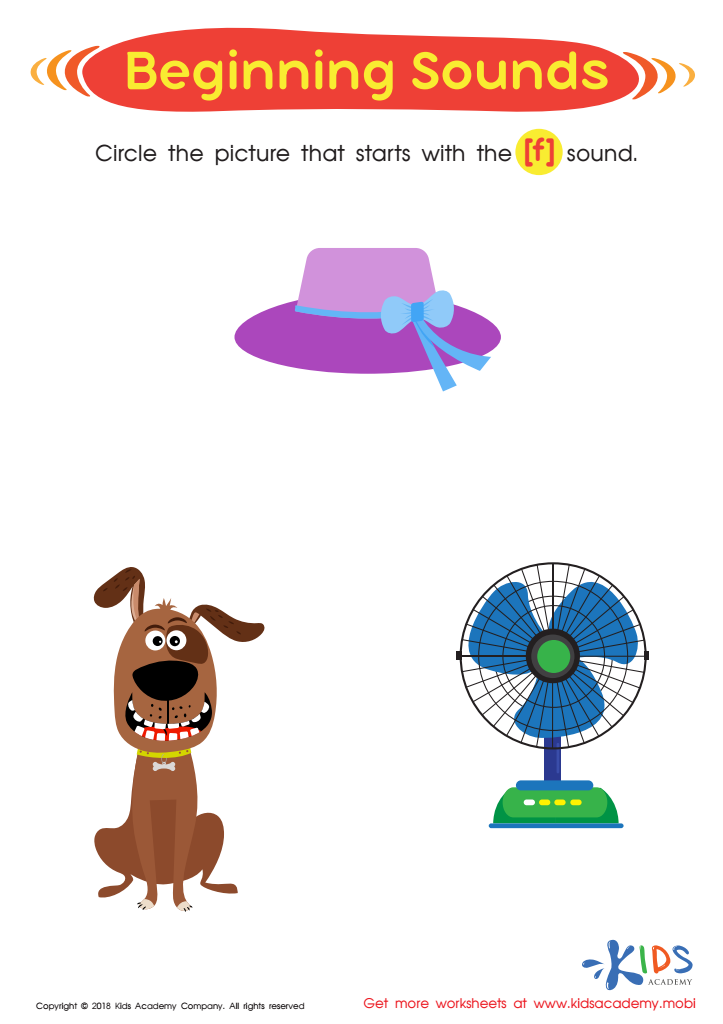
Beginning Sounds Assessment Printable
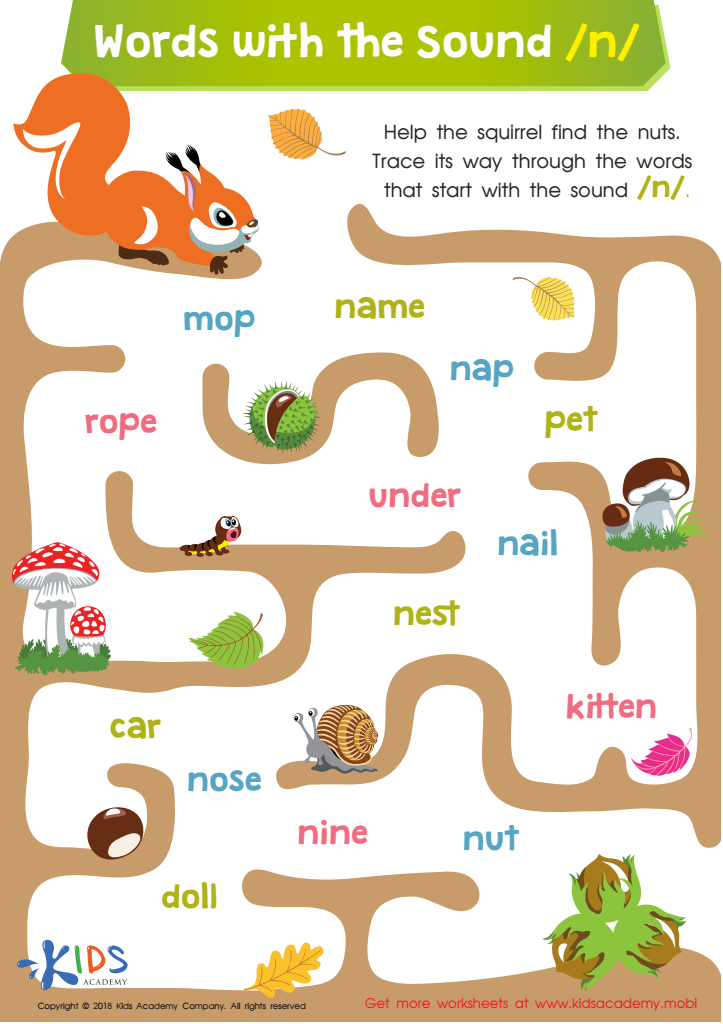
Words with Sound N Reading Worksheet
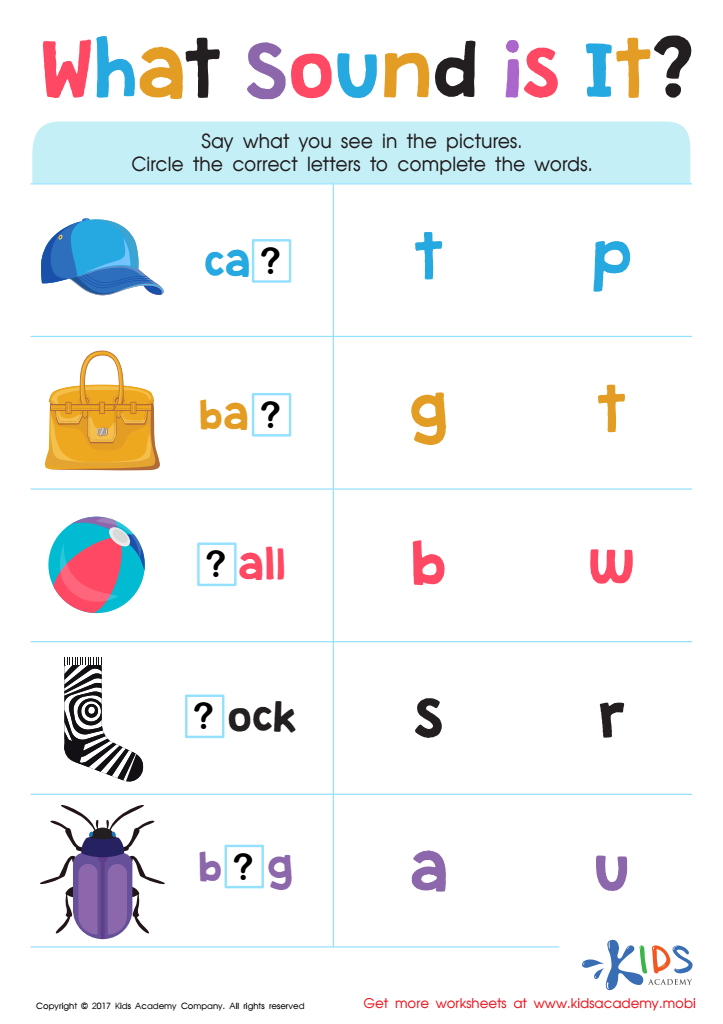
What Sound Is it? Worksheet
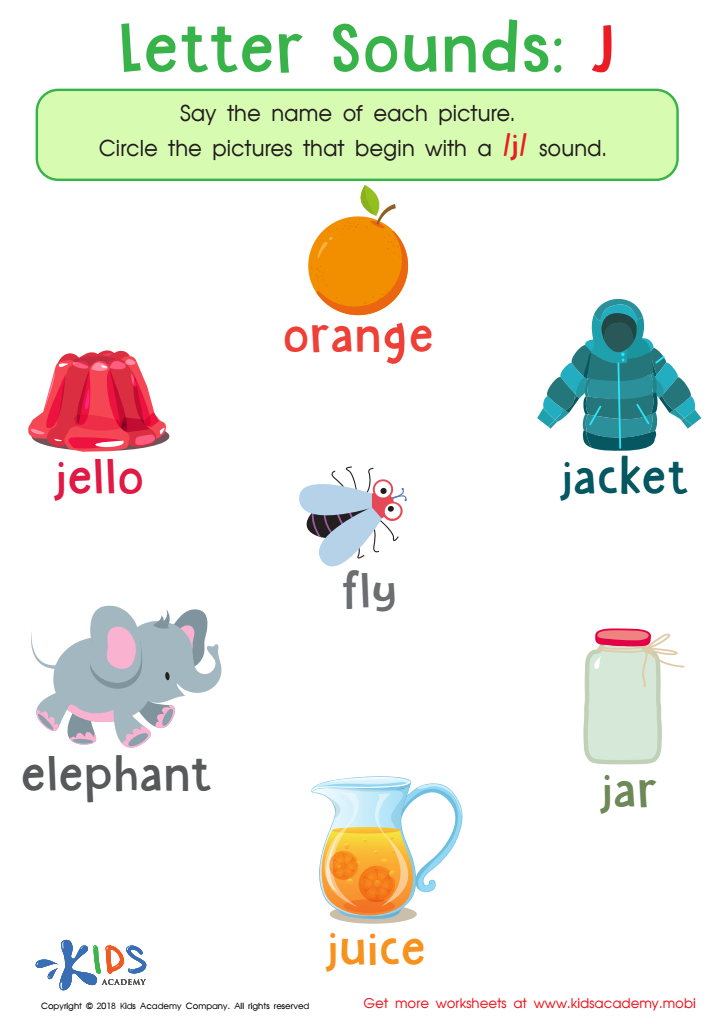
Letter Sounds: J Printable Worksheet
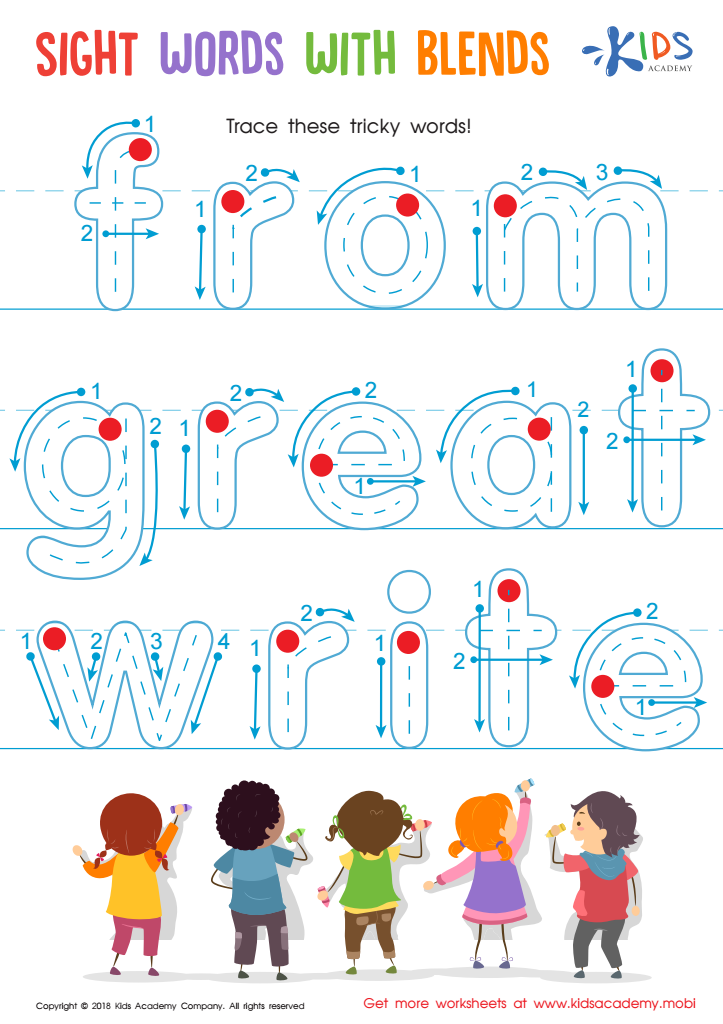
Sight Words with Blends Worksheet
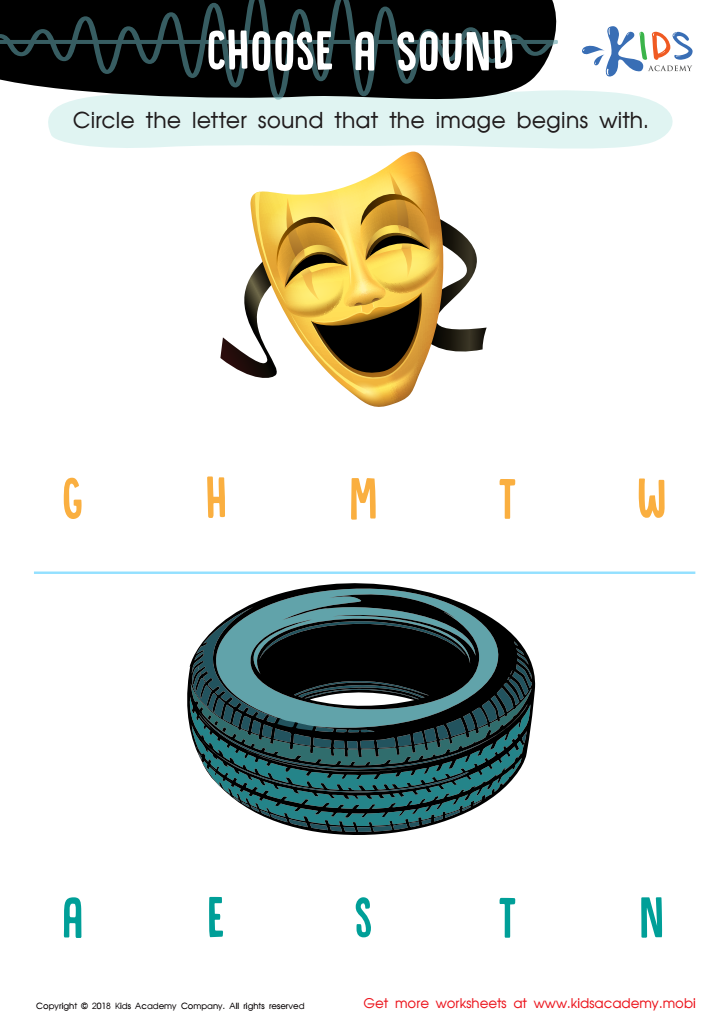
Choose a Sound Worksheet
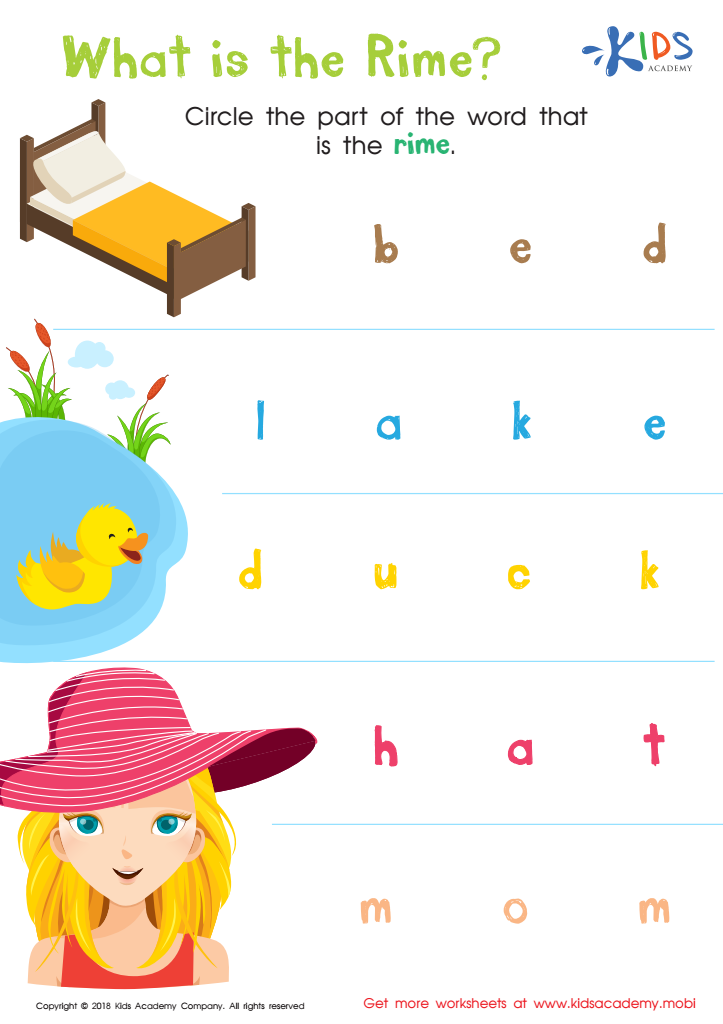
What Is the Rime? Worksheet
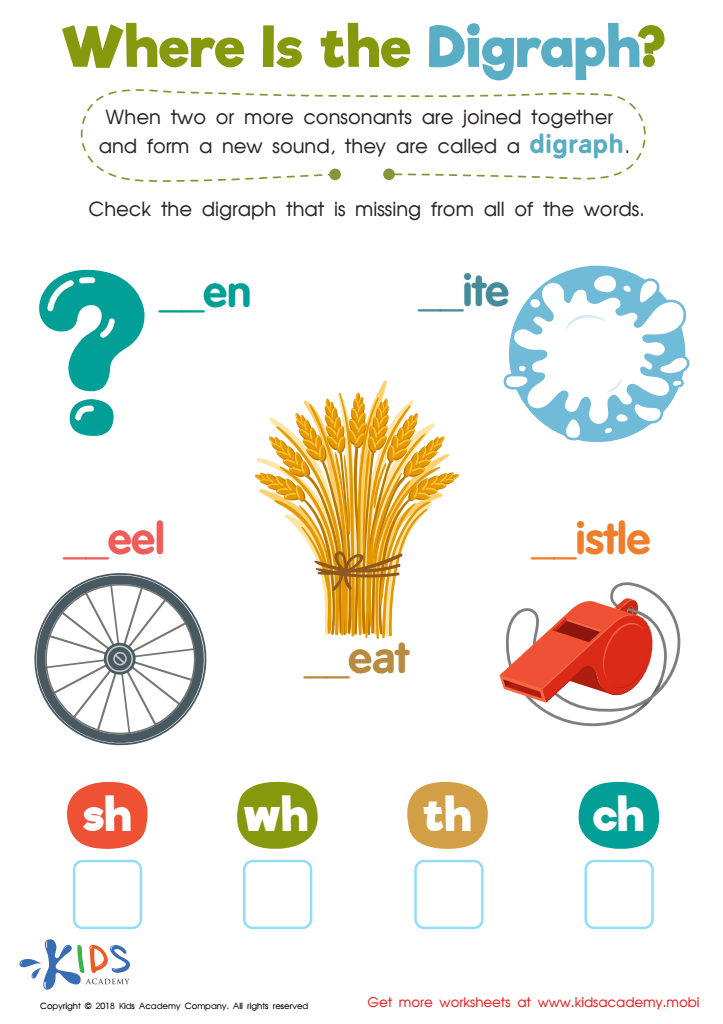
Where Is the Digraph? Worksheet
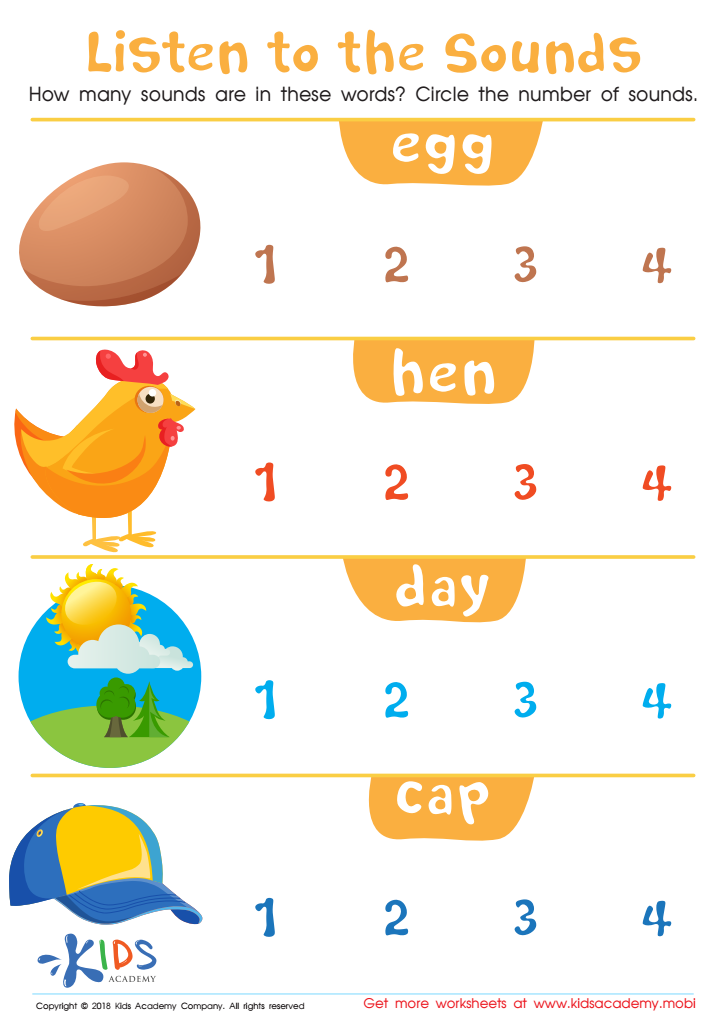
Listen to the Sounds Worksheet
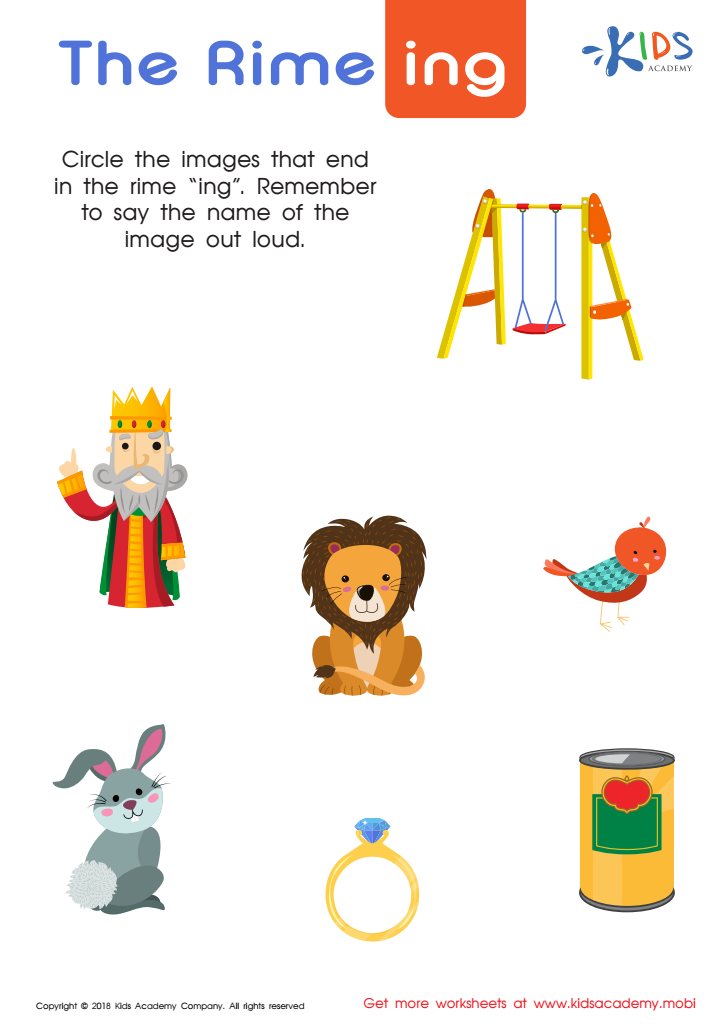
The Rime "ing" Worksheet
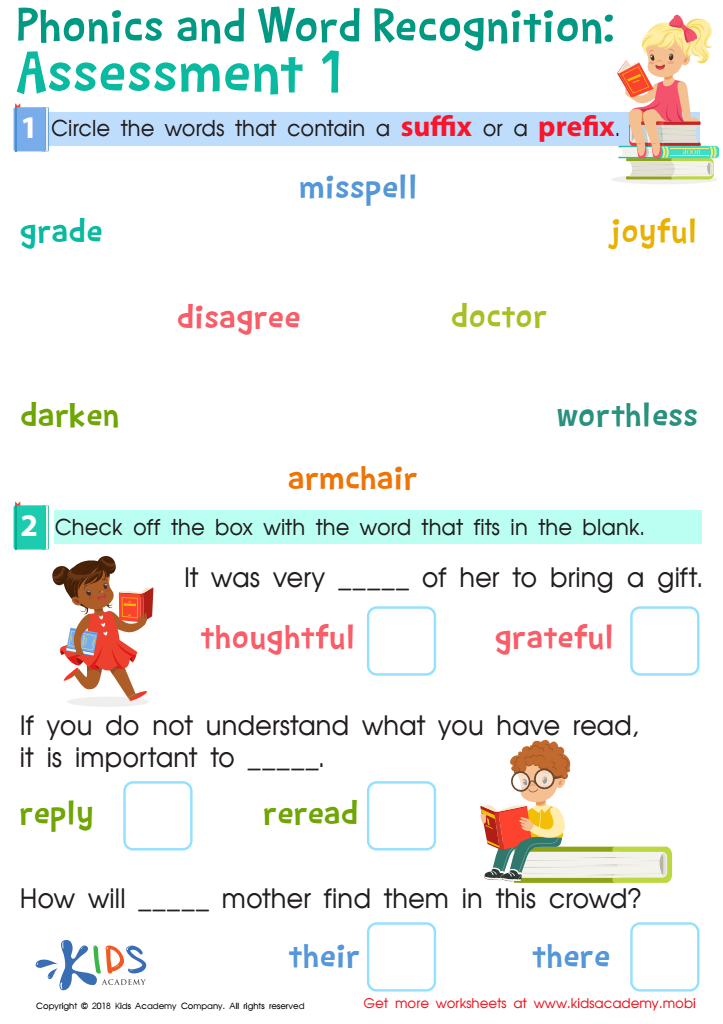
Phonics and Word Recognition: Assessment 1 Worksheet
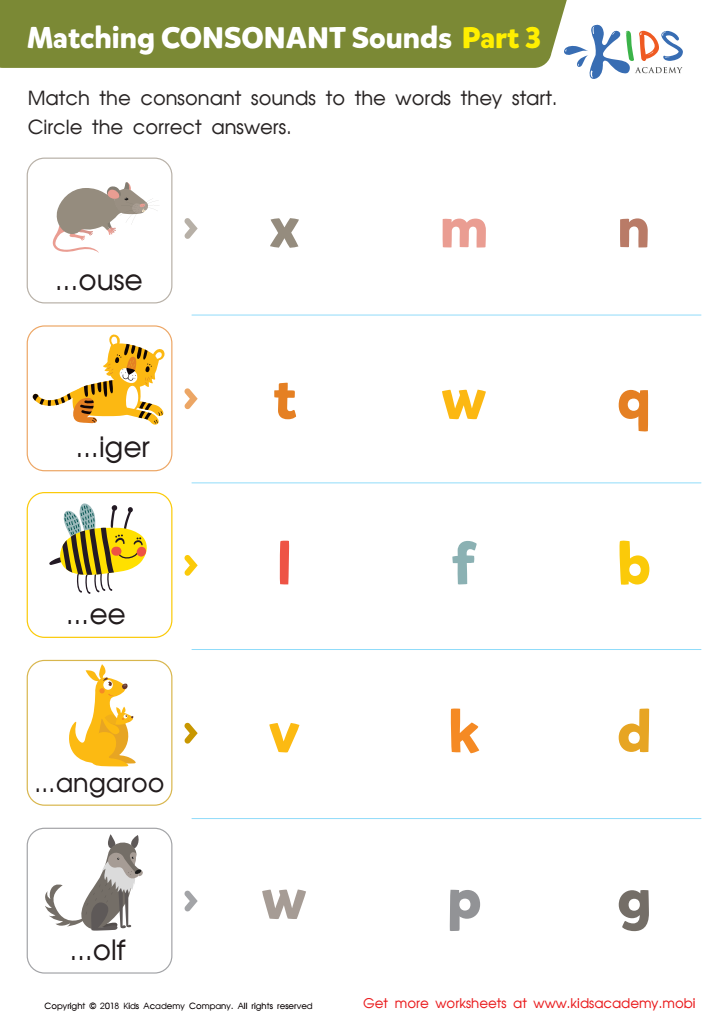
Matching Consonant Sounds: Part 3 Worksheet
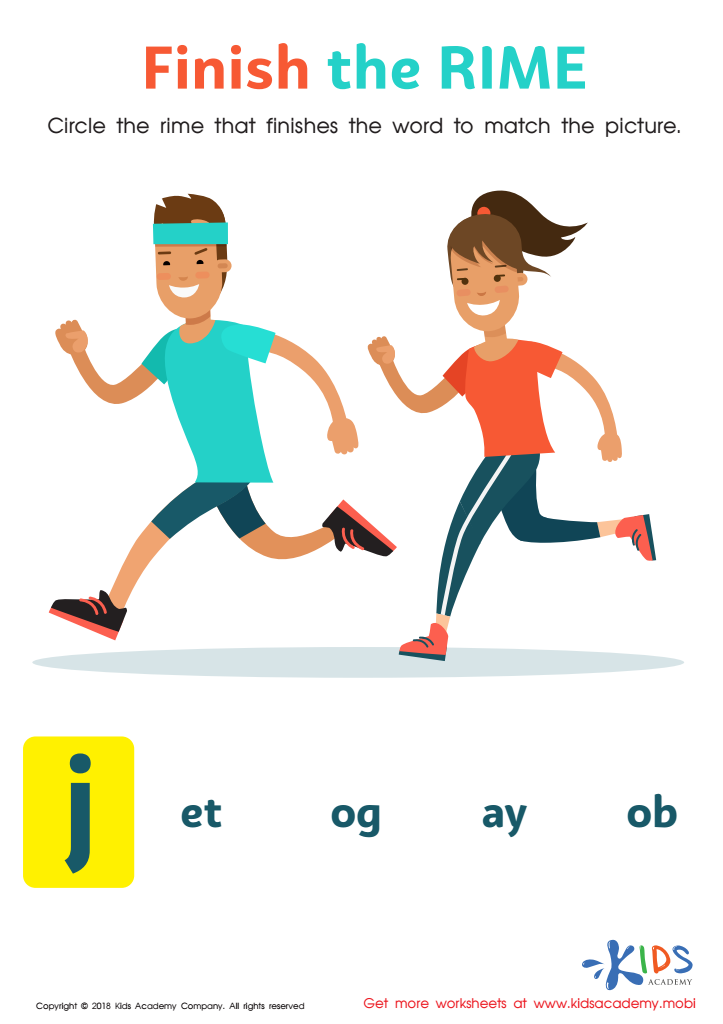
Finish the Rime Worksheet
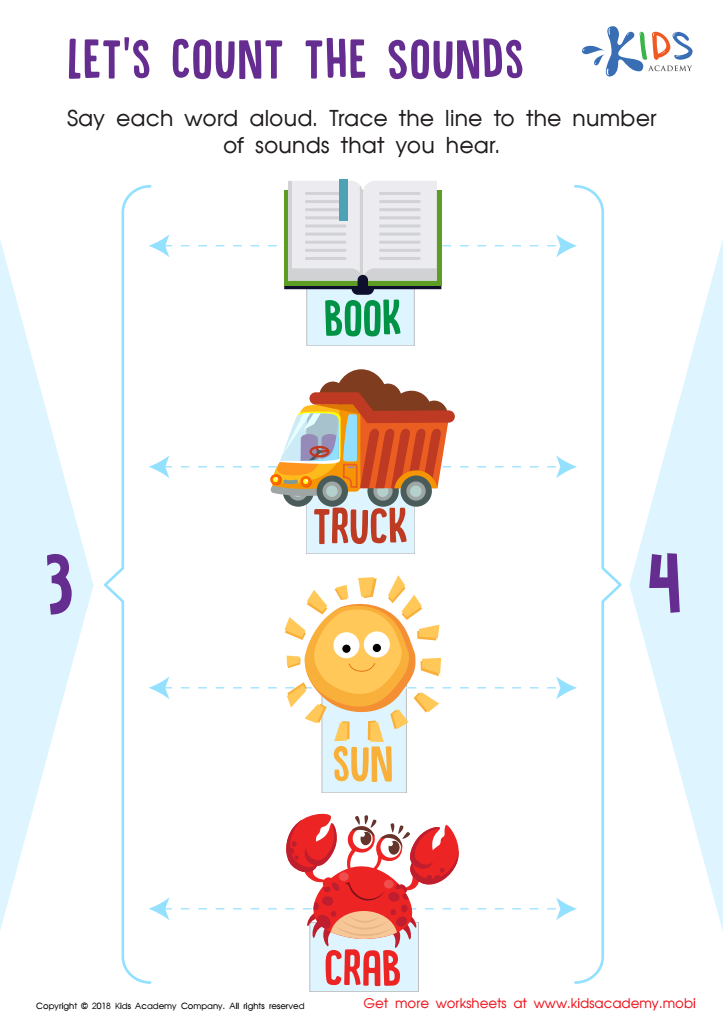
Let's Count the Sounds Worksheet
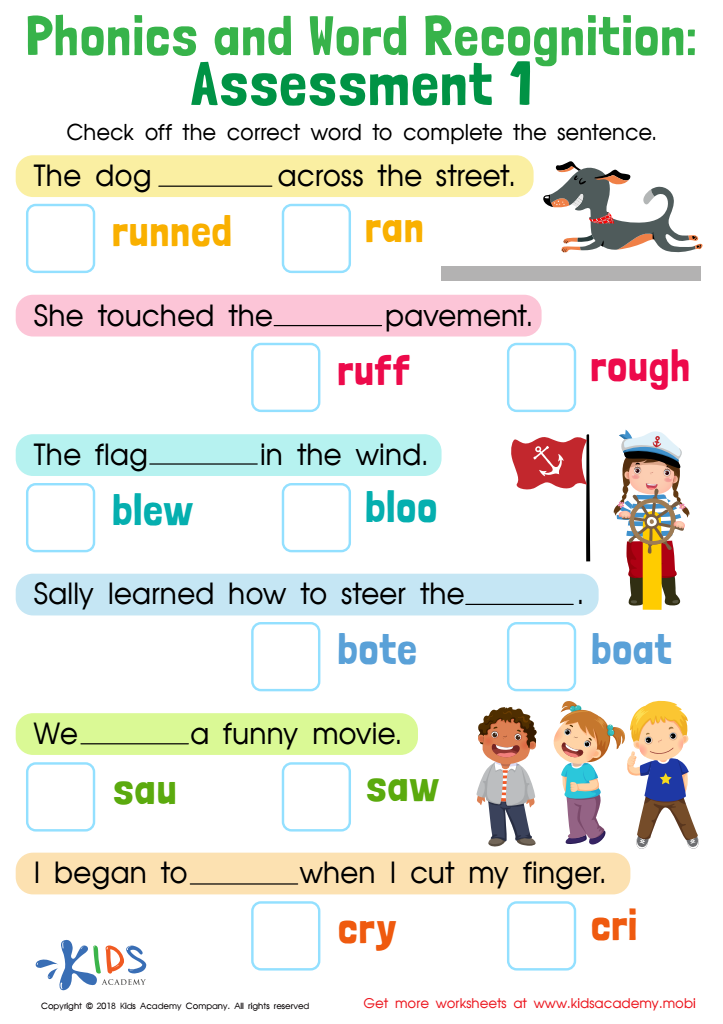
Phonics and Word Recognition: Assessment 1 Worksheet
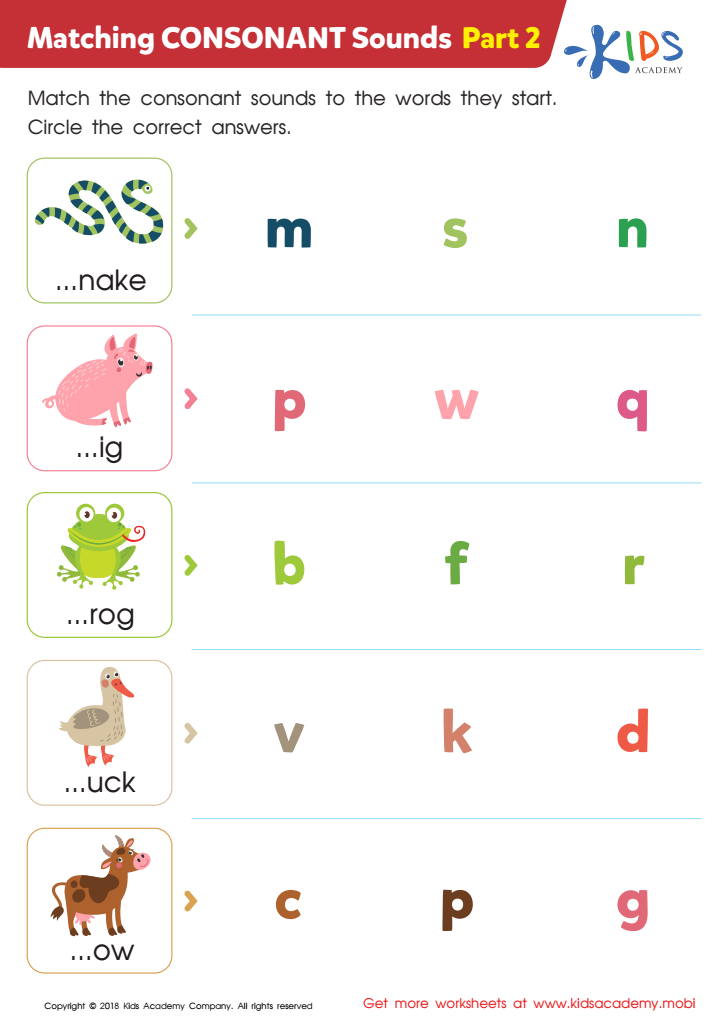
Matching Consonant Sounds: Part 2 Worksheet
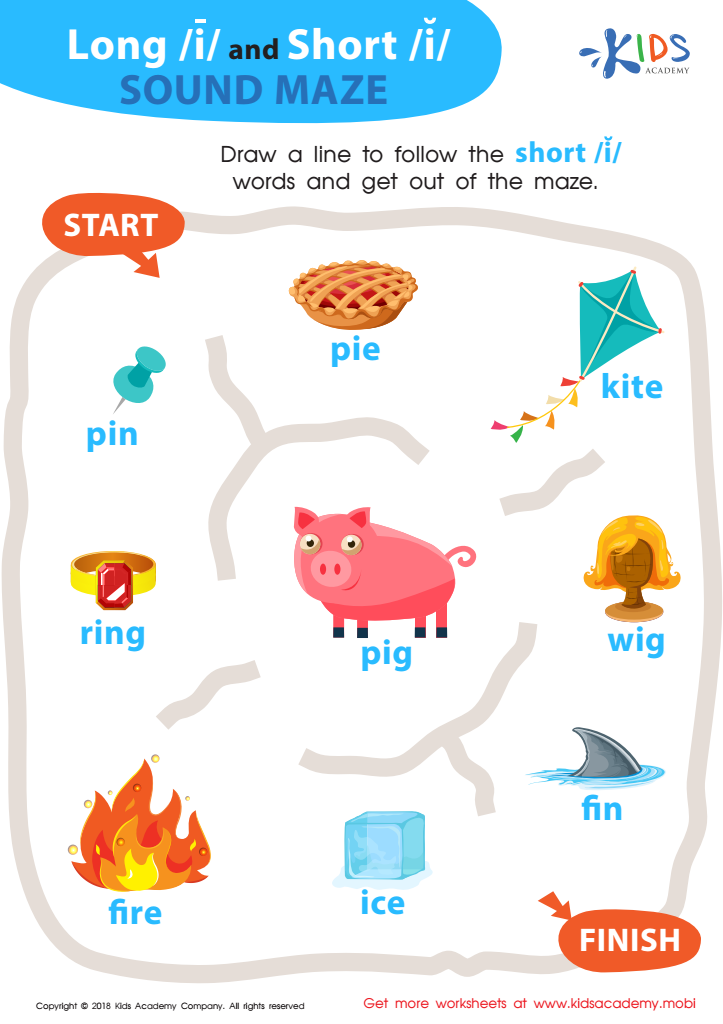
Reading: Long I and Short I Sound Maze Worksheet
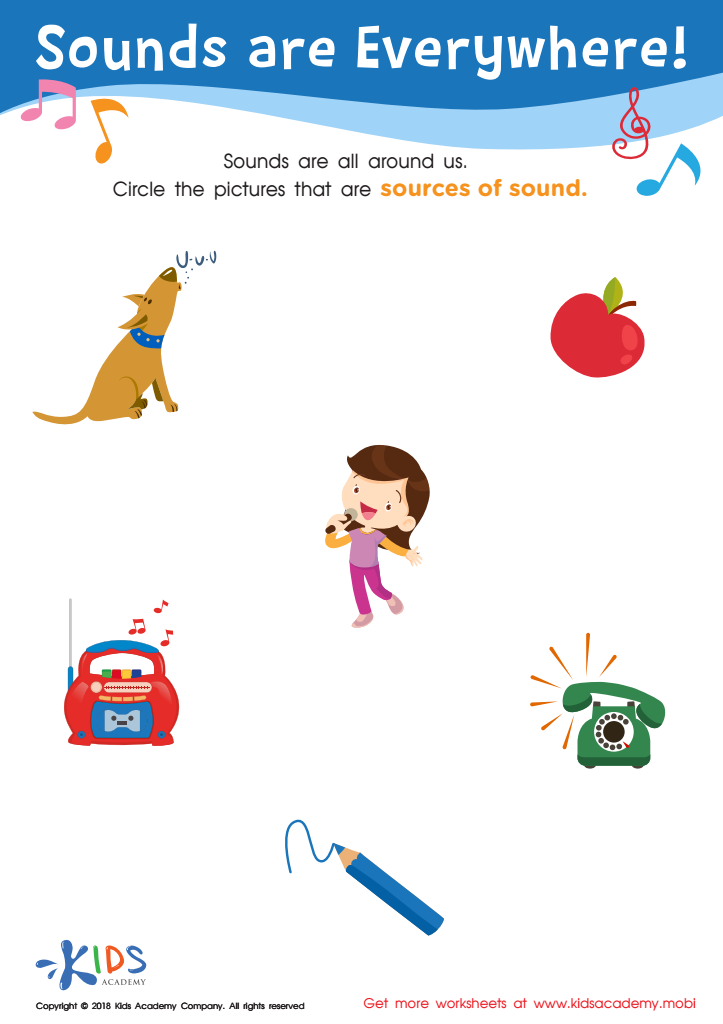
Sounds Are Everywhere! Worksheet
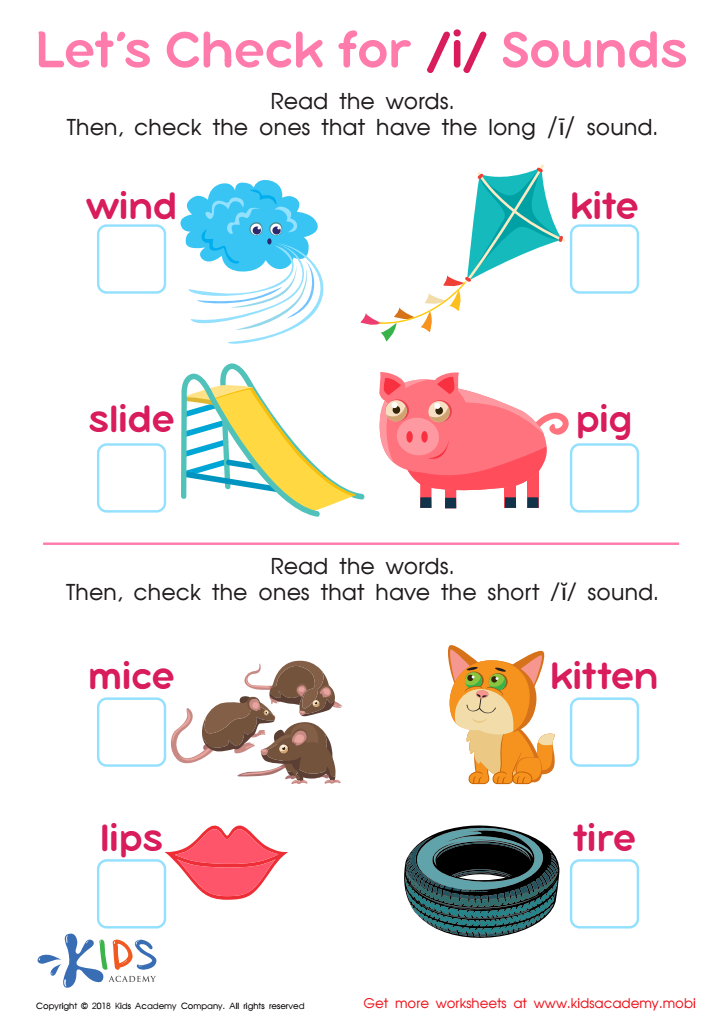
Let's Check for «i» Sounds Worksheet
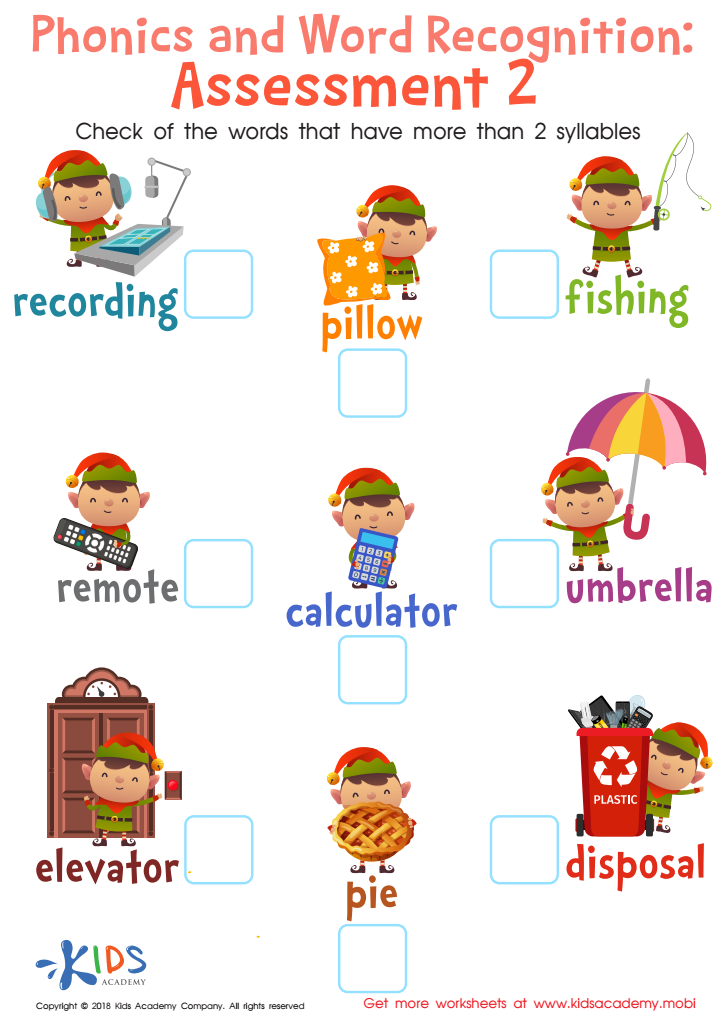
Phonics and Word Recognition: Assessment 2 Worksheet
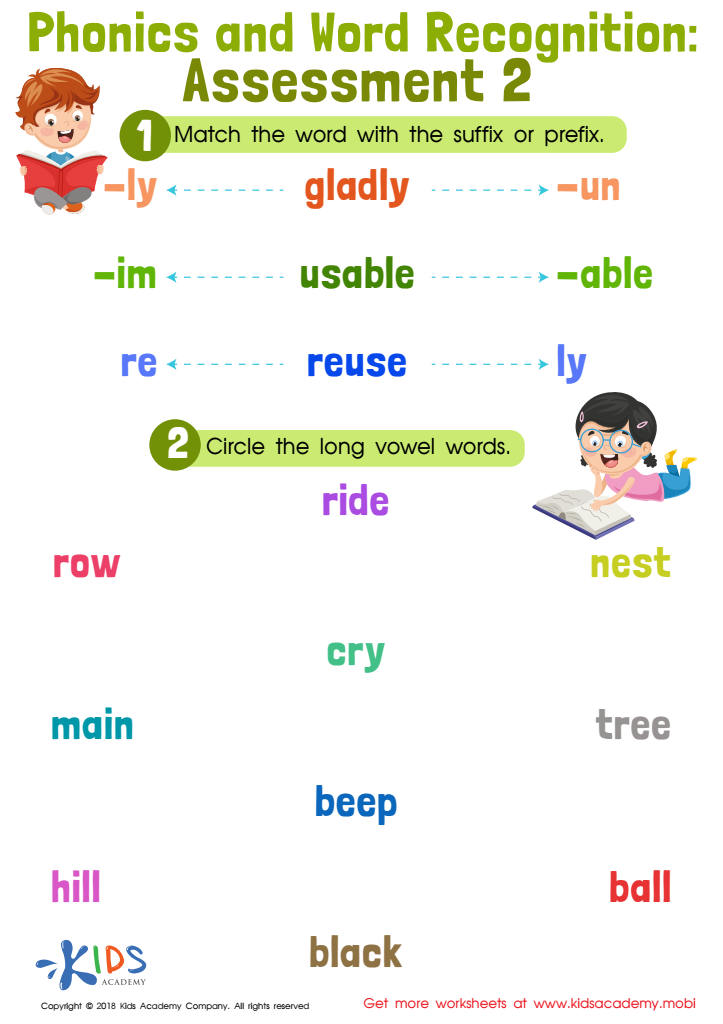
Phonics and Word Recognition: Assessment 2
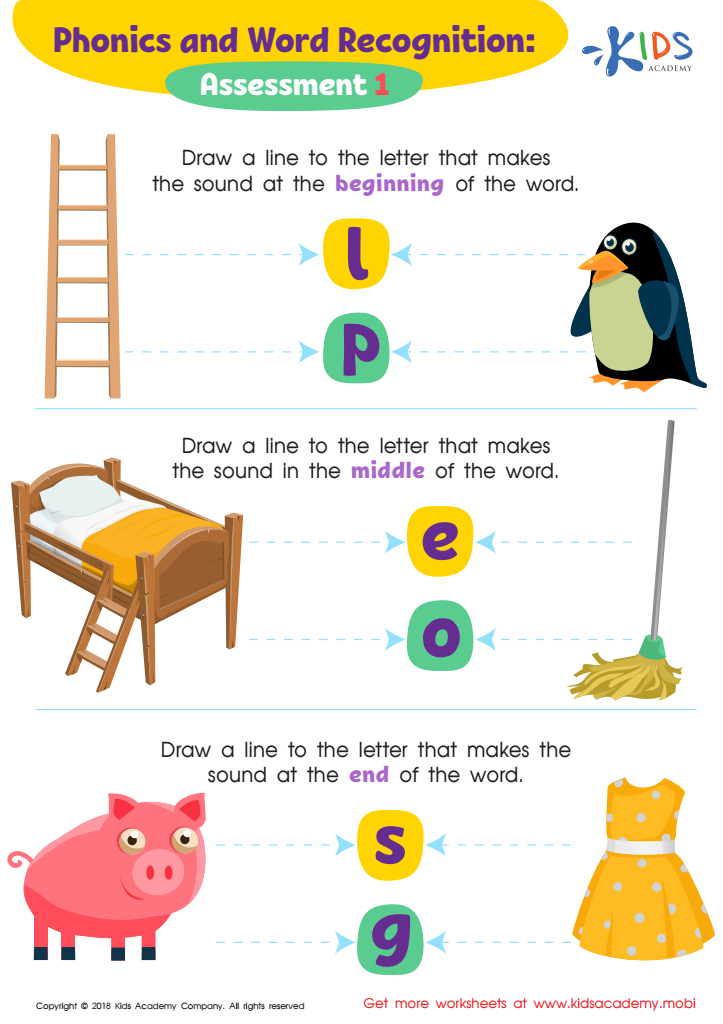
Phonics and Word Recognition: Assessment 1 ELA Worksheet
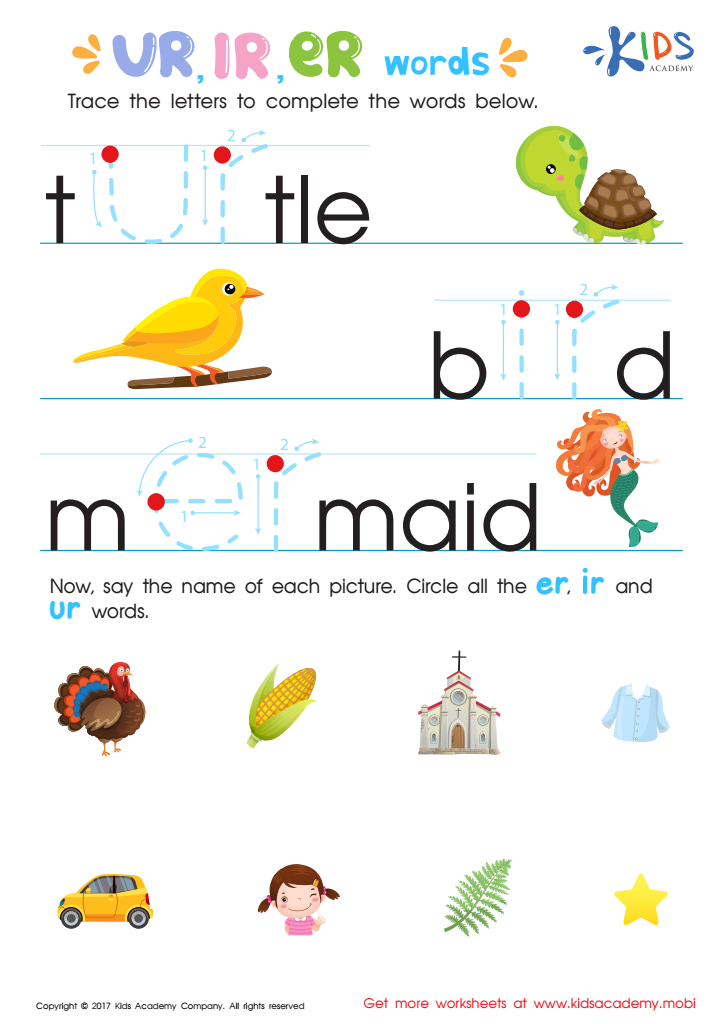
IR UR ER Words Worksheet






.jpg)
.jpg)
Phonics recognition is crucial for children aged 3-8 as it lays the foundation for their reading and writing skills. At this formative age, children begin to connect sounds with letters, enabling them to decode and understand written words. This skill not only boosts literacy but also enhances overall cognitive development, fostering critical thinking and comprehension abilities.
Research indicates that a solid grasp of phonics is linked to sustained reading success. When parents and teachers prioritize phonics instruction, they help children build confidence in their abilities, reducing fears around reading. As children learn to sound out words, they become more fluent readers, resulting in a lifelong love for books and learning.
Moreover, phonics recognition supports broader academic achievement. Successful readers perform better across subjects, as the ability to process written information is essential in all areas of study. Additionally, strong early phonics skills can help mitigate future difficulties in reading, reducing the likelihood of falling behind in later grades.
In essence, focusing on phonics recognition is not just about teaching kids to read; it’s about empowering them with the skills they need to thrive academically and socially. Parents and teachers play a pivotal role in fostering these essential skills during these critical years.








