Plant identification Worksheets for Ages 3-8
5 filtered results
-
From - To
Explore our engaging Plant Identification Worksheets designed for children ages 3-8! These activities seamlessly blend education and fun, fostering a love for nature while enhancing important skills. Each worksheet encourages young learners to identify various plants through colorful images, quizzes, and matching games. Perfect for home, classrooms, or outdoor adventures, these resources promote observation skills, vocabulary building, and environmental awareness. Ideal for parents and teachers alike, our worksheets provide a hands-on learning experience that connects children with the wonders of the natural world. Help your child discover the beauty of plants while developing key learning skills today!
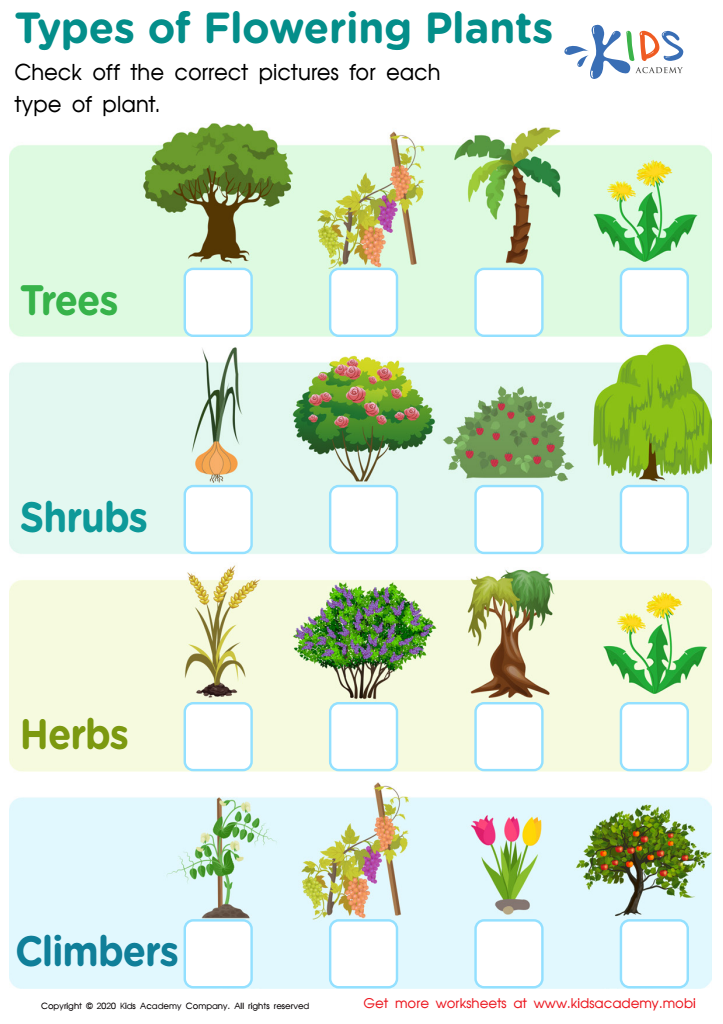
Types of Flowering Plants Worksheet
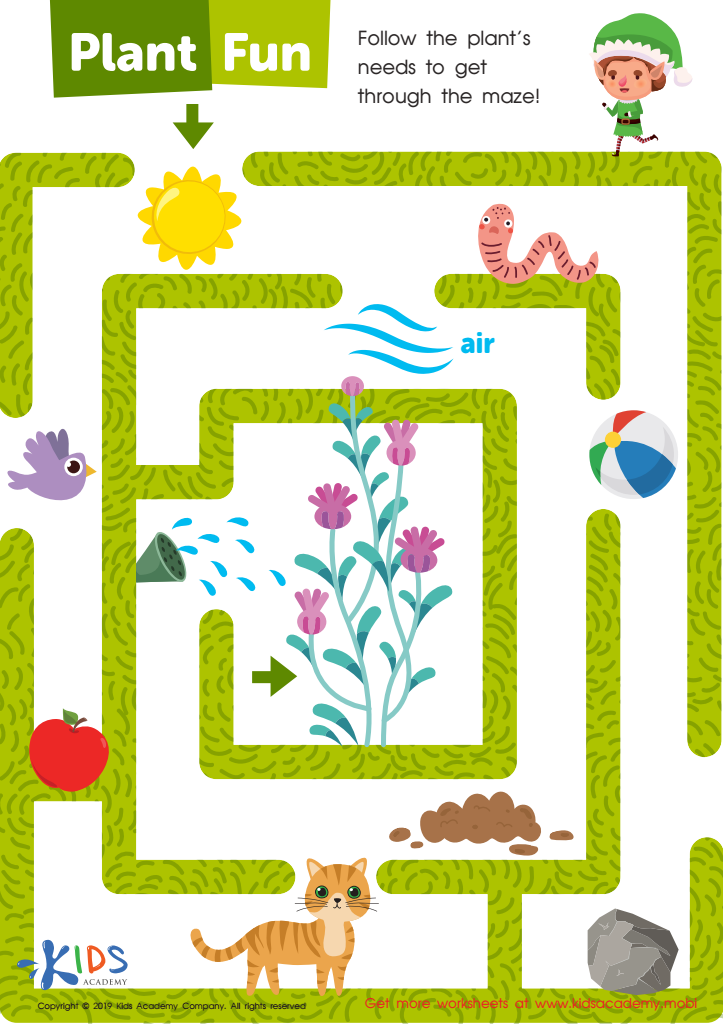
Plant Fun Worksheet
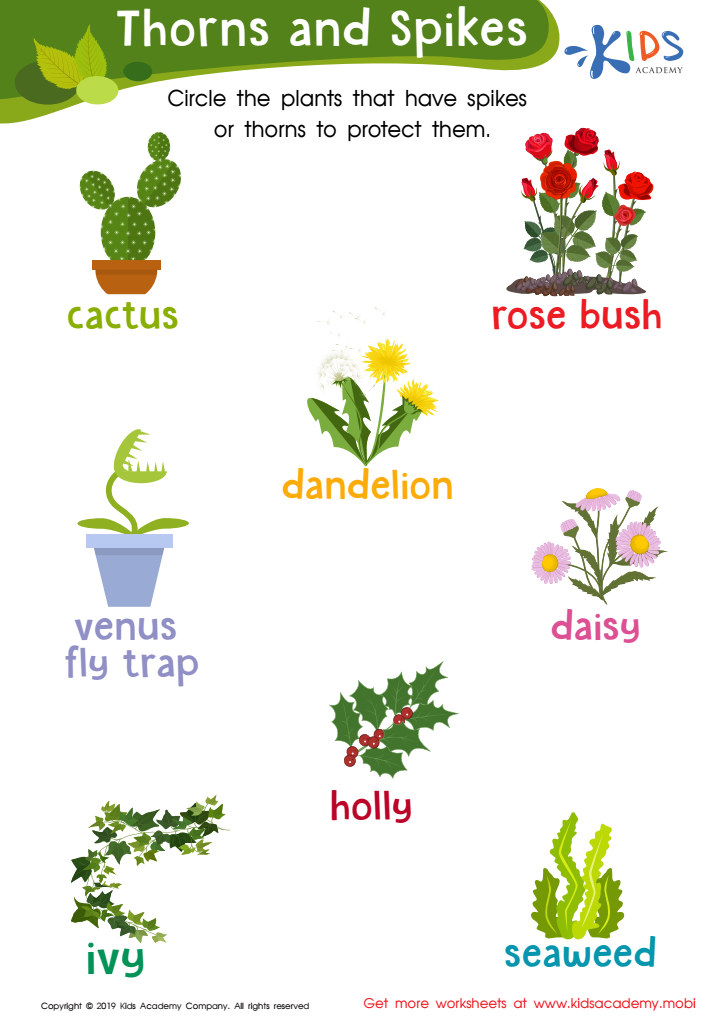
Thorns and Spikes Worksheet
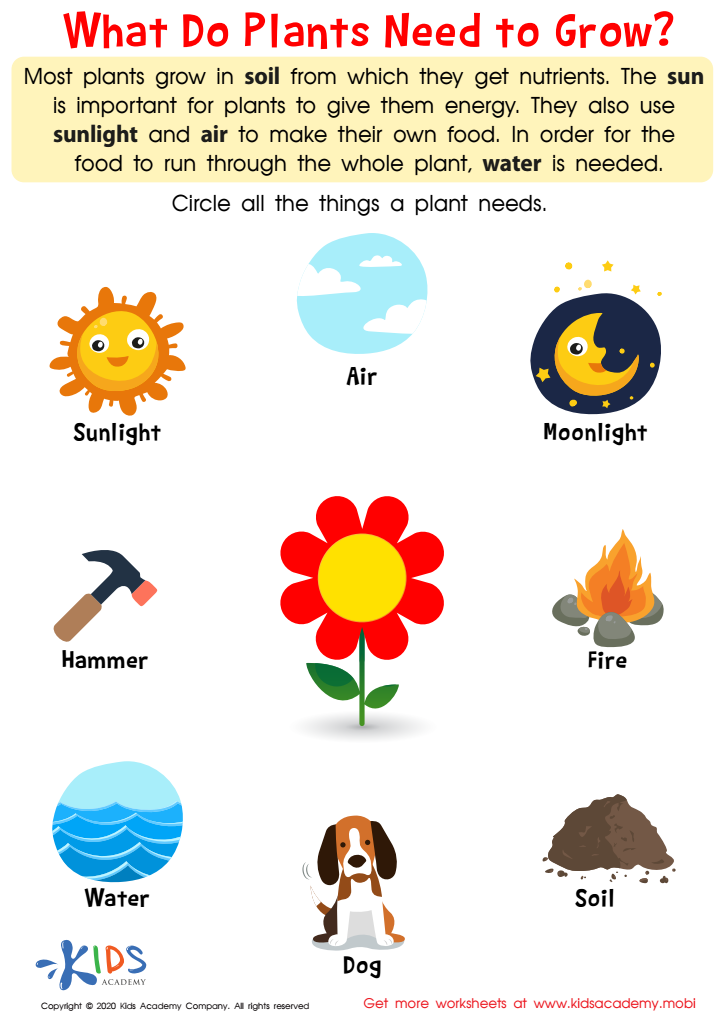
What Do Plants Need to Grow Worksheet
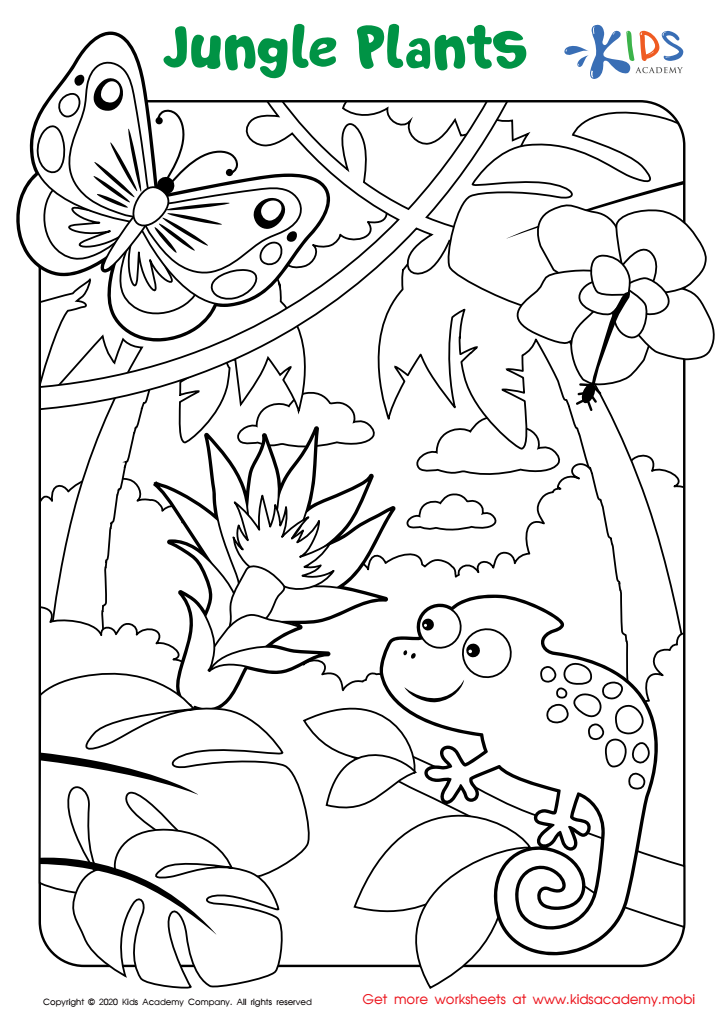
Jungle Plants Worksheet
 Assign to My Students






Plant identification for children aged 3-8 is crucial for several reasons. Firstly, it fosters a deep connection with nature, encouraging curiosity and respect for the environment. Learning to identify plants can spark children’s interest in biology and ecology, laying the foundation for lifelong learning about ecosystems and biodiversity.
Secondly, plant identification enhances sensory development. Children explore colors, shapes, and textures, stimulating their sensory perception and cognitive skills. This exploration is vital during early childhood, as it aids both their kinesthetic and visual learning.
Moreover, understanding plants can boost children’s health and well-being. By recognizing edible plants, they can make informed choices about nutrition and learn the importance of healthy eating. This knowledge empowers them to appreciate where their food comes from.
Additionally, engaging in outdoor activities like plant identification promotes physical health through play and exploration, combatting sedentary habits.
Finally, plant identification encourages social skills through collaborative learning experiences. Whether sharing discoveries with peers or discussing findings with adults, children build communication and teamwork capabilities. As advocates of holistic development, parents and teachers should emphasize plant identification, creating inspired, environmentally-conscious learners who value their outdoor surroundings.








