Practice writing numbers Worksheets for Ages 3-8
7 filtered results
-
From - To
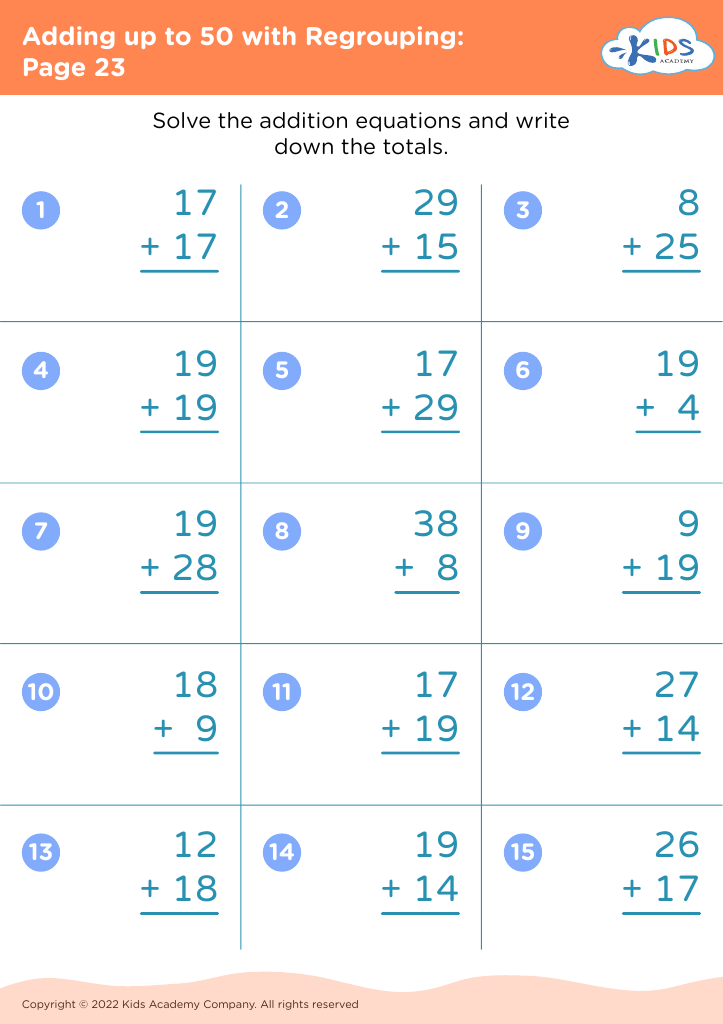
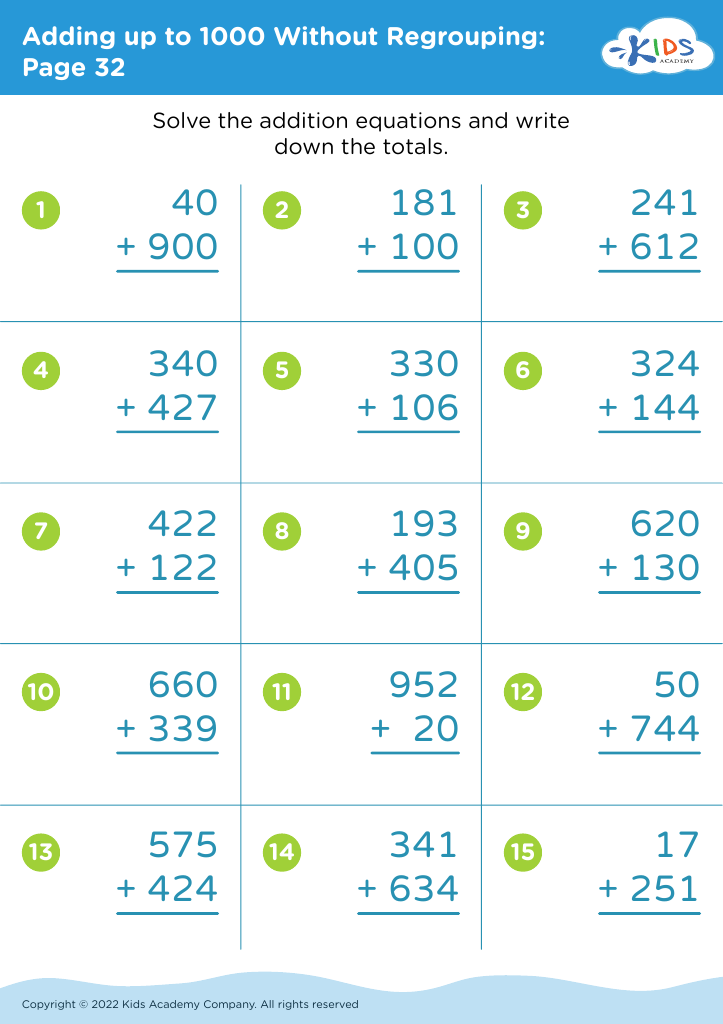
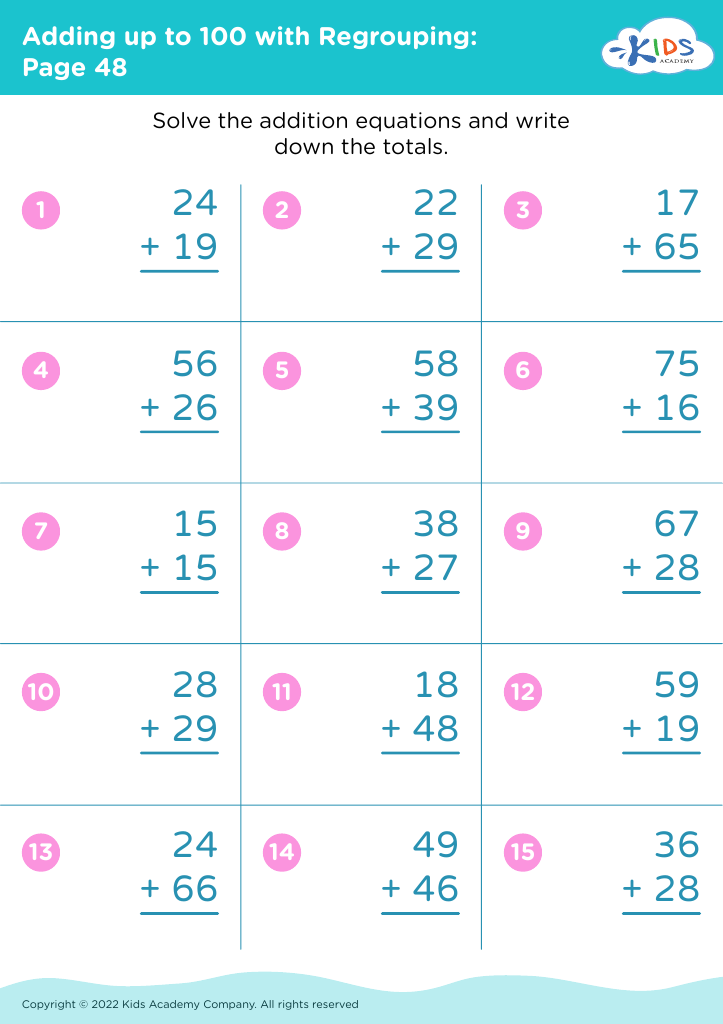
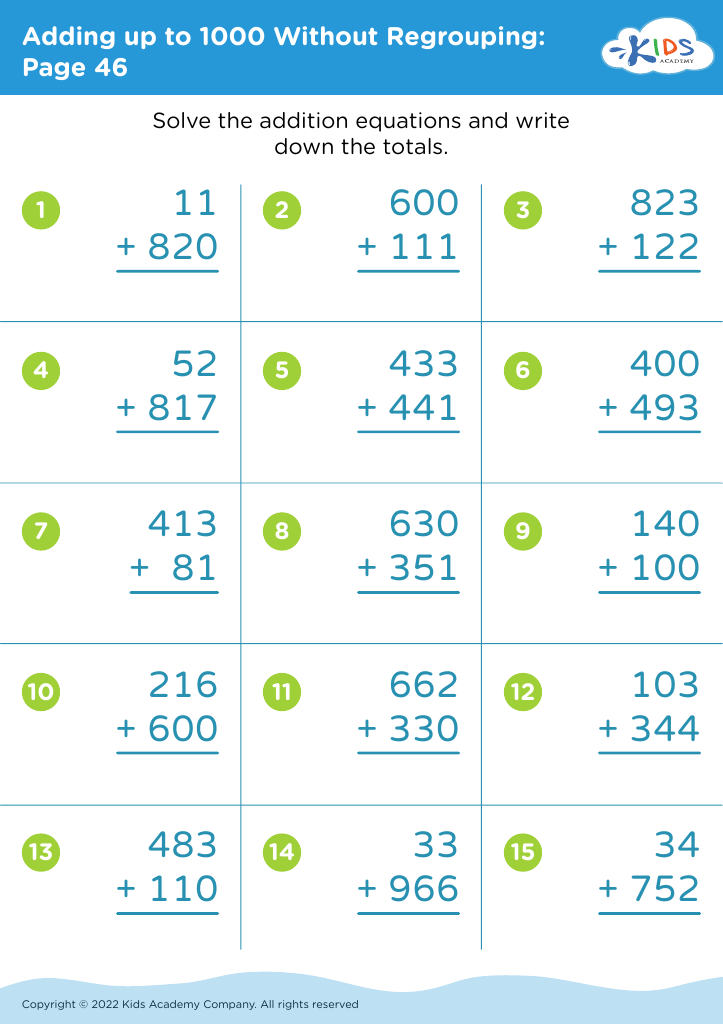
Welcome to our Practice Writing Numbers Worksheets, designed specifically for children aged 3-8! Our engaging worksheets help young learners develop vital numeracy skills by providing fun, interactive activities for practicing number formation and recognition. With colorful illustrations and age-appropriate exercises, these worksheets encourage creativity while promoting essential fine motor skills. Perfect for both classroom settings and at-home learning, our resources cater to different learning paces and styles. Watch your child gain confidence and precision in writing numbers as they complete each worksheet. Join us on this exciting educational journey and lay the foundation for mathematical success today!







Practicing writing numbers is crucial for children aged 3-8 as it lays the foundation for their mathematical understanding and cognitive development. Early number writing skills help children recognize numeric symbols, understand quantity, and develop fine motor skills, which are essential for various tasks later in life.
At this age, children are not just learning to write numbers; they’re also engaging in problem-solving and critical thinking. Writing numbers enhances their ability to visualize and manipulate numerical concepts, fostering a deeper understanding of addition, subtraction, and even more complex arithmetic as they progress in school.
Moreover, when parents and teachers emphasize number writing, they encourage children’s confidence and independence in their learning journey. Positive reinforcement through practice can motivate kids to explore mathematics further, making it less intimidating and more enjoyable.
Involving parents in this practice during everyday activities, like counting objects or writing numbers during play, bridges the gap between school and home, creating a holistic learning environment. Ultimately, fostering good number writing habits sets children up for academic success and develops life skills they will use beyond elementary school.








