Tracing practice Worksheets for Ages 3-8
3 filtered results
-
From - To
Unlock your child's creativity and motor skills with our engaging Tracing Practice Worksheets designed for ages 3-8. These printable worksheets provide a fun and educational way for young learners to hone their handwriting abilities while developing essential fine motor skills. Featuring a variety of shapes, letters, and fun themes, our worksheets are perfect for both classroom and home use. Whether your child is beginning their writing journey or refining their skills, our tracing activities cater to all learning levels. Foster confidence and build a strong foundation for future learning with our interactive, easy-to-use resources designed specifically for young minds!
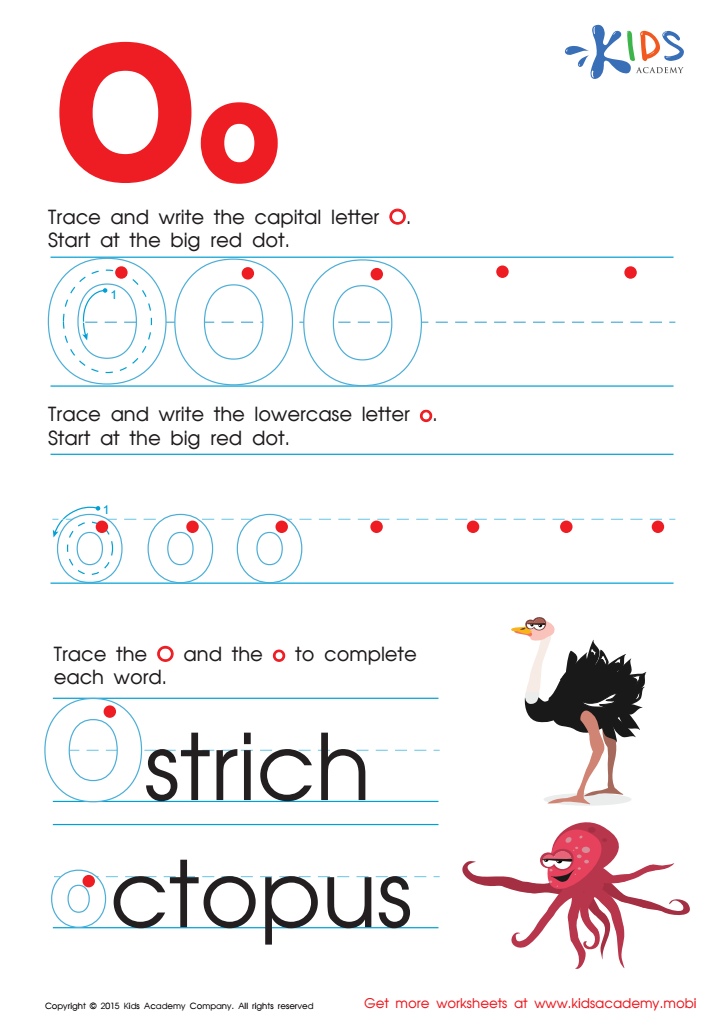
Letter O Tracing Page
 Assign to My Students
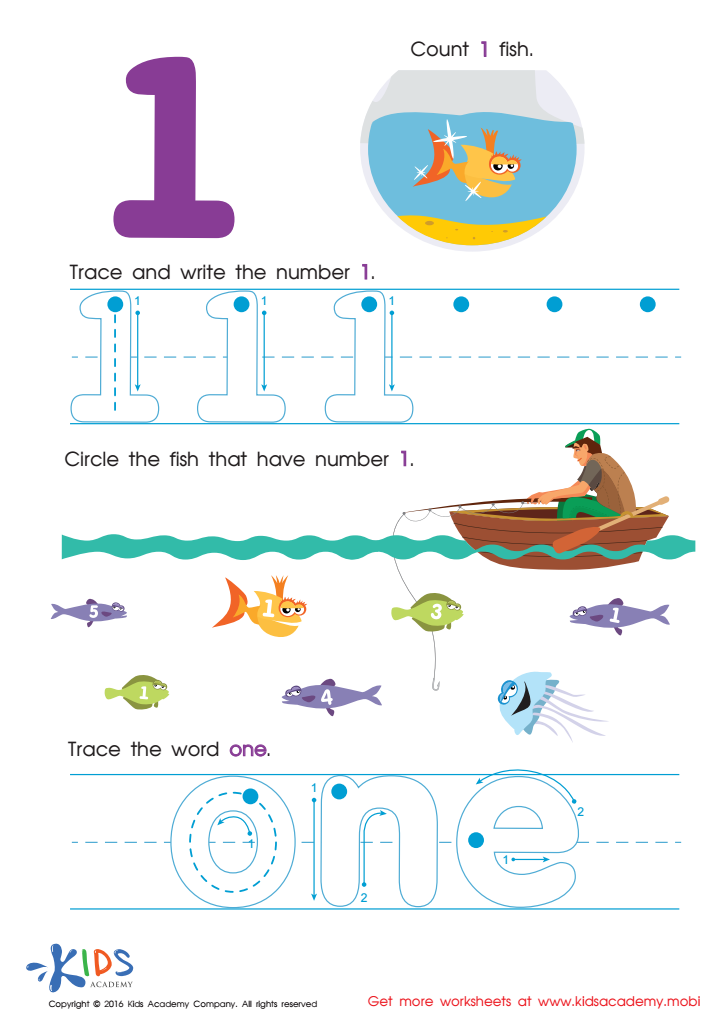
Learning to Write 1 Worksheet
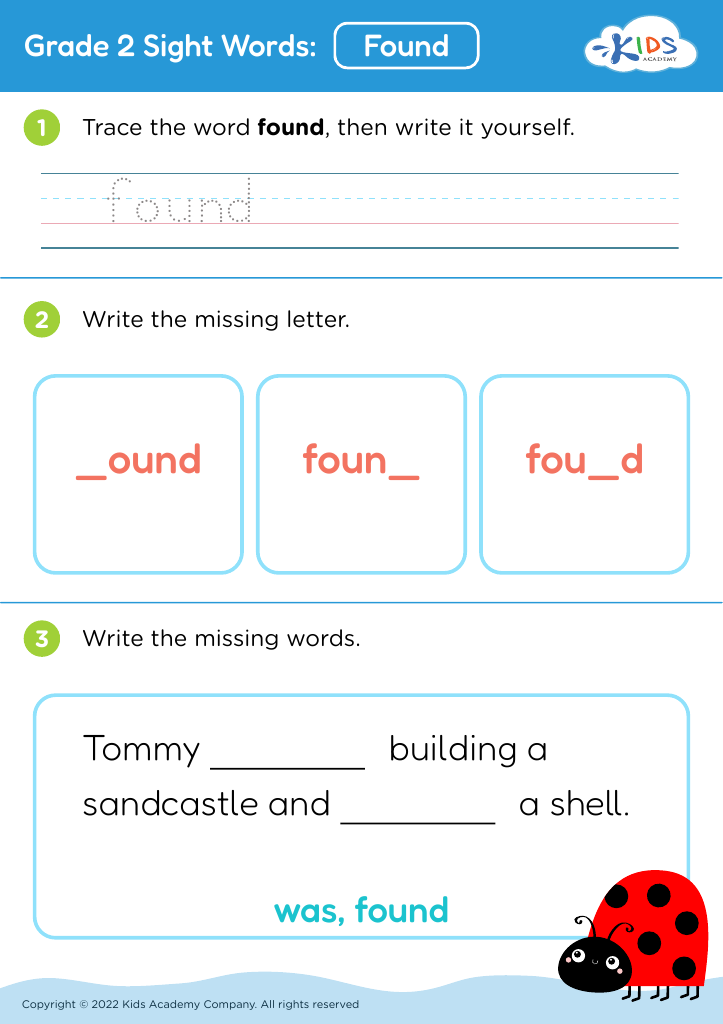






Tracing practice is essential for children aged 3-8, and parents or teachers should prioritize it for numerous reasons. Firstly, tracing helps develop fine motor skills, which are crucial for tasks such as writing, drawing, and even manipulating small objects. These skills are foundational for a child's ability to express themselves through writing as they grow older.
Additionally, tracing assists in letter and number recognition. As children trace letters and numbers, they not only reinforce the shapes but also improve their phonemic awareness and counting skills. This dual benefit supports early literacy and numeracy, setting a strong foundation for future learning.
Moreover, tracing can enhance concentration and hand-eye coordination. Kids learn to control their movements, improving their focus while keeping them engaged in the activity. Tracing also serves as a fantastic tool for creativity, allowing young learners to explore patterns and designs, fostering their artistic expression.
Lastly, incorporating tracing into practice is a fun, interactive method to engage parents and caregivers with their child's learning journey, strengthening familial bonds in the process. By recognizing the importance of tracing, parents and teachers can better support children's early developmental milestones and pave the way for their academic success.








