Understanding grouping Worksheets for Ages 3-8
3 filtered results
-
From - To
Explore our engaging "Understanding Grouping Worksheets" designed for children aged 3-8. These interactive printable activities help young learners develop crucial cognitive and classification skills by introducing them to the concepts of grouping and categorizing objects. Through vibrant illustrations and fun tasks, kids will not only strengthen their ability to identify similarities and differences but also enhance their critical thinking. These worksheets encourage hands-on learning, making it easier for early grade teachers and parents to support their child's education at home or in the classroom. Dive into this exciting journey of discovery and watch your little ones thrive in understanding group dynamics!
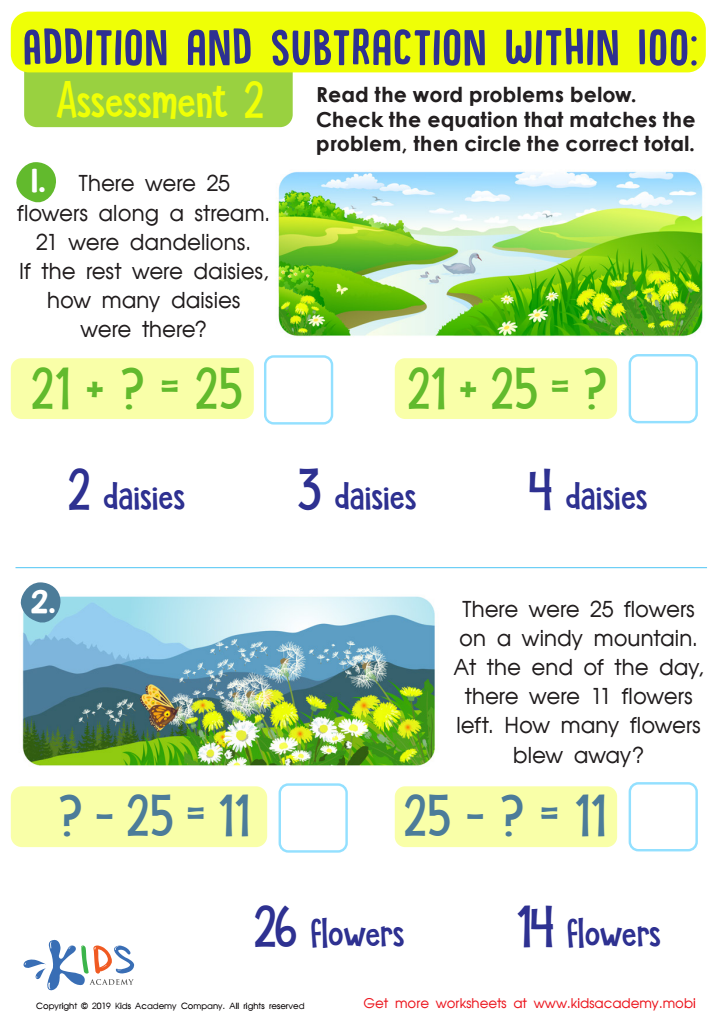
Assessment 2 Math Worksheet
 Assign to My Students
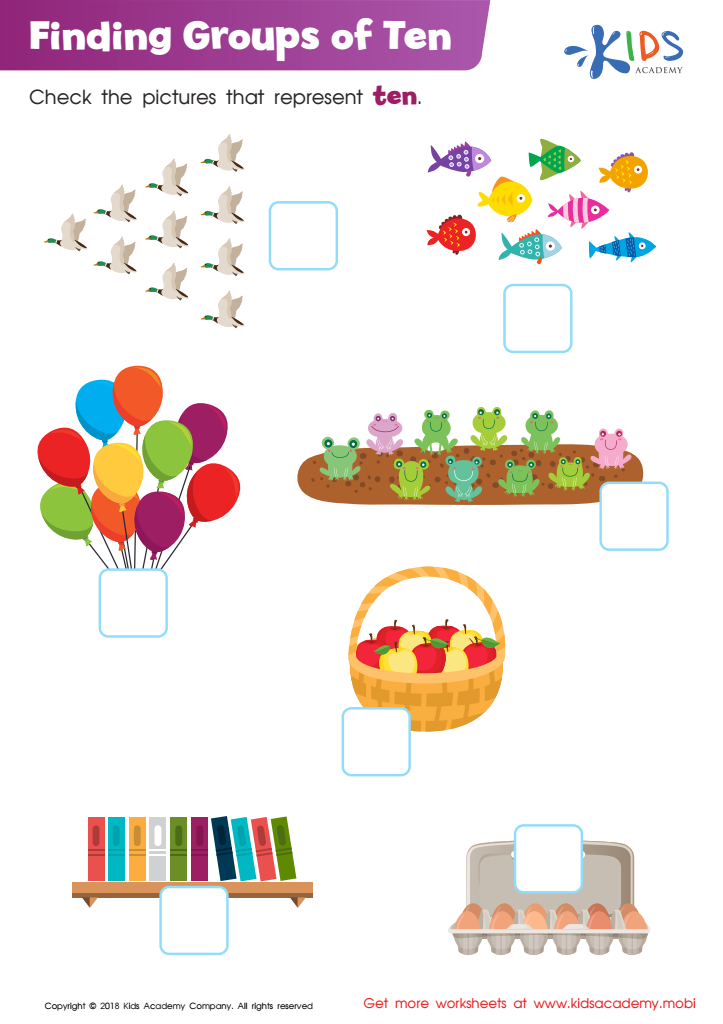
Finding Groups of Ten Worksheet
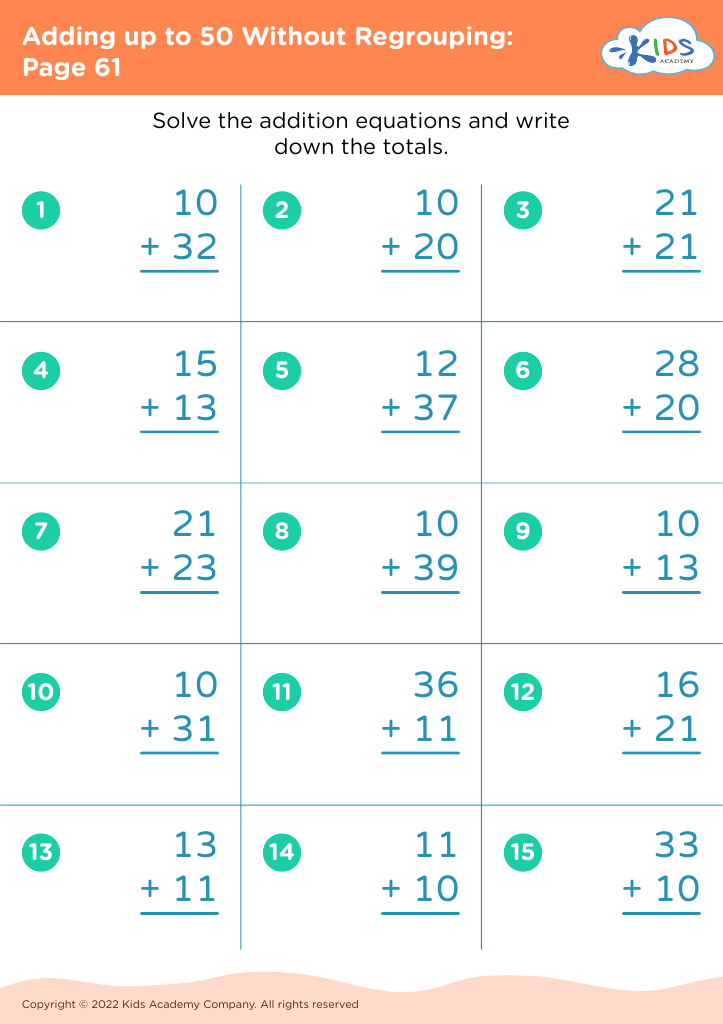






Understanding grouping is essential for children aged 3-8 as it forms the foundation for mathematical and cognitive skills they will use throughout their education and everyday life. Grouping helps children develop the ability to categorize and organize their thinking. This skill is critical in both learning how to count and forming early concepts of addition and subtraction through the grouping of objects.
Moreover, when children learn to group items—as in sorting shapes or colors—they enhance their problem-solving skills and promote logical reasoning. This foundational skill also ties into language development, as children discuss their choices and share ideas about how they grouped items.
For parents and teachers, fostering an environment that encourages grouping activities can enhance engagement and motivation in learning. Activities such as playing with blocks, sorting toys, or even grouping objects during daily routines and discussions can make learning interactive and enjoyable.
In essence, understanding grouping equips children with essential skills that pave the way for future academic success, promote critical thinking, and encourage collaboration and social interactions, making it vital for parents and teachers to nurture this development.








