Understanding numeracy Worksheets for Ages 3-8
4 filtered results
-
From - To
Explore our "Understanding Numeracy Worksheets for Ages 3-8," designed to help young learners develop essential math skills in a fun and engaging way. Our worksheets cover a variety of topics, including counting, number recognition, basic addition and subtraction, and more. Tailored for children aged 3 to 8, these resources employ vibrant illustrations and interactive activities to keep kids motivated. Educators and parents alike will find structured exercises that align with early learning standards, making it easy to track progress. Foster a solid foundation in numeracy through playful learning experiences! Discover our printable worksheets today and ignite a love for math in your child!
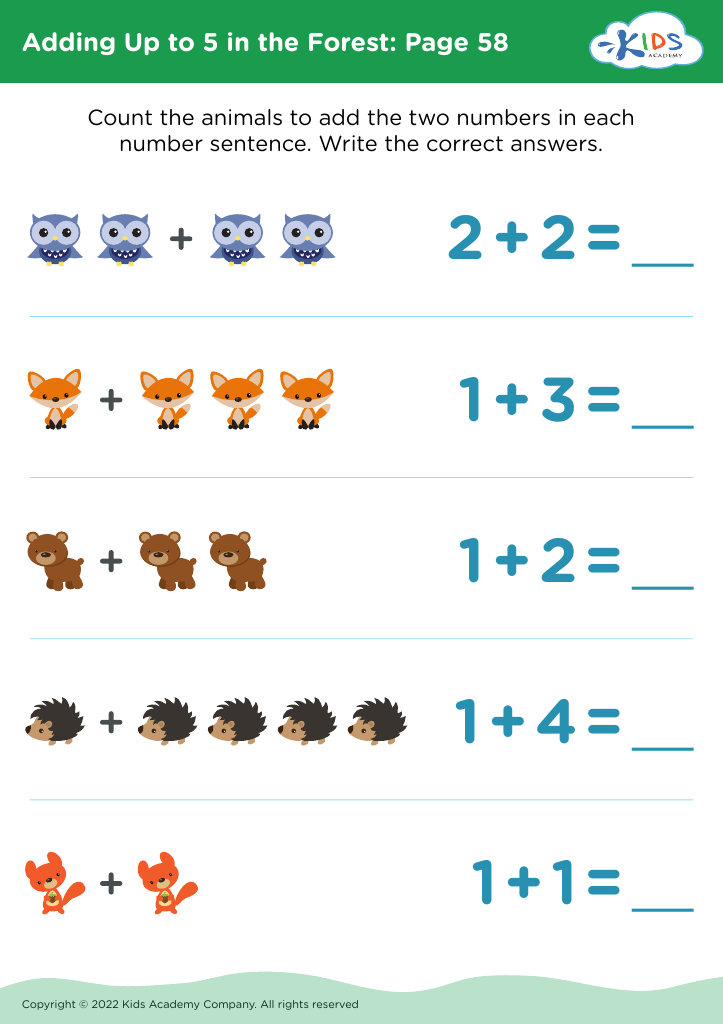
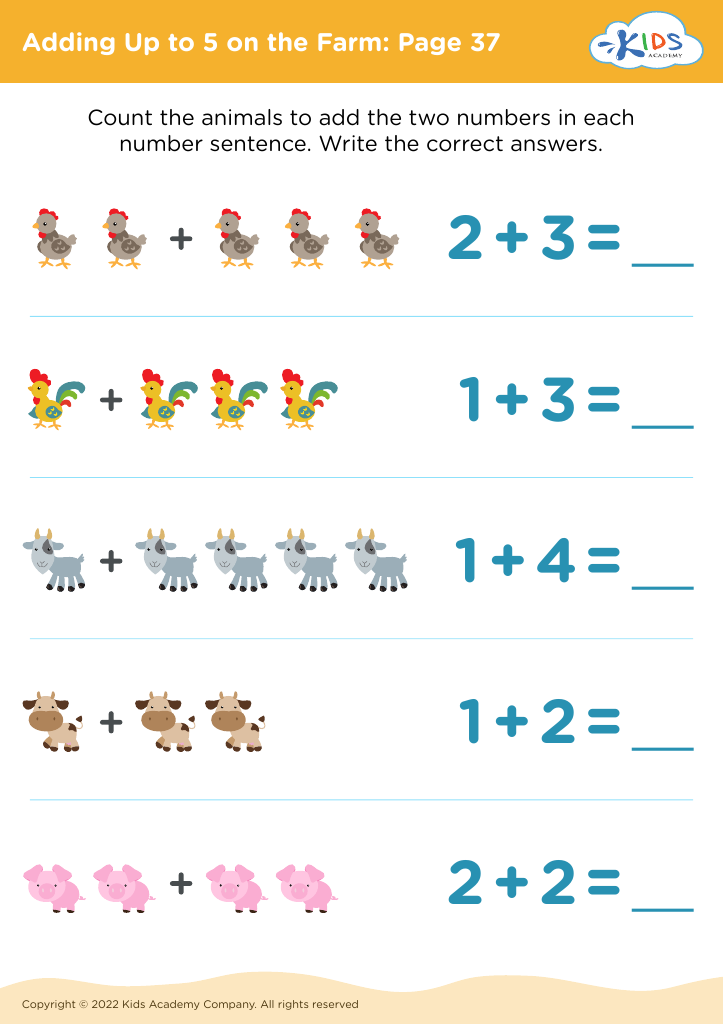
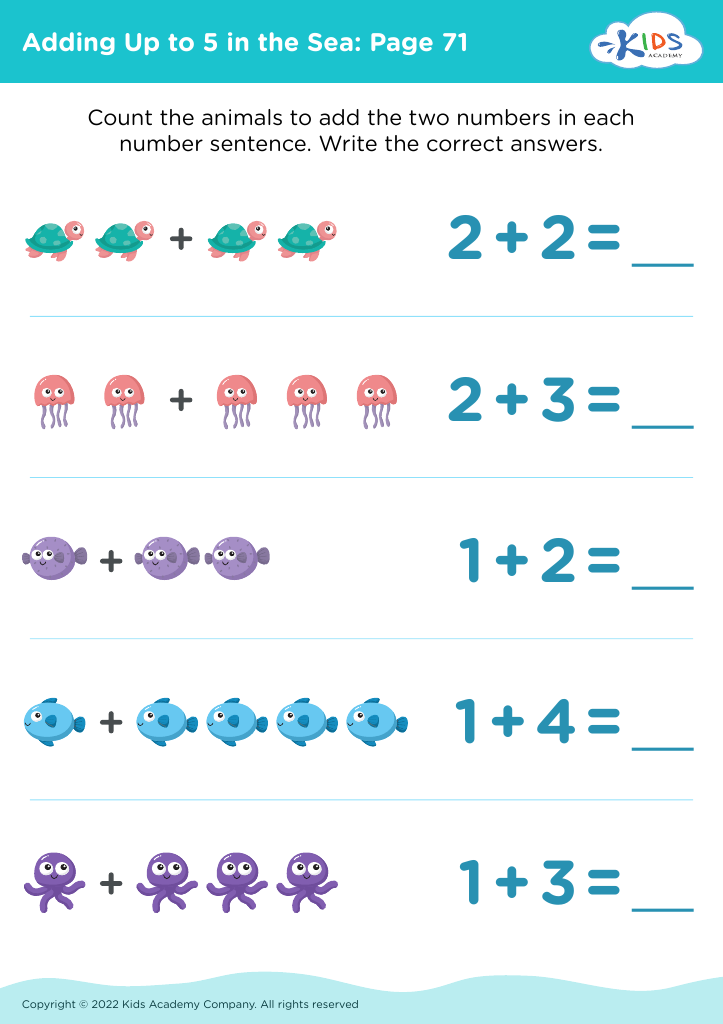
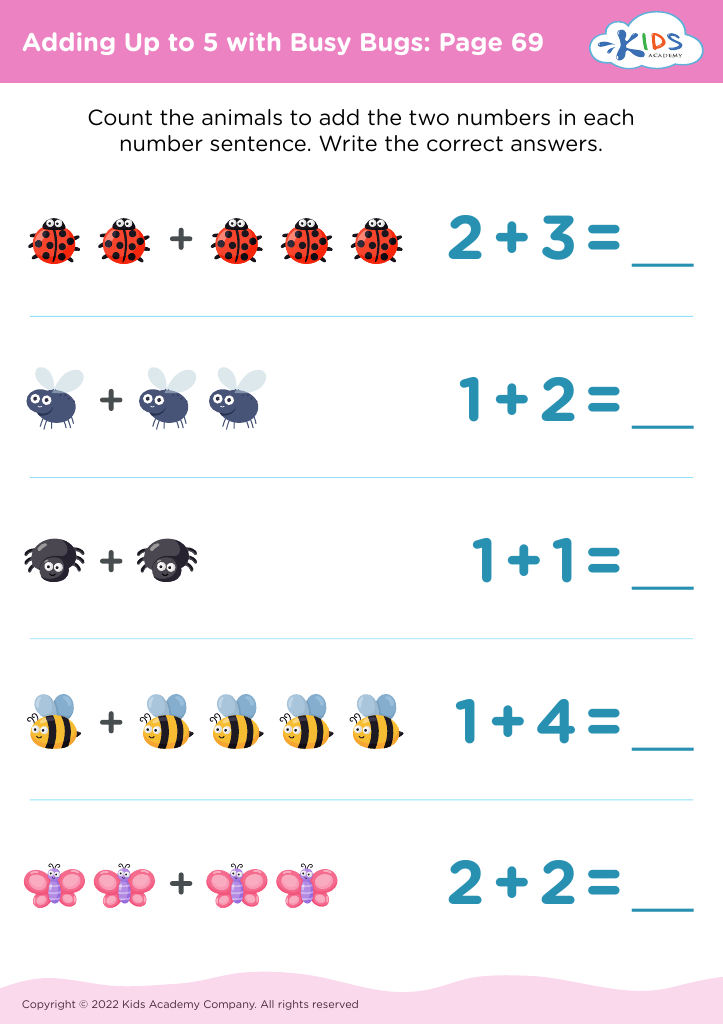








Understanding numeracy for children aged 3 to 8 is crucial for their overall development and future success. At this formative stage, children are not only learning basic mathematical concepts but also developing critical thinking and problem-solving skills essential for daily life. Engaging with numeracy helps young learners grasp foundational ideas like counting, patterns, and basic operations, building a strong mathematical foundation that will support more complex concepts in later years.
Moreover, numeracy fosters cognitive development. It encourages logical reasoning, enhances memory, and improves concentration. When parents and teachers emphasize numeracy through interactive activities and real-life applications, they create a stimulating learning environment that promotes curiosity and a positive attitude toward math.
Additionally, proficiency in numeracy is linked to success in various subjects beyond math, including science and economics. By nurturing early numeracy skills, caregivers and educators are preparing children to face academic challenges and instilling confidence that will carry into adulthood. Finally, understanding numeracy can help reduce anxiety related to math in older years, promoting resilience and a lifelong love for learning. In conclusion, investing in numeracy development in early childhood has lasting benefits that extend well into a child's academic journey and daily life.








