Understanding numerical values Worksheets for Ages 3-8
4 filtered results
-
From - To
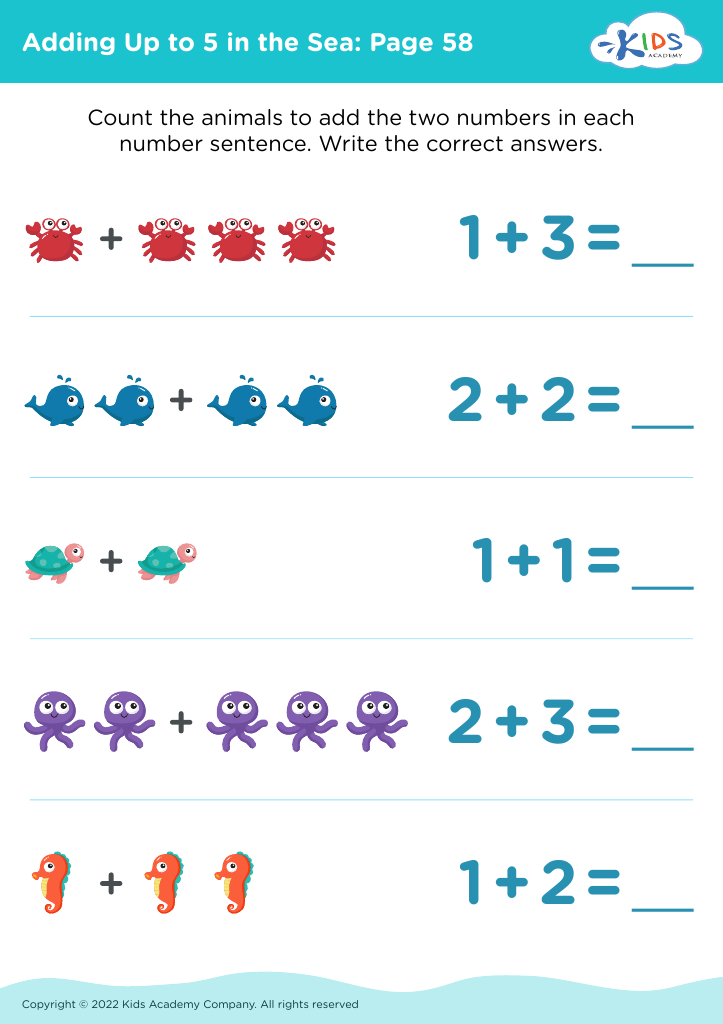
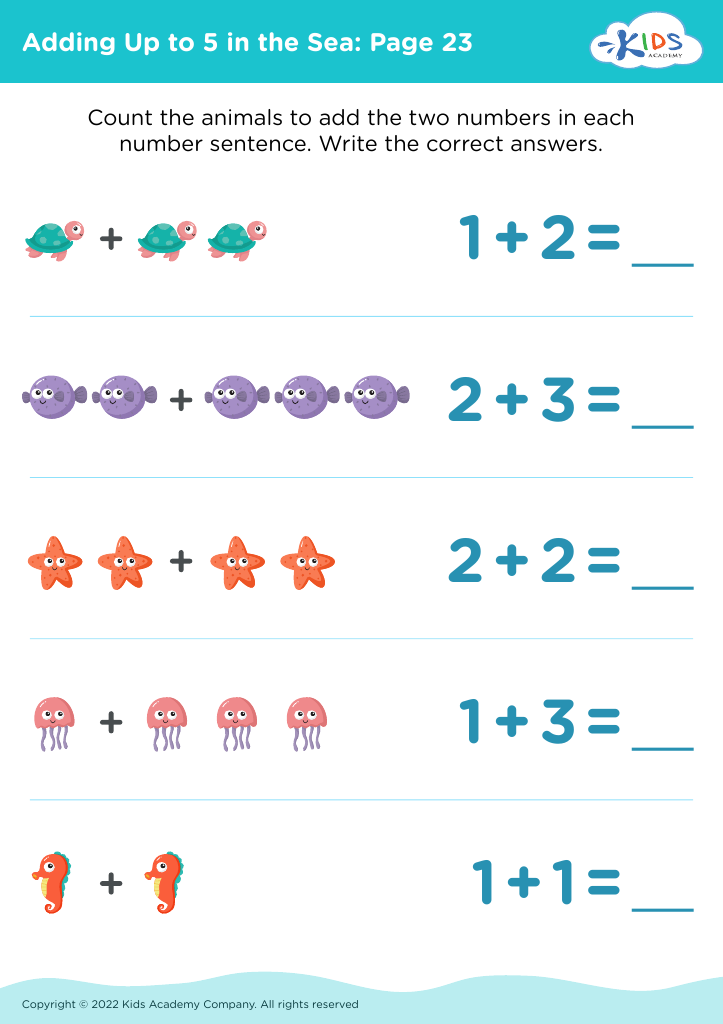
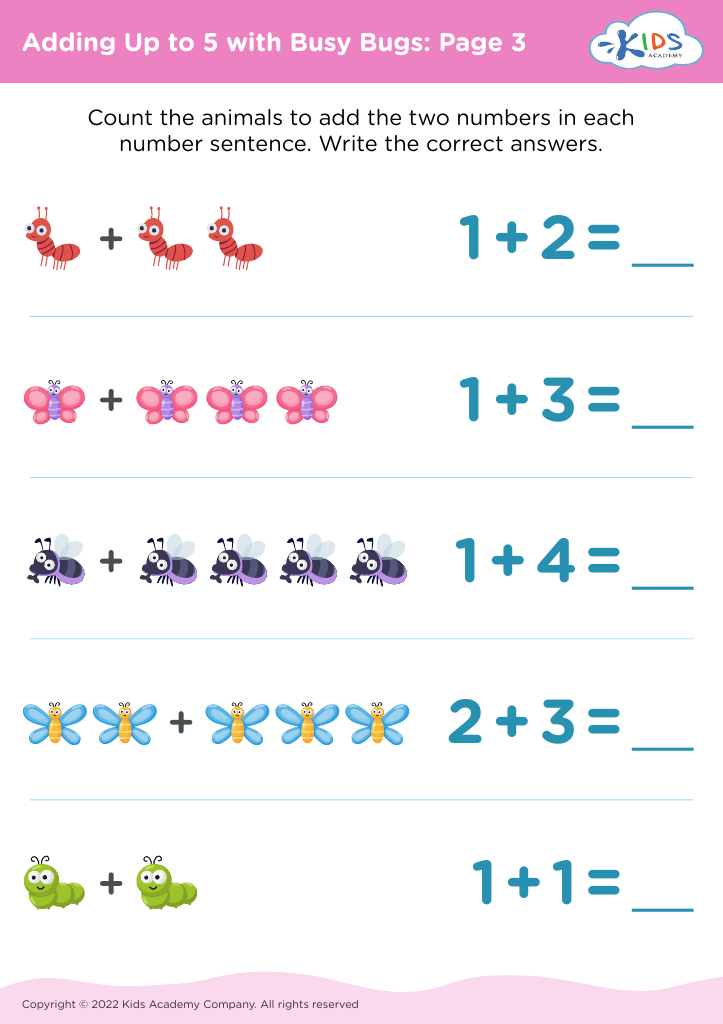
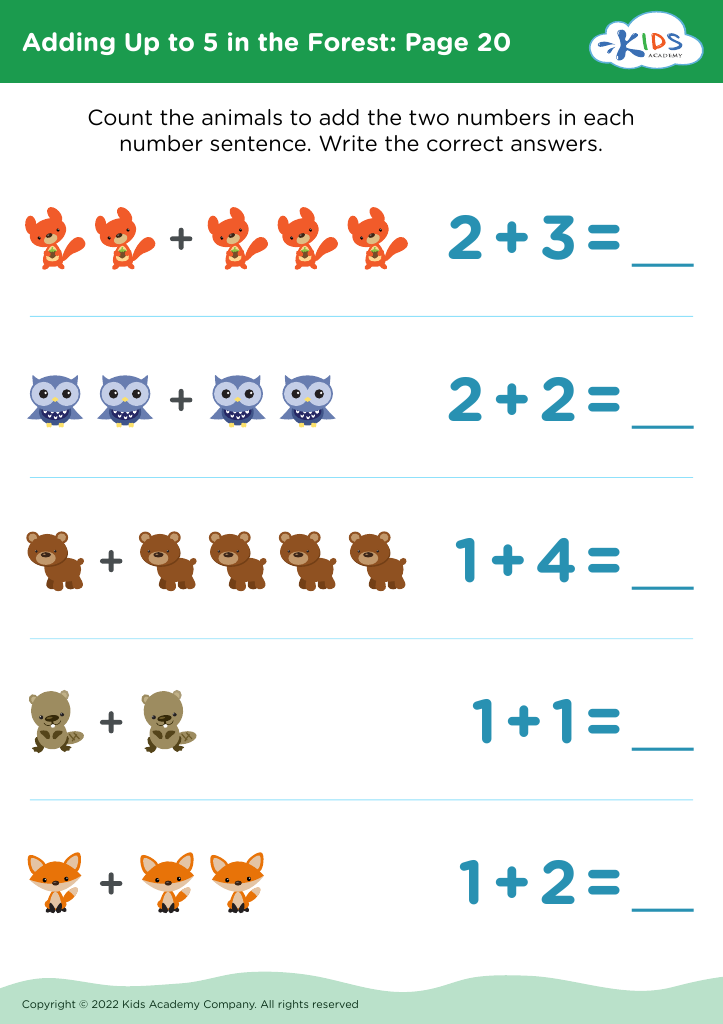
Discover our engaging "Understanding Numerical Values Worksheets" designed for children aged 3-8. These worksheets aid in developing foundational math skills by introducing young learners to the concept of numerical values in a fun and interactive way. Children will explore activities that enhance their counting abilities, number recognition, and understanding of greater and lesser values. Our thoughtfully crafted resources feature colorful illustrations and age-appropriate exercises that make learning enjoyable and effective. With a variety of fun tasks tailored to suit different developmental stages, these worksheets are perfect for classroom use or at-home learning, ensuring that every child builds a strong mathematics foundation.








Understanding numerical values is crucial for children aged 3-8 as it lays the foundation for their mathematical thinking and overall cognitive development. At this early stage, children are inherently curious and eager to learn, making it an ideal time for parents and teachers to engage them in number-related activities. Developing a strong grasp of numerical values helps children with essential skills such as counting, recognizing quantities, and making comparisons. These skills are not only fundamental for mathematics but also for problem-solving in everyday life.
When parents and teachers prioritize numerical understanding, they foster a sense of confidence in children. This early confidence is vital as it encourages a positive attitude toward learning and can significantly influence a child's academic journey. Furthermore, children who understand numerical values are better equipped for more advanced concepts like addition, subtraction, and even early geometry.
Early numeracy skills can produce long-term benefits; research indicates that children who develop strong mathematical foundations in early childhood tend to excel in higher-level mathematics later on. Ultimately, fostering an understanding of numerical values in young children is an investment that can lead to lifelong advantages in academia and beyond. It enhances their cognitive skills, encourages curiosity, and sets the stage for future learning and success.








