Understanding perspectives Worksheets for Ages 3-8
3 filtered results
-
From - To
Discover our engaging "Understanding Perspectives Worksheets" designed for children ages 3-8. These worksheets creatively help young learners explore different points of view through relatable scenarios and illustrations. By engaging with fun activities, children can develop empathy, enhance critical thinking skills, and improve their social awareness. Our resources encourage dialogue and reflection, allowing kids to express their thoughts while mastering the concept of perspectives. Perfect for classroom settings or at home, these worksheets are great tools for parents and teachers aiming to foster social-emotional learning in early education. Download now to inspire thoughtful discussions and enrich your child's learning experience!
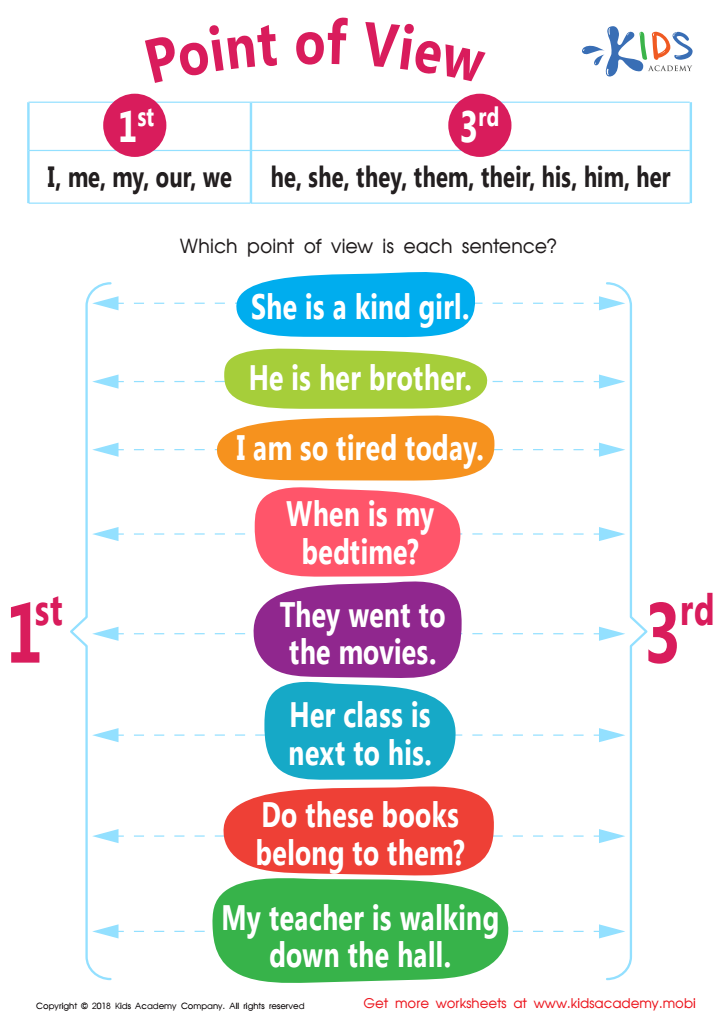
Point of View Worksheet
 Assign to My Students
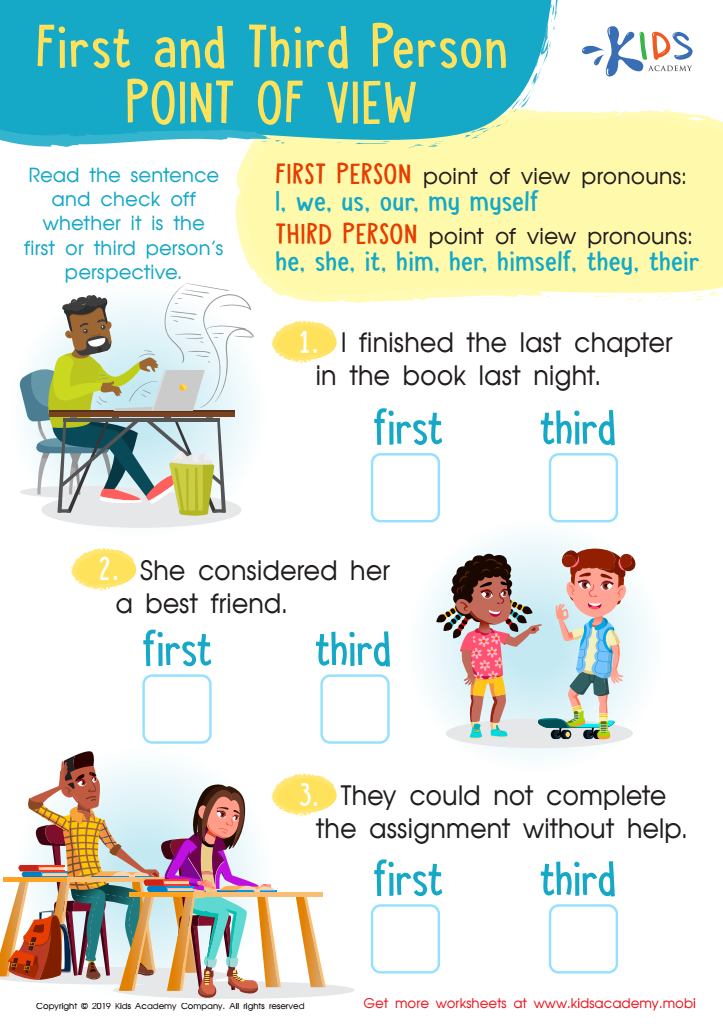
First and Third Person Point of View Worksheet
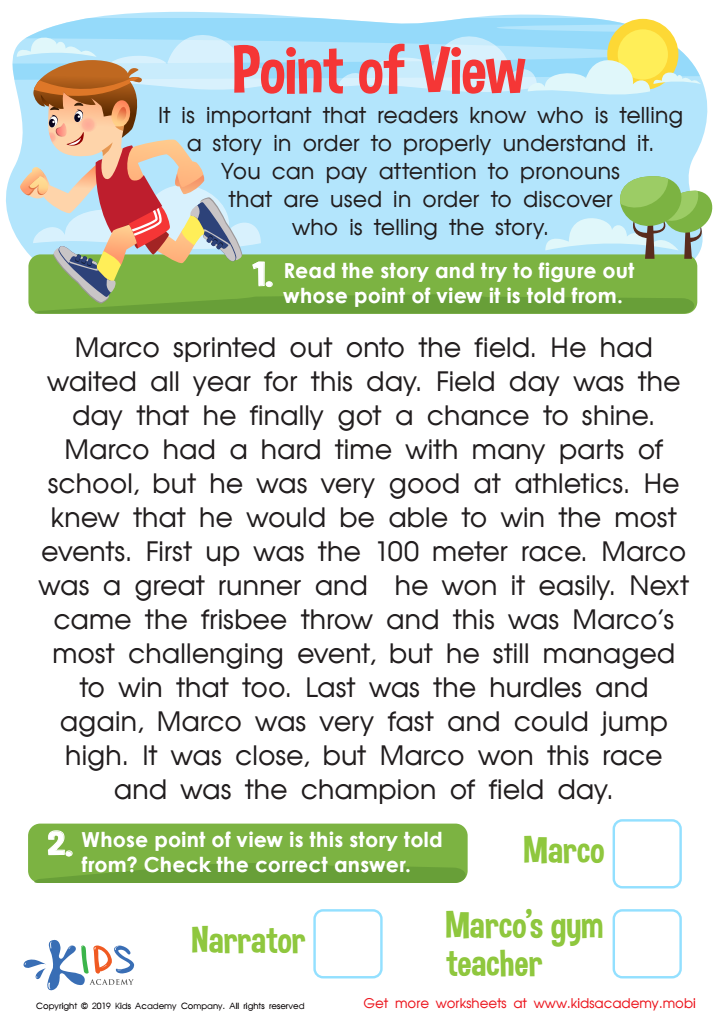
Point of View Worksheet





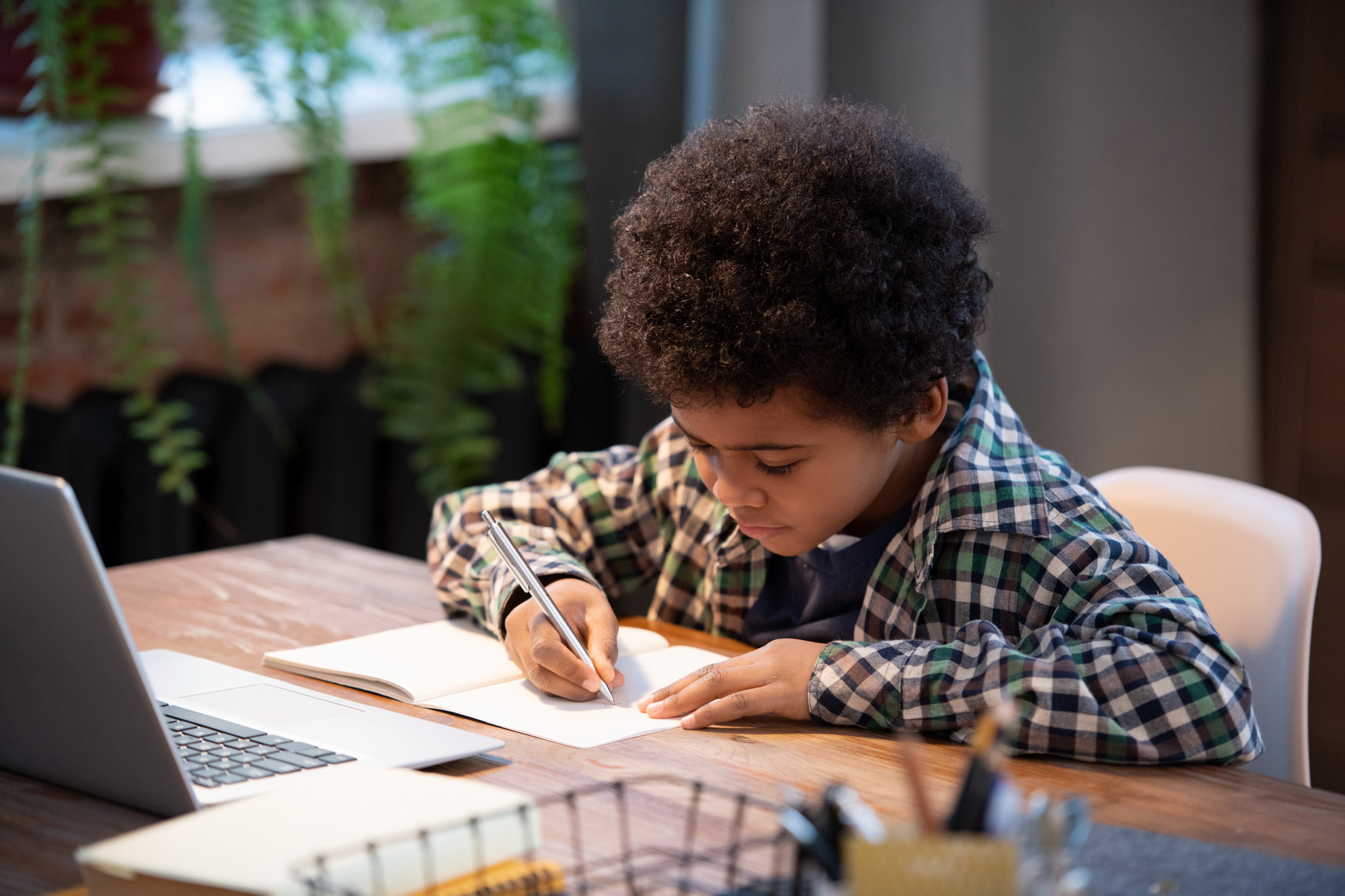

Understanding perspectives is crucial for the development of children aged 3-8, and both parents and teachers play vital roles in fostering this skill. At this age, children begin to grasp that others may have different thoughts, feelings, and viewpoints. This understanding is the foundation of empathy, social skills, and effective communication.
When parents and teachers prioritize perspective-taking, they help children navigate social situations and build healthy relationships. For example, when children recognize that their peers may have different needs or reactions, they become more adept at resolving conflicts and cooperating in group settings. Furthermore, individuals who understand diverse perspectives are often more open-minded and capable of critical thinking, essential skills for academic success and personal growth.
Additionally, cultivating this skill can foster inclusion, as children learn to appreciate and celebrate differences among cultural, social, and personal backgrounds. Engaging children in discussions about feelings, stories, and role-playing can enhance their awareness and understanding of various perspectives. Ultimately, by nurturing this ability early on, parents and teachers equip children with the social-emotional tools they need to thrive in an increasingly interconnected world, laying a strong foundation for lifelong learning and respect for others.








