Understanding symmetry Worksheets for Ages 3-8 - Page 2
38 filtered results
-
From - To
Force and Interactions: Assessment 2 Worksheet
 Assign to My Students
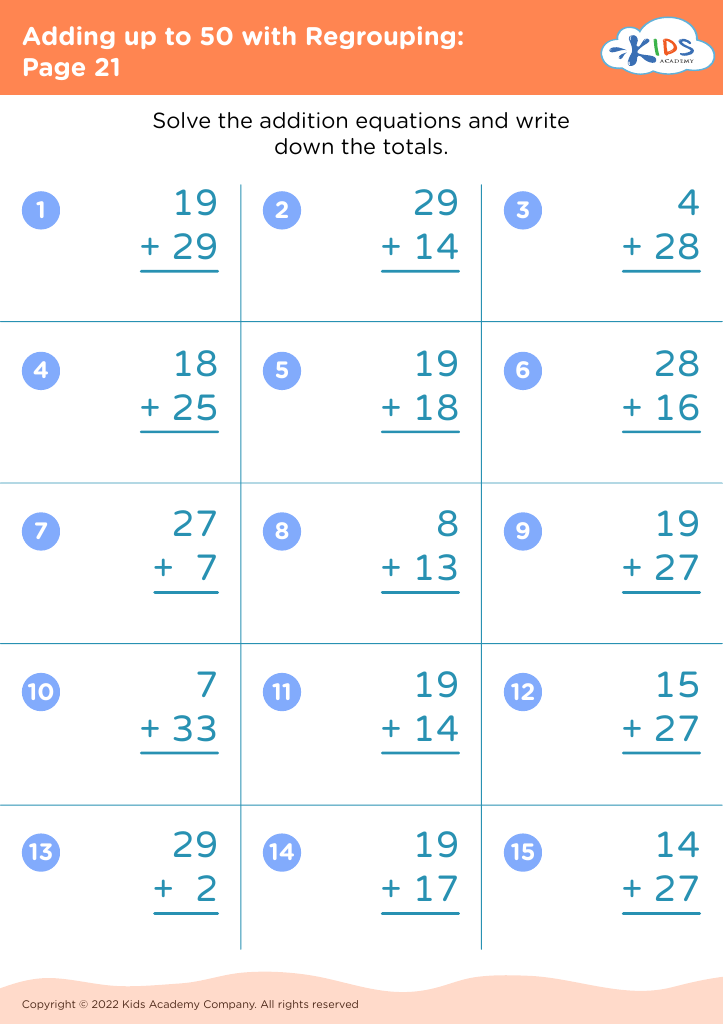
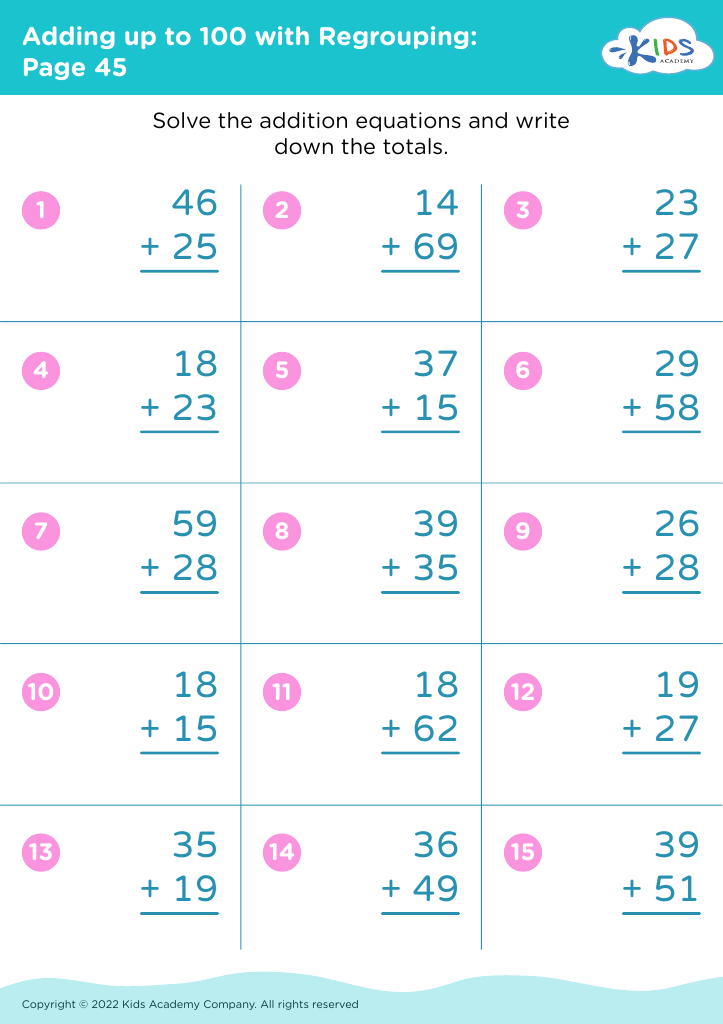
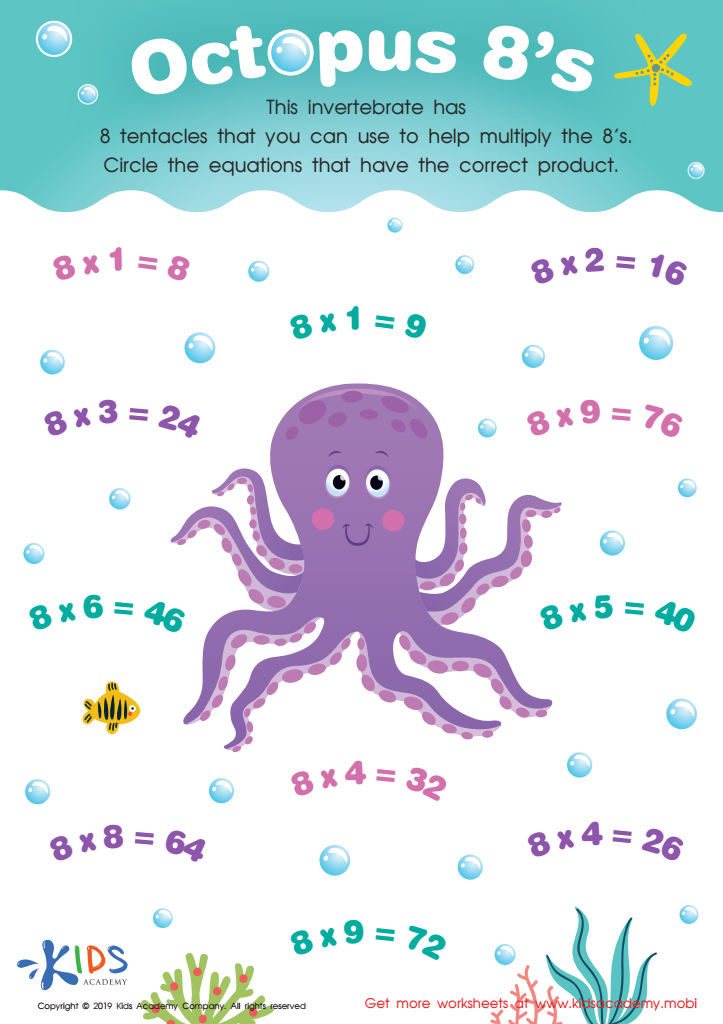
Octopus 8’s Worksheet
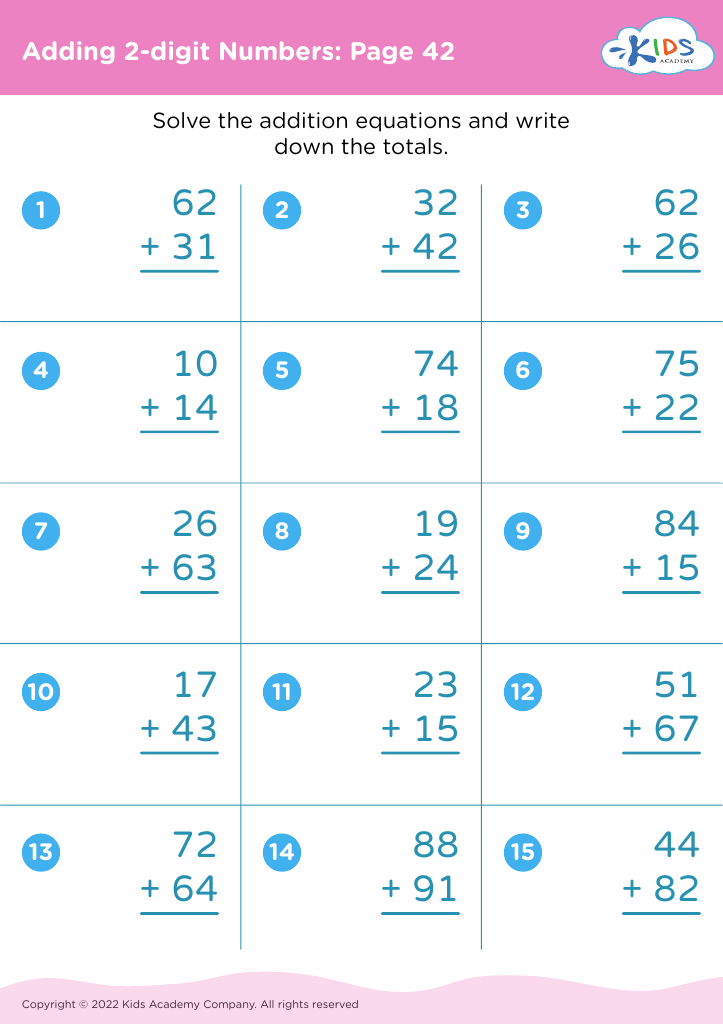







Understanding symmetry is crucial for children aged 3-8, as it forms a foundational concept in both mathematics and the natural world. For parents and teachers, nurturing an awareness of symmetry enhances a child’s cognitive development, fosters spatial reasoning skills, and supports their early mathematical understanding.
Children naturally encounter symmetry in their everyday lives—this includes recognizing symmetrical shapes, patterns in nature, and even human-made structures. By engaging kids in activities that explore symmetry, such as arts and crafts, building blocks, or observing patterns in nature, adults can stimulate critical thinking and creativity. This makes learning fun and interactive, reinforcing their enthusiasm for exploration.
Additionally, symmetry plays a vital role in developing visual discrimination, problem-solving skills, and establishing a mathematical mindset. As children learn to identify symmetrical figures and create their own symmetrical art, they build a strong base for future math concepts, such as geometry. Moreover, understanding symmetry can enhance a child’s appreciation of the aesthetic qualities in both art and nature, providing them a deeper connection to their environment.
Ultimately, encouraging an early appreciation and understanding of symmetry equips children with essential skills valuable for much of their academic journey and personal growth.








