Visual comprehension Worksheets for Ages 3-8
11 filtered results
-
From - To
Welcome to our Visual Comprehension Worksheets for ages 3-8! Our engaging worksheets are designed to enhance visual processing skills, crucial for early learning. These activities help children identify and interpret visual information, improving their ability to recognize patterns, colors, and shapes while promoting critical thinking. With a variety of fun exercises tailored to different age levels, your little learners will enjoy hours of creative learning. These worksheets not only foster cognitive development but also make learning enjoyable. Dive into our collection today and watch your child’s visual comprehension skills flourish! Perfect for classrooms and home learning alike.
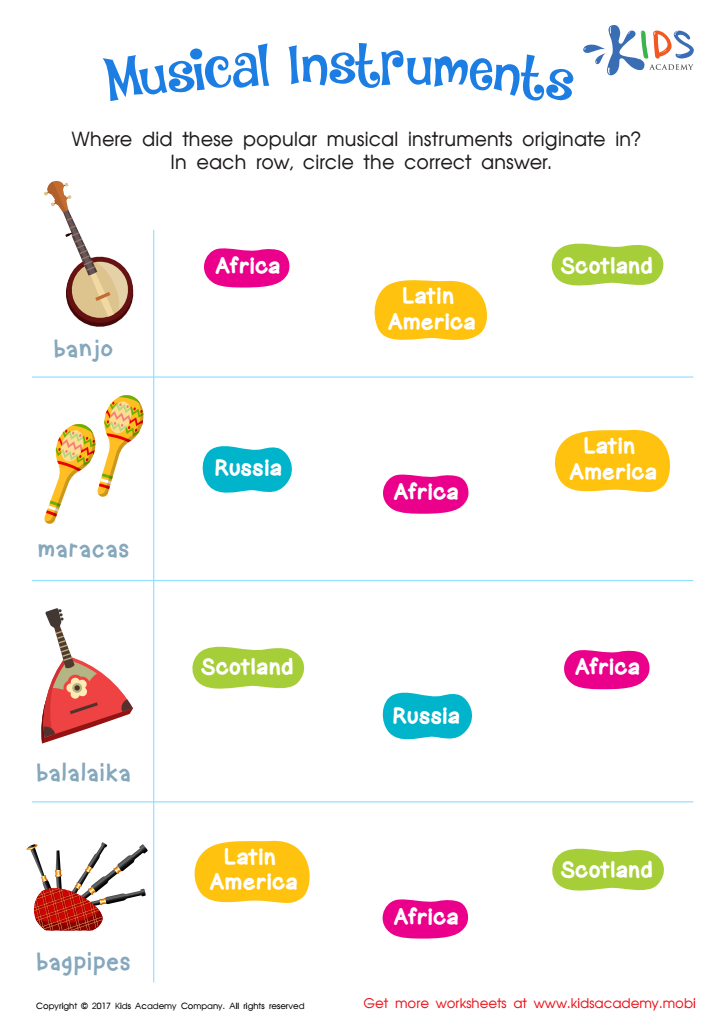
Musical Instruments Printable
 Assign to My Students
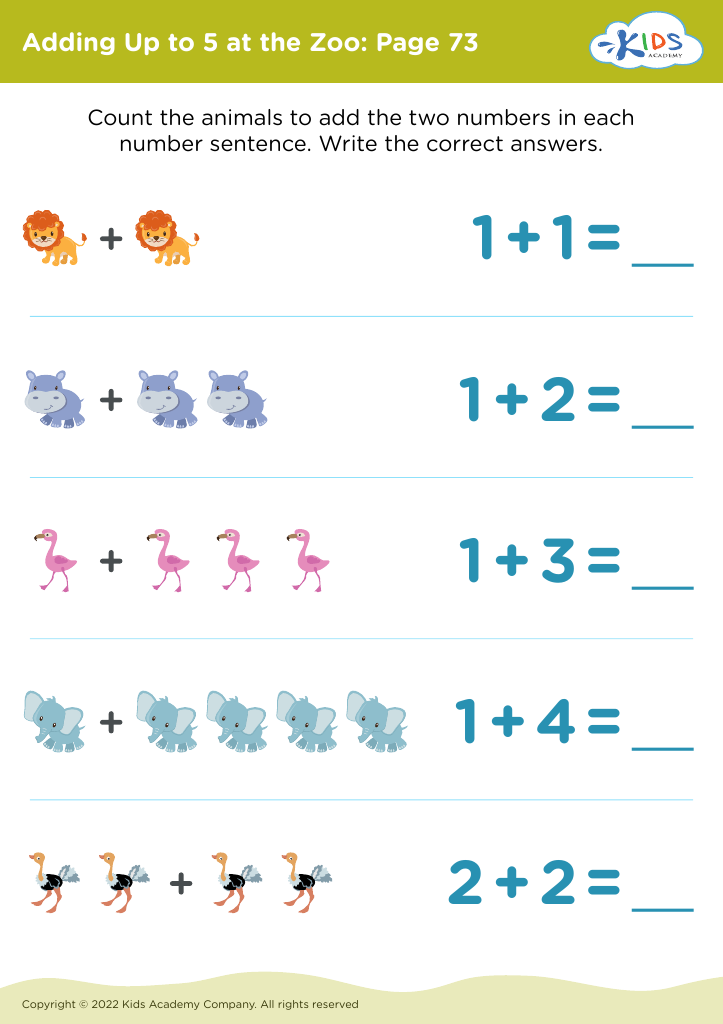
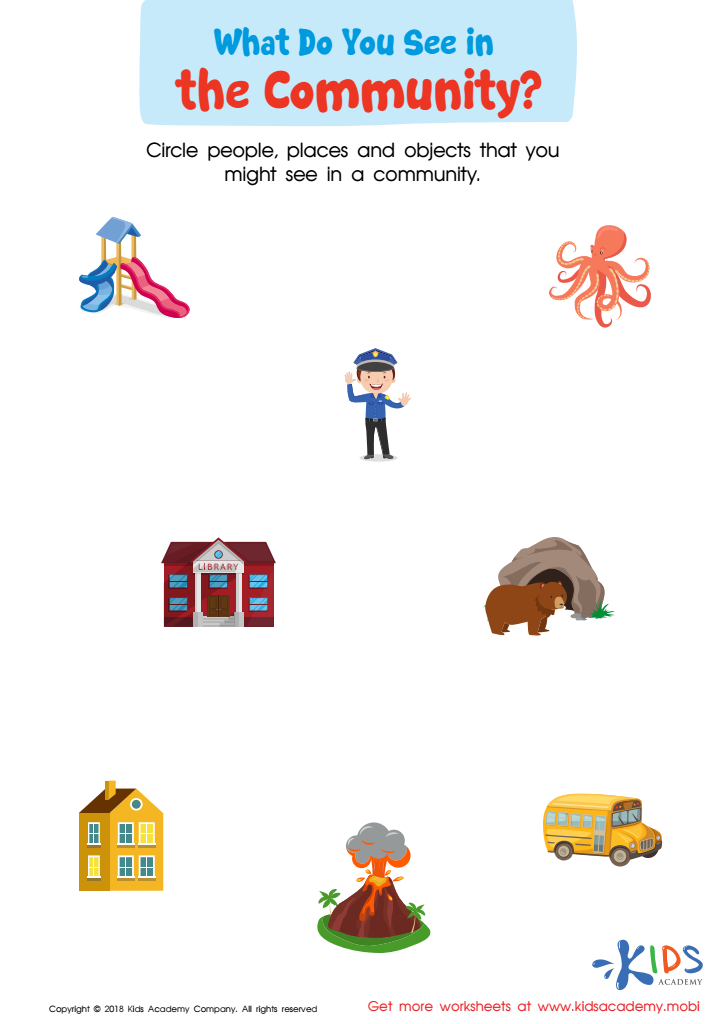
What Do You See in the Community Worksheet
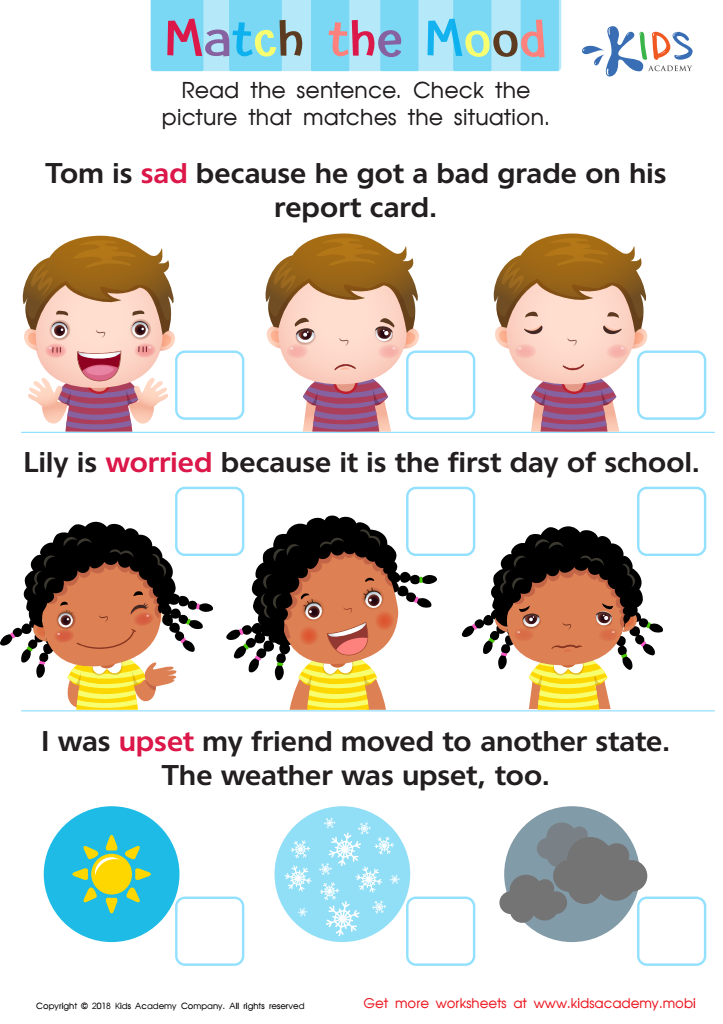
Match The Mood Worksheet
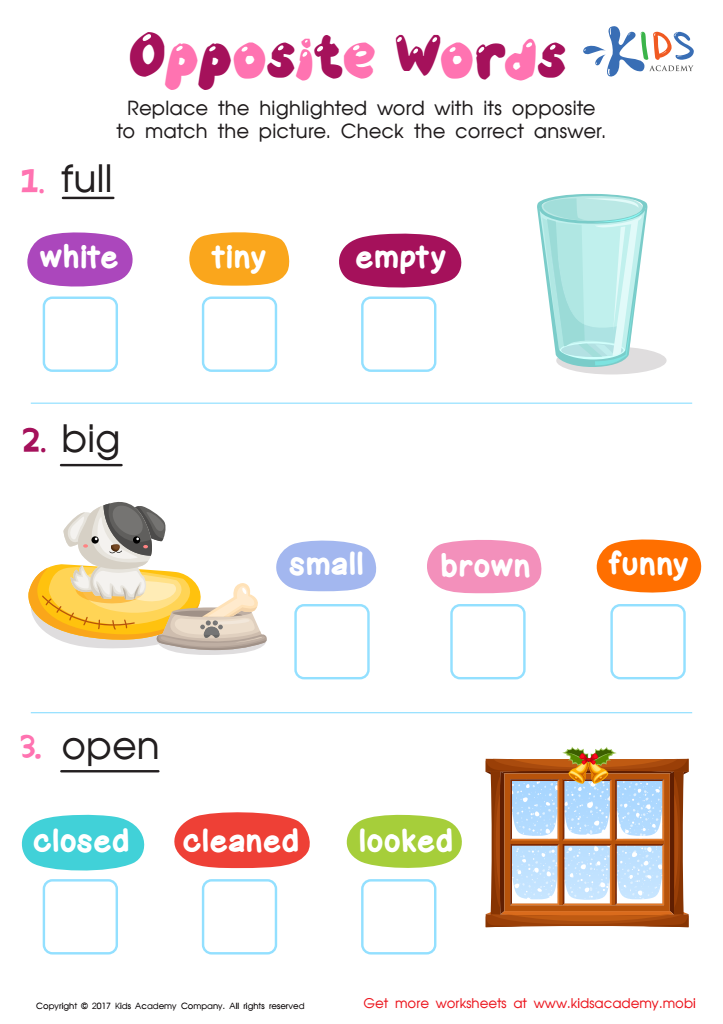
Opposite Words Worksheet
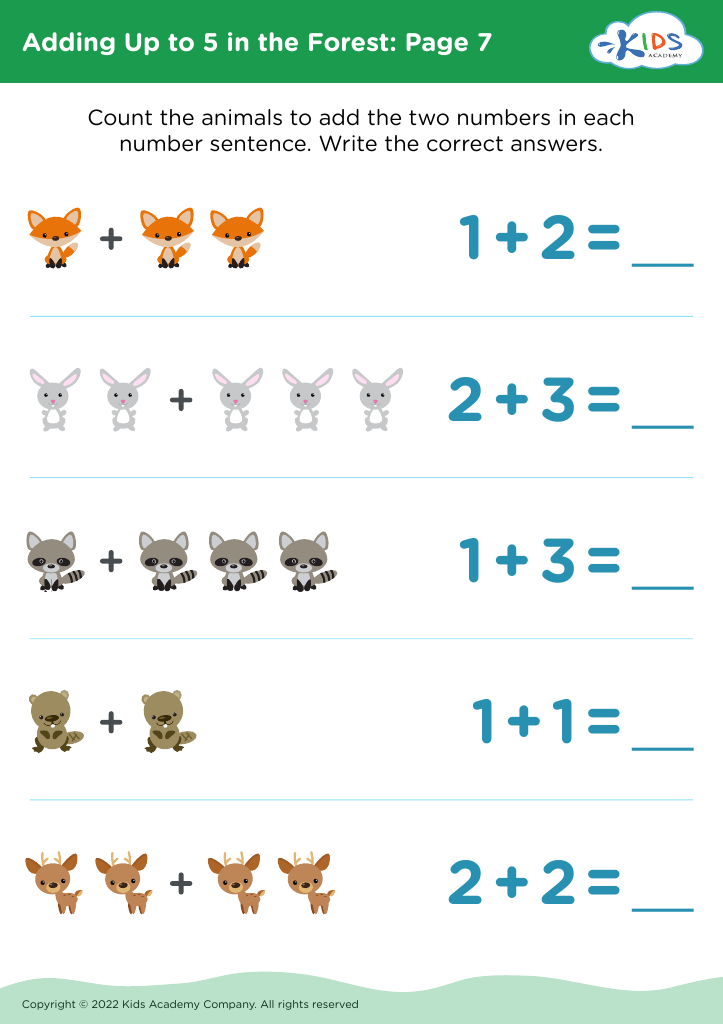
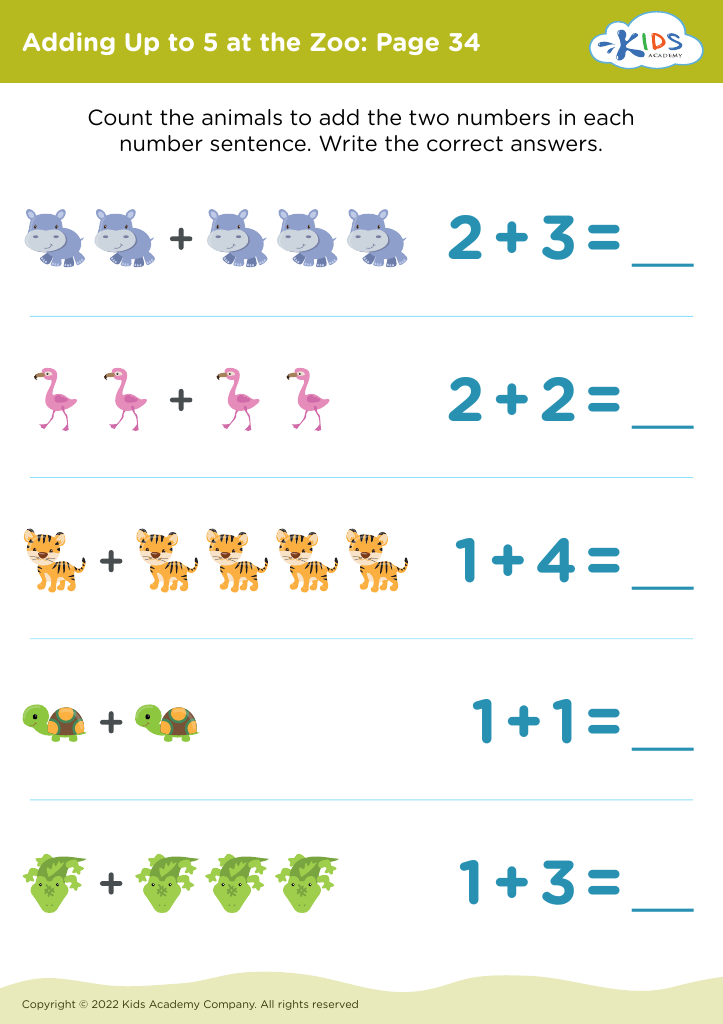
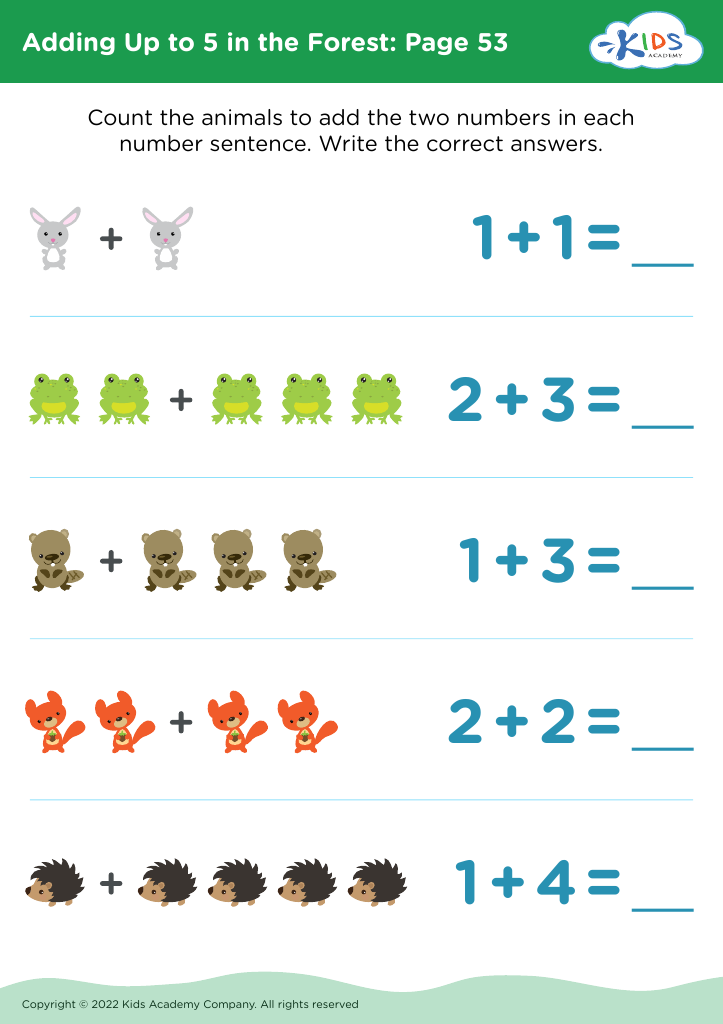
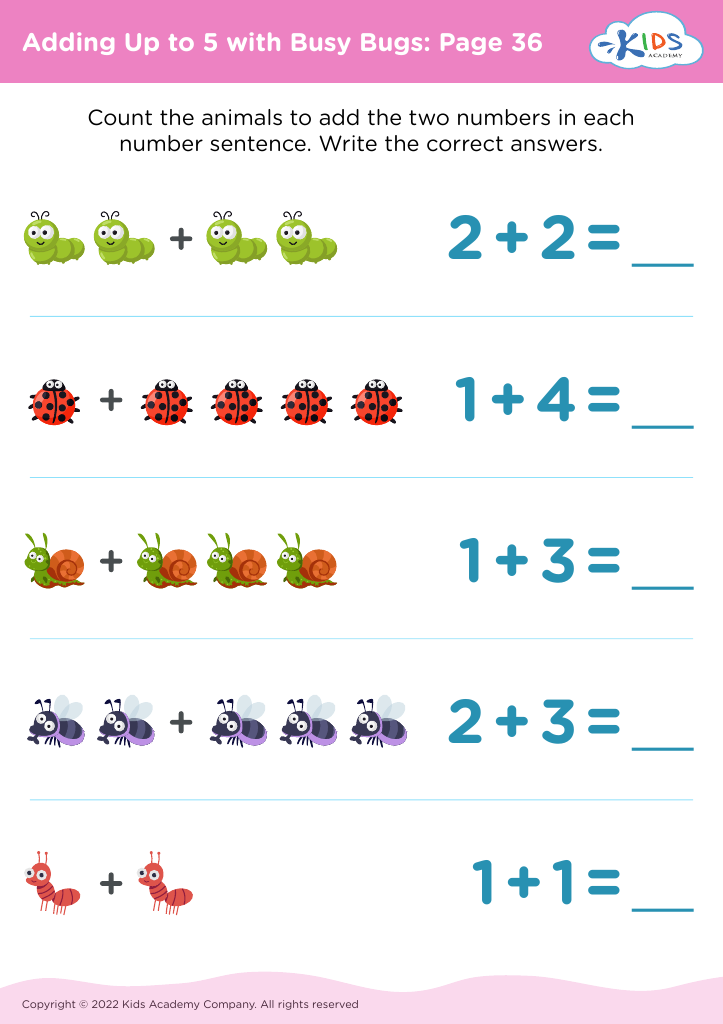
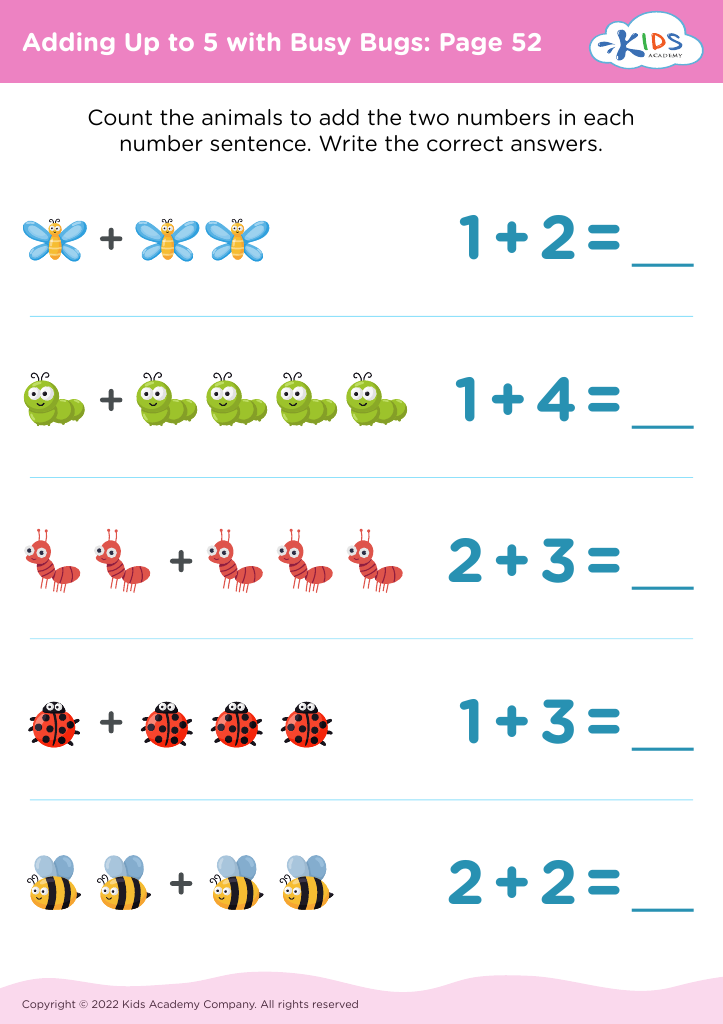








Visual comprehension is a crucial skill for children aged 3 to 8, acting as a foundation for learning and development. During these formative years, children begin to interpret and understand visual information, which is vital as it directly impacts their ability to read, write, and communicate. Effective visual comprehension enhances cognitive skills, helping kids make connections between images and words, ultimately promoting literacy.
For parents and teachers, fostering visual comprehension is essential because it builds critical thinking skills. Children learn to analyze, synthesize, and evaluate information presented in various visual formats, from books to charts and illustrations. This ability not only assists in academic success but also promotes creativity, problem-solving, and independent thinking.
Moreover, strong visual comprehension lays the groundwork for social-emotional development. Children can better understand narratives, perspectives, and emotions through visual stimuli, which strengthens empathy and interpersonal skills. Additionally, as children engage in diverse visual experiences, they become more culturally and socially aware.
In summary, prioritizing visual comprehension equips young learners with the essential tools they need for successful navigation of education and life, making it imperative for parents and teachers to actively support this aspect of development.








